Você tem bom gosto!
Inicie sessão para seguir seus artistas favoritos, salvar eventos e muito mais.

'%3e %3cpath d='M17.2 8.65233C17.2 3.87262 13.3508 0 8.6 0C3.84919 0 0 3.87262 0 8.65233C0 12.9785 3.12097 16.572 7.24758 17.2V11.1643H5.0629V8.65233H7.24758V6.76836C7.24758 4.60527 8.53065 3.38418 10.4726 3.38418C11.4435 3.38418 12.4145 3.55862 12.4145 3.55862V5.68682H11.3395C10.2645 5.68682 9.91774 6.3497 9.91774 7.04746V8.65233H12.3105L11.929 11.1643H9.91774V17.2C14.0444 16.572 17.2 12.9785 17.2 8.65233Z' fill='%236D6D6D'/%3e %3c/g%3e %3cdefs%3e %3cclipPath id='clip0_11991_110375'%3e %3crect width='17.2' height='17.2' fill='white'/%3e %3c/clipPath%3e %3c/defs%3e %3c/svg%3e)
'%3e %3cpath d='M13.546 0.716797H16.1835L10.4214 7.3954L17.2 16.4835H11.8924L7.73534 10.9716L2.97869 16.4835H0.339647L6.50272 9.33995L0 0.716797H5.44232L9.19996 5.75485L13.546 0.716797ZM12.6204 14.8825H14.0818L4.64822 2.23363H3.07994L12.6204 14.8825Z' fill='%236D6D6D'/%3e %3c/g%3e %3cdefs%3e %3cclipPath id='clip0_11991_110380'%3e %3crect width='17.2' height='17.2' fill='white'/%3e %3c/clipPath%3e %3c/defs%3e %3c/svg%3e)
'%3e %3cpath d='M8.6192 4.16563C6.16205 4.16563 4.20402 6.16205 4.20402 8.5808C4.20402 11.0379 6.16205 12.996 8.6192 12.996C11.0379 12.996 13.0344 11.0379 13.0344 8.5808C13.0344 6.16205 11.0379 4.16563 8.6192 4.16563ZM8.6192 11.4603C7.04509 11.4603 5.73973 10.1933 5.73973 8.5808C5.73973 7.0067 7.0067 5.73973 8.6192 5.73973C10.1933 5.73973 11.4603 7.0067 11.4603 8.5808C11.4603 10.1933 10.1933 11.4603 8.6192 11.4603ZM14.2246 4.01205C14.2246 4.58795 13.7638 5.04866 13.1879 5.04866C12.6121 5.04866 12.1513 4.58795 12.1513 4.01205C12.1513 3.43616 12.6121 2.97545 13.1879 2.97545C13.7638 2.97545 14.2246 3.43616 14.2246 4.01205ZM17.1424 5.04866C17.0656 3.66652 16.7585 2.43795 15.7603 1.43973C14.7621 0.441518 13.5335 0.134375 12.1513 0.0575893C10.7308 -0.0191964 6.4692 -0.0191964 5.04866 0.0575893C3.66652 0.134375 2.47634 0.441518 1.43973 1.43973C0.441518 2.43795 0.134375 3.66652 0.0575893 5.04866C-0.0191964 6.4692 -0.0191964 10.7308 0.0575893 12.1513C0.134375 13.5335 0.441518 14.7237 1.43973 15.7603C2.47634 16.7585 3.66652 17.0656 5.04866 17.1424C6.4692 17.2192 10.7308 17.2192 12.1513 17.1424C13.5335 17.0656 14.7621 16.7585 15.7603 15.7603C16.7585 14.7237 17.0656 13.5335 17.1424 12.1513C17.2192 10.7308 17.2192 6.4692 17.1424 5.04866ZM15.2996 13.6487C15.0308 14.4165 14.4165 14.9924 13.6871 15.2996C12.5353 15.7603 9.84777 15.6451 8.6192 15.6451C7.35223 15.6451 4.66473 15.7603 3.55134 15.2996C2.78348 14.9924 2.20759 14.4165 1.90045 13.6487C1.43973 12.5353 1.55491 9.84777 1.55491 8.5808C1.55491 7.35223 1.43973 4.66473 1.90045 3.51295C2.20759 2.78348 2.78348 2.20759 3.55134 1.90045C4.66473 1.43973 7.35223 1.55491 8.6192 1.55491C9.84777 1.55491 12.5353 1.43973 13.6871 1.90045C14.4165 2.1692 14.9924 2.78348 15.2996 3.51295C15.7603 4.66473 15.6451 7.35223 15.6451 8.5808C15.6451 9.84777 15.7603 12.5353 15.2996 13.6487Z' fill='%236D6D6D'/%3e %3c/g%3e %3cdefs%3e %3cclipPath id='clip0_11991_110387'%3e %3crect width='17.2' height='17.2' fill='white'/%3e %3c/clipPath%3e %3c/defs%3e %3c/svg%3e)


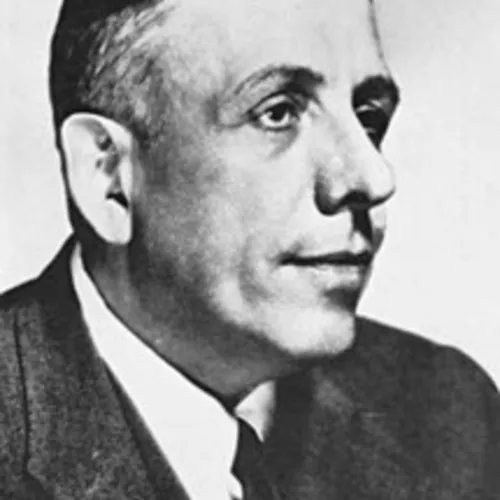
artista
Francis Poulenc
5,59 mil Seguidores
Não há shows marcados
Envie uma solicitação para Francis Poulenc fazer um show na sua cidade
Solicitar um show
Artistas semelhantes em turnê
Shows anteriores
DEZ
09
2025
Amsterdam, Netherlands
Muziekgebouw aan 't IJ
NOV
29
2025
Amsterdam, Netherlands
Muziekgebouw aan 't IJ
NOV
22
2025
Amsterdam, Netherlands
Muziekgebouw aan 't IJ
OUT
29
2025
Amsterdam, Netherlands
Muziekgebouw aan 't IJ
SET
26
2025
Amsterdam, Netherlands
Muziekgebouw aan 't IJ
SET
24
2025
Amsterdam, Netherlands
Muziekgebouw aan 't IJ
Nunca perca outro show de Francis Poulenc.
Receba alertas sobre anúncios de turnês, ingressos para show e shows perto de você com uma conta gratuita do Bandsintown.
Sobre Francis Poulenc
Francis Poulenc
Francis Jean Marcel Poulenc (January 7, 1899 - January 30, 1963) was a French composer and a member of the French Group Les Six.
He was a Parisian by birth and death, and always preferred the city to the country. His mother, an amateur pianist, taught him to play, and music formed a part of family life.
Poulenc was a member of Les Six, a group of young French composers, Darius Milhaud, Georges Auric, Louis Durey, Arthur Honegger and Germaine Tailleferre, who also had links with Erik Satie and Jean Cocteau. He embraced the dada movement's techniques, creating melodies that would have been appropriate for Parisian music halls. An outstanding pianist, the keyboard dominated much of his early compositions. He also, throughout his career, borrowed from his own compositions as well as those of Wolfgang Amadeus Mozart and Camille Saint-Saëns.
He composed music in all major genres, including art song, chamber music, oratorio, opera, ballet music and orchestral music. Among Poulenc's last series of major works is a series of works for Winds and Piano. He was particularly fond of the woodwind instruments, and planned a set of sonatas for all of them, yet only lived to complete four: the Flute Sonata (1956), and sonatas for oboe, clarinet and horn.
Poulenc's Rapsodie nègre (1917), written for baritone, piano, string quartet, flute, and clarinet, sets nonsense syllables purportedly by a black Liberian poet. The piece, dedicated to Erik Satie, kept him out of the Paris Conservatoire, composition teacher Paul Vidal saying, according to Poulenc, "Your work stinks, it's inept, infamous balls... Ah! I see you're a follower of the Igor Stravinsky and Erik Satie gang. Well, goodbye!" Stravinsky, hearing of this story, arranged to have the piece printed.
Later in his life, the loss of some close friends, coupled with a pilgrimage to the Black Madonna of Rocamadour, led him to rediscovery of his faith and resulted in compositions of a more sombre, austere tone. His opera, Les Dialogues des Carmelites was written at this time.
France
He was a Parisian by birth and death, and always preferred the city to the country. His mother, an amateur pianist, taught him to play, and music formed a part of family life.
Poulenc was a member of Les Six, a group of young French composers, Darius Milhaud, Georges Auric, Louis Durey, Arthur Honegger and Germaine Tailleferre, who also had links with Erik Satie and Jean Cocteau. He embraced the dada movement's techniques, creating melodies that would have been appropriate for Parisian music halls. An outstanding pianist, the keyboard dominated much of his early compositions. He also, throughout his career, borrowed from his own compositions as well as those of Wolfgang Amadeus Mozart and Camille Saint-Saëns.
He composed music in all major genres, including art song, chamber music, oratorio, opera, ballet music and orchestral music. Among Poulenc's last series of major works is a series of works for Winds and Piano. He was particularly fond of the woodwind instruments, and planned a set of sonatas for all of them, yet only lived to complete four: the Flute Sonata (1956), and sonatas for oboe, clarinet and horn.
Poulenc's Rapsodie nègre (1917), written for baritone, piano, string quartet, flute, and clarinet, sets nonsense syllables purportedly by a black Liberian poet. The piece, dedicated to Erik Satie, kept him out of the Paris Conservatoire, composition teacher Paul Vidal saying, according to Poulenc, "Your work stinks, it's inept, infamous balls... Ah! I see you're a follower of the Igor Stravinsky and Erik Satie gang. Well, goodbye!" Stravinsky, hearing of this story, arranged to have the piece printed.
Later in his life, the loss of some close friends, coupled with a pilgrimage to the Black Madonna of Rocamadour, led him to rediscovery of his faith and resulted in compositions of a more sombre, austere tone. His opera, Les Dialogues des Carmelites was written at this time.
France
Ver mais
Não há shows marcados
Envie uma solicitação para Francis Poulenc fazer um show na sua cidade
Solicitar um show
Artistas semelhantes em turnê
Shows anteriores
DEZ
09
2025
Amsterdam, Netherlands
Muziekgebouw aan 't IJ
NOV
29
2025
Amsterdam, Netherlands
Muziekgebouw aan 't IJ
NOV
22
2025
Amsterdam, Netherlands
Muziekgebouw aan 't IJ
OUT
29
2025
Amsterdam, Netherlands
Muziekgebouw aan 't IJ
SET
26
2025
Amsterdam, Netherlands
Muziekgebouw aan 't IJ
SET
24
2025
Amsterdam, Netherlands
Muziekgebouw aan 't IJ
Sobre Francis Poulenc
Francis Poulenc
Francis Jean Marcel Poulenc (January 7, 1899 - January 30, 1963) was a French composer and a member of the French Group Les Six.
He was a Parisian by birth and death, and always preferred the city to the country. His mother, an amateur pianist, taught him to play, and music formed a part of family life.
Poulenc was a member of Les Six, a group of young French composers, Darius Milhaud, Georges Auric, Louis Durey, Arthur Honegger and Germaine Tailleferre, who also had links with Erik Satie and Jean Cocteau. He embraced the dada movement's techniques, creating melodies that would have been appropriate for Parisian music halls. An outstanding pianist, the keyboard dominated much of his early compositions. He also, throughout his career, borrowed from his own compositions as well as those of Wolfgang Amadeus Mozart and Camille Saint-Saëns.
He composed music in all major genres, including art song, chamber music, oratorio, opera, ballet music and orchestral music. Among Poulenc's last series of major works is a series of works for Winds and Piano. He was particularly fond of the woodwind instruments, and planned a set of sonatas for all of them, yet only lived to complete four: the Flute Sonata (1956), and sonatas for oboe, clarinet and horn.
Poulenc's Rapsodie nègre (1917), written for baritone, piano, string quartet, flute, and clarinet, sets nonsense syllables purportedly by a black Liberian poet. The piece, dedicated to Erik Satie, kept him out of the Paris Conservatoire, composition teacher Paul Vidal saying, according to Poulenc, "Your work stinks, it's inept, infamous balls... Ah! I see you're a follower of the Igor Stravinsky and Erik Satie gang. Well, goodbye!" Stravinsky, hearing of this story, arranged to have the piece printed.
Later in his life, the loss of some close friends, coupled with a pilgrimage to the Black Madonna of Rocamadour, led him to rediscovery of his faith and resulted in compositions of a more sombre, austere tone. His opera, Les Dialogues des Carmelites was written at this time.
France
He was a Parisian by birth and death, and always preferred the city to the country. His mother, an amateur pianist, taught him to play, and music formed a part of family life.
Poulenc was a member of Les Six, a group of young French composers, Darius Milhaud, Georges Auric, Louis Durey, Arthur Honegger and Germaine Tailleferre, who also had links with Erik Satie and Jean Cocteau. He embraced the dada movement's techniques, creating melodies that would have been appropriate for Parisian music halls. An outstanding pianist, the keyboard dominated much of his early compositions. He also, throughout his career, borrowed from his own compositions as well as those of Wolfgang Amadeus Mozart and Camille Saint-Saëns.
He composed music in all major genres, including art song, chamber music, oratorio, opera, ballet music and orchestral music. Among Poulenc's last series of major works is a series of works for Winds and Piano. He was particularly fond of the woodwind instruments, and planned a set of sonatas for all of them, yet only lived to complete four: the Flute Sonata (1956), and sonatas for oboe, clarinet and horn.
Poulenc's Rapsodie nègre (1917), written for baritone, piano, string quartet, flute, and clarinet, sets nonsense syllables purportedly by a black Liberian poet. The piece, dedicated to Erik Satie, kept him out of the Paris Conservatoire, composition teacher Paul Vidal saying, according to Poulenc, "Your work stinks, it's inept, infamous balls... Ah! I see you're a follower of the Igor Stravinsky and Erik Satie gang. Well, goodbye!" Stravinsky, hearing of this story, arranged to have the piece printed.
Later in his life, the loss of some close friends, coupled with a pilgrimage to the Black Madonna of Rocamadour, led him to rediscovery of his faith and resulted in compositions of a more sombre, austere tone. His opera, Les Dialogues des Carmelites was written at this time.
France
Ver mais
Nunca perca outro show de Francis Poulenc.
Receba alertas sobre anúncios de turnês, ingressos para show e shows perto de você com uma conta gratuita do Bandsintown.
Vive a experiência completa com a app Bandsintown.
