Você tem bom gosto!
Inicie sessão para seguir seus artistas favoritos, salvar eventos e muito mais.
Encontre datas da turnê e eventos de música ao vivo para todas as suas bandas e artistas favoritos em sua cidade. Receba ingressos para shows, notícias, e confirme a presença nos shows com Bandsintown.

'%3e %3cpath d='M17.2 8.65233C17.2 3.87262 13.3508 0 8.6 0C3.84919 0 0 3.87262 0 8.65233C0 12.9785 3.12097 16.572 7.24758 17.2V11.1643H5.0629V8.65233H7.24758V6.76836C7.24758 4.60527 8.53065 3.38418 10.4726 3.38418C11.4435 3.38418 12.4145 3.55862 12.4145 3.55862V5.68682H11.3395C10.2645 5.68682 9.91774 6.3497 9.91774 7.04746V8.65233H12.3105L11.929 11.1643H9.91774V17.2C14.0444 16.572 17.2 12.9785 17.2 8.65233Z' fill='%236D6D6D'/%3e %3c/g%3e %3cdefs%3e %3cclipPath id='clip0_11991_110375'%3e %3crect width='17.2' height='17.2' fill='white'/%3e %3c/clipPath%3e %3c/defs%3e %3c/svg%3e)
'%3e %3cpath d='M13.546 0.716797H16.1835L10.4214 7.3954L17.2 16.4835H11.8924L7.73534 10.9716L2.97869 16.4835H0.339647L6.50272 9.33995L0 0.716797H5.44232L9.19996 5.75485L13.546 0.716797ZM12.6204 14.8825H14.0818L4.64822 2.23363H3.07994L12.6204 14.8825Z' fill='%236D6D6D'/%3e %3c/g%3e %3cdefs%3e %3cclipPath id='clip0_11991_110380'%3e %3crect width='17.2' height='17.2' fill='white'/%3e %3c/clipPath%3e %3c/defs%3e %3c/svg%3e)
'%3e %3cpath d='M8.6192 4.16563C6.16205 4.16563 4.20402 6.16205 4.20402 8.5808C4.20402 11.0379 6.16205 12.996 8.6192 12.996C11.0379 12.996 13.0344 11.0379 13.0344 8.5808C13.0344 6.16205 11.0379 4.16563 8.6192 4.16563ZM8.6192 11.4603C7.04509 11.4603 5.73973 10.1933 5.73973 8.5808C5.73973 7.0067 7.0067 5.73973 8.6192 5.73973C10.1933 5.73973 11.4603 7.0067 11.4603 8.5808C11.4603 10.1933 10.1933 11.4603 8.6192 11.4603ZM14.2246 4.01205C14.2246 4.58795 13.7638 5.04866 13.1879 5.04866C12.6121 5.04866 12.1513 4.58795 12.1513 4.01205C12.1513 3.43616 12.6121 2.97545 13.1879 2.97545C13.7638 2.97545 14.2246 3.43616 14.2246 4.01205ZM17.1424 5.04866C17.0656 3.66652 16.7585 2.43795 15.7603 1.43973C14.7621 0.441518 13.5335 0.134375 12.1513 0.0575893C10.7308 -0.0191964 6.4692 -0.0191964 5.04866 0.0575893C3.66652 0.134375 2.47634 0.441518 1.43973 1.43973C0.441518 2.43795 0.134375 3.66652 0.0575893 5.04866C-0.0191964 6.4692 -0.0191964 10.7308 0.0575893 12.1513C0.134375 13.5335 0.441518 14.7237 1.43973 15.7603C2.47634 16.7585 3.66652 17.0656 5.04866 17.1424C6.4692 17.2192 10.7308 17.2192 12.1513 17.1424C13.5335 17.0656 14.7621 16.7585 15.7603 15.7603C16.7585 14.7237 17.0656 13.5335 17.1424 12.1513C17.2192 10.7308 17.2192 6.4692 17.1424 5.04866ZM15.2996 13.6487C15.0308 14.4165 14.4165 14.9924 13.6871 15.2996C12.5353 15.7603 9.84777 15.6451 8.6192 15.6451C7.35223 15.6451 4.66473 15.7603 3.55134 15.2996C2.78348 14.9924 2.20759 14.4165 1.90045 13.6487C1.43973 12.5353 1.55491 9.84777 1.55491 8.5808C1.55491 7.35223 1.43973 4.66473 1.90045 3.51295C2.20759 2.78348 2.78348 2.20759 3.55134 1.90045C4.66473 1.43973 7.35223 1.55491 8.6192 1.55491C9.84777 1.55491 12.5353 1.43973 13.6871 1.90045C14.4165 2.1692 14.9924 2.78348 15.2996 3.51295C15.7603 4.66473 15.6451 7.35223 15.6451 8.5808C15.6451 9.84777 15.7603 12.5353 15.2996 13.6487Z' fill='%236D6D6D'/%3e %3c/g%3e %3cdefs%3e %3cclipPath id='clip0_11991_110387'%3e %3crect width='17.2' height='17.2' fill='white'/%3e %3c/clipPath%3e %3c/defs%3e %3c/svg%3e)


artista
CCCP
3,21 mil Seguidores
Não há shows marcados
Envie uma solicitação para CCCP fazer um show na sua cidade
Solicitar um show
Artistas semelhantes em turnê
Shows anteriores
Nunca perca outro show de CCCP.
Receba alertas sobre anúncios de turnês, ingressos para show e shows perto de você com uma conta gratuita do Bandsintown.
Sobre CCCP
CCCP
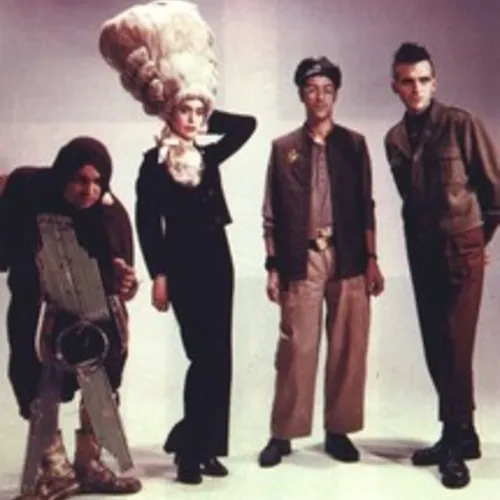
The Italian alt-rock band CCCP left behind the stereotypes of punk-rock with Affinita' Divergenze (1985) and Epica Etica Etnica Pathos (1990), and reached for a genre-defying convergence of hardcore, militant rock, industrial music and even chamber music while delivering a bleak vision of humankind.
Led by vocalist Giovanni Lindo Ferretti and guitarist Davide Zamboni, they introduced elements of expressionist theater, existentialist philosophy and industrial music into their early EPs: Ortodossia (Attack Punk, 1984), Ortodossia II (Attack Punk, 1984), and Compagni, Cittadini, Fratelli, Partigiani, (Attack Punk, 1985), which collects some of the former.
Affinita' Divergenze (Attack Punk, 1985) reduced the visceral impact of hardcore while focusing on the eerie contrast between a harsh but spare instrumental background and Ferretti's delirious cut-up texts and Brecht-ian delivery. An eclectic stylistic range (from erotic cabaret to folk ballad, from existential psychodrama to dance groove) helped craft an oppressing atmosphere of angst and boredom, particularly in the centerpiece, Emilia Paranoica.
Socialismo e Barbarie (Virgin, 1987) was a less cohesive work, that ran the gamut from Middle-Eastern music to the Soviet anthem, from Catholic hymns to feedback workouts. Canzoni, Preghiere, Danze del II Millennio (Virgin, 1989) replaced the original sociopolitical emphasis with mystical overtones (and their industrial hardcore with a far less revolutionary synth-pop). Technically speaking, CCCP reached their zenith with the sprawling Epica, Etica, Etnica, Pathos (Virgin, 1990), a Frank Zappa-esque stylistic puzzle that also stands as a personal musical encyclopedia, with complex and unpredictable suites such as Maciste Contro Tutti.
As the Soviet Union (CCCP) collapsed, Ferretti and Zamboni decided to shuffle the line-up and adopt a less political stance. The renamed C.S.I. (Consorzio Suonatori Indipendenti) debuted with a mediocre set of songs, Ko' de Mondo (Polygram, 1993), and rapidly evolved towards an intriguing form of (mostly drum-less) chamber rock music with Linea Gotica (Polygram, 1996). Unfortunately, Tabula Rasa Elettrificata (Polygram, 1997) simply aped the alt-rock fads of the moment.
After CSI disbanded, Ferretti debuted solo with Co-dex (2000), then formed Per Grazia Ricevuta and released PGR (2002) that steered towards world-music.
Led by vocalist Giovanni Lindo Ferretti and guitarist Davide Zamboni, they introduced elements of expressionist theater, existentialist philosophy and industrial music into their early EPs: Ortodossia (Attack Punk, 1984), Ortodossia II (Attack Punk, 1984), and Compagni, Cittadini, Fratelli, Partigiani, (Attack Punk, 1985), which collects some of the former.
Affinita' Divergenze (Attack Punk, 1985) reduced the visceral impact of hardcore while focusing on the eerie contrast between a harsh but spare instrumental background and Ferretti's delirious cut-up texts and Brecht-ian delivery. An eclectic stylistic range (from erotic cabaret to folk ballad, from existential psychodrama to dance groove) helped craft an oppressing atmosphere of angst and boredom, particularly in the centerpiece, Emilia Paranoica.
Socialismo e Barbarie (Virgin, 1987) was a less cohesive work, that ran the gamut from Middle-Eastern music to the Soviet anthem, from Catholic hymns to feedback workouts. Canzoni, Preghiere, Danze del II Millennio (Virgin, 1989) replaced the original sociopolitical emphasis with mystical overtones (and their industrial hardcore with a far less revolutionary synth-pop). Technically speaking, CCCP reached their zenith with the sprawling Epica, Etica, Etnica, Pathos (Virgin, 1990), a Frank Zappa-esque stylistic puzzle that also stands as a personal musical encyclopedia, with complex and unpredictable suites such as Maciste Contro Tutti.
As the Soviet Union (CCCP) collapsed, Ferretti and Zamboni decided to shuffle the line-up and adopt a less political stance. The renamed C.S.I. (Consorzio Suonatori Indipendenti) debuted with a mediocre set of songs, Ko' de Mondo (Polygram, 1993), and rapidly evolved towards an intriguing form of (mostly drum-less) chamber rock music with Linea Gotica (Polygram, 1996). Unfortunately, Tabula Rasa Elettrificata (Polygram, 1997) simply aped the alt-rock fads of the moment.
After CSI disbanded, Ferretti debuted solo with Co-dex (2000), then formed Per Grazia Ricevuta and released PGR (2002) that steered towards world-music.
Ver mais
Não há shows marcados
Envie uma solicitação para CCCP fazer um show na sua cidade
Solicitar um show
Artistas semelhantes em turnê
Shows anteriores
Sobre CCCP
CCCP
The Italian alt-rock band CCCP left behind the stereotypes of punk-rock with Affinita' Divergenze (1985) and Epica Etica Etnica Pathos (1990), and reached for a genre-defying convergence of hardcore, militant rock, industrial music and even chamber music while delivering a bleak vision of humankind.
Led by vocalist Giovanni Lindo Ferretti and guitarist Davide Zamboni, they introduced elements of expressionist theater, existentialist philosophy and industrial music into their early EPs: Ortodossia (Attack Punk, 1984), Ortodossia II (Attack Punk, 1984), and Compagni, Cittadini, Fratelli, Partigiani, (Attack Punk, 1985), which collects some of the former.
Affinita' Divergenze (Attack Punk, 1985) reduced the visceral impact of hardcore while focusing on the eerie contrast between a harsh but spare instrumental background and Ferretti's delirious cut-up texts and Brecht-ian delivery. An eclectic stylistic range (from erotic cabaret to folk ballad, from existential psychodrama to dance groove) helped craft an oppressing atmosphere of angst and boredom, particularly in the centerpiece, Emilia Paranoica.
Socialismo e Barbarie (Virgin, 1987) was a less cohesive work, that ran the gamut from Middle-Eastern music to the Soviet anthem, from Catholic hymns to feedback workouts. Canzoni, Preghiere, Danze del II Millennio (Virgin, 1989) replaced the original sociopolitical emphasis with mystical overtones (and their industrial hardcore with a far less revolutionary synth-pop). Technically speaking, CCCP reached their zenith with the sprawling Epica, Etica, Etnica, Pathos (Virgin, 1990), a Frank Zappa-esque stylistic puzzle that also stands as a personal musical encyclopedia, with complex and unpredictable suites such as Maciste Contro Tutti.
As the Soviet Union (CCCP) collapsed, Ferretti and Zamboni decided to shuffle the line-up and adopt a less political stance. The renamed C.S.I. (Consorzio Suonatori Indipendenti) debuted with a mediocre set of songs, Ko' de Mondo (Polygram, 1993), and rapidly evolved towards an intriguing form of (mostly drum-less) chamber rock music with Linea Gotica (Polygram, 1996). Unfortunately, Tabula Rasa Elettrificata (Polygram, 1997) simply aped the alt-rock fads of the moment.
After CSI disbanded, Ferretti debuted solo with Co-dex (2000), then formed Per Grazia Ricevuta and released PGR (2002) that steered towards world-music.
Led by vocalist Giovanni Lindo Ferretti and guitarist Davide Zamboni, they introduced elements of expressionist theater, existentialist philosophy and industrial music into their early EPs: Ortodossia (Attack Punk, 1984), Ortodossia II (Attack Punk, 1984), and Compagni, Cittadini, Fratelli, Partigiani, (Attack Punk, 1985), which collects some of the former.
Affinita' Divergenze (Attack Punk, 1985) reduced the visceral impact of hardcore while focusing on the eerie contrast between a harsh but spare instrumental background and Ferretti's delirious cut-up texts and Brecht-ian delivery. An eclectic stylistic range (from erotic cabaret to folk ballad, from existential psychodrama to dance groove) helped craft an oppressing atmosphere of angst and boredom, particularly in the centerpiece, Emilia Paranoica.
Socialismo e Barbarie (Virgin, 1987) was a less cohesive work, that ran the gamut from Middle-Eastern music to the Soviet anthem, from Catholic hymns to feedback workouts. Canzoni, Preghiere, Danze del II Millennio (Virgin, 1989) replaced the original sociopolitical emphasis with mystical overtones (and their industrial hardcore with a far less revolutionary synth-pop). Technically speaking, CCCP reached their zenith with the sprawling Epica, Etica, Etnica, Pathos (Virgin, 1990), a Frank Zappa-esque stylistic puzzle that also stands as a personal musical encyclopedia, with complex and unpredictable suites such as Maciste Contro Tutti.
As the Soviet Union (CCCP) collapsed, Ferretti and Zamboni decided to shuffle the line-up and adopt a less political stance. The renamed C.S.I. (Consorzio Suonatori Indipendenti) debuted with a mediocre set of songs, Ko' de Mondo (Polygram, 1993), and rapidly evolved towards an intriguing form of (mostly drum-less) chamber rock music with Linea Gotica (Polygram, 1996). Unfortunately, Tabula Rasa Elettrificata (Polygram, 1997) simply aped the alt-rock fads of the moment.
After CSI disbanded, Ferretti debuted solo with Co-dex (2000), then formed Per Grazia Ricevuta and released PGR (2002) that steered towards world-music.
Ver mais
Nunca perca outro show de CCCP.
Receba alertas sobre anúncios de turnês, ingressos para show e shows perto de você com uma conta gratuita do Bandsintown.
Vive a experiência completa com a app Bandsintown.
