Você tem bom gosto!
Inicie sessão para seguir seus artistas favoritos, salvar eventos e muito mais.

'%3e %3cpath d='M17.2 8.65233C17.2 3.87262 13.3508 0 8.6 0C3.84919 0 0 3.87262 0 8.65233C0 12.9785 3.12097 16.572 7.24758 17.2V11.1643H5.0629V8.65233H7.24758V6.76836C7.24758 4.60527 8.53065 3.38418 10.4726 3.38418C11.4435 3.38418 12.4145 3.55862 12.4145 3.55862V5.68682H11.3395C10.2645 5.68682 9.91774 6.3497 9.91774 7.04746V8.65233H12.3105L11.929 11.1643H9.91774V17.2C14.0444 16.572 17.2 12.9785 17.2 8.65233Z' fill='%236D6D6D'/%3e %3c/g%3e %3cdefs%3e %3cclipPath id='clip0_11991_110375'%3e %3crect width='17.2' height='17.2' fill='white'/%3e %3c/clipPath%3e %3c/defs%3e %3c/svg%3e)
'%3e %3cpath d='M13.546 0.716797H16.1835L10.4214 7.3954L17.2 16.4835H11.8924L7.73534 10.9716L2.97869 16.4835H0.339647L6.50272 9.33995L0 0.716797H5.44232L9.19996 5.75485L13.546 0.716797ZM12.6204 14.8825H14.0818L4.64822 2.23363H3.07994L12.6204 14.8825Z' fill='%236D6D6D'/%3e %3c/g%3e %3cdefs%3e %3cclipPath id='clip0_11991_110380'%3e %3crect width='17.2' height='17.2' fill='white'/%3e %3c/clipPath%3e %3c/defs%3e %3c/svg%3e)
'%3e %3cpath d='M8.6192 4.16563C6.16205 4.16563 4.20402 6.16205 4.20402 8.5808C4.20402 11.0379 6.16205 12.996 8.6192 12.996C11.0379 12.996 13.0344 11.0379 13.0344 8.5808C13.0344 6.16205 11.0379 4.16563 8.6192 4.16563ZM8.6192 11.4603C7.04509 11.4603 5.73973 10.1933 5.73973 8.5808C5.73973 7.0067 7.0067 5.73973 8.6192 5.73973C10.1933 5.73973 11.4603 7.0067 11.4603 8.5808C11.4603 10.1933 10.1933 11.4603 8.6192 11.4603ZM14.2246 4.01205C14.2246 4.58795 13.7638 5.04866 13.1879 5.04866C12.6121 5.04866 12.1513 4.58795 12.1513 4.01205C12.1513 3.43616 12.6121 2.97545 13.1879 2.97545C13.7638 2.97545 14.2246 3.43616 14.2246 4.01205ZM17.1424 5.04866C17.0656 3.66652 16.7585 2.43795 15.7603 1.43973C14.7621 0.441518 13.5335 0.134375 12.1513 0.0575893C10.7308 -0.0191964 6.4692 -0.0191964 5.04866 0.0575893C3.66652 0.134375 2.47634 0.441518 1.43973 1.43973C0.441518 2.43795 0.134375 3.66652 0.0575893 5.04866C-0.0191964 6.4692 -0.0191964 10.7308 0.0575893 12.1513C0.134375 13.5335 0.441518 14.7237 1.43973 15.7603C2.47634 16.7585 3.66652 17.0656 5.04866 17.1424C6.4692 17.2192 10.7308 17.2192 12.1513 17.1424C13.5335 17.0656 14.7621 16.7585 15.7603 15.7603C16.7585 14.7237 17.0656 13.5335 17.1424 12.1513C17.2192 10.7308 17.2192 6.4692 17.1424 5.04866ZM15.2996 13.6487C15.0308 14.4165 14.4165 14.9924 13.6871 15.2996C12.5353 15.7603 9.84777 15.6451 8.6192 15.6451C7.35223 15.6451 4.66473 15.7603 3.55134 15.2996C2.78348 14.9924 2.20759 14.4165 1.90045 13.6487C1.43973 12.5353 1.55491 9.84777 1.55491 8.5808C1.55491 7.35223 1.43973 4.66473 1.90045 3.51295C2.20759 2.78348 2.78348 2.20759 3.55134 1.90045C4.66473 1.43973 7.35223 1.55491 8.6192 1.55491C9.84777 1.55491 12.5353 1.43973 13.6871 1.90045C14.4165 2.1692 14.9924 2.78348 15.2996 3.51295C15.7603 4.66473 15.6451 7.35223 15.6451 8.5808C15.6451 9.84777 15.7603 12.5353 15.2996 13.6487Z' fill='%236D6D6D'/%3e %3c/g%3e %3cdefs%3e %3cclipPath id='clip0_11991_110387'%3e %3crect width='17.2' height='17.2' fill='white'/%3e %3c/clipPath%3e %3c/defs%3e %3c/svg%3e)


artista
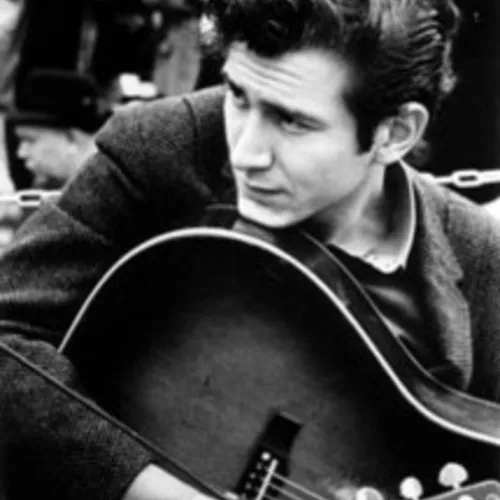
Phil Ochs
19,2 mil Seguidores
Artistas semelhantes em turnê
Merch de Phil Ochs
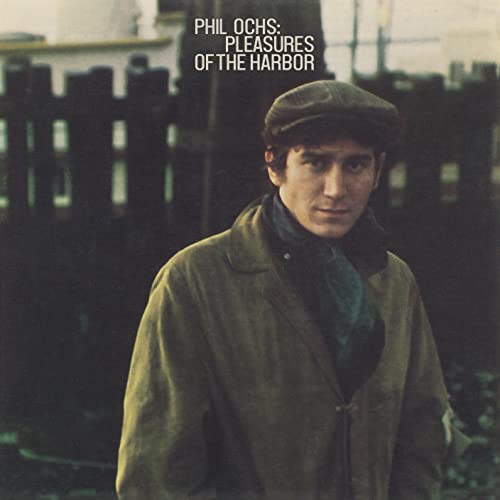
Pleasures Of The Harbor
$15.49

There But for
$16.81
 Ver mais na Amazon
Nunca perca outro show.
Encontre artistas semelhantes e receba alertas sobre anúncios de turnês, ingressos para show e shows perto de você com uma conta gratuita do Bandsintown.
Sobre Phil Ochs
Phil Ochs
Philip David Ochs (December 19, 1940–April 9, 1976) was a U.S. protest singer (or, as he preferred, a "topical singer"), songwriter, musician and recording artist who was known for his sharp wit, sardonic humor, earnest humanism, political activism, insightful and alliterative lyrics, and haunting voice. He wrote hundreds of songs in the 1960s and released eight LP record albums in his lifetime.
He performed at many political events, anti-Vietnam War and civil rights rallies, student events, and at organized labor events over the course of his career, in addition to many concert appearances at such venues as New York City's The Town Hall and Carnegie Hall. Politically, Ochs described himself as a "left social democrat" who turned into an "early revolutionary" after the 1968 Democratic National Convention in Chicago, which had a profound effect on his state of mind.[1] He was often seen as a radical and also a patriot — though he was also interested in differing political philosophies as well as journalism, and was an avid fan of music and movies.
After years of prolific writing in the 1960s, Ochs' mental stability declined in the 1970s and eventually he succumbed to a number of problems including bipolar disorder, depression, and alcoholism, and he took his own life in 1976.
Some of his major influences were Woody Guthrie (though he had never heard of him until his college roomate, Jim (Jim And Jean) played some of Woody's records[2]), Bob Dylan, Pete Seeger, Buddy Holly, Elvis Presley, Bob Gibson, Faron Young, Merle Haggard (as being 'the best right wing had'), John Wayne, and John F. Kennedy. His best known songs include "Power and the Glory", "Draft Dodger Rag", "There But for Fortune", "Changes", "Crucifixion, "When I'm Gone", "Love Me I'm a Liberal", "Links on the Chain", "Ringing of Revolution", "Outside of a Small Circle of Friends", and "I Ain't Marching Anymore".
He performed at many political events, anti-Vietnam War and civil rights rallies, student events, and at organized labor events over the course of his career, in addition to many concert appearances at such venues as New York City's The Town Hall and Carnegie Hall. Politically, Ochs described himself as a "left social democrat" who turned into an "early revolutionary" after the 1968 Democratic National Convention in Chicago, which had a profound effect on his state of mind.[1] He was often seen as a radical and also a patriot — though he was also interested in differing political philosophies as well as journalism, and was an avid fan of music and movies.
After years of prolific writing in the 1960s, Ochs' mental stability declined in the 1970s and eventually he succumbed to a number of problems including bipolar disorder, depression, and alcoholism, and he took his own life in 1976.
Some of his major influences were Woody Guthrie (though he had never heard of him until his college roomate, Jim (Jim And Jean) played some of Woody's records[2]), Bob Dylan, Pete Seeger, Buddy Holly, Elvis Presley, Bob Gibson, Faron Young, Merle Haggard (as being 'the best right wing had'), John Wayne, and John F. Kennedy. His best known songs include "Power and the Glory", "Draft Dodger Rag", "There But for Fortune", "Changes", "Crucifixion, "When I'm Gone", "Love Me I'm a Liberal", "Links on the Chain", "Ringing of Revolution", "Outside of a Small Circle of Friends", and "I Ain't Marching Anymore".
Ver mais
Artistas semelhantes em turnê
Merch de Phil Ochs
Pleasures Of The Harbor
$15.49
There But for
$16.81
Ver mais na AmazonSobre Phil Ochs
Phil Ochs
Philip David Ochs (December 19, 1940–April 9, 1976) was a U.S. protest singer (or, as he preferred, a "topical singer"), songwriter, musician and recording artist who was known for his sharp wit, sardonic humor, earnest humanism, political activism, insightful and alliterative lyrics, and haunting voice. He wrote hundreds of songs in the 1960s and released eight LP record albums in his lifetime.
He performed at many political events, anti-Vietnam War and civil rights rallies, student events, and at organized labor events over the course of his career, in addition to many concert appearances at such venues as New York City's The Town Hall and Carnegie Hall. Politically, Ochs described himself as a "left social democrat" who turned into an "early revolutionary" after the 1968 Democratic National Convention in Chicago, which had a profound effect on his state of mind.[1] He was often seen as a radical and also a patriot — though he was also interested in differing political philosophies as well as journalism, and was an avid fan of music and movies.
After years of prolific writing in the 1960s, Ochs' mental stability declined in the 1970s and eventually he succumbed to a number of problems including bipolar disorder, depression, and alcoholism, and he took his own life in 1976.
Some of his major influences were Woody Guthrie (though he had never heard of him until his college roomate, Jim (Jim And Jean) played some of Woody's records[2]), Bob Dylan, Pete Seeger, Buddy Holly, Elvis Presley, Bob Gibson, Faron Young, Merle Haggard (as being 'the best right wing had'), John Wayne, and John F. Kennedy. His best known songs include "Power and the Glory", "Draft Dodger Rag", "There But for Fortune", "Changes", "Crucifixion, "When I'm Gone", "Love Me I'm a Liberal", "Links on the Chain", "Ringing of Revolution", "Outside of a Small Circle of Friends", and "I Ain't Marching Anymore".
He performed at many political events, anti-Vietnam War and civil rights rallies, student events, and at organized labor events over the course of his career, in addition to many concert appearances at such venues as New York City's The Town Hall and Carnegie Hall. Politically, Ochs described himself as a "left social democrat" who turned into an "early revolutionary" after the 1968 Democratic National Convention in Chicago, which had a profound effect on his state of mind.[1] He was often seen as a radical and also a patriot — though he was also interested in differing political philosophies as well as journalism, and was an avid fan of music and movies.
After years of prolific writing in the 1960s, Ochs' mental stability declined in the 1970s and eventually he succumbed to a number of problems including bipolar disorder, depression, and alcoholism, and he took his own life in 1976.
Some of his major influences were Woody Guthrie (though he had never heard of him until his college roomate, Jim (Jim And Jean) played some of Woody's records[2]), Bob Dylan, Pete Seeger, Buddy Holly, Elvis Presley, Bob Gibson, Faron Young, Merle Haggard (as being 'the best right wing had'), John Wayne, and John F. Kennedy. His best known songs include "Power and the Glory", "Draft Dodger Rag", "There But for Fortune", "Changes", "Crucifixion, "When I'm Gone", "Love Me I'm a Liberal", "Links on the Chain", "Ringing of Revolution", "Outside of a Small Circle of Friends", and "I Ain't Marching Anymore".
Ver mais
Nunca perca outro show.
Encontre artistas semelhantes e receba alertas sobre anúncios de turnês, ingressos para show e shows perto de você com uma conta gratuita do Bandsintown.