Você tem bom gosto!
Inicie sessão para seguir seus artistas favoritos, salvar eventos e muito mais.
Encontre datas da turnê e eventos de música ao vivo para todas as suas bandas e artistas favoritos em sua cidade. Receba ingressos para shows, notícias, e confirme a presença nos shows com Bandsintown.

'%3e %3cpath d='M17.2 8.65233C17.2 3.87262 13.3508 0 8.6 0C3.84919 0 0 3.87262 0 8.65233C0 12.9785 3.12097 16.572 7.24758 17.2V11.1643H5.0629V8.65233H7.24758V6.76836C7.24758 4.60527 8.53065 3.38418 10.4726 3.38418C11.4435 3.38418 12.4145 3.55862 12.4145 3.55862V5.68682H11.3395C10.2645 5.68682 9.91774 6.3497 9.91774 7.04746V8.65233H12.3105L11.929 11.1643H9.91774V17.2C14.0444 16.572 17.2 12.9785 17.2 8.65233Z' fill='%236D6D6D'/%3e %3c/g%3e %3cdefs%3e %3cclipPath id='clip0_11991_110375'%3e %3crect width='17.2' height='17.2' fill='white'/%3e %3c/clipPath%3e %3c/defs%3e %3c/svg%3e)
'%3e %3cpath d='M13.546 0.716797H16.1835L10.4214 7.3954L17.2 16.4835H11.8924L7.73534 10.9716L2.97869 16.4835H0.339647L6.50272 9.33995L0 0.716797H5.44232L9.19996 5.75485L13.546 0.716797ZM12.6204 14.8825H14.0818L4.64822 2.23363H3.07994L12.6204 14.8825Z' fill='%236D6D6D'/%3e %3c/g%3e %3cdefs%3e %3cclipPath id='clip0_11991_110380'%3e %3crect width='17.2' height='17.2' fill='white'/%3e %3c/clipPath%3e %3c/defs%3e %3c/svg%3e)
'%3e %3cpath d='M8.6192 4.16563C6.16205 4.16563 4.20402 6.16205 4.20402 8.5808C4.20402 11.0379 6.16205 12.996 8.6192 12.996C11.0379 12.996 13.0344 11.0379 13.0344 8.5808C13.0344 6.16205 11.0379 4.16563 8.6192 4.16563ZM8.6192 11.4603C7.04509 11.4603 5.73973 10.1933 5.73973 8.5808C5.73973 7.0067 7.0067 5.73973 8.6192 5.73973C10.1933 5.73973 11.4603 7.0067 11.4603 8.5808C11.4603 10.1933 10.1933 11.4603 8.6192 11.4603ZM14.2246 4.01205C14.2246 4.58795 13.7638 5.04866 13.1879 5.04866C12.6121 5.04866 12.1513 4.58795 12.1513 4.01205C12.1513 3.43616 12.6121 2.97545 13.1879 2.97545C13.7638 2.97545 14.2246 3.43616 14.2246 4.01205ZM17.1424 5.04866C17.0656 3.66652 16.7585 2.43795 15.7603 1.43973C14.7621 0.441518 13.5335 0.134375 12.1513 0.0575893C10.7308 -0.0191964 6.4692 -0.0191964 5.04866 0.0575893C3.66652 0.134375 2.47634 0.441518 1.43973 1.43973C0.441518 2.43795 0.134375 3.66652 0.0575893 5.04866C-0.0191964 6.4692 -0.0191964 10.7308 0.0575893 12.1513C0.134375 13.5335 0.441518 14.7237 1.43973 15.7603C2.47634 16.7585 3.66652 17.0656 5.04866 17.1424C6.4692 17.2192 10.7308 17.2192 12.1513 17.1424C13.5335 17.0656 14.7621 16.7585 15.7603 15.7603C16.7585 14.7237 17.0656 13.5335 17.1424 12.1513C17.2192 10.7308 17.2192 6.4692 17.1424 5.04866ZM15.2996 13.6487C15.0308 14.4165 14.4165 14.9924 13.6871 15.2996C12.5353 15.7603 9.84777 15.6451 8.6192 15.6451C7.35223 15.6451 4.66473 15.7603 3.55134 15.2996C2.78348 14.9924 2.20759 14.4165 1.90045 13.6487C1.43973 12.5353 1.55491 9.84777 1.55491 8.5808C1.55491 7.35223 1.43973 4.66473 1.90045 3.51295C2.20759 2.78348 2.78348 2.20759 3.55134 1.90045C4.66473 1.43973 7.35223 1.55491 8.6192 1.55491C9.84777 1.55491 12.5353 1.43973 13.6871 1.90045C14.4165 2.1692 14.9924 2.78348 15.2996 3.51295C15.7603 4.66473 15.6451 7.35223 15.6451 8.5808C15.6451 9.84777 15.7603 12.5353 15.2996 13.6487Z' fill='%236D6D6D'/%3e %3c/g%3e %3cdefs%3e %3cclipPath id='clip0_11991_110387'%3e %3crect width='17.2' height='17.2' fill='white'/%3e %3c/clipPath%3e %3c/defs%3e %3c/svg%3e)


artista
Harry Manx
Em DigressãoVerificado
24,1 mil Seguidores•49 próximos shows
Não há shows marcados na sua cidade
Envie uma solicitação para Harry Manx fazer um show na sua cidade
Solicitar um show
Todos os eventos e transmissões ao vivo
SET
17
QUI
SET
19
SÁB
SET
20
DOM
SET
22
TER
Turnê de Harry Manx
Os fãs também seguem
Nunca perca outro show de Harry Manx.
Receba alertas sobre anúncios de turnês, ingressos para show e shows perto de você com uma conta gratuita do Bandsintown.
Sobre Harry Manx
Harry Manx
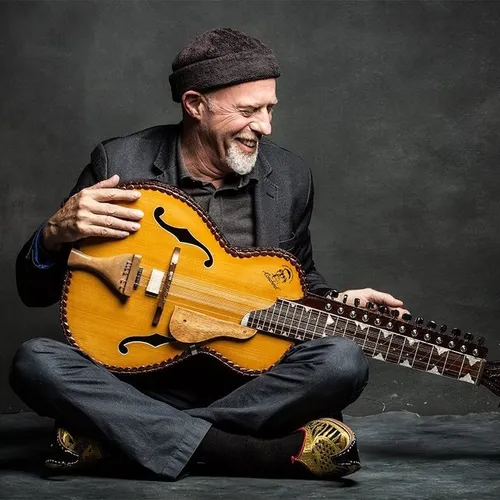
Harry forged this distinctive style by studying at the feet of the masters, first as a sound man in the blues clubs of Toronto during his formative years and then under a rigorous five-year tutelage with Vishwa Mohan Bhatt in India. Bhatt is the inventor of the 20-stringed Mohan Veena, which has become Harry’s signature instrument.
Even though he had played slide guitar for many years before arriving in India, he started back at the beginning under Bhatt’s tutelage, even re-learning how to hold the bar. From there, Manx learned Eastern scales and eventually ragas, deceptively complex and regimented musical patterns that form the basis of Indian composition.
He spent three to four hours each morning practicing in Bhatt’s home before returning that evening for a jam session with the tutor, his sons and various other fellow musicians. “Sometimes I’d throw in some blues licks in the middle,” he says, “and everyone would fall over laughing and enjoying themselves. And I thought if I can get Indian people to enjoy Western music like that, then maybe I could get Westerners to enjoy Indian music, too.” Harry decided to explore this thread of connection between the two musical traditions.
His signature style follows in the footsteps of such pioneering work as that of Joe Harriott and John Mayer and their Indo-Jazz Fusions in the 60s, John McLaughlin’s work with Shakti in the 70s, and Ashwan Batish’s innovative Sitar Power debut in 1987. Manx’s Indo-blues hybrid seems destined to be the most universally appealing yet.
Born on the Isle of Man, Manx immigrated to Ontario with his parents when he was six years old. He started doing sound at age 15 and gradually worked his way up to becoming a regular sound man at the well-known El Mocambo club in Toronto, where he worked with a slew of blues legends. While Manx doesn’t consider himself to be a blues artist per se, he does admit that blues is at the heart of much of his work. “I’ve always had one foot in the blues from those days … what I got from those artists is a groove that’s fairly similar to theirs. That’s what I’m particularly interested in … the groove, and that’s the way I play blues today”
Even though he had played slide guitar for many years before arriving in India, he started back at the beginning under Bhatt’s tutelage, even re-learning how to hold the bar. From there, Manx learned Eastern scales and eventually ragas, deceptively complex and regimented musical patterns that form the basis of Indian composition.
He spent three to four hours each morning practicing in Bhatt’s home before returning that evening for a jam session with the tutor, his sons and various other fellow musicians. “Sometimes I’d throw in some blues licks in the middle,” he says, “and everyone would fall over laughing and enjoying themselves. And I thought if I can get Indian people to enjoy Western music like that, then maybe I could get Westerners to enjoy Indian music, too.” Harry decided to explore this thread of connection between the two musical traditions.
His signature style follows in the footsteps of such pioneering work as that of Joe Harriott and John Mayer and their Indo-Jazz Fusions in the 60s, John McLaughlin’s work with Shakti in the 70s, and Ashwan Batish’s innovative Sitar Power debut in 1987. Manx’s Indo-blues hybrid seems destined to be the most universally appealing yet.
Born on the Isle of Man, Manx immigrated to Ontario with his parents when he was six years old. He started doing sound at age 15 and gradually worked his way up to becoming a regular sound man at the well-known El Mocambo club in Toronto, where he worked with a slew of blues legends. While Manx doesn’t consider himself to be a blues artist per se, he does admit that blues is at the heart of much of his work. “I’ve always had one foot in the blues from those days … what I got from those artists is a groove that’s fairly similar to theirs. That’s what I’m particularly interested in … the groove, and that’s the way I play blues today”
Ver mais
Géneros:
Blues, Folk, Indian Classical
Cidade natal:
Salt Spring Island, Canada
Não há shows marcados na sua cidade
Envie uma solicitação para Harry Manx fazer um show na sua cidade
Solicitar um show
Todos os eventos e transmissões ao vivo
SET
17
QUI
SET
19
SÁB
SET
20
DOM
SET
22
TER
Turnê de Harry Manx
Sobre Harry Manx
Harry Manx
Harry forged this distinctive style by studying at the feet of the masters, first as a sound man in the blues clubs of Toronto during his formative years and then under a rigorous five-year tutelage with Vishwa Mohan Bhatt in India. Bhatt is the inventor of the 20-stringed Mohan Veena, which has become Harry’s signature instrument.
Even though he had played slide guitar for many years before arriving in India, he started back at the beginning under Bhatt’s tutelage, even re-learning how to hold the bar. From there, Manx learned Eastern scales and eventually ragas, deceptively complex and regimented musical patterns that form the basis of Indian composition.
He spent three to four hours each morning practicing in Bhatt’s home before returning that evening for a jam session with the tutor, his sons and various other fellow musicians. “Sometimes I’d throw in some blues licks in the middle,” he says, “and everyone would fall over laughing and enjoying themselves. And I thought if I can get Indian people to enjoy Western music like that, then maybe I could get Westerners to enjoy Indian music, too.” Harry decided to explore this thread of connection between the two musical traditions.
His signature style follows in the footsteps of such pioneering work as that of Joe Harriott and John Mayer and their Indo-Jazz Fusions in the 60s, John McLaughlin’s work with Shakti in the 70s, and Ashwan Batish’s innovative Sitar Power debut in 1987. Manx’s Indo-blues hybrid seems destined to be the most universally appealing yet.
Born on the Isle of Man, Manx immigrated to Ontario with his parents when he was six years old. He started doing sound at age 15 and gradually worked his way up to becoming a regular sound man at the well-known El Mocambo club in Toronto, where he worked with a slew of blues legends. While Manx doesn’t consider himself to be a blues artist per se, he does admit that blues is at the heart of much of his work. “I’ve always had one foot in the blues from those days … what I got from those artists is a groove that’s fairly similar to theirs. That’s what I’m particularly interested in … the groove, and that’s the way I play blues today”
Even though he had played slide guitar for many years before arriving in India, he started back at the beginning under Bhatt’s tutelage, even re-learning how to hold the bar. From there, Manx learned Eastern scales and eventually ragas, deceptively complex and regimented musical patterns that form the basis of Indian composition.
He spent three to four hours each morning practicing in Bhatt’s home before returning that evening for a jam session with the tutor, his sons and various other fellow musicians. “Sometimes I’d throw in some blues licks in the middle,” he says, “and everyone would fall over laughing and enjoying themselves. And I thought if I can get Indian people to enjoy Western music like that, then maybe I could get Westerners to enjoy Indian music, too.” Harry decided to explore this thread of connection between the two musical traditions.
His signature style follows in the footsteps of such pioneering work as that of Joe Harriott and John Mayer and their Indo-Jazz Fusions in the 60s, John McLaughlin’s work with Shakti in the 70s, and Ashwan Batish’s innovative Sitar Power debut in 1987. Manx’s Indo-blues hybrid seems destined to be the most universally appealing yet.
Born on the Isle of Man, Manx immigrated to Ontario with his parents when he was six years old. He started doing sound at age 15 and gradually worked his way up to becoming a regular sound man at the well-known El Mocambo club in Toronto, where he worked with a slew of blues legends. While Manx doesn’t consider himself to be a blues artist per se, he does admit that blues is at the heart of much of his work. “I’ve always had one foot in the blues from those days … what I got from those artists is a groove that’s fairly similar to theirs. That’s what I’m particularly interested in … the groove, and that’s the way I play blues today”
Ver mais
Géneros:
Blues, Folk, Indian Classical
Cidade natal:
Salt Spring Island, Canada
Os fãs também seguem
Nunca perca outro show de Harry Manx.
Receba alertas sobre anúncios de turnês, ingressos para show e shows perto de você com uma conta gratuita do Bandsintown.
Vive a experiência completa com a app Bandsintown.

Fotos ao Vivo


O que os fãs estão dizendo
Absolutely loved the setting and all its ambience. The sound system was awesome for such a intimate environment and Harry's guitar skills were excellent as was his melodies. Loved the combination of his keyboard backup and timeless songs. To top it all, some amusing stories between songs made the time spent with Harry fly past way to quickly. Highly recommended.
7 de setembro de 2026·Okotoks, AB

Mike
Always one to tell a humorous story, strum unique instruments and play his heart out, Harry put on a great show. A surprise of the night was his accompanist, Clayton Doley, a super star Australian organist who received much audience applause for his keyboard work. A fun night for all.
28 de agosto de 2026·Abbotsford, BC
Brian
Harry is magic to see. Such a great concert his new cd is awesome. Harry is as good today as he was 25yrs ago in the fulford hall on salt spring. So nice to have him play in Sooke and bring a little of the island to us. Don't miss seeing this island treasure if you can.
15 de agosto de 2026·Duncan, BC

Gayle


Fotos ao Vivo
O que os fãs estão dizendo
Absolutely loved the setting and all its ambience. The sound system was awesome for such a intimate environment and Harry's guitar skills were excellent as was his melodies. Loved the combination of his keyboard backup and timeless songs. To top it all, some amusing stories between songs made the time spent with Harry fly past way to quickly. Highly recommended.
7 de setembro de 2026·Okotoks, AB
Mike
Always one to tell a humorous story, strum unique instruments and play his heart out, Harry put on a great show. A surprise of the night was his accompanist, Clayton Doley, a super star Australian organist who received much audience applause for his keyboard work. A fun night for all.
28 de agosto de 2026·Abbotsford, BC
Brian
Harry is magic to see. Such a great concert his new cd is awesome. Harry is as good today as he was 25yrs ago in the fulford hall on salt spring. So nice to have him play in Sooke and bring a little of the island to us. Don't miss seeing this island treasure if you can.
15 de agosto de 2026·Duncan, BC
Gayle