Você tem bom gosto!
Inicie sessão para seguir seus artistas favoritos, salvar eventos e muito mais.

'%3e %3cpath d='M17.2 8.65233C17.2 3.87262 13.3508 0 8.6 0C3.84919 0 0 3.87262 0 8.65233C0 12.9785 3.12097 16.572 7.24758 17.2V11.1643H5.0629V8.65233H7.24758V6.76836C7.24758 4.60527 8.53065 3.38418 10.4726 3.38418C11.4435 3.38418 12.4145 3.55862 12.4145 3.55862V5.68682H11.3395C10.2645 5.68682 9.91774 6.3497 9.91774 7.04746V8.65233H12.3105L11.929 11.1643H9.91774V17.2C14.0444 16.572 17.2 12.9785 17.2 8.65233Z' fill='%236D6D6D'/%3e %3c/g%3e %3cdefs%3e %3cclipPath id='clip0_11991_110375'%3e %3crect width='17.2' height='17.2' fill='white'/%3e %3c/clipPath%3e %3c/defs%3e %3c/svg%3e)
'%3e %3cpath d='M13.546 0.716797H16.1835L10.4214 7.3954L17.2 16.4835H11.8924L7.73534 10.9716L2.97869 16.4835H0.339647L6.50272 9.33995L0 0.716797H5.44232L9.19996 5.75485L13.546 0.716797ZM12.6204 14.8825H14.0818L4.64822 2.23363H3.07994L12.6204 14.8825Z' fill='%236D6D6D'/%3e %3c/g%3e %3cdefs%3e %3cclipPath id='clip0_11991_110380'%3e %3crect width='17.2' height='17.2' fill='white'/%3e %3c/clipPath%3e %3c/defs%3e %3c/svg%3e)
'%3e %3cpath d='M8.6192 4.16563C6.16205 4.16563 4.20402 6.16205 4.20402 8.5808C4.20402 11.0379 6.16205 12.996 8.6192 12.996C11.0379 12.996 13.0344 11.0379 13.0344 8.5808C13.0344 6.16205 11.0379 4.16563 8.6192 4.16563ZM8.6192 11.4603C7.04509 11.4603 5.73973 10.1933 5.73973 8.5808C5.73973 7.0067 7.0067 5.73973 8.6192 5.73973C10.1933 5.73973 11.4603 7.0067 11.4603 8.5808C11.4603 10.1933 10.1933 11.4603 8.6192 11.4603ZM14.2246 4.01205C14.2246 4.58795 13.7638 5.04866 13.1879 5.04866C12.6121 5.04866 12.1513 4.58795 12.1513 4.01205C12.1513 3.43616 12.6121 2.97545 13.1879 2.97545C13.7638 2.97545 14.2246 3.43616 14.2246 4.01205ZM17.1424 5.04866C17.0656 3.66652 16.7585 2.43795 15.7603 1.43973C14.7621 0.441518 13.5335 0.134375 12.1513 0.0575893C10.7308 -0.0191964 6.4692 -0.0191964 5.04866 0.0575893C3.66652 0.134375 2.47634 0.441518 1.43973 1.43973C0.441518 2.43795 0.134375 3.66652 0.0575893 5.04866C-0.0191964 6.4692 -0.0191964 10.7308 0.0575893 12.1513C0.134375 13.5335 0.441518 14.7237 1.43973 15.7603C2.47634 16.7585 3.66652 17.0656 5.04866 17.1424C6.4692 17.2192 10.7308 17.2192 12.1513 17.1424C13.5335 17.0656 14.7621 16.7585 15.7603 15.7603C16.7585 14.7237 17.0656 13.5335 17.1424 12.1513C17.2192 10.7308 17.2192 6.4692 17.1424 5.04866ZM15.2996 13.6487C15.0308 14.4165 14.4165 14.9924 13.6871 15.2996C12.5353 15.7603 9.84777 15.6451 8.6192 15.6451C7.35223 15.6451 4.66473 15.7603 3.55134 15.2996C2.78348 14.9924 2.20759 14.4165 1.90045 13.6487C1.43973 12.5353 1.55491 9.84777 1.55491 8.5808C1.55491 7.35223 1.43973 4.66473 1.90045 3.51295C2.20759 2.78348 2.78348 2.20759 3.55134 1.90045C4.66473 1.43973 7.35223 1.55491 8.6192 1.55491C9.84777 1.55491 12.5353 1.43973 13.6871 1.90045C14.4165 2.1692 14.9924 2.78348 15.2996 3.51295C15.7603 4.66473 15.6451 7.35223 15.6451 8.5808C15.6451 9.84777 15.7603 12.5353 15.2996 13.6487Z' fill='%236D6D6D'/%3e %3c/g%3e %3cdefs%3e %3cclipPath id='clip0_11991_110387'%3e %3crect width='17.2' height='17.2' fill='white'/%3e %3c/clipPath%3e %3c/defs%3e %3c/svg%3e)


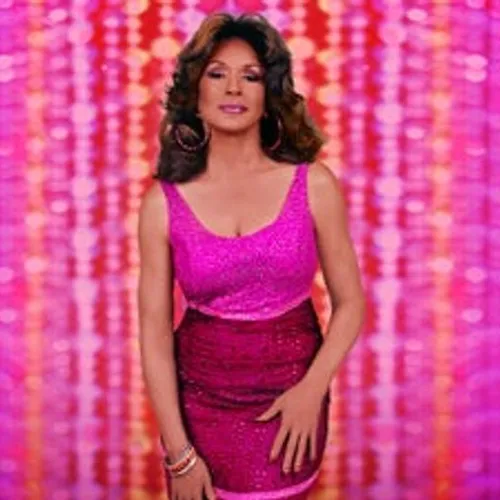
artista
Freda Payne
Em DigressãoVerificado
17,1 mil Seguidores•1 próximo show
Não há shows marcados na sua cidade
Envie uma solicitação para Freda Payne fazer um show na sua cidade
Solicitar um show
Todos os eventos e transmissões ao vivo
JAN
08
SEX
2027
Turnê de Freda Payne
Os fãs também seguem
Nunca perca outro show de Freda Payne.
Receba alertas sobre anúncios de turnês, ingressos para show e shows perto de você com uma conta gratuita do Bandsintown.
Sobre Freda Payne
Freda Payne
Freda Charcelia Payne (born September 19, 1942 in Detroit, Michigan) is an African-American singer and actress.
As a teenager, she attended the Institute of Musical Arts; she soon began singing radio commercial jingles and took part in (and won many of) local TV and radio talent shows. In 1963, she moved to New York City and worked with many different singers including Quincy Jones, Pearl Bailey, and Bill Cosby. During that same year, her debut album (of jazz), After the Lights Go Down Low and Much More!!!, was released on the Impulse! label. Three years later, she released her second album of jazz, How Do You Say I Don't Love You Anymore, for MGM Records.
In 1969, her old friends back home in Detroit, Brian Holland, Lamont Dozier, and Edward Holland, Jr., persuaded her to sign with their newly-formed record label Invictus. During that same year, her first Invictus single, "Unhooked Generation" (a minor R&B hit), was released. Shortly thereafter, songwriters Edythe Wayne and Ron Dunbar offered her a song entitled "Band of Gold". Almost immediately, in early 1970, the song became an instant pop smash reaching #3 in the US and #1 in the UK; it also gave Payne her first gold record. An album of the same name proved to be fairly successful as well. Other Invictus singles included "Deeper and Deeper", "You Brought the Joy", and the Vietnam protest song "Bring the Boys Home" (#12, 1971; her second gold record). Her other Invictus albums were Contact (1971), The Best of Freda Payne (1972, a compilation which included four new, unissued songs), and her last Invictus album Reaching Out (1973).
In 1973, being dissatisfied with her royalties (which were very low to begin with), she left Invictus and recorded albums for ABC/Dunhill and Capitol, but she never found the commercial success she had with Invictus.
As a teenager, she attended the Institute of Musical Arts; she soon began singing radio commercial jingles and took part in (and won many of) local TV and radio talent shows. In 1963, she moved to New York City and worked with many different singers including Quincy Jones, Pearl Bailey, and Bill Cosby. During that same year, her debut album (of jazz), After the Lights Go Down Low and Much More!!!, was released on the Impulse! label. Three years later, she released her second album of jazz, How Do You Say I Don't Love You Anymore, for MGM Records.
In 1969, her old friends back home in Detroit, Brian Holland, Lamont Dozier, and Edward Holland, Jr., persuaded her to sign with their newly-formed record label Invictus. During that same year, her first Invictus single, "Unhooked Generation" (a minor R&B hit), was released. Shortly thereafter, songwriters Edythe Wayne and Ron Dunbar offered her a song entitled "Band of Gold". Almost immediately, in early 1970, the song became an instant pop smash reaching #3 in the US and #1 in the UK; it also gave Payne her first gold record. An album of the same name proved to be fairly successful as well. Other Invictus singles included "Deeper and Deeper", "You Brought the Joy", and the Vietnam protest song "Bring the Boys Home" (#12, 1971; her second gold record). Her other Invictus albums were Contact (1971), The Best of Freda Payne (1972, a compilation which included four new, unissued songs), and her last Invictus album Reaching Out (1973).
In 1973, being dissatisfied with her royalties (which were very low to begin with), she left Invictus and recorded albums for ABC/Dunhill and Capitol, but she never found the commercial success she had with Invictus.
Ver mais
Géneros:
Jazz, Smooth Jazz, Soul, Disco, R&b, Rnb-soul, R&b/soul
Não há shows marcados na sua cidade
Envie uma solicitação para Freda Payne fazer um show na sua cidade
Solicitar um show
Todos os eventos e transmissões ao vivo
JAN
08
SEX
2027
Turnê de Freda Payne
Sobre Freda Payne
Freda Payne
Freda Charcelia Payne (born September 19, 1942 in Detroit, Michigan) is an African-American singer and actress.
As a teenager, she attended the Institute of Musical Arts; she soon began singing radio commercial jingles and took part in (and won many of) local TV and radio talent shows. In 1963, she moved to New York City and worked with many different singers including Quincy Jones, Pearl Bailey, and Bill Cosby. During that same year, her debut album (of jazz), After the Lights Go Down Low and Much More!!!, was released on the Impulse! label. Three years later, she released her second album of jazz, How Do You Say I Don't Love You Anymore, for MGM Records.
In 1969, her old friends back home in Detroit, Brian Holland, Lamont Dozier, and Edward Holland, Jr., persuaded her to sign with their newly-formed record label Invictus. During that same year, her first Invictus single, "Unhooked Generation" (a minor R&B hit), was released. Shortly thereafter, songwriters Edythe Wayne and Ron Dunbar offered her a song entitled "Band of Gold". Almost immediately, in early 1970, the song became an instant pop smash reaching #3 in the US and #1 in the UK; it also gave Payne her first gold record. An album of the same name proved to be fairly successful as well. Other Invictus singles included "Deeper and Deeper", "You Brought the Joy", and the Vietnam protest song "Bring the Boys Home" (#12, 1971; her second gold record). Her other Invictus albums were Contact (1971), The Best of Freda Payne (1972, a compilation which included four new, unissued songs), and her last Invictus album Reaching Out (1973).
In 1973, being dissatisfied with her royalties (which were very low to begin with), she left Invictus and recorded albums for ABC/Dunhill and Capitol, but she never found the commercial success she had with Invictus.
As a teenager, she attended the Institute of Musical Arts; she soon began singing radio commercial jingles and took part in (and won many of) local TV and radio talent shows. In 1963, she moved to New York City and worked with many different singers including Quincy Jones, Pearl Bailey, and Bill Cosby. During that same year, her debut album (of jazz), After the Lights Go Down Low and Much More!!!, was released on the Impulse! label. Three years later, she released her second album of jazz, How Do You Say I Don't Love You Anymore, for MGM Records.
In 1969, her old friends back home in Detroit, Brian Holland, Lamont Dozier, and Edward Holland, Jr., persuaded her to sign with their newly-formed record label Invictus. During that same year, her first Invictus single, "Unhooked Generation" (a minor R&B hit), was released. Shortly thereafter, songwriters Edythe Wayne and Ron Dunbar offered her a song entitled "Band of Gold". Almost immediately, in early 1970, the song became an instant pop smash reaching #3 in the US and #1 in the UK; it also gave Payne her first gold record. An album of the same name proved to be fairly successful as well. Other Invictus singles included "Deeper and Deeper", "You Brought the Joy", and the Vietnam protest song "Bring the Boys Home" (#12, 1971; her second gold record). Her other Invictus albums were Contact (1971), The Best of Freda Payne (1972, a compilation which included four new, unissued songs), and her last Invictus album Reaching Out (1973).
In 1973, being dissatisfied with her royalties (which were very low to begin with), she left Invictus and recorded albums for ABC/Dunhill and Capitol, but she never found the commercial success she had with Invictus.
Ver mais
Géneros:
Jazz, Smooth Jazz, Soul, Disco, R&b, Rnb-soul, R&b/soul
Os fãs também seguem
Nunca perca outro show de Freda Payne.
Receba alertas sobre anúncios de turnês, ingressos para show e shows perto de você com uma conta gratuita do Bandsintown.
Vive a experiência completa com a app Bandsintown.

O que os fãs estão dizendo
Even as Freda Payne has sustained her voice for more than 60 years, at Blues Alley yesterday she sustained her voice for more than an hour of musical excellence, both expressive and technical. And great announcing by Jacob: engaging, authoritative, enhanced by appropriate humor.
28 de janeiro de 2025·Washington, DC

Hank
She was as fantastic as always! The legendary lady of age 82 performed a very vibrant and awesome show for 90 minutes. 5 STARS!!!
17 de janeiro de 2025·Los Angeles, CA
Donald
O que os fãs estão dizendo
Even as Freda Payne has sustained her voice for more than 60 years, at Blues Alley yesterday she sustained her voice for more than an hour of musical excellence, both expressive and technical. And great announcing by Jacob: engaging, authoritative, enhanced by appropriate humor.
28 de janeiro de 2025·Washington, DC
Hank
She was as fantastic as always! The legendary lady of age 82 performed a very vibrant and awesome show for 90 minutes. 5 STARS!!!
17 de janeiro de 2025·Los Angeles, CA
Donald