Você tem bom gosto!
Inicie sessão para seguir seus artistas favoritos, salvar eventos e muito mais.
Encontre datas da turnê e eventos de música ao vivo para todas as suas bandas e artistas favoritos em sua cidade. Receba ingressos para shows, notícias, e confirme a presença nos shows com Bandsintown.

'%3e %3cpath d='M17.2 8.65233C17.2 3.87262 13.3508 0 8.6 0C3.84919 0 0 3.87262 0 8.65233C0 12.9785 3.12097 16.572 7.24758 17.2V11.1643H5.0629V8.65233H7.24758V6.76836C7.24758 4.60527 8.53065 3.38418 10.4726 3.38418C11.4435 3.38418 12.4145 3.55862 12.4145 3.55862V5.68682H11.3395C10.2645 5.68682 9.91774 6.3497 9.91774 7.04746V8.65233H12.3105L11.929 11.1643H9.91774V17.2C14.0444 16.572 17.2 12.9785 17.2 8.65233Z' fill='%236D6D6D'/%3e %3c/g%3e %3cdefs%3e %3cclipPath id='clip0_11991_110375'%3e %3crect width='17.2' height='17.2' fill='white'/%3e %3c/clipPath%3e %3c/defs%3e %3c/svg%3e)
'%3e %3cpath d='M13.546 0.716797H16.1835L10.4214 7.3954L17.2 16.4835H11.8924L7.73534 10.9716L2.97869 16.4835H0.339647L6.50272 9.33995L0 0.716797H5.44232L9.19996 5.75485L13.546 0.716797ZM12.6204 14.8825H14.0818L4.64822 2.23363H3.07994L12.6204 14.8825Z' fill='%236D6D6D'/%3e %3c/g%3e %3cdefs%3e %3cclipPath id='clip0_11991_110380'%3e %3crect width='17.2' height='17.2' fill='white'/%3e %3c/clipPath%3e %3c/defs%3e %3c/svg%3e)
'%3e %3cpath d='M8.6192 4.16563C6.16205 4.16563 4.20402 6.16205 4.20402 8.5808C4.20402 11.0379 6.16205 12.996 8.6192 12.996C11.0379 12.996 13.0344 11.0379 13.0344 8.5808C13.0344 6.16205 11.0379 4.16563 8.6192 4.16563ZM8.6192 11.4603C7.04509 11.4603 5.73973 10.1933 5.73973 8.5808C5.73973 7.0067 7.0067 5.73973 8.6192 5.73973C10.1933 5.73973 11.4603 7.0067 11.4603 8.5808C11.4603 10.1933 10.1933 11.4603 8.6192 11.4603ZM14.2246 4.01205C14.2246 4.58795 13.7638 5.04866 13.1879 5.04866C12.6121 5.04866 12.1513 4.58795 12.1513 4.01205C12.1513 3.43616 12.6121 2.97545 13.1879 2.97545C13.7638 2.97545 14.2246 3.43616 14.2246 4.01205ZM17.1424 5.04866C17.0656 3.66652 16.7585 2.43795 15.7603 1.43973C14.7621 0.441518 13.5335 0.134375 12.1513 0.0575893C10.7308 -0.0191964 6.4692 -0.0191964 5.04866 0.0575893C3.66652 0.134375 2.47634 0.441518 1.43973 1.43973C0.441518 2.43795 0.134375 3.66652 0.0575893 5.04866C-0.0191964 6.4692 -0.0191964 10.7308 0.0575893 12.1513C0.134375 13.5335 0.441518 14.7237 1.43973 15.7603C2.47634 16.7585 3.66652 17.0656 5.04866 17.1424C6.4692 17.2192 10.7308 17.2192 12.1513 17.1424C13.5335 17.0656 14.7621 16.7585 15.7603 15.7603C16.7585 14.7237 17.0656 13.5335 17.1424 12.1513C17.2192 10.7308 17.2192 6.4692 17.1424 5.04866ZM15.2996 13.6487C15.0308 14.4165 14.4165 14.9924 13.6871 15.2996C12.5353 15.7603 9.84777 15.6451 8.6192 15.6451C7.35223 15.6451 4.66473 15.7603 3.55134 15.2996C2.78348 14.9924 2.20759 14.4165 1.90045 13.6487C1.43973 12.5353 1.55491 9.84777 1.55491 8.5808C1.55491 7.35223 1.43973 4.66473 1.90045 3.51295C2.20759 2.78348 2.78348 2.20759 3.55134 1.90045C4.66473 1.43973 7.35223 1.55491 8.6192 1.55491C9.84777 1.55491 12.5353 1.43973 13.6871 1.90045C14.4165 2.1692 14.9924 2.78348 15.2996 3.51295C15.7603 4.66473 15.6451 7.35223 15.6451 8.5808C15.6451 9.84777 15.7603 12.5353 15.2996 13.6487Z' fill='%236D6D6D'/%3e %3c/g%3e %3cdefs%3e %3cclipPath id='clip0_11991_110387'%3e %3crect width='17.2' height='17.2' fill='white'/%3e %3c/clipPath%3e %3c/defs%3e %3c/svg%3e)


artista
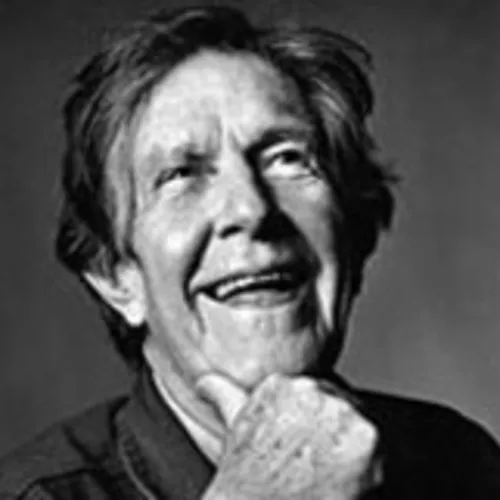
John Cage
28,7 mil Seguidores
Não há shows marcados
Envie uma solicitação para John Cage fazer um show na sua cidade
Solicitar um show
Artistas semelhantes em turnê
Shows anteriores
Nunca perca outro show de John Cage.
Receba alertas sobre anúncios de turnês, ingressos para show e shows perto de você com uma conta gratuita do Bandsintown.
Sobre John Cage
John Cage
John Milton Cage (September 5, 1912 – August 12, 1992) was an American experimental music composer, writer and visual artist. He is most commonly known for his 1952 composition 4'33", whose three movements are performed without playing a single note.
Cage was an early composer of what he called "chance music" (and what others have labeled aleatoric music) — music where some elements in the music are left to be decided by chance; he is also well known for his non-standard use of musical instruments and his pioneering exploration of electronic music. His works were sometimes controversial, but he is generally regarded as one of the most important composers of his era, especially in his raising questions about the definition of music.
John Cage put Zen Buddhist beliefs into practice through music. He described his music as "purposeless play," but insisted: "this play is an affirmation of life—not an attempt to bring order out of chaos, nor to suggest improvements in creation, but simply to wake up to the very life we are living, which is so excellent once one gets one’s mind and desires out the way and lets it act of its own accord."
Cage was also an avid amateur mycologist and mushroom collector: he co-founded the New York Mycological Society with three friends. He was a long-term collaborator and romantic partner of choreographer Merce Cunningham.
Cage is also known as the inventor of the mesostic, a type of poem.
Several periods can be distinguished in the unfolding of John Cages work :
Works before 1940 are straight compositions which Cage himself did hardly count. A Flute Trio (3 parts) is the prime piece here.
Works up to 1955 (before '4'33"') are generally composed pieces, though by a constantly developing chance tecnique, and tones have set pitches. This is the period of the prepared piano,
Works dating 1955-1970 are very freestyle. The Variations-pieces are typical of this. 'For any ensemble with any instrumentation' is getting a common prescription, and it often gets quite noisy.
The legendary recording of the slow calculated destruction of a grand piano is a Variation piece. A Cage TV-performance of 'Water Walk' - available on YouTube - is another example.
The Works from 1970-85 gain more distinct expressions and instrumentations : music for branches or leaves or music that is basically readings. The period concludes with a series of collages called 'Europeras'.
1985-92 belongs almost exclusively to the 'Number' pieces, titled after the required amount of performers. These are ambient floating works of mostly long notes, reminiscent of his collegue Morton Feldman.
Cage was an early composer of what he called "chance music" (and what others have labeled aleatoric music) — music where some elements in the music are left to be decided by chance; he is also well known for his non-standard use of musical instruments and his pioneering exploration of electronic music. His works were sometimes controversial, but he is generally regarded as one of the most important composers of his era, especially in his raising questions about the definition of music.
John Cage put Zen Buddhist beliefs into practice through music. He described his music as "purposeless play," but insisted: "this play is an affirmation of life—not an attempt to bring order out of chaos, nor to suggest improvements in creation, but simply to wake up to the very life we are living, which is so excellent once one gets one’s mind and desires out the way and lets it act of its own accord."
Cage was also an avid amateur mycologist and mushroom collector: he co-founded the New York Mycological Society with three friends. He was a long-term collaborator and romantic partner of choreographer Merce Cunningham.
Cage is also known as the inventor of the mesostic, a type of poem.
Several periods can be distinguished in the unfolding of John Cages work :
Works before 1940 are straight compositions which Cage himself did hardly count. A Flute Trio (3 parts) is the prime piece here.
Works up to 1955 (before '4'33"') are generally composed pieces, though by a constantly developing chance tecnique, and tones have set pitches. This is the period of the prepared piano,
Works dating 1955-1970 are very freestyle. The Variations-pieces are typical of this. 'For any ensemble with any instrumentation' is getting a common prescription, and it often gets quite noisy.
The legendary recording of the slow calculated destruction of a grand piano is a Variation piece. A Cage TV-performance of 'Water Walk' - available on YouTube - is another example.
The Works from 1970-85 gain more distinct expressions and instrumentations : music for branches or leaves or music that is basically readings. The period concludes with a series of collages called 'Europeras'.
1985-92 belongs almost exclusively to the 'Number' pieces, titled after the required amount of performers. These are ambient floating works of mostly long notes, reminiscent of his collegue Morton Feldman.
Ver mais
Não há shows marcados
Envie uma solicitação para John Cage fazer um show na sua cidade
Solicitar um show
Artistas semelhantes em turnê
Shows anteriores
Sobre John Cage
John Cage
John Milton Cage (September 5, 1912 – August 12, 1992) was an American experimental music composer, writer and visual artist. He is most commonly known for his 1952 composition 4'33", whose three movements are performed without playing a single note.
Cage was an early composer of what he called "chance music" (and what others have labeled aleatoric music) — music where some elements in the music are left to be decided by chance; he is also well known for his non-standard use of musical instruments and his pioneering exploration of electronic music. His works were sometimes controversial, but he is generally regarded as one of the most important composers of his era, especially in his raising questions about the definition of music.
John Cage put Zen Buddhist beliefs into practice through music. He described his music as "purposeless play," but insisted: "this play is an affirmation of life—not an attempt to bring order out of chaos, nor to suggest improvements in creation, but simply to wake up to the very life we are living, which is so excellent once one gets one’s mind and desires out the way and lets it act of its own accord."
Cage was also an avid amateur mycologist and mushroom collector: he co-founded the New York Mycological Society with three friends. He was a long-term collaborator and romantic partner of choreographer Merce Cunningham.
Cage is also known as the inventor of the mesostic, a type of poem.
Several periods can be distinguished in the unfolding of John Cages work :
Works before 1940 are straight compositions which Cage himself did hardly count. A Flute Trio (3 parts) is the prime piece here.
Works up to 1955 (before '4'33"') are generally composed pieces, though by a constantly developing chance tecnique, and tones have set pitches. This is the period of the prepared piano,
Works dating 1955-1970 are very freestyle. The Variations-pieces are typical of this. 'For any ensemble with any instrumentation' is getting a common prescription, and it often gets quite noisy.
The legendary recording of the slow calculated destruction of a grand piano is a Variation piece. A Cage TV-performance of 'Water Walk' - available on YouTube - is another example.
The Works from 1970-85 gain more distinct expressions and instrumentations : music for branches or leaves or music that is basically readings. The period concludes with a series of collages called 'Europeras'.
1985-92 belongs almost exclusively to the 'Number' pieces, titled after the required amount of performers. These are ambient floating works of mostly long notes, reminiscent of his collegue Morton Feldman.
Cage was an early composer of what he called "chance music" (and what others have labeled aleatoric music) — music where some elements in the music are left to be decided by chance; he is also well known for his non-standard use of musical instruments and his pioneering exploration of electronic music. His works were sometimes controversial, but he is generally regarded as one of the most important composers of his era, especially in his raising questions about the definition of music.
John Cage put Zen Buddhist beliefs into practice through music. He described his music as "purposeless play," but insisted: "this play is an affirmation of life—not an attempt to bring order out of chaos, nor to suggest improvements in creation, but simply to wake up to the very life we are living, which is so excellent once one gets one’s mind and desires out the way and lets it act of its own accord."
Cage was also an avid amateur mycologist and mushroom collector: he co-founded the New York Mycological Society with three friends. He was a long-term collaborator and romantic partner of choreographer Merce Cunningham.
Cage is also known as the inventor of the mesostic, a type of poem.
Several periods can be distinguished in the unfolding of John Cages work :
Works before 1940 are straight compositions which Cage himself did hardly count. A Flute Trio (3 parts) is the prime piece here.
Works up to 1955 (before '4'33"') are generally composed pieces, though by a constantly developing chance tecnique, and tones have set pitches. This is the period of the prepared piano,
Works dating 1955-1970 are very freestyle. The Variations-pieces are typical of this. 'For any ensemble with any instrumentation' is getting a common prescription, and it often gets quite noisy.
The legendary recording of the slow calculated destruction of a grand piano is a Variation piece. A Cage TV-performance of 'Water Walk' - available on YouTube - is another example.
The Works from 1970-85 gain more distinct expressions and instrumentations : music for branches or leaves or music that is basically readings. The period concludes with a series of collages called 'Europeras'.
1985-92 belongs almost exclusively to the 'Number' pieces, titled after the required amount of performers. These are ambient floating works of mostly long notes, reminiscent of his collegue Morton Feldman.
Ver mais
Nunca perca outro show de John Cage.
Receba alertas sobre anúncios de turnês, ingressos para show e shows perto de você com uma conta gratuita do Bandsintown.
Vive a experiência completa com a app Bandsintown.
