センスが良いですね!
ログインしてお気に入りのアーティストをフォローしたり、イベントを保存したりしましょう。
あなたの街にやってくる大好きなバンドやアーティストのイベント日程を調べましょう。Bandsintownを使って、コンサートチケットや最新ニュースを入手してください。

'%3e %3cpath d='M17.2 8.65233C17.2 3.87262 13.3508 0 8.6 0C3.84919 0 0 3.87262 0 8.65233C0 12.9785 3.12097 16.572 7.24758 17.2V11.1643H5.0629V8.65233H7.24758V6.76836C7.24758 4.60527 8.53065 3.38418 10.4726 3.38418C11.4435 3.38418 12.4145 3.55862 12.4145 3.55862V5.68682H11.3395C10.2645 5.68682 9.91774 6.3497 9.91774 7.04746V8.65233H12.3105L11.929 11.1643H9.91774V17.2C14.0444 16.572 17.2 12.9785 17.2 8.65233Z' fill='%236D6D6D'/%3e %3c/g%3e %3cdefs%3e %3cclipPath id='clip0_11991_110375'%3e %3crect width='17.2' height='17.2' fill='white'/%3e %3c/clipPath%3e %3c/defs%3e %3c/svg%3e)
'%3e %3cpath d='M13.546 0.716797H16.1835L10.4214 7.3954L17.2 16.4835H11.8924L7.73534 10.9716L2.97869 16.4835H0.339647L6.50272 9.33995L0 0.716797H5.44232L9.19996 5.75485L13.546 0.716797ZM12.6204 14.8825H14.0818L4.64822 2.23363H3.07994L12.6204 14.8825Z' fill='%236D6D6D'/%3e %3c/g%3e %3cdefs%3e %3cclipPath id='clip0_11991_110380'%3e %3crect width='17.2' height='17.2' fill='white'/%3e %3c/clipPath%3e %3c/defs%3e %3c/svg%3e)
'%3e %3cpath d='M8.6192 4.16563C6.16205 4.16563 4.20402 6.16205 4.20402 8.5808C4.20402 11.0379 6.16205 12.996 8.6192 12.996C11.0379 12.996 13.0344 11.0379 13.0344 8.5808C13.0344 6.16205 11.0379 4.16563 8.6192 4.16563ZM8.6192 11.4603C7.04509 11.4603 5.73973 10.1933 5.73973 8.5808C5.73973 7.0067 7.0067 5.73973 8.6192 5.73973C10.1933 5.73973 11.4603 7.0067 11.4603 8.5808C11.4603 10.1933 10.1933 11.4603 8.6192 11.4603ZM14.2246 4.01205C14.2246 4.58795 13.7638 5.04866 13.1879 5.04866C12.6121 5.04866 12.1513 4.58795 12.1513 4.01205C12.1513 3.43616 12.6121 2.97545 13.1879 2.97545C13.7638 2.97545 14.2246 3.43616 14.2246 4.01205ZM17.1424 5.04866C17.0656 3.66652 16.7585 2.43795 15.7603 1.43973C14.7621 0.441518 13.5335 0.134375 12.1513 0.0575893C10.7308 -0.0191964 6.4692 -0.0191964 5.04866 0.0575893C3.66652 0.134375 2.47634 0.441518 1.43973 1.43973C0.441518 2.43795 0.134375 3.66652 0.0575893 5.04866C-0.0191964 6.4692 -0.0191964 10.7308 0.0575893 12.1513C0.134375 13.5335 0.441518 14.7237 1.43973 15.7603C2.47634 16.7585 3.66652 17.0656 5.04866 17.1424C6.4692 17.2192 10.7308 17.2192 12.1513 17.1424C13.5335 17.0656 14.7621 16.7585 15.7603 15.7603C16.7585 14.7237 17.0656 13.5335 17.1424 12.1513C17.2192 10.7308 17.2192 6.4692 17.1424 5.04866ZM15.2996 13.6487C15.0308 14.4165 14.4165 14.9924 13.6871 15.2996C12.5353 15.7603 9.84777 15.6451 8.6192 15.6451C7.35223 15.6451 4.66473 15.7603 3.55134 15.2996C2.78348 14.9924 2.20759 14.4165 1.90045 13.6487C1.43973 12.5353 1.55491 9.84777 1.55491 8.5808C1.55491 7.35223 1.43973 4.66473 1.90045 3.51295C2.20759 2.78348 2.78348 2.20759 3.55134 1.90045C4.66473 1.43973 7.35223 1.55491 8.6192 1.55491C9.84777 1.55491 12.5353 1.43973 13.6871 1.90045C14.4165 2.1692 14.9924 2.78348 15.2996 3.51295C15.7603 4.66473 15.6451 7.35223 15.6451 8.5808C15.6451 9.84777 15.7603 12.5353 15.2996 13.6487Z' fill='%236D6D6D'/%3e %3c/g%3e %3cdefs%3e %3cclipPath id='clip0_11991_110387'%3e %3crect width='17.2' height='17.2' fill='white'/%3e %3c/clipPath%3e %3c/defs%3e %3c/svg%3e)


アーティスト
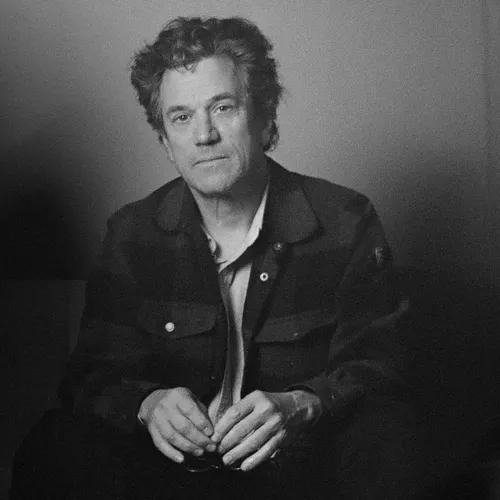
René Lussier
ツアー中検証済み
フォロワー数 352•近日開催予定の公演3件
あなたの都市で近日開催予定の公演はありません
René Lussier にお住いの地域での公演リクエストを送る
公演をリクエスト
すべてのイベントとライブ配信
René Lussierのツアー
おすすめアーティスト
René Lussierのコンサートを二度と見逃すことはありません。
無料のBandsintownアカウントでツアーの発表、コンサートチケット、お近くのショーに関するアラートを受け取りましょう。
René Lussier について
René Lussier
René Lussier (born April 15, 1957) is a musician based in the province of Québec, Canada. He is a composer, guitarist, bass guitarist, percussionist, bass clarinetist and singer. Lussier has collaborated with such figures as Fred Frith, Chris Cutler, Jean Derome and Robert M. Lepage. His work, which combines elements from all major genres, is often referred to within the discourse of New Music, or Musiques Actuelles, in French.
Born in Montreal, Lussier began his musical career in 1973 in Chambly as part of the progressive rock group Arpège. From 1976 to 1980, he was a member of the Montreal folk-progressive group Conventum, led by André Duchesne. Lussier was also a member of the groups Quatour de l'Enmieux and les Reins, Nébu and La G.U.M in the late 1970s and early 1980s.
He began doing soundtrack work in 1979, via a collaboration with Duchesne on the music for a short film called Tanobe. Lussier has written or co-written the scores to more than thirty-five films, including Chronique d'un génocide annoncé, a documentary about the Rwandan Genocide by Danièle Lacourse et Yvan Patry.
Lussier played guitar for the popular singer Pauline Julien between 1982 and 1984, though also working on music of a more esoteric nature, blurring distinctions between progressive rock, jazz and improvisation, modern composition and circus music. His first solo album, Fin du travail (version I), was released in 1983 and consolidated his reputation as a quirky, humorous and talented guitarist-composer. He has collaborated extensively with Derome and Lepage since this time, and has recorded as a member of the Fred Frith Guitar Quartet. Lussier is featured prominently in Step Across the Border (1990), a documentary feature film by Nicolas Humbert and Werner Penzel about the work and travels of Frith. Lussier was also a member of Frith's review band Keep the Dog (1989-1991).
In 1983, Lussier co-founded the Ambiances Magnétiques record label and recording collective with Derome, Lepage and Duchesne, and produced an extensive body of work in this environment. His best known work, Le trésor de la langue (1989), was created during this period, and album which intersperses musical material with taped recordings of Quebec residents discussing the importance of the French language. This album won the Grand Prix Paul-Gilson award in 1989.
In the late 1990s, Lussier recorded two albums for solo guitar and a pair of collaborations with Martin Tétreault which reflected an interested in the history of musique concrete and electro-acoustic composition and theory.
Born in Montreal, Lussier began his musical career in 1973 in Chambly as part of the progressive rock group Arpège. From 1976 to 1980, he was a member of the Montreal folk-progressive group Conventum, led by André Duchesne. Lussier was also a member of the groups Quatour de l'Enmieux and les Reins, Nébu and La G.U.M in the late 1970s and early 1980s.
He began doing soundtrack work in 1979, via a collaboration with Duchesne on the music for a short film called Tanobe. Lussier has written or co-written the scores to more than thirty-five films, including Chronique d'un génocide annoncé, a documentary about the Rwandan Genocide by Danièle Lacourse et Yvan Patry.
Lussier played guitar for the popular singer Pauline Julien between 1982 and 1984, though also working on music of a more esoteric nature, blurring distinctions between progressive rock, jazz and improvisation, modern composition and circus music. His first solo album, Fin du travail (version I), was released in 1983 and consolidated his reputation as a quirky, humorous and talented guitarist-composer. He has collaborated extensively with Derome and Lepage since this time, and has recorded as a member of the Fred Frith Guitar Quartet. Lussier is featured prominently in Step Across the Border (1990), a documentary feature film by Nicolas Humbert and Werner Penzel about the work and travels of Frith. Lussier was also a member of Frith's review band Keep the Dog (1989-1991).
In 1983, Lussier co-founded the Ambiances Magnétiques record label and recording collective with Derome, Lepage and Duchesne, and produced an extensive body of work in this environment. His best known work, Le trésor de la langue (1989), was created during this period, and album which intersperses musical material with taped recordings of Quebec residents discussing the importance of the French language. This album won the Grand Prix Paul-Gilson award in 1989.
In the late 1990s, Lussier recorded two albums for solo guitar and a pair of collaborations with Martin Tétreault which reflected an interested in the history of musique concrete and electro-acoustic composition and theory.
表示を増やす
あなたの都市で近日開催予定の公演はありません
René Lussier にお住いの地域での公演リクエストを送る
公演をリクエスト
すべてのイベントとライブ配信
René Lussierのツアー
René Lussier について
René Lussier
René Lussier (born April 15, 1957) is a musician based in the province of Québec, Canada. He is a composer, guitarist, bass guitarist, percussionist, bass clarinetist and singer. Lussier has collaborated with such figures as Fred Frith, Chris Cutler, Jean Derome and Robert M. Lepage. His work, which combines elements from all major genres, is often referred to within the discourse of New Music, or Musiques Actuelles, in French.
Born in Montreal, Lussier began his musical career in 1973 in Chambly as part of the progressive rock group Arpège. From 1976 to 1980, he was a member of the Montreal folk-progressive group Conventum, led by André Duchesne. Lussier was also a member of the groups Quatour de l'Enmieux and les Reins, Nébu and La G.U.M in the late 1970s and early 1980s.
He began doing soundtrack work in 1979, via a collaboration with Duchesne on the music for a short film called Tanobe. Lussier has written or co-written the scores to more than thirty-five films, including Chronique d'un génocide annoncé, a documentary about the Rwandan Genocide by Danièle Lacourse et Yvan Patry.
Lussier played guitar for the popular singer Pauline Julien between 1982 and 1984, though also working on music of a more esoteric nature, blurring distinctions between progressive rock, jazz and improvisation, modern composition and circus music. His first solo album, Fin du travail (version I), was released in 1983 and consolidated his reputation as a quirky, humorous and talented guitarist-composer. He has collaborated extensively with Derome and Lepage since this time, and has recorded as a member of the Fred Frith Guitar Quartet. Lussier is featured prominently in Step Across the Border (1990), a documentary feature film by Nicolas Humbert and Werner Penzel about the work and travels of Frith. Lussier was also a member of Frith's review band Keep the Dog (1989-1991).
In 1983, Lussier co-founded the Ambiances Magnétiques record label and recording collective with Derome, Lepage and Duchesne, and produced an extensive body of work in this environment. His best known work, Le trésor de la langue (1989), was created during this period, and album which intersperses musical material with taped recordings of Quebec residents discussing the importance of the French language. This album won the Grand Prix Paul-Gilson award in 1989.
In the late 1990s, Lussier recorded two albums for solo guitar and a pair of collaborations with Martin Tétreault which reflected an interested in the history of musique concrete and electro-acoustic composition and theory.
Born in Montreal, Lussier began his musical career in 1973 in Chambly as part of the progressive rock group Arpège. From 1976 to 1980, he was a member of the Montreal folk-progressive group Conventum, led by André Duchesne. Lussier was also a member of the groups Quatour de l'Enmieux and les Reins, Nébu and La G.U.M in the late 1970s and early 1980s.
He began doing soundtrack work in 1979, via a collaboration with Duchesne on the music for a short film called Tanobe. Lussier has written or co-written the scores to more than thirty-five films, including Chronique d'un génocide annoncé, a documentary about the Rwandan Genocide by Danièle Lacourse et Yvan Patry.
Lussier played guitar for the popular singer Pauline Julien between 1982 and 1984, though also working on music of a more esoteric nature, blurring distinctions between progressive rock, jazz and improvisation, modern composition and circus music. His first solo album, Fin du travail (version I), was released in 1983 and consolidated his reputation as a quirky, humorous and talented guitarist-composer. He has collaborated extensively with Derome and Lepage since this time, and has recorded as a member of the Fred Frith Guitar Quartet. Lussier is featured prominently in Step Across the Border (1990), a documentary feature film by Nicolas Humbert and Werner Penzel about the work and travels of Frith. Lussier was also a member of Frith's review band Keep the Dog (1989-1991).
In 1983, Lussier co-founded the Ambiances Magnétiques record label and recording collective with Derome, Lepage and Duchesne, and produced an extensive body of work in this environment. His best known work, Le trésor de la langue (1989), was created during this period, and album which intersperses musical material with taped recordings of Quebec residents discussing the importance of the French language. This album won the Grand Prix Paul-Gilson award in 1989.
In the late 1990s, Lussier recorded two albums for solo guitar and a pair of collaborations with Martin Tétreault which reflected an interested in the history of musique concrete and electro-acoustic composition and theory.
表示を増やす
おすすめアーティスト
René Lussierのコンサートを二度と見逃すことはありません。
無料のBandsintownアカウントでツアーの発表、コンサートチケット、お近くのショーに関するアラートを受け取りましょう。
Bandsintown アプリで最高の体験をお楽しみください。
