センスが良いですね!
ログインしてお気に入りのアーティストをフォローしたり、イベントを保存したりしましょう。
あなたの街にやってくる大好きなバンドやアーティストのイベント日程を調べましょう。Bandsintownを使って、コンサートチケットや最新ニュースを入手してください。

'%3e %3cpath d='M17.2 8.65233C17.2 3.87262 13.3508 0 8.6 0C3.84919 0 0 3.87262 0 8.65233C0 12.9785 3.12097 16.572 7.24758 17.2V11.1643H5.0629V8.65233H7.24758V6.76836C7.24758 4.60527 8.53065 3.38418 10.4726 3.38418C11.4435 3.38418 12.4145 3.55862 12.4145 3.55862V5.68682H11.3395C10.2645 5.68682 9.91774 6.3497 9.91774 7.04746V8.65233H12.3105L11.929 11.1643H9.91774V17.2C14.0444 16.572 17.2 12.9785 17.2 8.65233Z' fill='%236D6D6D'/%3e %3c/g%3e %3cdefs%3e %3cclipPath id='clip0_11991_110375'%3e %3crect width='17.2' height='17.2' fill='white'/%3e %3c/clipPath%3e %3c/defs%3e %3c/svg%3e)
'%3e %3cpath d='M13.546 0.716797H16.1835L10.4214 7.3954L17.2 16.4835H11.8924L7.73534 10.9716L2.97869 16.4835H0.339647L6.50272 9.33995L0 0.716797H5.44232L9.19996 5.75485L13.546 0.716797ZM12.6204 14.8825H14.0818L4.64822 2.23363H3.07994L12.6204 14.8825Z' fill='%236D6D6D'/%3e %3c/g%3e %3cdefs%3e %3cclipPath id='clip0_11991_110380'%3e %3crect width='17.2' height='17.2' fill='white'/%3e %3c/clipPath%3e %3c/defs%3e %3c/svg%3e)
'%3e %3cpath d='M8.6192 4.16563C6.16205 4.16563 4.20402 6.16205 4.20402 8.5808C4.20402 11.0379 6.16205 12.996 8.6192 12.996C11.0379 12.996 13.0344 11.0379 13.0344 8.5808C13.0344 6.16205 11.0379 4.16563 8.6192 4.16563ZM8.6192 11.4603C7.04509 11.4603 5.73973 10.1933 5.73973 8.5808C5.73973 7.0067 7.0067 5.73973 8.6192 5.73973C10.1933 5.73973 11.4603 7.0067 11.4603 8.5808C11.4603 10.1933 10.1933 11.4603 8.6192 11.4603ZM14.2246 4.01205C14.2246 4.58795 13.7638 5.04866 13.1879 5.04866C12.6121 5.04866 12.1513 4.58795 12.1513 4.01205C12.1513 3.43616 12.6121 2.97545 13.1879 2.97545C13.7638 2.97545 14.2246 3.43616 14.2246 4.01205ZM17.1424 5.04866C17.0656 3.66652 16.7585 2.43795 15.7603 1.43973C14.7621 0.441518 13.5335 0.134375 12.1513 0.0575893C10.7308 -0.0191964 6.4692 -0.0191964 5.04866 0.0575893C3.66652 0.134375 2.47634 0.441518 1.43973 1.43973C0.441518 2.43795 0.134375 3.66652 0.0575893 5.04866C-0.0191964 6.4692 -0.0191964 10.7308 0.0575893 12.1513C0.134375 13.5335 0.441518 14.7237 1.43973 15.7603C2.47634 16.7585 3.66652 17.0656 5.04866 17.1424C6.4692 17.2192 10.7308 17.2192 12.1513 17.1424C13.5335 17.0656 14.7621 16.7585 15.7603 15.7603C16.7585 14.7237 17.0656 13.5335 17.1424 12.1513C17.2192 10.7308 17.2192 6.4692 17.1424 5.04866ZM15.2996 13.6487C15.0308 14.4165 14.4165 14.9924 13.6871 15.2996C12.5353 15.7603 9.84777 15.6451 8.6192 15.6451C7.35223 15.6451 4.66473 15.7603 3.55134 15.2996C2.78348 14.9924 2.20759 14.4165 1.90045 13.6487C1.43973 12.5353 1.55491 9.84777 1.55491 8.5808C1.55491 7.35223 1.43973 4.66473 1.90045 3.51295C2.20759 2.78348 2.78348 2.20759 3.55134 1.90045C4.66473 1.43973 7.35223 1.55491 8.6192 1.55491C9.84777 1.55491 12.5353 1.43973 13.6871 1.90045C14.4165 2.1692 14.9924 2.78348 15.2996 3.51295C15.7603 4.66473 15.6451 7.35223 15.6451 8.5808C15.6451 9.84777 15.7603 12.5353 15.2996 13.6487Z' fill='%236D6D6D'/%3e %3c/g%3e %3cdefs%3e %3cclipPath id='clip0_11991_110387'%3e %3crect width='17.2' height='17.2' fill='white'/%3e %3c/clipPath%3e %3c/defs%3e %3c/svg%3e)


アーティスト
Luke Kelly
ツアー中
フォロワー数 1.7万•近日開催予定の公演1件
あなたの都市で近日開催予定の公演はありません
Luke Kelly にお住いの地域での公演リクエストを送る
公演をリクエスト
すべてのイベントとライブ配信
Luke Kellyのツアー
おすすめアーティスト
Luke Kellyのコンサートを二度と見逃すことはありません。
無料のBandsintownアカウントでツアーの発表、コンサートチケット、お近くのショーに関するアラートを受け取りましょう。
Luke Kelly について
Luke Kelly
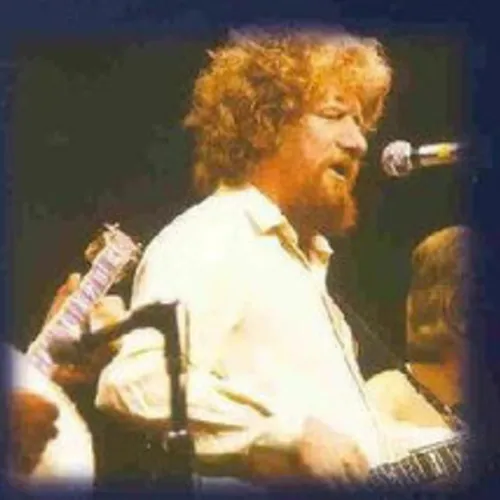
Luke Kelly, (17 November 1940 - 30 January 1984) was an Irish singer and folk musician from Dublin, Ireland, most famous as a member of the band The Dubliners.
Kelly was one of the best-known figures of the Irish folk music movement of the 1960s and 1970s. A Dubliner from the north inner city, he attended O'Connell's Schools before emigrating to Britain in 1958. There he first became involved in the growing international folk music scene in which Ewan MacColl was a central figure, as well as joining the Communist Party of Great Britain.
In 1962 Luke Kelly returned to Dublin and quickly became a central figure in the city's burgeoning folk music community, playing in sessions in O'Donoghue's Pub on Merrion Row with the likes of Ronnie Drew, Barney McKenna and The Fureys. Not long after, he ended up forming a folk group with Drew, McKenna, Ciaran Bourke and John Sheahan, which he named The Dubliners. In 1965, Kelly married the actress Deirdre O'Connell, one of the founders of the Focus Theatre.
In the mid-1960s, Luke moved to England for a while. On returning, he rejoined the Dubliners. His interpretations of "Raglan Road" (a poem by Patrick Kavanagh) and Scorn Not His Simplicity were significant musical achievements and became points of reference in Irish folk music. Luke remained a politically engaged musician, and many of the songs he recorded dealt with social issues, the arms race and war, workers' rights and Irish nationalism, ("The Springhill Disaster", "Second World Song", "When Margaret was Eleven", "Joe Hill", "The Button Pusher", "Alabama 1958" and "God Save Ireland" all being good examples of his concerns). One of the Dubliners' seminal albums was titled Revolution. In the socially and politically conservative atmosphere of the Republic of Ireland at the time, this was notable.
Luke Kelly was diagnosed with a brain tumour in 1980, and died in 1984. He remains a Dublin icon and his music is widely regarded as one of the city's cultural treasures.
The Ballybough Bridge in the north inner city of Dublin has been renamed the The Luke Kelly Bridge and in November 2004, the Dublin city council voted unanimously to erect a bronze statue of Luke Kelly. The location for the statue had not yet been decided upon.
From Dublin streets and roads and down the years
Came great musicians and balladeers
There was a special one, a red haired minstrel boy
And when he passed away, a city mourned its favourite son
All round the markets and down the quays
The sad news it spread to the Liberties
The minstrel boy is gone, he'll sing no more
And Luke somehow we know, we'll never see your likes again
Kelly was one of the best-known figures of the Irish folk music movement of the 1960s and 1970s. A Dubliner from the north inner city, he attended O'Connell's Schools before emigrating to Britain in 1958. There he first became involved in the growing international folk music scene in which Ewan MacColl was a central figure, as well as joining the Communist Party of Great Britain.
In 1962 Luke Kelly returned to Dublin and quickly became a central figure in the city's burgeoning folk music community, playing in sessions in O'Donoghue's Pub on Merrion Row with the likes of Ronnie Drew, Barney McKenna and The Fureys. Not long after, he ended up forming a folk group with Drew, McKenna, Ciaran Bourke and John Sheahan, which he named The Dubliners. In 1965, Kelly married the actress Deirdre O'Connell, one of the founders of the Focus Theatre.
In the mid-1960s, Luke moved to England for a while. On returning, he rejoined the Dubliners. His interpretations of "Raglan Road" (a poem by Patrick Kavanagh) and Scorn Not His Simplicity were significant musical achievements and became points of reference in Irish folk music. Luke remained a politically engaged musician, and many of the songs he recorded dealt with social issues, the arms race and war, workers' rights and Irish nationalism, ("The Springhill Disaster", "Second World Song", "When Margaret was Eleven", "Joe Hill", "The Button Pusher", "Alabama 1958" and "God Save Ireland" all being good examples of his concerns). One of the Dubliners' seminal albums was titled Revolution. In the socially and politically conservative atmosphere of the Republic of Ireland at the time, this was notable.
Luke Kelly was diagnosed with a brain tumour in 1980, and died in 1984. He remains a Dublin icon and his music is widely regarded as one of the city's cultural treasures.
The Ballybough Bridge in the north inner city of Dublin has been renamed the The Luke Kelly Bridge and in November 2004, the Dublin city council voted unanimously to erect a bronze statue of Luke Kelly. The location for the statue had not yet been decided upon.
From Dublin streets and roads and down the years
Came great musicians and balladeers
There was a special one, a red haired minstrel boy
And when he passed away, a city mourned its favourite son
All round the markets and down the quays
The sad news it spread to the Liberties
The minstrel boy is gone, he'll sing no more
And Luke somehow we know, we'll never see your likes again
表示を増やす
あなたの都市で近日開催予定の公演はありません
Luke Kelly にお住いの地域での公演リクエストを送る
公演をリクエスト
すべてのイベントとライブ配信
Luke Kellyのツアー
Luke Kelly について
Luke Kelly
Luke Kelly, (17 November 1940 - 30 January 1984) was an Irish singer and folk musician from Dublin, Ireland, most famous as a member of the band The Dubliners.
Kelly was one of the best-known figures of the Irish folk music movement of the 1960s and 1970s. A Dubliner from the north inner city, he attended O'Connell's Schools before emigrating to Britain in 1958. There he first became involved in the growing international folk music scene in which Ewan MacColl was a central figure, as well as joining the Communist Party of Great Britain.
In 1962 Luke Kelly returned to Dublin and quickly became a central figure in the city's burgeoning folk music community, playing in sessions in O'Donoghue's Pub on Merrion Row with the likes of Ronnie Drew, Barney McKenna and The Fureys. Not long after, he ended up forming a folk group with Drew, McKenna, Ciaran Bourke and John Sheahan, which he named The Dubliners. In 1965, Kelly married the actress Deirdre O'Connell, one of the founders of the Focus Theatre.
In the mid-1960s, Luke moved to England for a while. On returning, he rejoined the Dubliners. His interpretations of "Raglan Road" (a poem by Patrick Kavanagh) and Scorn Not His Simplicity were significant musical achievements and became points of reference in Irish folk music. Luke remained a politically engaged musician, and many of the songs he recorded dealt with social issues, the arms race and war, workers' rights and Irish nationalism, ("The Springhill Disaster", "Second World Song", "When Margaret was Eleven", "Joe Hill", "The Button Pusher", "Alabama 1958" and "God Save Ireland" all being good examples of his concerns). One of the Dubliners' seminal albums was titled Revolution. In the socially and politically conservative atmosphere of the Republic of Ireland at the time, this was notable.
Luke Kelly was diagnosed with a brain tumour in 1980, and died in 1984. He remains a Dublin icon and his music is widely regarded as one of the city's cultural treasures.
The Ballybough Bridge in the north inner city of Dublin has been renamed the The Luke Kelly Bridge and in November 2004, the Dublin city council voted unanimously to erect a bronze statue of Luke Kelly. The location for the statue had not yet been decided upon.
From Dublin streets and roads and down the years
Came great musicians and balladeers
There was a special one, a red haired minstrel boy
And when he passed away, a city mourned its favourite son
All round the markets and down the quays
The sad news it spread to the Liberties
The minstrel boy is gone, he'll sing no more
And Luke somehow we know, we'll never see your likes again
Kelly was one of the best-known figures of the Irish folk music movement of the 1960s and 1970s. A Dubliner from the north inner city, he attended O'Connell's Schools before emigrating to Britain in 1958. There he first became involved in the growing international folk music scene in which Ewan MacColl was a central figure, as well as joining the Communist Party of Great Britain.
In 1962 Luke Kelly returned to Dublin and quickly became a central figure in the city's burgeoning folk music community, playing in sessions in O'Donoghue's Pub on Merrion Row with the likes of Ronnie Drew, Barney McKenna and The Fureys. Not long after, he ended up forming a folk group with Drew, McKenna, Ciaran Bourke and John Sheahan, which he named The Dubliners. In 1965, Kelly married the actress Deirdre O'Connell, one of the founders of the Focus Theatre.
In the mid-1960s, Luke moved to England for a while. On returning, he rejoined the Dubliners. His interpretations of "Raglan Road" (a poem by Patrick Kavanagh) and Scorn Not His Simplicity were significant musical achievements and became points of reference in Irish folk music. Luke remained a politically engaged musician, and many of the songs he recorded dealt with social issues, the arms race and war, workers' rights and Irish nationalism, ("The Springhill Disaster", "Second World Song", "When Margaret was Eleven", "Joe Hill", "The Button Pusher", "Alabama 1958" and "God Save Ireland" all being good examples of his concerns). One of the Dubliners' seminal albums was titled Revolution. In the socially and politically conservative atmosphere of the Republic of Ireland at the time, this was notable.
Luke Kelly was diagnosed with a brain tumour in 1980, and died in 1984. He remains a Dublin icon and his music is widely regarded as one of the city's cultural treasures.
The Ballybough Bridge in the north inner city of Dublin has been renamed the The Luke Kelly Bridge and in November 2004, the Dublin city council voted unanimously to erect a bronze statue of Luke Kelly. The location for the statue had not yet been decided upon.
From Dublin streets and roads and down the years
Came great musicians and balladeers
There was a special one, a red haired minstrel boy
And when he passed away, a city mourned its favourite son
All round the markets and down the quays
The sad news it spread to the Liberties
The minstrel boy is gone, he'll sing no more
And Luke somehow we know, we'll never see your likes again
表示を増やす
おすすめアーティスト
Luke Kellyのコンサートを二度と見逃すことはありません。
無料のBandsintownアカウントでツアーの発表、コンサートチケット、お近くのショーに関するアラートを受け取りましょう。
Bandsintown アプリで最高の体験をお楽しみください。
