センスが良いですね!
ログインしてお気に入りのアーティストをフォローしたり、イベントを保存したりしましょう。

'%3e %3cpath d='M17.2 8.65233C17.2 3.87262 13.3508 0 8.6 0C3.84919 0 0 3.87262 0 8.65233C0 12.9785 3.12097 16.572 7.24758 17.2V11.1643H5.0629V8.65233H7.24758V6.76836C7.24758 4.60527 8.53065 3.38418 10.4726 3.38418C11.4435 3.38418 12.4145 3.55862 12.4145 3.55862V5.68682H11.3395C10.2645 5.68682 9.91774 6.3497 9.91774 7.04746V8.65233H12.3105L11.929 11.1643H9.91774V17.2C14.0444 16.572 17.2 12.9785 17.2 8.65233Z' fill='%236D6D6D'/%3e %3c/g%3e %3cdefs%3e %3cclipPath id='clip0_11991_110375'%3e %3crect width='17.2' height='17.2' fill='white'/%3e %3c/clipPath%3e %3c/defs%3e %3c/svg%3e)
'%3e %3cpath d='M13.546 0.716797H16.1835L10.4214 7.3954L17.2 16.4835H11.8924L7.73534 10.9716L2.97869 16.4835H0.339647L6.50272 9.33995L0 0.716797H5.44232L9.19996 5.75485L13.546 0.716797ZM12.6204 14.8825H14.0818L4.64822 2.23363H3.07994L12.6204 14.8825Z' fill='%236D6D6D'/%3e %3c/g%3e %3cdefs%3e %3cclipPath id='clip0_11991_110380'%3e %3crect width='17.2' height='17.2' fill='white'/%3e %3c/clipPath%3e %3c/defs%3e %3c/svg%3e)
'%3e %3cpath d='M8.6192 4.16563C6.16205 4.16563 4.20402 6.16205 4.20402 8.5808C4.20402 11.0379 6.16205 12.996 8.6192 12.996C11.0379 12.996 13.0344 11.0379 13.0344 8.5808C13.0344 6.16205 11.0379 4.16563 8.6192 4.16563ZM8.6192 11.4603C7.04509 11.4603 5.73973 10.1933 5.73973 8.5808C5.73973 7.0067 7.0067 5.73973 8.6192 5.73973C10.1933 5.73973 11.4603 7.0067 11.4603 8.5808C11.4603 10.1933 10.1933 11.4603 8.6192 11.4603ZM14.2246 4.01205C14.2246 4.58795 13.7638 5.04866 13.1879 5.04866C12.6121 5.04866 12.1513 4.58795 12.1513 4.01205C12.1513 3.43616 12.6121 2.97545 13.1879 2.97545C13.7638 2.97545 14.2246 3.43616 14.2246 4.01205ZM17.1424 5.04866C17.0656 3.66652 16.7585 2.43795 15.7603 1.43973C14.7621 0.441518 13.5335 0.134375 12.1513 0.0575893C10.7308 -0.0191964 6.4692 -0.0191964 5.04866 0.0575893C3.66652 0.134375 2.47634 0.441518 1.43973 1.43973C0.441518 2.43795 0.134375 3.66652 0.0575893 5.04866C-0.0191964 6.4692 -0.0191964 10.7308 0.0575893 12.1513C0.134375 13.5335 0.441518 14.7237 1.43973 15.7603C2.47634 16.7585 3.66652 17.0656 5.04866 17.1424C6.4692 17.2192 10.7308 17.2192 12.1513 17.1424C13.5335 17.0656 14.7621 16.7585 15.7603 15.7603C16.7585 14.7237 17.0656 13.5335 17.1424 12.1513C17.2192 10.7308 17.2192 6.4692 17.1424 5.04866ZM15.2996 13.6487C15.0308 14.4165 14.4165 14.9924 13.6871 15.2996C12.5353 15.7603 9.84777 15.6451 8.6192 15.6451C7.35223 15.6451 4.66473 15.7603 3.55134 15.2996C2.78348 14.9924 2.20759 14.4165 1.90045 13.6487C1.43973 12.5353 1.55491 9.84777 1.55491 8.5808C1.55491 7.35223 1.43973 4.66473 1.90045 3.51295C2.20759 2.78348 2.78348 2.20759 3.55134 1.90045C4.66473 1.43973 7.35223 1.55491 8.6192 1.55491C9.84777 1.55491 12.5353 1.43973 13.6871 1.90045C14.4165 2.1692 14.9924 2.78348 15.2996 3.51295C15.7603 4.66473 15.6451 7.35223 15.6451 8.5808C15.6451 9.84777 15.7603 12.5353 15.2996 13.6487Z' fill='%236D6D6D'/%3e %3c/g%3e %3cdefs%3e %3cclipPath id='clip0_11991_110387'%3e %3crect width='17.2' height='17.2' fill='white'/%3e %3c/clipPath%3e %3c/defs%3e %3c/svg%3e)


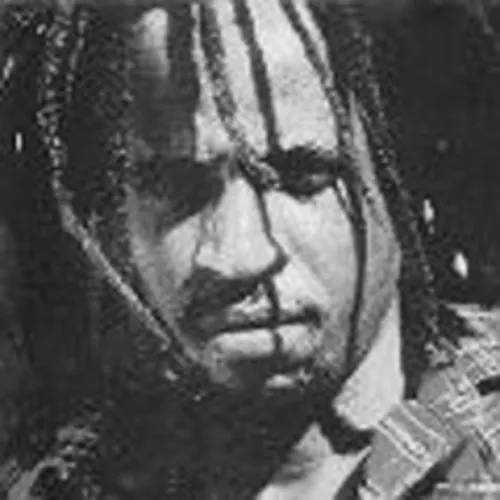
アーティスト
Little Roy
フォロワー数 4390
近日開催予定の公演はありません
Little Roy にお住いの地域での公演リクエストを送る
公演をリクエスト
ツアー中の同じテイストのアーティスト
Little Royのコンサートを二度と見逃すことはありません。
無料のBandsintownアカウントでツアーの発表、コンサートチケット、お近くのショーに関するアラートを受け取りましょう。
Little Roy について
Little Roy
A little known figure outside of reggae's deep roots circles, Little Roy contributed a handful of undeniable classics to the genre during the 1970s: populace-pleasing hits that were also vehicles for his Rastafari-inspired message. Born during the early years of the 1950s (dates range from 1950-1953) in the Witfield Town area of Kingston, Jamaica, Earl Lowe (aka Little Roy) was inspired at an early age by the songwriting efforts of his older brother Campbell. Though he soon began composing his own material, it was his brother's "I'm Going to Cool It," that a 13-year-old Earl Lowe auditioned for Jackie Mittoo in the mid-'60s, earning him a session at the legendary Studio One. The single failed to "hit" however, and Lowe quickly moved on to rival producer Prince Buster. Newly dubbed Little Roy, the singer only voiced a pair of tracks for Buster before moving on again to the stable of Lloyd "Matador" Daley. Backed by the Hippy Boys, Roy scored his first hit with "Bongo Nyah" in 1969, a song that held the number one slot of the Jamaican record charts during the weeks that followed.
By this time, Roy had begun exploring the teachings of Rastafari, having become acquainted with followers in the Washington Gardens area. This turning point led to the crucial decision to seek complete creative control over his music. Deeming the Jamaican recording establishment too conservative for his choice of subject matter, Roy formed his own Tafari and Earth labels with the help of Munchie Jackson and Lloyd Barnes. In 1974, he came knocking on the door of the Black Ark, the studio run by Washington Gardens resident Lee "Scratch" Perry, an eclectic producer known to be sympathetic to the Rastas. Perry set aside studio time for the recording of both "Black Bird" and "Tribal War." The latter proved to be a hit; its status as a roots classic was later assured through the host of versions that followed. Among them were readings by singers John Holt, Junior Reid, and Freddy McKay and DJ cuts on the rhythm by Dillinger, Trinity, and Prince Far I. Roy responded with a string of excellent, Rasta-informed singles for his new imprints that maintained the standards. Lacking the backing of a big producer, however, songs as excellent as "Prophesy," "Christopher Columbus," "Earth," and "Jah Can Count on I" eventually receded from view, and Roy's full-length Tribal War LP was given a limited release in the U.S. Roy's finest efforts then were largely forgotten until Pressure Sounds released the Tafari Earth Uprising and Packin' House sets during the second half of the 1990s.
Roy continued to record into the early '80s. While "Long Time Rock Steady" and "Skanking on the Banking," a pair of late-'70s 12"s cut for Herman Chin-Loy, found him adopting dancehall techniques, he returned to roots flavors with 1981's Columbus Ship (recorded at Channel One and mixed by Scientist). Laying low for the remainder of the decade, the singer returned with Prophesy in 1989, a collection of his '70s material in old and new guises. Roy was vaunted into the spotlight once again when Victory Dance, a one-rhythm album based around "Prophesy," was compiled at the start of the '90s. Following the release of Live On (1990) and a European tour with Gregory Isaacs, Pressure Sounds owner Adrian Sherwood brought Little Roy into a London studio for the recording of Longtime, ensuring that the singer's vision would live on into the 21st century.
Biography by Nathan Bush (AMG - All Media Guide)
By this time, Roy had begun exploring the teachings of Rastafari, having become acquainted with followers in the Washington Gardens area. This turning point led to the crucial decision to seek complete creative control over his music. Deeming the Jamaican recording establishment too conservative for his choice of subject matter, Roy formed his own Tafari and Earth labels with the help of Munchie Jackson and Lloyd Barnes. In 1974, he came knocking on the door of the Black Ark, the studio run by Washington Gardens resident Lee "Scratch" Perry, an eclectic producer known to be sympathetic to the Rastas. Perry set aside studio time for the recording of both "Black Bird" and "Tribal War." The latter proved to be a hit; its status as a roots classic was later assured through the host of versions that followed. Among them were readings by singers John Holt, Junior Reid, and Freddy McKay and DJ cuts on the rhythm by Dillinger, Trinity, and Prince Far I. Roy responded with a string of excellent, Rasta-informed singles for his new imprints that maintained the standards. Lacking the backing of a big producer, however, songs as excellent as "Prophesy," "Christopher Columbus," "Earth," and "Jah Can Count on I" eventually receded from view, and Roy's full-length Tribal War LP was given a limited release in the U.S. Roy's finest efforts then were largely forgotten until Pressure Sounds released the Tafari Earth Uprising and Packin' House sets during the second half of the 1990s.
Roy continued to record into the early '80s. While "Long Time Rock Steady" and "Skanking on the Banking," a pair of late-'70s 12"s cut for Herman Chin-Loy, found him adopting dancehall techniques, he returned to roots flavors with 1981's Columbus Ship (recorded at Channel One and mixed by Scientist). Laying low for the remainder of the decade, the singer returned with Prophesy in 1989, a collection of his '70s material in old and new guises. Roy was vaunted into the spotlight once again when Victory Dance, a one-rhythm album based around "Prophesy," was compiled at the start of the '90s. Following the release of Live On (1990) and a European tour with Gregory Isaacs, Pressure Sounds owner Adrian Sherwood brought Little Roy into a London studio for the recording of Longtime, ensuring that the singer's vision would live on into the 21st century.
Biography by Nathan Bush (AMG - All Media Guide)
表示を増やす
ジャンル:
Reggae
近日開催予定の公演はありません
Little Roy にお住いの地域での公演リクエストを送る
公演をリクエスト
ツアー中の同じテイストのアーティスト
Little Roy について
Little Roy
A little known figure outside of reggae's deep roots circles, Little Roy contributed a handful of undeniable classics to the genre during the 1970s: populace-pleasing hits that were also vehicles for his Rastafari-inspired message. Born during the early years of the 1950s (dates range from 1950-1953) in the Witfield Town area of Kingston, Jamaica, Earl Lowe (aka Little Roy) was inspired at an early age by the songwriting efforts of his older brother Campbell. Though he soon began composing his own material, it was his brother's "I'm Going to Cool It," that a 13-year-old Earl Lowe auditioned for Jackie Mittoo in the mid-'60s, earning him a session at the legendary Studio One. The single failed to "hit" however, and Lowe quickly moved on to rival producer Prince Buster. Newly dubbed Little Roy, the singer only voiced a pair of tracks for Buster before moving on again to the stable of Lloyd "Matador" Daley. Backed by the Hippy Boys, Roy scored his first hit with "Bongo Nyah" in 1969, a song that held the number one slot of the Jamaican record charts during the weeks that followed.
By this time, Roy had begun exploring the teachings of Rastafari, having become acquainted with followers in the Washington Gardens area. This turning point led to the crucial decision to seek complete creative control over his music. Deeming the Jamaican recording establishment too conservative for his choice of subject matter, Roy formed his own Tafari and Earth labels with the help of Munchie Jackson and Lloyd Barnes. In 1974, he came knocking on the door of the Black Ark, the studio run by Washington Gardens resident Lee "Scratch" Perry, an eclectic producer known to be sympathetic to the Rastas. Perry set aside studio time for the recording of both "Black Bird" and "Tribal War." The latter proved to be a hit; its status as a roots classic was later assured through the host of versions that followed. Among them were readings by singers John Holt, Junior Reid, and Freddy McKay and DJ cuts on the rhythm by Dillinger, Trinity, and Prince Far I. Roy responded with a string of excellent, Rasta-informed singles for his new imprints that maintained the standards. Lacking the backing of a big producer, however, songs as excellent as "Prophesy," "Christopher Columbus," "Earth," and "Jah Can Count on I" eventually receded from view, and Roy's full-length Tribal War LP was given a limited release in the U.S. Roy's finest efforts then were largely forgotten until Pressure Sounds released the Tafari Earth Uprising and Packin' House sets during the second half of the 1990s.
Roy continued to record into the early '80s. While "Long Time Rock Steady" and "Skanking on the Banking," a pair of late-'70s 12"s cut for Herman Chin-Loy, found him adopting dancehall techniques, he returned to roots flavors with 1981's Columbus Ship (recorded at Channel One and mixed by Scientist). Laying low for the remainder of the decade, the singer returned with Prophesy in 1989, a collection of his '70s material in old and new guises. Roy was vaunted into the spotlight once again when Victory Dance, a one-rhythm album based around "Prophesy," was compiled at the start of the '90s. Following the release of Live On (1990) and a European tour with Gregory Isaacs, Pressure Sounds owner Adrian Sherwood brought Little Roy into a London studio for the recording of Longtime, ensuring that the singer's vision would live on into the 21st century.
Biography by Nathan Bush (AMG - All Media Guide)
By this time, Roy had begun exploring the teachings of Rastafari, having become acquainted with followers in the Washington Gardens area. This turning point led to the crucial decision to seek complete creative control over his music. Deeming the Jamaican recording establishment too conservative for his choice of subject matter, Roy formed his own Tafari and Earth labels with the help of Munchie Jackson and Lloyd Barnes. In 1974, he came knocking on the door of the Black Ark, the studio run by Washington Gardens resident Lee "Scratch" Perry, an eclectic producer known to be sympathetic to the Rastas. Perry set aside studio time for the recording of both "Black Bird" and "Tribal War." The latter proved to be a hit; its status as a roots classic was later assured through the host of versions that followed. Among them were readings by singers John Holt, Junior Reid, and Freddy McKay and DJ cuts on the rhythm by Dillinger, Trinity, and Prince Far I. Roy responded with a string of excellent, Rasta-informed singles for his new imprints that maintained the standards. Lacking the backing of a big producer, however, songs as excellent as "Prophesy," "Christopher Columbus," "Earth," and "Jah Can Count on I" eventually receded from view, and Roy's full-length Tribal War LP was given a limited release in the U.S. Roy's finest efforts then were largely forgotten until Pressure Sounds released the Tafari Earth Uprising and Packin' House sets during the second half of the 1990s.
Roy continued to record into the early '80s. While "Long Time Rock Steady" and "Skanking on the Banking," a pair of late-'70s 12"s cut for Herman Chin-Loy, found him adopting dancehall techniques, he returned to roots flavors with 1981's Columbus Ship (recorded at Channel One and mixed by Scientist). Laying low for the remainder of the decade, the singer returned with Prophesy in 1989, a collection of his '70s material in old and new guises. Roy was vaunted into the spotlight once again when Victory Dance, a one-rhythm album based around "Prophesy," was compiled at the start of the '90s. Following the release of Live On (1990) and a European tour with Gregory Isaacs, Pressure Sounds owner Adrian Sherwood brought Little Roy into a London studio for the recording of Longtime, ensuring that the singer's vision would live on into the 21st century.
Biography by Nathan Bush (AMG - All Media Guide)
表示を増やす
ジャンル:
Reggae
Little Royのコンサートを二度と見逃すことはありません。
無料のBandsintownアカウントでツアーの発表、コンサートチケット、お近くのショーに関するアラートを受け取りましょう。
Bandsintown アプリで最高の体験をお楽しみください。
