センスが良いですね!
ログインしてお気に入りのアーティストをフォローしたり、イベントを保存したりしましょう。
あなたの街にやってくる大好きなバンドやアーティストのイベント日程を調べましょう。Bandsintownを使って、コンサートチケットや最新ニュースを入手してください。

'%3e %3cpath d='M17.2 8.65233C17.2 3.87262 13.3508 0 8.6 0C3.84919 0 0 3.87262 0 8.65233C0 12.9785 3.12097 16.572 7.24758 17.2V11.1643H5.0629V8.65233H7.24758V6.76836C7.24758 4.60527 8.53065 3.38418 10.4726 3.38418C11.4435 3.38418 12.4145 3.55862 12.4145 3.55862V5.68682H11.3395C10.2645 5.68682 9.91774 6.3497 9.91774 7.04746V8.65233H12.3105L11.929 11.1643H9.91774V17.2C14.0444 16.572 17.2 12.9785 17.2 8.65233Z' fill='%236D6D6D'/%3e %3c/g%3e %3cdefs%3e %3cclipPath id='clip0_11991_110375'%3e %3crect width='17.2' height='17.2' fill='white'/%3e %3c/clipPath%3e %3c/defs%3e %3c/svg%3e)
'%3e %3cpath d='M13.546 0.716797H16.1835L10.4214 7.3954L17.2 16.4835H11.8924L7.73534 10.9716L2.97869 16.4835H0.339647L6.50272 9.33995L0 0.716797H5.44232L9.19996 5.75485L13.546 0.716797ZM12.6204 14.8825H14.0818L4.64822 2.23363H3.07994L12.6204 14.8825Z' fill='%236D6D6D'/%3e %3c/g%3e %3cdefs%3e %3cclipPath id='clip0_11991_110380'%3e %3crect width='17.2' height='17.2' fill='white'/%3e %3c/clipPath%3e %3c/defs%3e %3c/svg%3e)
'%3e %3cpath d='M8.6192 4.16563C6.16205 4.16563 4.20402 6.16205 4.20402 8.5808C4.20402 11.0379 6.16205 12.996 8.6192 12.996C11.0379 12.996 13.0344 11.0379 13.0344 8.5808C13.0344 6.16205 11.0379 4.16563 8.6192 4.16563ZM8.6192 11.4603C7.04509 11.4603 5.73973 10.1933 5.73973 8.5808C5.73973 7.0067 7.0067 5.73973 8.6192 5.73973C10.1933 5.73973 11.4603 7.0067 11.4603 8.5808C11.4603 10.1933 10.1933 11.4603 8.6192 11.4603ZM14.2246 4.01205C14.2246 4.58795 13.7638 5.04866 13.1879 5.04866C12.6121 5.04866 12.1513 4.58795 12.1513 4.01205C12.1513 3.43616 12.6121 2.97545 13.1879 2.97545C13.7638 2.97545 14.2246 3.43616 14.2246 4.01205ZM17.1424 5.04866C17.0656 3.66652 16.7585 2.43795 15.7603 1.43973C14.7621 0.441518 13.5335 0.134375 12.1513 0.0575893C10.7308 -0.0191964 6.4692 -0.0191964 5.04866 0.0575893C3.66652 0.134375 2.47634 0.441518 1.43973 1.43973C0.441518 2.43795 0.134375 3.66652 0.0575893 5.04866C-0.0191964 6.4692 -0.0191964 10.7308 0.0575893 12.1513C0.134375 13.5335 0.441518 14.7237 1.43973 15.7603C2.47634 16.7585 3.66652 17.0656 5.04866 17.1424C6.4692 17.2192 10.7308 17.2192 12.1513 17.1424C13.5335 17.0656 14.7621 16.7585 15.7603 15.7603C16.7585 14.7237 17.0656 13.5335 17.1424 12.1513C17.2192 10.7308 17.2192 6.4692 17.1424 5.04866ZM15.2996 13.6487C15.0308 14.4165 14.4165 14.9924 13.6871 15.2996C12.5353 15.7603 9.84777 15.6451 8.6192 15.6451C7.35223 15.6451 4.66473 15.7603 3.55134 15.2996C2.78348 14.9924 2.20759 14.4165 1.90045 13.6487C1.43973 12.5353 1.55491 9.84777 1.55491 8.5808C1.55491 7.35223 1.43973 4.66473 1.90045 3.51295C2.20759 2.78348 2.78348 2.20759 3.55134 1.90045C4.66473 1.43973 7.35223 1.55491 8.6192 1.55491C9.84777 1.55491 12.5353 1.43973 13.6871 1.90045C14.4165 2.1692 14.9924 2.78348 15.2996 3.51295C15.7603 4.66473 15.6451 7.35223 15.6451 8.5808C15.6451 9.84777 15.7603 12.5353 15.2996 13.6487Z' fill='%236D6D6D'/%3e %3c/g%3e %3cdefs%3e %3cclipPath id='clip0_11991_110387'%3e %3crect width='17.2' height='17.2' fill='white'/%3e %3c/clipPath%3e %3c/defs%3e %3c/svg%3e)


アーティスト
The Doobie Brothers
ツアー中検証済み
フォロワー数 111万•近日開催予定の公演13件
あなたの都市で近日開催予定の公演はありません
The Doobie Brothers にお住いの地域での公演リクエストを送る
公演をリクエスト
すべてのイベントとライブ配信
The Doobie Brothers 物販

Walk This Road
$19.58

What Were Once Vices Are Now Habits (RKTBR24) (B&MEX)
$24.98
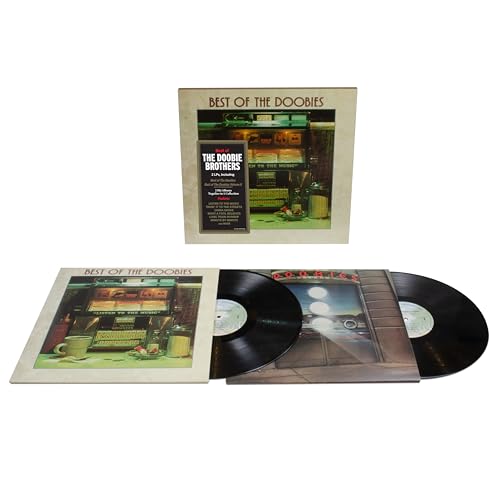
Best Of The Doobies: Volumes 1
$23.66

The Best Of The Doobie Brother
$14.57

The Captain And Me
$43.28

Toulouse Street
$56.97

Live At The Greek Theatre 19
$23.98

Liberte
$10.28

Live from the Beacon Theatre
$23.20

Rockin Down The Highway
$12.79

The Doobie Brothers Audiophile Limited Anniversary Edition
$88.57

Takin' It To The Streets
$60.00

Live At Wolf Trap
$32.81
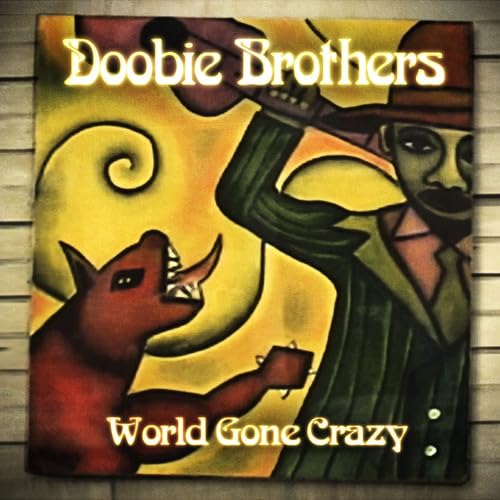
World Gone Crazy
$16.56

Best Of The Doobie Brothers Live
$6.66

Sibling Rivalry
$81.93

Takin' It to the Streets
$7.90

Toulouse Street
$9.98

The Doobie Brothers Best Of
$5.00
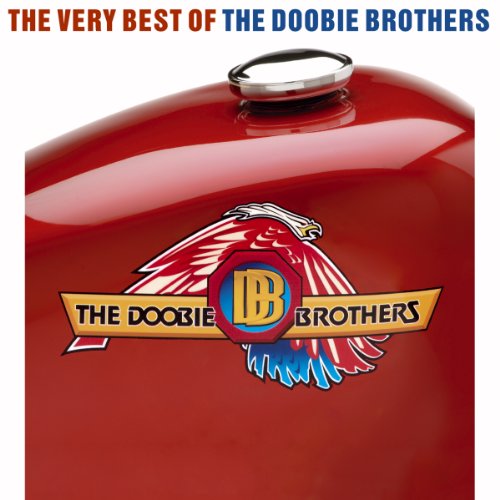
The Very Best Of
$12.33
 すべてを表示
The Doobie Brothersのツアー
おすすめアーティスト
The Doobie Brothersのコンサートを二度と見逃すことはありません。
無料のBandsintownアカウントでツアーの発表、コンサートチケット、お近くのショーに関するアラートを受け取りましょう。
The Doobie Brothers について
The Doobie Brothers
ABOUT THE DOOBIE BROTHERS
Born out of Northern California’s chaotic, late-1960s musical stew, The Doobie Brothers’ rugged, real and authentic approach to rock and roll made them biker bar stalwarts. But their self-titled debut album in ’71 went beyond just leather and motorcycles, revealing even more musical layers; sweet three-part harmonies and rootsy, introspective, acoustic flavors.
The Doobie Brothers’ legacy has been built upon not just hit records, but also an unrivaled commitment to musical integrity and a steadfast allegiance to their enthusiastic fan base. The bands ability to evolve in a constantly changing industry and connections to generations of listening audiences is a testament to their craft.
It all began in 1969, when a drummer named John Hartman arrived in Northern California. He was there to meet Skip Spence from the band Moby Grape and become part of a supposed band reunion that never quite got off the ground. But it wasn’t all for naught. Spence (who had also played in the Jefferson Airplane) introduced Hartman to his friend Tom Johnston, a local singer/songwriter/guitarist -and they connected. Hartman and Johnston began playing local Bay Area bars. They soon met singer/guitarist Pat Simmons, whose finger-style playing richly complimented Johnston’s R&B strumming-style, and the foundation for The Doobie Brothers was set.
While their debut album in 1971 did not chart, just a year a later, their second record, Toulouse Street, became a breakout sensation. Producer Ted Templeman helped the band craft a sound that was organic, yet radio friendly, and brought in Little Feat keyboardist Bill Payne to add unique musical textures.
From there The Doobies hit the road, tirelessly working their way around the world. They established themselves with a breathtaking run of hits on Warner Bros. Records that tapped into a myriad of American styles. “Listen to the Music,” “Jesus is Just Alright,” “China Grove,” “Black Water,” “Rockin’ Down the Highway,” “Long Train Runnin’” and other anthemic singles confirmed their status as fine craftsman who could also rock arenas.
In 1974, Steely Dan co-lead guitarist and session legend Jeff “Skunk” Baxter joined the band as third guitarist, one of many unique and talented players who would revolve in and out of the band over the years. The group’s expanded lineup was augmented in 1975 by Michael McDonald, whose soulful vocals and songwriting led to the hits “What a Fool Believes,” “Minute by Minute,” “Takin’ It To The Streets,” and “You Belong To Me.” Multi-instrumentalist and vocalist, John McFee, joined in 1978 bringing his wide range of musical styles and experience recording with Van Morrison, Steve Miller, Elvis Costello, and The Grateful Dead to The Doobies’ sound.
The collaborative, almost communal sense of family within the band allowed them to stay fresh and unpredictable over the years, while never forsaking their deep American musical roots, boogie-jams and all.
After a respite in the early 80s, the band reunited in 1987 for a series of gigs benefiting veterans’ groups and children’s charities (ultimately raising millions). Those shows at the Hollywood Bowl were the fastest sell-outs since the Beatles had played there more than 20 years earlier. In a Los Angeles Times poll the year before, fans voted Led Zeppelin and The Doobie Brothers the bands they wanted most to see reunite.
Continuing to record, The Doobies released World Gone Crazy in 2010, produced by Ted Templeman, and Southbound on Arista Nashville in 2014. Southbound, produced by David Huff, featured new recordings of the band’s iconic hits, with country music’s biggest stars including Blake Shelton, Zac Brown Band, Brad Paisley, and Toby Keith.
The Doobie Brothers were inducted into the Vocal Group Hall of Fame in 2004, have won four GRAMMY® Awards and sold more than 48 million records worldwide (including three multi-platinum, seven platinum, and 14 gold albums). Their 1976 Best of the Doobies has sold more than 12 million copies, earning rare RIAA Diamond status. Their No. 1 gold-certified singles “Black Water” (1974) and “What a Fool Believes” (1979) lead a catalog of hits that includes “Listen to the Music,” “Jesus Is Just All Right,” “Rockin’ Down the Highway,” “Long Train Runnin’,” “China Grove,” “Take Me In Your Arms,” Takin’ It to the Streets,” “Minute by Minute,” “You Belong to Me,” and “The Doctor.” In all, The Doobies have tallied five Top 10 singles and 16 Top 40 hits.
“We’re basically an American band – we cover a lot of areas,” says Johnston. “We cover blues, R&B, country, bluegrass, and rock ‘n’ roll. It’s based on rhythms, rhythm structures, picking, and harmonies. That’s been the signature of the band.” He continues, “You take Pat, who comes from a folk/blues background, with a lot of picking and stuff like that; he was a big fan of Rev. Gary Davis and Dave Van Ronk. I come from a blues, soul, R&B, and rock ‘n’ roll background. Then you stick John McFee into that mix. John came from a country background when he started out and was in the country band Southern Pacific. And he is a session musician – he’s played with everybody from Steve Miller to Van Morrison to Elvis Costello. If it’s got strings, he can play it.”
“We all have the same work ethic,” says multi-instrument virtuoso McFee, self-described as the “new guy.” “Tom, Pat and I are still surging ahead. We’ve stayed together as friends as well as musicians. We are compelled to challenge ourselves. I mean, I love playing the old songs. But when we’re working on new material now, I think we’re coming up with better parts. The band has always been good, so it’s kind of like we’re competing with ourselves. But honestly, we’re playing better than ever.”
Simmons notes, “We didn’t really sit around and think, ‘Oh, we need this element or that element.’ The music has always been an honest representation of whatever we happen to be working on at the time. We had all been playing music for a long time before we put the band together, and our roots influences are what come out. Those influences always overtake whatever conceptual ideas you might have. It’s always been that way with this band — you always return to who you really are.”
The ability of The Doobie Brothers’ music to connect with the essentials of people’s lives in tuneful, affecting songs has developed an audience that spans generations today. Known for their dynamic live performances, the band plays close to 100 shows a year touring worldwide, delighting concert goers of all ages.
Simmons adds, “We have a hardcore fan base that has handed our music down through the years to their children and their children’s children. Repeatedly, people go to our concerts and come up to us and say, ‘My dad turned me on to you guys years ago, and I’ve loved you guys all this time, and my kids are listening to you now.”
“And the songs that people all know, be it ‘Listen to the Music,’ ‘Black Water’ or ‘China Grove,’ are still getting played,” Johnston adds. “Any song that stands the test of time for 40 years or is getting played around the country on a daily basis – that to me is a testament to the quality of the tunes, and that they have something to say that resonates with people. I’d like to say this band has been relevant – it’s been relevant musically, it’s been relevant lyrically, and we’ve always put out a high quality of music.”
They take none of it for granted. And their music has proven to be relatable for generations since they first came together, which is why they continue to make new music. The fundamental appeal that has drawn listeners to this group for four decades may be best expressed by Simmons:
“In a certain sense, what this band has always had in common with everyone else is the word ‘hope.’ We hoped we would make some good music, and we hoped there would be some acceptance, and we hoped that things would get better in the world. In that respect, we’re just the same – we’re still hopeful about the future.”
The mere name of the band gives one hope. And it makes you think, it makes you feel and makes you appreciate the efforts of one of America’s most dependable musical outfits. It takes you back, while also helping you look ahead.
Born out of Northern California’s chaotic, late-1960s musical stew, The Doobie Brothers’ rugged, real and authentic approach to rock and roll made them biker bar stalwarts. But their self-titled debut album in ’71 went beyond just leather and motorcycles, revealing even more musical layers; sweet three-part harmonies and rootsy, introspective, acoustic flavors.
The Doobie Brothers’ legacy has been built upon not just hit records, but also an unrivaled commitment to musical integrity and a steadfast allegiance to their enthusiastic fan base. The bands ability to evolve in a constantly changing industry and connections to generations of listening audiences is a testament to their craft.
It all began in 1969, when a drummer named John Hartman arrived in Northern California. He was there to meet Skip Spence from the band Moby Grape and become part of a supposed band reunion that never quite got off the ground. But it wasn’t all for naught. Spence (who had also played in the Jefferson Airplane) introduced Hartman to his friend Tom Johnston, a local singer/songwriter/guitarist -and they connected. Hartman and Johnston began playing local Bay Area bars. They soon met singer/guitarist Pat Simmons, whose finger-style playing richly complimented Johnston’s R&B strumming-style, and the foundation for The Doobie Brothers was set.
While their debut album in 1971 did not chart, just a year a later, their second record, Toulouse Street, became a breakout sensation. Producer Ted Templeman helped the band craft a sound that was organic, yet radio friendly, and brought in Little Feat keyboardist Bill Payne to add unique musical textures.
From there The Doobies hit the road, tirelessly working their way around the world. They established themselves with a breathtaking run of hits on Warner Bros. Records that tapped into a myriad of American styles. “Listen to the Music,” “Jesus is Just Alright,” “China Grove,” “Black Water,” “Rockin’ Down the Highway,” “Long Train Runnin’” and other anthemic singles confirmed their status as fine craftsman who could also rock arenas.
In 1974, Steely Dan co-lead guitarist and session legend Jeff “Skunk” Baxter joined the band as third guitarist, one of many unique and talented players who would revolve in and out of the band over the years. The group’s expanded lineup was augmented in 1975 by Michael McDonald, whose soulful vocals and songwriting led to the hits “What a Fool Believes,” “Minute by Minute,” “Takin’ It To The Streets,” and “You Belong To Me.” Multi-instrumentalist and vocalist, John McFee, joined in 1978 bringing his wide range of musical styles and experience recording with Van Morrison, Steve Miller, Elvis Costello, and The Grateful Dead to The Doobies’ sound.
The collaborative, almost communal sense of family within the band allowed them to stay fresh and unpredictable over the years, while never forsaking their deep American musical roots, boogie-jams and all.
After a respite in the early 80s, the band reunited in 1987 for a series of gigs benefiting veterans’ groups and children’s charities (ultimately raising millions). Those shows at the Hollywood Bowl were the fastest sell-outs since the Beatles had played there more than 20 years earlier. In a Los Angeles Times poll the year before, fans voted Led Zeppelin and The Doobie Brothers the bands they wanted most to see reunite.
Continuing to record, The Doobies released World Gone Crazy in 2010, produced by Ted Templeman, and Southbound on Arista Nashville in 2014. Southbound, produced by David Huff, featured new recordings of the band’s iconic hits, with country music’s biggest stars including Blake Shelton, Zac Brown Band, Brad Paisley, and Toby Keith.
The Doobie Brothers were inducted into the Vocal Group Hall of Fame in 2004, have won four GRAMMY® Awards and sold more than 48 million records worldwide (including three multi-platinum, seven platinum, and 14 gold albums). Their 1976 Best of the Doobies has sold more than 12 million copies, earning rare RIAA Diamond status. Their No. 1 gold-certified singles “Black Water” (1974) and “What a Fool Believes” (1979) lead a catalog of hits that includes “Listen to the Music,” “Jesus Is Just All Right,” “Rockin’ Down the Highway,” “Long Train Runnin’,” “China Grove,” “Take Me In Your Arms,” Takin’ It to the Streets,” “Minute by Minute,” “You Belong to Me,” and “The Doctor.” In all, The Doobies have tallied five Top 10 singles and 16 Top 40 hits.
“We’re basically an American band – we cover a lot of areas,” says Johnston. “We cover blues, R&B, country, bluegrass, and rock ‘n’ roll. It’s based on rhythms, rhythm structures, picking, and harmonies. That’s been the signature of the band.” He continues, “You take Pat, who comes from a folk/blues background, with a lot of picking and stuff like that; he was a big fan of Rev. Gary Davis and Dave Van Ronk. I come from a blues, soul, R&B, and rock ‘n’ roll background. Then you stick John McFee into that mix. John came from a country background when he started out and was in the country band Southern Pacific. And he is a session musician – he’s played with everybody from Steve Miller to Van Morrison to Elvis Costello. If it’s got strings, he can play it.”
“We all have the same work ethic,” says multi-instrument virtuoso McFee, self-described as the “new guy.” “Tom, Pat and I are still surging ahead. We’ve stayed together as friends as well as musicians. We are compelled to challenge ourselves. I mean, I love playing the old songs. But when we’re working on new material now, I think we’re coming up with better parts. The band has always been good, so it’s kind of like we’re competing with ourselves. But honestly, we’re playing better than ever.”
Simmons notes, “We didn’t really sit around and think, ‘Oh, we need this element or that element.’ The music has always been an honest representation of whatever we happen to be working on at the time. We had all been playing music for a long time before we put the band together, and our roots influences are what come out. Those influences always overtake whatever conceptual ideas you might have. It’s always been that way with this band — you always return to who you really are.”
The ability of The Doobie Brothers’ music to connect with the essentials of people’s lives in tuneful, affecting songs has developed an audience that spans generations today. Known for their dynamic live performances, the band plays close to 100 shows a year touring worldwide, delighting concert goers of all ages.
Simmons adds, “We have a hardcore fan base that has handed our music down through the years to their children and their children’s children. Repeatedly, people go to our concerts and come up to us and say, ‘My dad turned me on to you guys years ago, and I’ve loved you guys all this time, and my kids are listening to you now.”
“And the songs that people all know, be it ‘Listen to the Music,’ ‘Black Water’ or ‘China Grove,’ are still getting played,” Johnston adds. “Any song that stands the test of time for 40 years or is getting played around the country on a daily basis – that to me is a testament to the quality of the tunes, and that they have something to say that resonates with people. I’d like to say this band has been relevant – it’s been relevant musically, it’s been relevant lyrically, and we’ve always put out a high quality of music.”
They take none of it for granted. And their music has proven to be relatable for generations since they first came together, which is why they continue to make new music. The fundamental appeal that has drawn listeners to this group for four decades may be best expressed by Simmons:
“In a certain sense, what this band has always had in common with everyone else is the word ‘hope.’ We hoped we would make some good music, and we hoped there would be some acceptance, and we hoped that things would get better in the world. In that respect, we’re just the same – we’re still hopeful about the future.”
The mere name of the band gives one hope. And it makes you think, it makes you feel and makes you appreciate the efforts of one of America’s most dependable musical outfits. It takes you back, while also helping you look ahead.
表示を増やす
ジャンル:
Rock Blues, Classic Rock, Rythem & Blues
バンドメンバー:
John McFee, Ed Toth, Marc Russo, Tom Johnston, Patrick Simmons, John Cowan, Bill Payne
出身地:
San Jose, California
あなたの都市で近日開催予定の公演はありません
The Doobie Brothers にお住いの地域での公演リクエストを送る
公演をリクエスト
すべてのイベントとライブ配信
The Doobie Brothers 物販
Walk This Road
$19.58
What Were Once Vices Are Now Habits (RKTBR24) (B&MEX)
$24.98
Best Of The Doobies: Volumes 1
$23.66
The Best Of The Doobie Brother
$14.57
The Captain And Me
$43.28
Toulouse Street
$56.97
Live At The Greek Theatre 19
$23.98
Liberte
$10.28
Live from the Beacon Theatre
$23.20
Rockin Down The Highway
$12.79
The Doobie Brothers Audiophile Limited Anniversary Edition
$88.57
Takin' It To The Streets
$60.00
Live At Wolf Trap
$32.81
World Gone Crazy
$16.56
Best Of The Doobie Brothers Live
$6.66
Sibling Rivalry
$81.93
Takin' It to the Streets
$7.90
Toulouse Street
$9.98
The Doobie Brothers Best Of
$5.00
The Very Best Of
$12.33
すべてを表示The Doobie Brothersのツアー
The Doobie Brothers について
The Doobie Brothers
ABOUT THE DOOBIE BROTHERS
Born out of Northern California’s chaotic, late-1960s musical stew, The Doobie Brothers’ rugged, real and authentic approach to rock and roll made them biker bar stalwarts. But their self-titled debut album in ’71 went beyond just leather and motorcycles, revealing even more musical layers; sweet three-part harmonies and rootsy, introspective, acoustic flavors.
The Doobie Brothers’ legacy has been built upon not just hit records, but also an unrivaled commitment to musical integrity and a steadfast allegiance to their enthusiastic fan base. The bands ability to evolve in a constantly changing industry and connections to generations of listening audiences is a testament to their craft.
It all began in 1969, when a drummer named John Hartman arrived in Northern California. He was there to meet Skip Spence from the band Moby Grape and become part of a supposed band reunion that never quite got off the ground. But it wasn’t all for naught. Spence (who had also played in the Jefferson Airplane) introduced Hartman to his friend Tom Johnston, a local singer/songwriter/guitarist -and they connected. Hartman and Johnston began playing local Bay Area bars. They soon met singer/guitarist Pat Simmons, whose finger-style playing richly complimented Johnston’s R&B strumming-style, and the foundation for The Doobie Brothers was set.
While their debut album in 1971 did not chart, just a year a later, their second record, Toulouse Street, became a breakout sensation. Producer Ted Templeman helped the band craft a sound that was organic, yet radio friendly, and brought in Little Feat keyboardist Bill Payne to add unique musical textures.
From there The Doobies hit the road, tirelessly working their way around the world. They established themselves with a breathtaking run of hits on Warner Bros. Records that tapped into a myriad of American styles. “Listen to the Music,” “Jesus is Just Alright,” “China Grove,” “Black Water,” “Rockin’ Down the Highway,” “Long Train Runnin’” and other anthemic singles confirmed their status as fine craftsman who could also rock arenas.
In 1974, Steely Dan co-lead guitarist and session legend Jeff “Skunk” Baxter joined the band as third guitarist, one of many unique and talented players who would revolve in and out of the band over the years. The group’s expanded lineup was augmented in 1975 by Michael McDonald, whose soulful vocals and songwriting led to the hits “What a Fool Believes,” “Minute by Minute,” “Takin’ It To The Streets,” and “You Belong To Me.” Multi-instrumentalist and vocalist, John McFee, joined in 1978 bringing his wide range of musical styles and experience recording with Van Morrison, Steve Miller, Elvis Costello, and The Grateful Dead to The Doobies’ sound.
The collaborative, almost communal sense of family within the band allowed them to stay fresh and unpredictable over the years, while never forsaking their deep American musical roots, boogie-jams and all.
After a respite in the early 80s, the band reunited in 1987 for a series of gigs benefiting veterans’ groups and children’s charities (ultimately raising millions). Those shows at the Hollywood Bowl were the fastest sell-outs since the Beatles had played there more than 20 years earlier. In a Los Angeles Times poll the year before, fans voted Led Zeppelin and The Doobie Brothers the bands they wanted most to see reunite.
Continuing to record, The Doobies released World Gone Crazy in 2010, produced by Ted Templeman, and Southbound on Arista Nashville in 2014. Southbound, produced by David Huff, featured new recordings of the band’s iconic hits, with country music’s biggest stars including Blake Shelton, Zac Brown Band, Brad Paisley, and Toby Keith.
The Doobie Brothers were inducted into the Vocal Group Hall of Fame in 2004, have won four GRAMMY® Awards and sold more than 48 million records worldwide (including three multi-platinum, seven platinum, and 14 gold albums). Their 1976 Best of the Doobies has sold more than 12 million copies, earning rare RIAA Diamond status. Their No. 1 gold-certified singles “Black Water” (1974) and “What a Fool Believes” (1979) lead a catalog of hits that includes “Listen to the Music,” “Jesus Is Just All Right,” “Rockin’ Down the Highway,” “Long Train Runnin’,” “China Grove,” “Take Me In Your Arms,” Takin’ It to the Streets,” “Minute by Minute,” “You Belong to Me,” and “The Doctor.” In all, The Doobies have tallied five Top 10 singles and 16 Top 40 hits.
“We’re basically an American band – we cover a lot of areas,” says Johnston. “We cover blues, R&B, country, bluegrass, and rock ‘n’ roll. It’s based on rhythms, rhythm structures, picking, and harmonies. That’s been the signature of the band.” He continues, “You take Pat, who comes from a folk/blues background, with a lot of picking and stuff like that; he was a big fan of Rev. Gary Davis and Dave Van Ronk. I come from a blues, soul, R&B, and rock ‘n’ roll background. Then you stick John McFee into that mix. John came from a country background when he started out and was in the country band Southern Pacific. And he is a session musician – he’s played with everybody from Steve Miller to Van Morrison to Elvis Costello. If it’s got strings, he can play it.”
“We all have the same work ethic,” says multi-instrument virtuoso McFee, self-described as the “new guy.” “Tom, Pat and I are still surging ahead. We’ve stayed together as friends as well as musicians. We are compelled to challenge ourselves. I mean, I love playing the old songs. But when we’re working on new material now, I think we’re coming up with better parts. The band has always been good, so it’s kind of like we’re competing with ourselves. But honestly, we’re playing better than ever.”
Simmons notes, “We didn’t really sit around and think, ‘Oh, we need this element or that element.’ The music has always been an honest representation of whatever we happen to be working on at the time. We had all been playing music for a long time before we put the band together, and our roots influences are what come out. Those influences always overtake whatever conceptual ideas you might have. It’s always been that way with this band — you always return to who you really are.”
The ability of The Doobie Brothers’ music to connect with the essentials of people’s lives in tuneful, affecting songs has developed an audience that spans generations today. Known for their dynamic live performances, the band plays close to 100 shows a year touring worldwide, delighting concert goers of all ages.
Simmons adds, “We have a hardcore fan base that has handed our music down through the years to their children and their children’s children. Repeatedly, people go to our concerts and come up to us and say, ‘My dad turned me on to you guys years ago, and I’ve loved you guys all this time, and my kids are listening to you now.”
“And the songs that people all know, be it ‘Listen to the Music,’ ‘Black Water’ or ‘China Grove,’ are still getting played,” Johnston adds. “Any song that stands the test of time for 40 years or is getting played around the country on a daily basis – that to me is a testament to the quality of the tunes, and that they have something to say that resonates with people. I’d like to say this band has been relevant – it’s been relevant musically, it’s been relevant lyrically, and we’ve always put out a high quality of music.”
They take none of it for granted. And their music has proven to be relatable for generations since they first came together, which is why they continue to make new music. The fundamental appeal that has drawn listeners to this group for four decades may be best expressed by Simmons:
“In a certain sense, what this band has always had in common with everyone else is the word ‘hope.’ We hoped we would make some good music, and we hoped there would be some acceptance, and we hoped that things would get better in the world. In that respect, we’re just the same – we’re still hopeful about the future.”
The mere name of the band gives one hope. And it makes you think, it makes you feel and makes you appreciate the efforts of one of America’s most dependable musical outfits. It takes you back, while also helping you look ahead.
Born out of Northern California’s chaotic, late-1960s musical stew, The Doobie Brothers’ rugged, real and authentic approach to rock and roll made them biker bar stalwarts. But their self-titled debut album in ’71 went beyond just leather and motorcycles, revealing even more musical layers; sweet three-part harmonies and rootsy, introspective, acoustic flavors.
The Doobie Brothers’ legacy has been built upon not just hit records, but also an unrivaled commitment to musical integrity and a steadfast allegiance to their enthusiastic fan base. The bands ability to evolve in a constantly changing industry and connections to generations of listening audiences is a testament to their craft.
It all began in 1969, when a drummer named John Hartman arrived in Northern California. He was there to meet Skip Spence from the band Moby Grape and become part of a supposed band reunion that never quite got off the ground. But it wasn’t all for naught. Spence (who had also played in the Jefferson Airplane) introduced Hartman to his friend Tom Johnston, a local singer/songwriter/guitarist -and they connected. Hartman and Johnston began playing local Bay Area bars. They soon met singer/guitarist Pat Simmons, whose finger-style playing richly complimented Johnston’s R&B strumming-style, and the foundation for The Doobie Brothers was set.
While their debut album in 1971 did not chart, just a year a later, their second record, Toulouse Street, became a breakout sensation. Producer Ted Templeman helped the band craft a sound that was organic, yet radio friendly, and brought in Little Feat keyboardist Bill Payne to add unique musical textures.
From there The Doobies hit the road, tirelessly working their way around the world. They established themselves with a breathtaking run of hits on Warner Bros. Records that tapped into a myriad of American styles. “Listen to the Music,” “Jesus is Just Alright,” “China Grove,” “Black Water,” “Rockin’ Down the Highway,” “Long Train Runnin’” and other anthemic singles confirmed their status as fine craftsman who could also rock arenas.
In 1974, Steely Dan co-lead guitarist and session legend Jeff “Skunk” Baxter joined the band as third guitarist, one of many unique and talented players who would revolve in and out of the band over the years. The group’s expanded lineup was augmented in 1975 by Michael McDonald, whose soulful vocals and songwriting led to the hits “What a Fool Believes,” “Minute by Minute,” “Takin’ It To The Streets,” and “You Belong To Me.” Multi-instrumentalist and vocalist, John McFee, joined in 1978 bringing his wide range of musical styles and experience recording with Van Morrison, Steve Miller, Elvis Costello, and The Grateful Dead to The Doobies’ sound.
The collaborative, almost communal sense of family within the band allowed them to stay fresh and unpredictable over the years, while never forsaking their deep American musical roots, boogie-jams and all.
After a respite in the early 80s, the band reunited in 1987 for a series of gigs benefiting veterans’ groups and children’s charities (ultimately raising millions). Those shows at the Hollywood Bowl were the fastest sell-outs since the Beatles had played there more than 20 years earlier. In a Los Angeles Times poll the year before, fans voted Led Zeppelin and The Doobie Brothers the bands they wanted most to see reunite.
Continuing to record, The Doobies released World Gone Crazy in 2010, produced by Ted Templeman, and Southbound on Arista Nashville in 2014. Southbound, produced by David Huff, featured new recordings of the band’s iconic hits, with country music’s biggest stars including Blake Shelton, Zac Brown Band, Brad Paisley, and Toby Keith.
The Doobie Brothers were inducted into the Vocal Group Hall of Fame in 2004, have won four GRAMMY® Awards and sold more than 48 million records worldwide (including three multi-platinum, seven platinum, and 14 gold albums). Their 1976 Best of the Doobies has sold more than 12 million copies, earning rare RIAA Diamond status. Their No. 1 gold-certified singles “Black Water” (1974) and “What a Fool Believes” (1979) lead a catalog of hits that includes “Listen to the Music,” “Jesus Is Just All Right,” “Rockin’ Down the Highway,” “Long Train Runnin’,” “China Grove,” “Take Me In Your Arms,” Takin’ It to the Streets,” “Minute by Minute,” “You Belong to Me,” and “The Doctor.” In all, The Doobies have tallied five Top 10 singles and 16 Top 40 hits.
“We’re basically an American band – we cover a lot of areas,” says Johnston. “We cover blues, R&B, country, bluegrass, and rock ‘n’ roll. It’s based on rhythms, rhythm structures, picking, and harmonies. That’s been the signature of the band.” He continues, “You take Pat, who comes from a folk/blues background, with a lot of picking and stuff like that; he was a big fan of Rev. Gary Davis and Dave Van Ronk. I come from a blues, soul, R&B, and rock ‘n’ roll background. Then you stick John McFee into that mix. John came from a country background when he started out and was in the country band Southern Pacific. And he is a session musician – he’s played with everybody from Steve Miller to Van Morrison to Elvis Costello. If it’s got strings, he can play it.”
“We all have the same work ethic,” says multi-instrument virtuoso McFee, self-described as the “new guy.” “Tom, Pat and I are still surging ahead. We’ve stayed together as friends as well as musicians. We are compelled to challenge ourselves. I mean, I love playing the old songs. But when we’re working on new material now, I think we’re coming up with better parts. The band has always been good, so it’s kind of like we’re competing with ourselves. But honestly, we’re playing better than ever.”
Simmons notes, “We didn’t really sit around and think, ‘Oh, we need this element or that element.’ The music has always been an honest representation of whatever we happen to be working on at the time. We had all been playing music for a long time before we put the band together, and our roots influences are what come out. Those influences always overtake whatever conceptual ideas you might have. It’s always been that way with this band — you always return to who you really are.”
The ability of The Doobie Brothers’ music to connect with the essentials of people’s lives in tuneful, affecting songs has developed an audience that spans generations today. Known for their dynamic live performances, the band plays close to 100 shows a year touring worldwide, delighting concert goers of all ages.
Simmons adds, “We have a hardcore fan base that has handed our music down through the years to their children and their children’s children. Repeatedly, people go to our concerts and come up to us and say, ‘My dad turned me on to you guys years ago, and I’ve loved you guys all this time, and my kids are listening to you now.”
“And the songs that people all know, be it ‘Listen to the Music,’ ‘Black Water’ or ‘China Grove,’ are still getting played,” Johnston adds. “Any song that stands the test of time for 40 years or is getting played around the country on a daily basis – that to me is a testament to the quality of the tunes, and that they have something to say that resonates with people. I’d like to say this band has been relevant – it’s been relevant musically, it’s been relevant lyrically, and we’ve always put out a high quality of music.”
They take none of it for granted. And their music has proven to be relatable for generations since they first came together, which is why they continue to make new music. The fundamental appeal that has drawn listeners to this group for four decades may be best expressed by Simmons:
“In a certain sense, what this band has always had in common with everyone else is the word ‘hope.’ We hoped we would make some good music, and we hoped there would be some acceptance, and we hoped that things would get better in the world. In that respect, we’re just the same – we’re still hopeful about the future.”
The mere name of the band gives one hope. And it makes you think, it makes you feel and makes you appreciate the efforts of one of America’s most dependable musical outfits. It takes you back, while also helping you look ahead.
表示を増やす
ジャンル:
Rock Blues, Classic Rock, Rythem & Blues
バンドメンバー:
John McFee, Ed Toth, Marc Russo, Tom Johnston, Patrick Simmons, John Cowan, Bill Payne
出身地:
San Jose, California
おすすめアーティスト
The Doobie Brothersのコンサートを二度と見逃すことはありません。
無料のBandsintownアカウントでツアーの発表、コンサートチケット、お近くのショーに関するアラートを受け取りましょう。
Bandsintown アプリで最高の体験をお楽しみください。

ライブ写真


ファンの声
Fifty-five years ago, the Doobie Brothers named themselves after a pastime they loved -- rolling and smoking joints (doobies in American slang). I don't know if it was the funny cigarettes or their collective creativity, but they went on to write and record some iconic songs -- tunes that have become ingrained in North American consciousness. On September 18, they brought that legacy to Toronto's Budweiser Stage, an outdoor stadium with a 16,000-person capacity. They started slowly with quieter songs and numbers from their new album, Walk This Road, which has a distinct Doobie vibe, and built up to a crescendo of their trademark hits. Guest Nadirah Shakoor joined them on the song "Walk This Road." The Doobies are not a one-singer band. Vocal duties are shared by founding members Tom Johnston (sporting a Game of Thrones T-shirt) and Patrick Simmons, along with Michael MacDonald, who joined in 1980 after a stint with Steely Dan, bringing his unmlistakable baritone. I wanted to hear him sing "What a Fool Believes," which be did, though a bit slower and paced differently than the recorded version. Tom and Patrick took turns engaging the audience, but Michael stayed silently on his piano stage right, except to introduce Mike Russo, the saxophonist. John McFee played guitar, harmonica, and electric violin. They had cool rotating lights behind them that changed colour, and a multi-media show which often featured old video of them performing as young men. They haven't changed drastically, and these seventy-something men all still have their hair. As the band picked up the pace, the audience was on its feet singing along to hits like "Long Train Runnin'," "China Grove," "Black Water," with its honky tonk air, "Takin' It to the Streets," and the finale "Listen to the Music." I was hoping to hear MacDonald sing "You Belong to Me," but he didn't, and you can't always get what you want. Toronto was the last stop of their tour and it ended in thunderous applause.
2025年9月20日·Toronto, ON

Alex
It was fantastic to finally get to see the band, especially with Michael being in the line-up to give fantastic versions of all his songs. But I was more a fan of the earlier stuff, so was in my element when Tom belted out all the well-known classic numbers, particularly my favourite China Grove. Only thing was, I felt they should've had a break like other bands do when there is no support act. The show didn't seem to last long enough. But they were certainly most enjoyable. Nice touch by John McFee to wear his kilt in Jockoland..
2025年9月3日·Glasgow, United Kingdom
First time to the Nugget Event Center to see a concert. We decided to cancel other plans (that we paid for) and go to Reno to see the Doobies. It was the right decision as the band was amazing as always, even without Tom Johnston and it was one of the better Doobie concerts we have seen since the early 1970's as we grew up in San Jose/Los Gatos. As this band gets older it gets better, the bass player handled Tom's vocals well, Pat was smiling as always and playing/picking/singing as good as it gets, Mike M was superb on the keyboards and vocally and I had always been lukewarm to him joining the band - bad on me , sax player is phenomenal, and the drummer and percussionist were awesome. This was a nice venue, seemed like good view from most seats, sound was great, and we loved the show!
2025年6月13日·Sparks, NV
Dennis


ライブ写真
ファンの声
Fifty-five years ago, the Doobie Brothers named themselves after a pastime they loved -- rolling and smoking joints (doobies in American slang). I don't know if it was the funny cigarettes or their collective creativity, but they went on to write and record some iconic songs -- tunes that have become ingrained in North American consciousness. On September 18, they brought that legacy to Toronto's Budweiser Stage, an outdoor stadium with a 16,000-person capacity. They started slowly with quieter songs and numbers from their new album, Walk This Road, which has a distinct Doobie vibe, and built up to a crescendo of their trademark hits. Guest Nadirah Shakoor joined them on the song "Walk This Road." The Doobies are not a one-singer band. Vocal duties are shared by founding members Tom Johnston (sporting a Game of Thrones T-shirt) and Patrick Simmons, along with Michael MacDonald, who joined in 1980 after a stint with Steely Dan, bringing his unmlistakable baritone. I wanted to hear him sing "What a Fool Believes," which be did, though a bit slower and paced differently than the recorded version. Tom and Patrick took turns engaging the audience, but Michael stayed silently on his piano stage right, except to introduce Mike Russo, the saxophonist. John McFee played guitar, harmonica, and electric violin. They had cool rotating lights behind them that changed colour, and a multi-media show which often featured old video of them performing as young men. They haven't changed drastically, and these seventy-something men all still have their hair. As the band picked up the pace, the audience was on its feet singing along to hits like "Long Train Runnin'," "China Grove," "Black Water," with its honky tonk air, "Takin' It to the Streets," and the finale "Listen to the Music." I was hoping to hear MacDonald sing "You Belong to Me," but he didn't, and you can't always get what you want. Toronto was the last stop of their tour and it ended in thunderous applause.
2025年9月20日·Toronto, ON
Alex
It was fantastic to finally get to see the band, especially with Michael being in the line-up to give fantastic versions of all his songs. But I was more a fan of the earlier stuff, so was in my element when Tom belted out all the well-known classic numbers, particularly my favourite China Grove. Only thing was, I felt they should've had a break like other bands do when there is no support act. The show didn't seem to last long enough. But they were certainly most enjoyable. Nice touch by John McFee to wear his kilt in Jockoland..
2025年9月3日·Glasgow, United Kingdom
First time to the Nugget Event Center to see a concert. We decided to cancel other plans (that we paid for) and go to Reno to see the Doobies. It was the right decision as the band was amazing as always, even without Tom Johnston and it was one of the better Doobie concerts we have seen since the early 1970's as we grew up in San Jose/Los Gatos. As this band gets older it gets better, the bass player handled Tom's vocals well, Pat was smiling as always and playing/picking/singing as good as it gets, Mike M was superb on the keyboards and vocally and I had always been lukewarm to him joining the band - bad on me , sax player is phenomenal, and the drummer and percussionist were awesome. This was a nice venue, seemed like good view from most seats, sound was great, and we loved the show!
2025年6月13日·Sparks, NV
Dennis