センスが良いですね!
ログインしてお気に入りのアーティストをフォローしたり、イベントを保存したりしましょう。
あなたの街にやってくる大好きなバンドやアーティストのイベント日程を調べましょう。Bandsintownを使って、コンサートチケットや最新ニュースを入手してください。

'%3e %3cpath d='M17.2 8.65233C17.2 3.87262 13.3508 0 8.6 0C3.84919 0 0 3.87262 0 8.65233C0 12.9785 3.12097 16.572 7.24758 17.2V11.1643H5.0629V8.65233H7.24758V6.76836C7.24758 4.60527 8.53065 3.38418 10.4726 3.38418C11.4435 3.38418 12.4145 3.55862 12.4145 3.55862V5.68682H11.3395C10.2645 5.68682 9.91774 6.3497 9.91774 7.04746V8.65233H12.3105L11.929 11.1643H9.91774V17.2C14.0444 16.572 17.2 12.9785 17.2 8.65233Z' fill='%236D6D6D'/%3e %3c/g%3e %3cdefs%3e %3cclipPath id='clip0_11991_110375'%3e %3crect width='17.2' height='17.2' fill='white'/%3e %3c/clipPath%3e %3c/defs%3e %3c/svg%3e)
'%3e %3cpath d='M13.546 0.716797H16.1835L10.4214 7.3954L17.2 16.4835H11.8924L7.73534 10.9716L2.97869 16.4835H0.339647L6.50272 9.33995L0 0.716797H5.44232L9.19996 5.75485L13.546 0.716797ZM12.6204 14.8825H14.0818L4.64822 2.23363H3.07994L12.6204 14.8825Z' fill='%236D6D6D'/%3e %3c/g%3e %3cdefs%3e %3cclipPath id='clip0_11991_110380'%3e %3crect width='17.2' height='17.2' fill='white'/%3e %3c/clipPath%3e %3c/defs%3e %3c/svg%3e)
'%3e %3cpath d='M8.6192 4.16563C6.16205 4.16563 4.20402 6.16205 4.20402 8.5808C4.20402 11.0379 6.16205 12.996 8.6192 12.996C11.0379 12.996 13.0344 11.0379 13.0344 8.5808C13.0344 6.16205 11.0379 4.16563 8.6192 4.16563ZM8.6192 11.4603C7.04509 11.4603 5.73973 10.1933 5.73973 8.5808C5.73973 7.0067 7.0067 5.73973 8.6192 5.73973C10.1933 5.73973 11.4603 7.0067 11.4603 8.5808C11.4603 10.1933 10.1933 11.4603 8.6192 11.4603ZM14.2246 4.01205C14.2246 4.58795 13.7638 5.04866 13.1879 5.04866C12.6121 5.04866 12.1513 4.58795 12.1513 4.01205C12.1513 3.43616 12.6121 2.97545 13.1879 2.97545C13.7638 2.97545 14.2246 3.43616 14.2246 4.01205ZM17.1424 5.04866C17.0656 3.66652 16.7585 2.43795 15.7603 1.43973C14.7621 0.441518 13.5335 0.134375 12.1513 0.0575893C10.7308 -0.0191964 6.4692 -0.0191964 5.04866 0.0575893C3.66652 0.134375 2.47634 0.441518 1.43973 1.43973C0.441518 2.43795 0.134375 3.66652 0.0575893 5.04866C-0.0191964 6.4692 -0.0191964 10.7308 0.0575893 12.1513C0.134375 13.5335 0.441518 14.7237 1.43973 15.7603C2.47634 16.7585 3.66652 17.0656 5.04866 17.1424C6.4692 17.2192 10.7308 17.2192 12.1513 17.1424C13.5335 17.0656 14.7621 16.7585 15.7603 15.7603C16.7585 14.7237 17.0656 13.5335 17.1424 12.1513C17.2192 10.7308 17.2192 6.4692 17.1424 5.04866ZM15.2996 13.6487C15.0308 14.4165 14.4165 14.9924 13.6871 15.2996C12.5353 15.7603 9.84777 15.6451 8.6192 15.6451C7.35223 15.6451 4.66473 15.7603 3.55134 15.2996C2.78348 14.9924 2.20759 14.4165 1.90045 13.6487C1.43973 12.5353 1.55491 9.84777 1.55491 8.5808C1.55491 7.35223 1.43973 4.66473 1.90045 3.51295C2.20759 2.78348 2.78348 2.20759 3.55134 1.90045C4.66473 1.43973 7.35223 1.55491 8.6192 1.55491C9.84777 1.55491 12.5353 1.43973 13.6871 1.90045C14.4165 2.1692 14.9924 2.78348 15.2996 3.51295C15.7603 4.66473 15.6451 7.35223 15.6451 8.5808C15.6451 9.84777 15.7603 12.5353 15.2996 13.6487Z' fill='%236D6D6D'/%3e %3c/g%3e %3cdefs%3e %3cclipPath id='clip0_11991_110387'%3e %3crect width='17.2' height='17.2' fill='white'/%3e %3c/clipPath%3e %3c/defs%3e %3c/svg%3e)


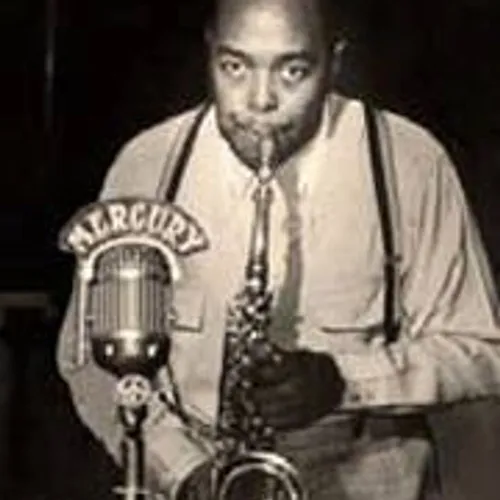
アーティスト
Charlie Parker
フォロワー数 22.3万
ツアー中の同じテイストのアーティスト
Charlie Parker 物販
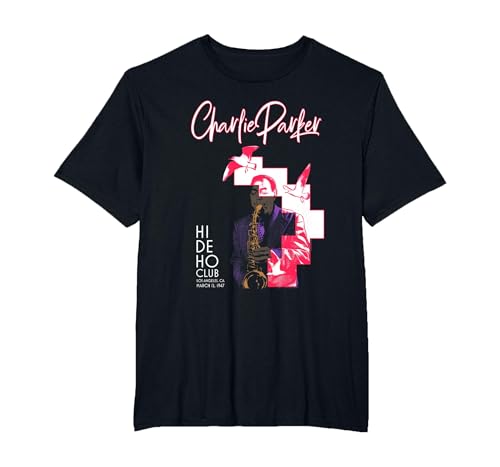
Charlie Parker Hi-De-Ho Club Los Angeles 1947 T-Shirt
$25.00
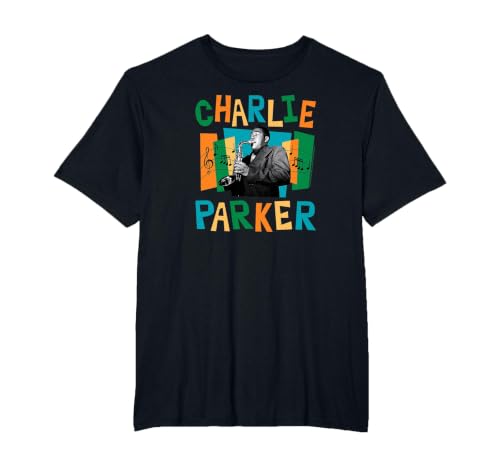
Charlie Parker - Music T-Shirt
$22.99
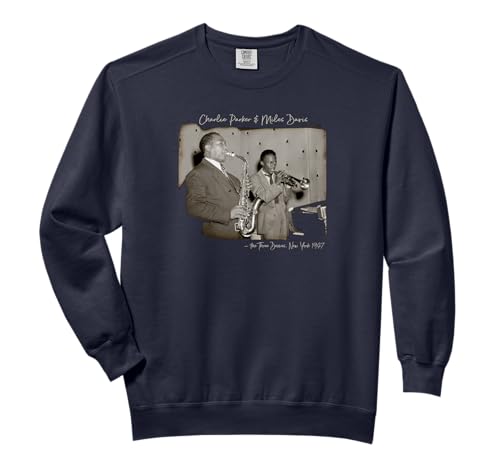
Charlie Parker - The Three Deuces Comfort Colors Adult Sweatshirt
$52.99
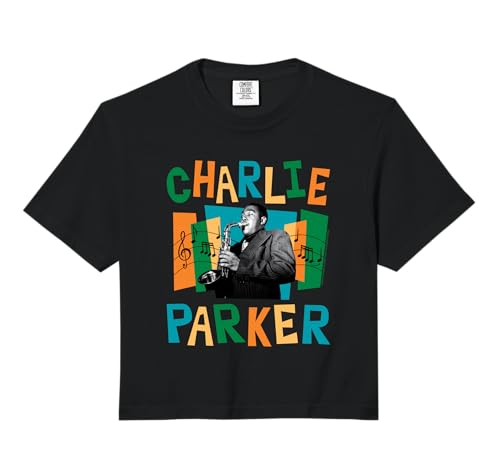
Charlie Parker - Music Comfort Colors Crop Top
$26.99
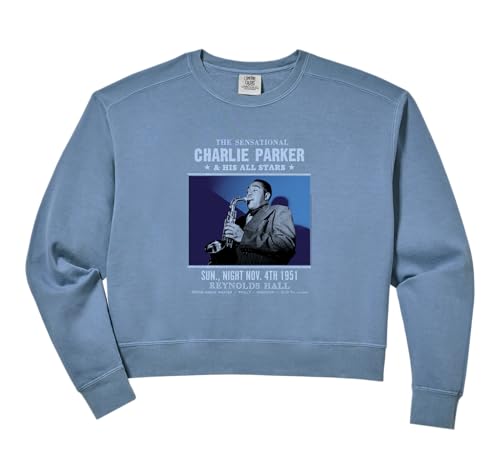
Womens Charlie Parker Reynolds Hall Philadelphia 1951 Blue Photo Comfort Colors Crop Sweatshirt
$69.99
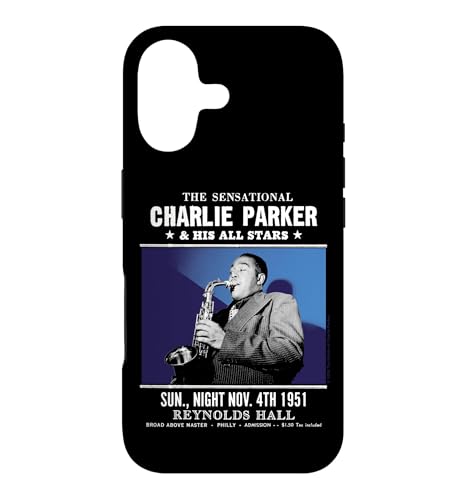
Charlie Parker Reynolds Hall Philadelphia 1951 Case for iPhone 17
$20.00
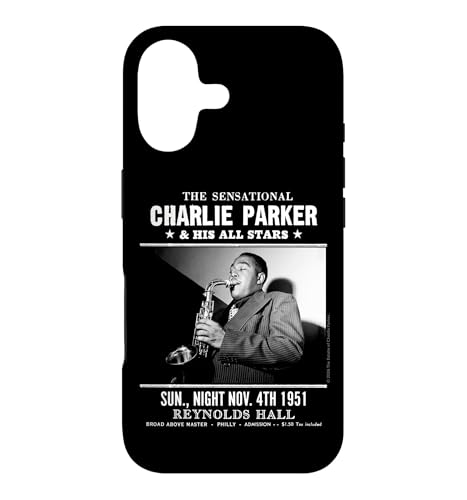
Charlie Parker Reynolds Hall Philadelphia 1951 Greyscale Case for iPhone 17
$20.00
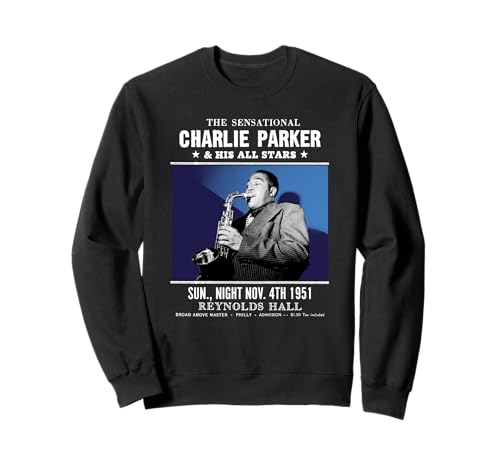
Charlie Parker Reynolds Hall Philadelphia 1951 Sweatshirt
$45.00
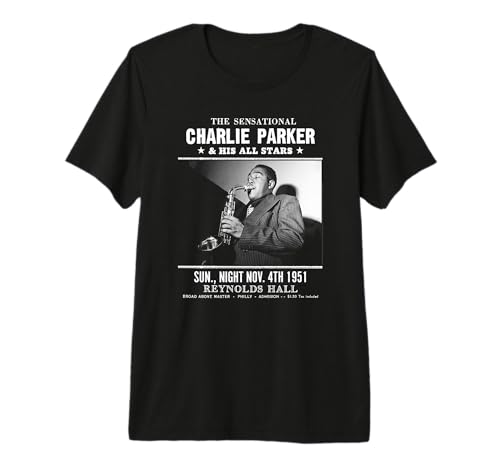
Charlie Parker Reynolds Hall Philadelphia 1951 Greyscale Premium Tri-Blend T-Shirt
$27.99
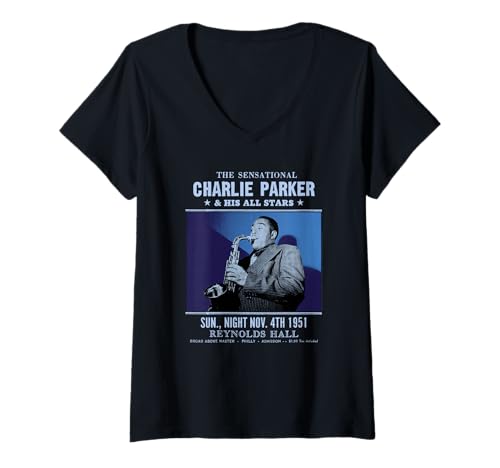
Women's Charlie Parker Reynolds Hall Philadelphia 1951 Blue Photo V-Neck T-Shirt
$25.00
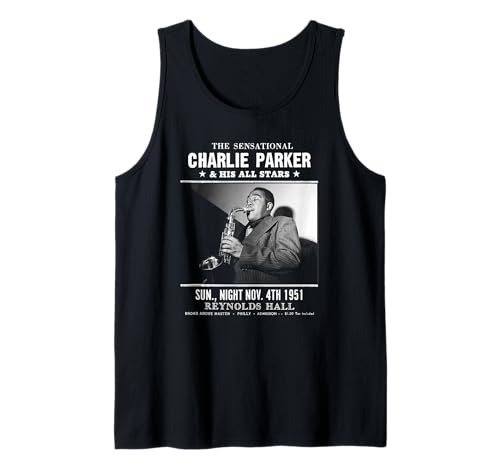
Charlie Parker Reynolds Hall Philadelphia 1951 Greyscale Tank Top
$25.00
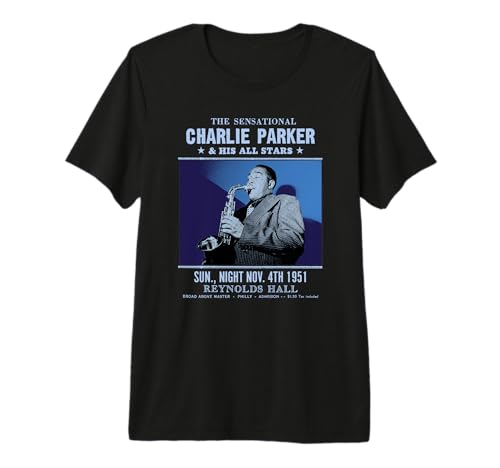
Charlie Parker Reynolds Hall Philadelphia 1951 Blue Photo Premium Tri-Blend T-Shirt
$27.99
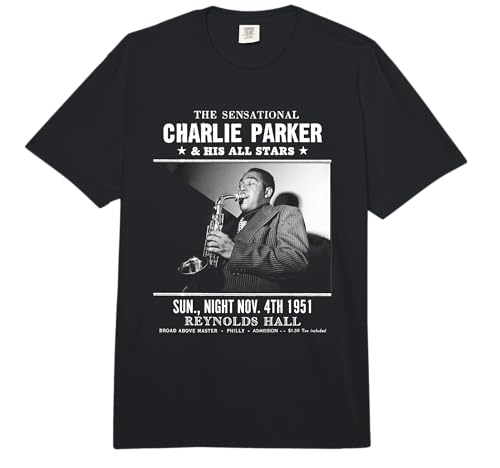
Charlie Parker Reynolds Hall Philadelphia 1951 Greyscale Comfort Colors Adult Heavyweight T-Shirt
$40.00
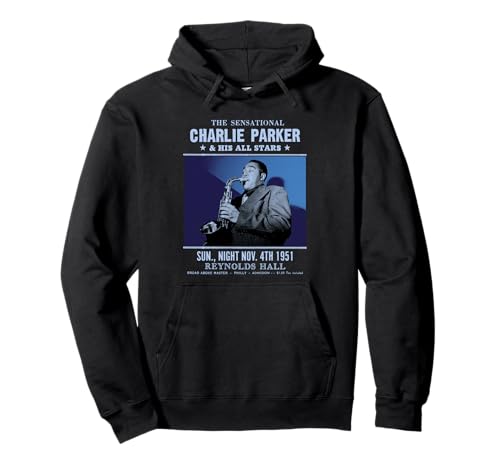
Charlie Parker Reynolds Hall Philadelphia 1951 Blue Photo Pullover Hoodie
$50.00
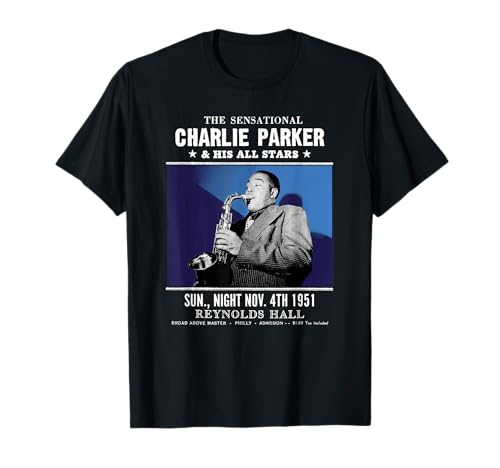
Charlie Parker Reynolds Hall Philadelphia 1951 T-Shirt
$25.00
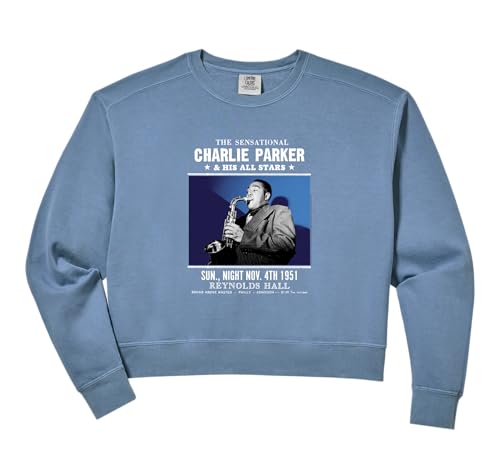
Womens Charlie Parker Reynolds Hall Philadelphia 1951 Comfort Colors Crop Sweatshirt
$69.99
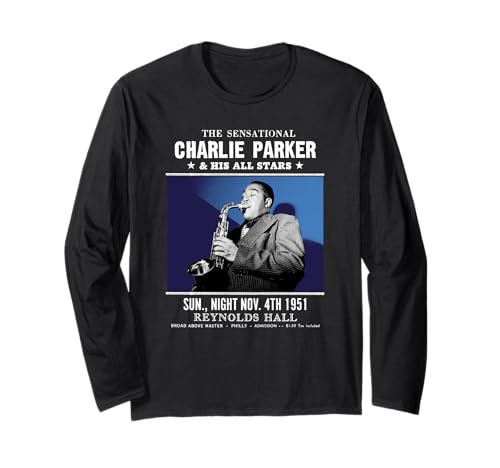
Charlie Parker Reynolds Hall Philadelphia 1951 Long Sleeve T-Shirt
$35.00
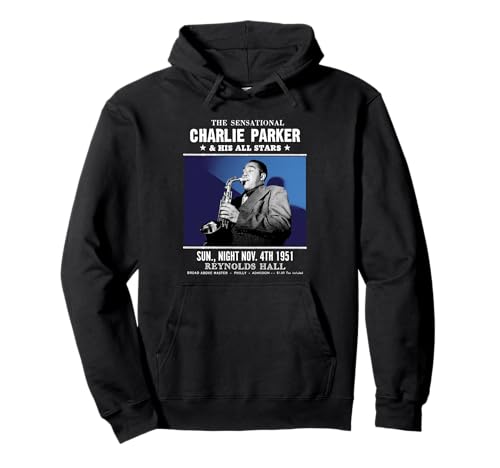
Charlie Parker Reynolds Hall Philadelphia 1951 Pullover Hoodie
$50.00
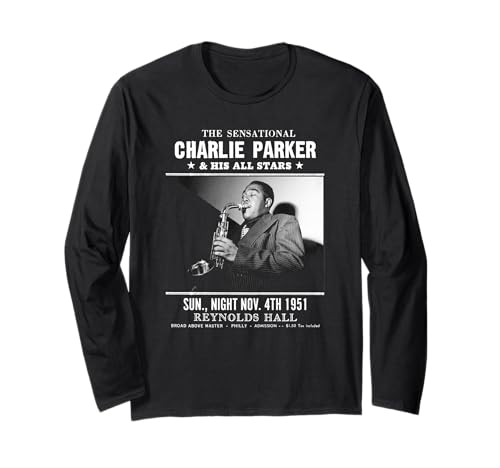
Charlie Parker Reynolds Hall Philadelphia 1951 Greyscale Long Sleeve T-Shirt
$35.00
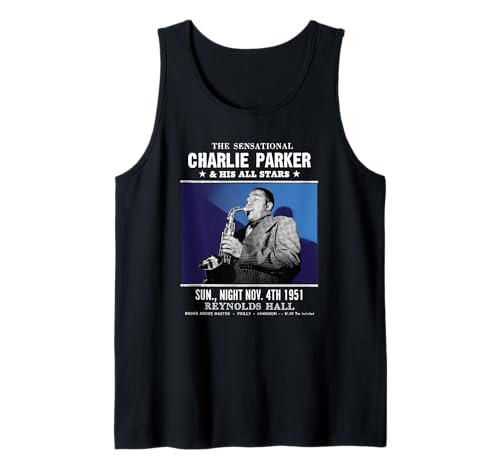
Charlie Parker Reynolds Hall Philadelphia 1951 Tank Top
$25.00
 すべてを表示
コンサートを二度と見逃すことはありません。
似ているアーティストを見つけ、無料のBandsintownアカウントでツアーの発表、コンサートチケット、お近くのショーに関するアラートを受け取りましょう。
Charlie Parker について
Charlie Parker
Charles Christopher "Bird" Parker, Jr. (August 29, 1920 – March 12, 1955) was an American jazz saxophonist and composer. Early in his career Parker was dubbed Yardbird; this was later shortened to 'Bird' (or sometimes 'Yard') and remained Parker's nickname for the rest of his life and inspiration for the titles of his works e.g. Yardbird Suite.
Parker is commonly considered the greatest bebop jazz musician. In terms of influence and impact, his contribution to jazz was so great that Charles Mingus commented that if Bird were alive today, he would think he was living in a hall of mirrors. Bird's talent is compared almost without argument to such legendary musicians as Louis Armstrong and Duke Ellington, and his reputation and legend as one of the best saxophonists is such that some critics say he was unsurpassed; jazz critic Scott Yanow speaks for many jazz fans and musicians when he suggests that "Parker was arguably the greatest saxophonist of all time."[1]
A founding figure of bebop, Parker's innovative approach to melody, rhythm and harmony have exerted an incalculable influence on jazz. Several of Parker's songs have become standards of the repertoire, and innumerable musicians have studied Parker's music and absorbed elements of his style.
Parker became an icon for the Beat generation, and was a pivotal figure in the evolving conception of the jazz musician as an uncompromising artist and intellectual, rather than just a popular entertainer. At various times, Parker fused jazz with other musical styles, from classical (seeking to study with Edgard Varèse and Stefan Wolpe) to latin music (recordings with Machito), blazing paths followed later by others.
Parker was known for often showing up to performances without an instrument and borrowing someone else's at the last moment. At more than one venue he played on a plastic Grafton saxophone; later, saxophonist Ornette Coleman used this brand of plastic sax in his early career. On one particular occasion before a concert in Toronto, Canada, he had sold his saxophone to buy drugs, and at the last minute, he, Dizzy Gillespie and other members of Charlie's entourage went running around Toronto trying to find a saxophone. After scouring all the downtown pawnshops open at the time, they were only able to find a Grafton, which Parker proceeded to use at the concert that night. This concert is documented on the album Jazz at Massey Hall. The album is considered one of the greatest live recordings in Jazz history.
Parker's battles with alcoholism and heroin addiction ranged from his teenage years until his death from pneumonia and a bleeding ulcer at 34.
During his lifetime, tribute was paid to Parker when a new nightclub in New York was named Birdland in his honor in 1949.
Three years later, George Shearing wrote "Lullaby of Birdland," which was named for both Parker and the nightclub.
The legend "Bird Lives" first appeared as graffiti in New York City subways a few hours after Parker's passing. For this, the poet Ted Joans is usually credited.
Charlie Parker has been an inspiration to countless jazz musicians, non-jazz musicians (such as the classical cellist Yo-Yo Ma and the Rolling Stones' drummer Charlie Watts), painters, poets, and writers throughout the world.
Parker is commonly considered the greatest bebop jazz musician. In terms of influence and impact, his contribution to jazz was so great that Charles Mingus commented that if Bird were alive today, he would think he was living in a hall of mirrors. Bird's talent is compared almost without argument to such legendary musicians as Louis Armstrong and Duke Ellington, and his reputation and legend as one of the best saxophonists is such that some critics say he was unsurpassed; jazz critic Scott Yanow speaks for many jazz fans and musicians when he suggests that "Parker was arguably the greatest saxophonist of all time."[1]
A founding figure of bebop, Parker's innovative approach to melody, rhythm and harmony have exerted an incalculable influence on jazz. Several of Parker's songs have become standards of the repertoire, and innumerable musicians have studied Parker's music and absorbed elements of his style.
Parker became an icon for the Beat generation, and was a pivotal figure in the evolving conception of the jazz musician as an uncompromising artist and intellectual, rather than just a popular entertainer. At various times, Parker fused jazz with other musical styles, from classical (seeking to study with Edgard Varèse and Stefan Wolpe) to latin music (recordings with Machito), blazing paths followed later by others.
Parker was known for often showing up to performances without an instrument and borrowing someone else's at the last moment. At more than one venue he played on a plastic Grafton saxophone; later, saxophonist Ornette Coleman used this brand of plastic sax in his early career. On one particular occasion before a concert in Toronto, Canada, he had sold his saxophone to buy drugs, and at the last minute, he, Dizzy Gillespie and other members of Charlie's entourage went running around Toronto trying to find a saxophone. After scouring all the downtown pawnshops open at the time, they were only able to find a Grafton, which Parker proceeded to use at the concert that night. This concert is documented on the album Jazz at Massey Hall. The album is considered one of the greatest live recordings in Jazz history.
Parker's battles with alcoholism and heroin addiction ranged from his teenage years until his death from pneumonia and a bleeding ulcer at 34.
During his lifetime, tribute was paid to Parker when a new nightclub in New York was named Birdland in his honor in 1949.
Three years later, George Shearing wrote "Lullaby of Birdland," which was named for both Parker and the nightclub.
The legend "Bird Lives" first appeared as graffiti in New York City subways a few hours after Parker's passing. For this, the poet Ted Joans is usually credited.
Charlie Parker has been an inspiration to countless jazz musicians, non-jazz musicians (such as the classical cellist Yo-Yo Ma and the Rolling Stones' drummer Charlie Watts), painters, poets, and writers throughout the world.
表示を増やす
ジャンル:
Jazz
ツアー中の同じテイストのアーティスト
Charlie Parker 物販
Charlie Parker Hi-De-Ho Club Los Angeles 1947 T-Shirt
$25.00
Charlie Parker - Music T-Shirt
$22.99
Charlie Parker - The Three Deuces Comfort Colors Adult Sweatshirt
$52.99
Charlie Parker - Music Comfort Colors Crop Top
$26.99
Womens Charlie Parker Reynolds Hall Philadelphia 1951 Blue Photo Comfort Colors Crop Sweatshirt
$69.99
Charlie Parker Reynolds Hall Philadelphia 1951 Case for iPhone 17
$20.00
Charlie Parker Reynolds Hall Philadelphia 1951 Greyscale Case for iPhone 17
$20.00
Charlie Parker Reynolds Hall Philadelphia 1951 Sweatshirt
$45.00
Charlie Parker Reynolds Hall Philadelphia 1951 Greyscale Premium Tri-Blend T-Shirt
$27.99
Women's Charlie Parker Reynolds Hall Philadelphia 1951 Blue Photo V-Neck T-Shirt
$25.00
Charlie Parker Reynolds Hall Philadelphia 1951 Greyscale Tank Top
$25.00
Charlie Parker Reynolds Hall Philadelphia 1951 Blue Photo Premium Tri-Blend T-Shirt
$27.99
Charlie Parker Reynolds Hall Philadelphia 1951 Greyscale Comfort Colors Adult Heavyweight T-Shirt
$40.00
Charlie Parker Reynolds Hall Philadelphia 1951 Blue Photo Pullover Hoodie
$50.00
Charlie Parker Reynolds Hall Philadelphia 1951 T-Shirt
$25.00
Womens Charlie Parker Reynolds Hall Philadelphia 1951 Comfort Colors Crop Sweatshirt
$69.99
Charlie Parker Reynolds Hall Philadelphia 1951 Long Sleeve T-Shirt
$35.00
Charlie Parker Reynolds Hall Philadelphia 1951 Pullover Hoodie
$50.00
Charlie Parker Reynolds Hall Philadelphia 1951 Greyscale Long Sleeve T-Shirt
$35.00
Charlie Parker Reynolds Hall Philadelphia 1951 Tank Top
$25.00
すべてを表示Charlie Parker について
Charlie Parker
Charles Christopher "Bird" Parker, Jr. (August 29, 1920 – March 12, 1955) was an American jazz saxophonist and composer. Early in his career Parker was dubbed Yardbird; this was later shortened to 'Bird' (or sometimes 'Yard') and remained Parker's nickname for the rest of his life and inspiration for the titles of his works e.g. Yardbird Suite.
Parker is commonly considered the greatest bebop jazz musician. In terms of influence and impact, his contribution to jazz was so great that Charles Mingus commented that if Bird were alive today, he would think he was living in a hall of mirrors. Bird's talent is compared almost without argument to such legendary musicians as Louis Armstrong and Duke Ellington, and his reputation and legend as one of the best saxophonists is such that some critics say he was unsurpassed; jazz critic Scott Yanow speaks for many jazz fans and musicians when he suggests that "Parker was arguably the greatest saxophonist of all time."[1]
A founding figure of bebop, Parker's innovative approach to melody, rhythm and harmony have exerted an incalculable influence on jazz. Several of Parker's songs have become standards of the repertoire, and innumerable musicians have studied Parker's music and absorbed elements of his style.
Parker became an icon for the Beat generation, and was a pivotal figure in the evolving conception of the jazz musician as an uncompromising artist and intellectual, rather than just a popular entertainer. At various times, Parker fused jazz with other musical styles, from classical (seeking to study with Edgard Varèse and Stefan Wolpe) to latin music (recordings with Machito), blazing paths followed later by others.
Parker was known for often showing up to performances without an instrument and borrowing someone else's at the last moment. At more than one venue he played on a plastic Grafton saxophone; later, saxophonist Ornette Coleman used this brand of plastic sax in his early career. On one particular occasion before a concert in Toronto, Canada, he had sold his saxophone to buy drugs, and at the last minute, he, Dizzy Gillespie and other members of Charlie's entourage went running around Toronto trying to find a saxophone. After scouring all the downtown pawnshops open at the time, they were only able to find a Grafton, which Parker proceeded to use at the concert that night. This concert is documented on the album Jazz at Massey Hall. The album is considered one of the greatest live recordings in Jazz history.
Parker's battles with alcoholism and heroin addiction ranged from his teenage years until his death from pneumonia and a bleeding ulcer at 34.
During his lifetime, tribute was paid to Parker when a new nightclub in New York was named Birdland in his honor in 1949.
Three years later, George Shearing wrote "Lullaby of Birdland," which was named for both Parker and the nightclub.
The legend "Bird Lives" first appeared as graffiti in New York City subways a few hours after Parker's passing. For this, the poet Ted Joans is usually credited.
Charlie Parker has been an inspiration to countless jazz musicians, non-jazz musicians (such as the classical cellist Yo-Yo Ma and the Rolling Stones' drummer Charlie Watts), painters, poets, and writers throughout the world.
Parker is commonly considered the greatest bebop jazz musician. In terms of influence and impact, his contribution to jazz was so great that Charles Mingus commented that if Bird were alive today, he would think he was living in a hall of mirrors. Bird's talent is compared almost without argument to such legendary musicians as Louis Armstrong and Duke Ellington, and his reputation and legend as one of the best saxophonists is such that some critics say he was unsurpassed; jazz critic Scott Yanow speaks for many jazz fans and musicians when he suggests that "Parker was arguably the greatest saxophonist of all time."[1]
A founding figure of bebop, Parker's innovative approach to melody, rhythm and harmony have exerted an incalculable influence on jazz. Several of Parker's songs have become standards of the repertoire, and innumerable musicians have studied Parker's music and absorbed elements of his style.
Parker became an icon for the Beat generation, and was a pivotal figure in the evolving conception of the jazz musician as an uncompromising artist and intellectual, rather than just a popular entertainer. At various times, Parker fused jazz with other musical styles, from classical (seeking to study with Edgard Varèse and Stefan Wolpe) to latin music (recordings with Machito), blazing paths followed later by others.
Parker was known for often showing up to performances without an instrument and borrowing someone else's at the last moment. At more than one venue he played on a plastic Grafton saxophone; later, saxophonist Ornette Coleman used this brand of plastic sax in his early career. On one particular occasion before a concert in Toronto, Canada, he had sold his saxophone to buy drugs, and at the last minute, he, Dizzy Gillespie and other members of Charlie's entourage went running around Toronto trying to find a saxophone. After scouring all the downtown pawnshops open at the time, they were only able to find a Grafton, which Parker proceeded to use at the concert that night. This concert is documented on the album Jazz at Massey Hall. The album is considered one of the greatest live recordings in Jazz history.
Parker's battles with alcoholism and heroin addiction ranged from his teenage years until his death from pneumonia and a bleeding ulcer at 34.
During his lifetime, tribute was paid to Parker when a new nightclub in New York was named Birdland in his honor in 1949.
Three years later, George Shearing wrote "Lullaby of Birdland," which was named for both Parker and the nightclub.
The legend "Bird Lives" first appeared as graffiti in New York City subways a few hours after Parker's passing. For this, the poet Ted Joans is usually credited.
Charlie Parker has been an inspiration to countless jazz musicians, non-jazz musicians (such as the classical cellist Yo-Yo Ma and the Rolling Stones' drummer Charlie Watts), painters, poets, and writers throughout the world.
表示を増やす
ジャンル:
Jazz
コンサートを二度と見逃すことはありません。
似ているアーティストを見つけ、無料のBandsintownアカウントでツアーの発表、コンサートチケット、お近くのショーに関するアラートを受け取りましょう。
Bandsintown アプリで最高の体験をお楽しみください。
