センスが良いですね!
ログインしてお気に入りのアーティストをフォローしたり、イベントを保存したりしましょう。
あなたの街にやってくる大好きなバンドやアーティストのイベント日程を調べましょう。Bandsintownを使って、コンサートチケットや最新ニュースを入手してください。

'%3e %3cpath d='M17.2 8.65233C17.2 3.87262 13.3508 0 8.6 0C3.84919 0 0 3.87262 0 8.65233C0 12.9785 3.12097 16.572 7.24758 17.2V11.1643H5.0629V8.65233H7.24758V6.76836C7.24758 4.60527 8.53065 3.38418 10.4726 3.38418C11.4435 3.38418 12.4145 3.55862 12.4145 3.55862V5.68682H11.3395C10.2645 5.68682 9.91774 6.3497 9.91774 7.04746V8.65233H12.3105L11.929 11.1643H9.91774V17.2C14.0444 16.572 17.2 12.9785 17.2 8.65233Z' fill='%236D6D6D'/%3e %3c/g%3e %3cdefs%3e %3cclipPath id='clip0_11991_110375'%3e %3crect width='17.2' height='17.2' fill='white'/%3e %3c/clipPath%3e %3c/defs%3e %3c/svg%3e)
'%3e %3cpath d='M13.546 0.716797H16.1835L10.4214 7.3954L17.2 16.4835H11.8924L7.73534 10.9716L2.97869 16.4835H0.339647L6.50272 9.33995L0 0.716797H5.44232L9.19996 5.75485L13.546 0.716797ZM12.6204 14.8825H14.0818L4.64822 2.23363H3.07994L12.6204 14.8825Z' fill='%236D6D6D'/%3e %3c/g%3e %3cdefs%3e %3cclipPath id='clip0_11991_110380'%3e %3crect width='17.2' height='17.2' fill='white'/%3e %3c/clipPath%3e %3c/defs%3e %3c/svg%3e)
'%3e %3cpath d='M8.6192 4.16563C6.16205 4.16563 4.20402 6.16205 4.20402 8.5808C4.20402 11.0379 6.16205 12.996 8.6192 12.996C11.0379 12.996 13.0344 11.0379 13.0344 8.5808C13.0344 6.16205 11.0379 4.16563 8.6192 4.16563ZM8.6192 11.4603C7.04509 11.4603 5.73973 10.1933 5.73973 8.5808C5.73973 7.0067 7.0067 5.73973 8.6192 5.73973C10.1933 5.73973 11.4603 7.0067 11.4603 8.5808C11.4603 10.1933 10.1933 11.4603 8.6192 11.4603ZM14.2246 4.01205C14.2246 4.58795 13.7638 5.04866 13.1879 5.04866C12.6121 5.04866 12.1513 4.58795 12.1513 4.01205C12.1513 3.43616 12.6121 2.97545 13.1879 2.97545C13.7638 2.97545 14.2246 3.43616 14.2246 4.01205ZM17.1424 5.04866C17.0656 3.66652 16.7585 2.43795 15.7603 1.43973C14.7621 0.441518 13.5335 0.134375 12.1513 0.0575893C10.7308 -0.0191964 6.4692 -0.0191964 5.04866 0.0575893C3.66652 0.134375 2.47634 0.441518 1.43973 1.43973C0.441518 2.43795 0.134375 3.66652 0.0575893 5.04866C-0.0191964 6.4692 -0.0191964 10.7308 0.0575893 12.1513C0.134375 13.5335 0.441518 14.7237 1.43973 15.7603C2.47634 16.7585 3.66652 17.0656 5.04866 17.1424C6.4692 17.2192 10.7308 17.2192 12.1513 17.1424C13.5335 17.0656 14.7621 16.7585 15.7603 15.7603C16.7585 14.7237 17.0656 13.5335 17.1424 12.1513C17.2192 10.7308 17.2192 6.4692 17.1424 5.04866ZM15.2996 13.6487C15.0308 14.4165 14.4165 14.9924 13.6871 15.2996C12.5353 15.7603 9.84777 15.6451 8.6192 15.6451C7.35223 15.6451 4.66473 15.7603 3.55134 15.2996C2.78348 14.9924 2.20759 14.4165 1.90045 13.6487C1.43973 12.5353 1.55491 9.84777 1.55491 8.5808C1.55491 7.35223 1.43973 4.66473 1.90045 3.51295C2.20759 2.78348 2.78348 2.20759 3.55134 1.90045C4.66473 1.43973 7.35223 1.55491 8.6192 1.55491C9.84777 1.55491 12.5353 1.43973 13.6871 1.90045C14.4165 2.1692 14.9924 2.78348 15.2996 3.51295C15.7603 4.66473 15.6451 7.35223 15.6451 8.5808C15.6451 9.84777 15.7603 12.5353 15.2996 13.6487Z' fill='%236D6D6D'/%3e %3c/g%3e %3cdefs%3e %3cclipPath id='clip0_11991_110387'%3e %3crect width='17.2' height='17.2' fill='white'/%3e %3c/clipPath%3e %3c/defs%3e %3c/svg%3e)


アーティスト
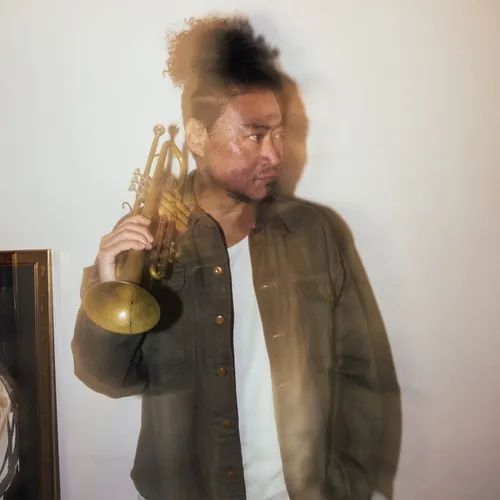
Takuya Kuroda
ツアー中検証済み
フォロワー数 2.96万•近日開催予定の公演6件
あなたの都市で近日開催予定の公演はありません
Takuya Kuroda にお住いの地域での公演リクエストを送る
公演をリクエスト
すべてのイベントとライブ配信
11月
13日
金
11月
18日
水
11月
20日
金
11月
26日
木
11月
27日
金
Takuya Kurodaのツアー
おすすめアーティスト
Takuya Kurodaのコンサートを二度と見逃すことはありません。
無料のBandsintownアカウントでツアーの発表、コンサートチケット、お近くのショーに関するアラートを受け取りましょう。
Takuya Kuroda について
Takuya Kuroda
Trumpet/Compose/Arrangement
Brooklyn NY
Kobe-born, Brooklyn-based trumpeter Takuya Kuroda’s eight studio album, Everyday is a stunning demonstration of his dedication and skill. Since the release of his soulful seventh album , 2022’s Midnight Crisp –– a record praised by PopMatters as a “future classic” –– Kuroda has not missed a beat. In his desire to achieve the “perfect blend of production and organic performance” the 45-year-old musician has continued to throw himself into his practice daily, nearly thirty years into his musical life. Everyday builds on and dives ever deeper into the hip hop and neo-soul elements of his previous work. It is a triumph of genre-blending modern jazz. Kuroda’s playing is sure-footed and pure –– whether on the horn, synth, or Rhodes–– and he virtuosically dances among infectious rhythms of his own creation.
Kuroda’s twenty-one years in the United States have been fruitful. After studying composition at The New School, he began performing with DJ Premier’s Badder Band, Jose James and Akoya Afrobeat, and has recorded as a sideman and bandleader for records on the likes of Blue Note and Concord. But as Kuroda himself says, “the only way to make the music that I want to make is to work hard, every day.” And so we have Everyday, a title which reflects, as Kuroda puts it, “that simple message.”
There is a certain duality to the title that taps into something profound about this music. “Everyday” of course means both daily and commonplace. While Kuroda’s music is anything but average, there is something about the intrinsic and embedded nature of the day-to-day, the incidental rhythms of life, that is reflected and seductively expounded on here. Kuroda describes the process of recording Everyday like this: “Make tracks at home, bring them to the studio, add or replace sounds, invite musicians, repeat the process to polish the track –– as I hear it.” There is both a no-nonsense work ethic here and also a sort of embeddedness, an everydayness, that Kuroda achieves through this practice which perhaps cannot be accessed if one simply waits to get to the studio to begin work. Kuroda builds, tweaks, plays and polishes until what’s coming through the speakers matches what’s been playing in his head everyday. This is exactly what ensures Kuroda’s skillful synthesis of influences which Dean Van Nguyen noted while reviewing 2020’s Fly Moon Die Soon for Pitchfork. One is left with that sense that Kuroda has been tapping it all out everywhere he goes, drumming his fingers on the diner counter, shuffling his feet along the pathway in the park, manifesting the rhythms of his mind. “Groove,” Kuroda says, “is the foundation for all the tracks on Everyday.”
And atop that strong foundation, brought to life by the energy of David Frazier’s drumming, Kuroda’s shimmering lyricism dances all over Everyday. His trumpet playing pops and weaves and rings on the title track and his melodies are, as he puts it, “singable” –– profoundly so on
the album closer, “Curiosity,” on which Kuroda trades trumpet for flugelhorn. Before that, “Bad Bye” is a glittering and classic sounding neo soul effort, featuring a stunning performance from vocalist FiJA. It’s as though Kuroda plucked this track from a dream of Mama’s Gun –– but, unmistakably, it’s Kuroda’s dream and so the song is Kuroda’s, entirely. Likewise with “Iron Giraffe,” in which Kuroda makes space for tenor saxophonist Craig Hill to weave a contemporary reverie of Night Music.
Everyday is hyperaware of a panoply of old ideas and a pantheon of old gods but as Kuroda engages these tropes and personalities day in and day out, he turns it all around in a style that’s undeniably cool and personal. As Pitchfork put it, “Kuroda’s skill is not drawing influence from so many different forms, it’s radiating joy in doing so.” And as Kuroda puts it, “I’m still learning everyday and trying to express myself more clearly in the form of music that I love.” It’s this sterling dedication that makes Takuya Kuroda and Everyday anything but commonplace.
Brooklyn NY
Kobe-born, Brooklyn-based trumpeter Takuya Kuroda’s eight studio album, Everyday is a stunning demonstration of his dedication and skill. Since the release of his soulful seventh album , 2022’s Midnight Crisp –– a record praised by PopMatters as a “future classic” –– Kuroda has not missed a beat. In his desire to achieve the “perfect blend of production and organic performance” the 45-year-old musician has continued to throw himself into his practice daily, nearly thirty years into his musical life. Everyday builds on and dives ever deeper into the hip hop and neo-soul elements of his previous work. It is a triumph of genre-blending modern jazz. Kuroda’s playing is sure-footed and pure –– whether on the horn, synth, or Rhodes–– and he virtuosically dances among infectious rhythms of his own creation.
Kuroda’s twenty-one years in the United States have been fruitful. After studying composition at The New School, he began performing with DJ Premier’s Badder Band, Jose James and Akoya Afrobeat, and has recorded as a sideman and bandleader for records on the likes of Blue Note and Concord. But as Kuroda himself says, “the only way to make the music that I want to make is to work hard, every day.” And so we have Everyday, a title which reflects, as Kuroda puts it, “that simple message.”
There is a certain duality to the title that taps into something profound about this music. “Everyday” of course means both daily and commonplace. While Kuroda’s music is anything but average, there is something about the intrinsic and embedded nature of the day-to-day, the incidental rhythms of life, that is reflected and seductively expounded on here. Kuroda describes the process of recording Everyday like this: “Make tracks at home, bring them to the studio, add or replace sounds, invite musicians, repeat the process to polish the track –– as I hear it.” There is both a no-nonsense work ethic here and also a sort of embeddedness, an everydayness, that Kuroda achieves through this practice which perhaps cannot be accessed if one simply waits to get to the studio to begin work. Kuroda builds, tweaks, plays and polishes until what’s coming through the speakers matches what’s been playing in his head everyday. This is exactly what ensures Kuroda’s skillful synthesis of influences which Dean Van Nguyen noted while reviewing 2020’s Fly Moon Die Soon for Pitchfork. One is left with that sense that Kuroda has been tapping it all out everywhere he goes, drumming his fingers on the diner counter, shuffling his feet along the pathway in the park, manifesting the rhythms of his mind. “Groove,” Kuroda says, “is the foundation for all the tracks on Everyday.”
And atop that strong foundation, brought to life by the energy of David Frazier’s drumming, Kuroda’s shimmering lyricism dances all over Everyday. His trumpet playing pops and weaves and rings on the title track and his melodies are, as he puts it, “singable” –– profoundly so on
the album closer, “Curiosity,” on which Kuroda trades trumpet for flugelhorn. Before that, “Bad Bye” is a glittering and classic sounding neo soul effort, featuring a stunning performance from vocalist FiJA. It’s as though Kuroda plucked this track from a dream of Mama’s Gun –– but, unmistakably, it’s Kuroda’s dream and so the song is Kuroda’s, entirely. Likewise with “Iron Giraffe,” in which Kuroda makes space for tenor saxophonist Craig Hill to weave a contemporary reverie of Night Music.
Everyday is hyperaware of a panoply of old ideas and a pantheon of old gods but as Kuroda engages these tropes and personalities day in and day out, he turns it all around in a style that’s undeniably cool and personal. As Pitchfork put it, “Kuroda’s skill is not drawing influence from so many different forms, it’s radiating joy in doing so.” And as Kuroda puts it, “I’m still learning everyday and trying to express myself more clearly in the form of music that I love.” It’s this sterling dedication that makes Takuya Kuroda and Everyday anything but commonplace.
表示を増やす
ジャンル:
Alternative, Jazz, Afro-beat, Hip Hop
出身地:
Kobe, Japan
あなたの都市で近日開催予定の公演はありません
Takuya Kuroda にお住いの地域での公演リクエストを送る
公演をリクエスト
すべてのイベントとライブ配信
11月
13日
金
11月
18日
水
11月
20日
金
11月
26日
木
11月
27日
金
Takuya Kurodaのツアー
Takuya Kuroda について
Takuya Kuroda
Trumpet/Compose/Arrangement
Brooklyn NY
Kobe-born, Brooklyn-based trumpeter Takuya Kuroda’s eight studio album, Everyday is a stunning demonstration of his dedication and skill. Since the release of his soulful seventh album , 2022’s Midnight Crisp –– a record praised by PopMatters as a “future classic” –– Kuroda has not missed a beat. In his desire to achieve the “perfect blend of production and organic performance” the 45-year-old musician has continued to throw himself into his practice daily, nearly thirty years into his musical life. Everyday builds on and dives ever deeper into the hip hop and neo-soul elements of his previous work. It is a triumph of genre-blending modern jazz. Kuroda’s playing is sure-footed and pure –– whether on the horn, synth, or Rhodes–– and he virtuosically dances among infectious rhythms of his own creation.
Kuroda’s twenty-one years in the United States have been fruitful. After studying composition at The New School, he began performing with DJ Premier’s Badder Band, Jose James and Akoya Afrobeat, and has recorded as a sideman and bandleader for records on the likes of Blue Note and Concord. But as Kuroda himself says, “the only way to make the music that I want to make is to work hard, every day.” And so we have Everyday, a title which reflects, as Kuroda puts it, “that simple message.”
There is a certain duality to the title that taps into something profound about this music. “Everyday” of course means both daily and commonplace. While Kuroda’s music is anything but average, there is something about the intrinsic and embedded nature of the day-to-day, the incidental rhythms of life, that is reflected and seductively expounded on here. Kuroda describes the process of recording Everyday like this: “Make tracks at home, bring them to the studio, add or replace sounds, invite musicians, repeat the process to polish the track –– as I hear it.” There is both a no-nonsense work ethic here and also a sort of embeddedness, an everydayness, that Kuroda achieves through this practice which perhaps cannot be accessed if one simply waits to get to the studio to begin work. Kuroda builds, tweaks, plays and polishes until what’s coming through the speakers matches what’s been playing in his head everyday. This is exactly what ensures Kuroda’s skillful synthesis of influences which Dean Van Nguyen noted while reviewing 2020’s Fly Moon Die Soon for Pitchfork. One is left with that sense that Kuroda has been tapping it all out everywhere he goes, drumming his fingers on the diner counter, shuffling his feet along the pathway in the park, manifesting the rhythms of his mind. “Groove,” Kuroda says, “is the foundation for all the tracks on Everyday.”
And atop that strong foundation, brought to life by the energy of David Frazier’s drumming, Kuroda’s shimmering lyricism dances all over Everyday. His trumpet playing pops and weaves and rings on the title track and his melodies are, as he puts it, “singable” –– profoundly so on
the album closer, “Curiosity,” on which Kuroda trades trumpet for flugelhorn. Before that, “Bad Bye” is a glittering and classic sounding neo soul effort, featuring a stunning performance from vocalist FiJA. It’s as though Kuroda plucked this track from a dream of Mama’s Gun –– but, unmistakably, it’s Kuroda’s dream and so the song is Kuroda’s, entirely. Likewise with “Iron Giraffe,” in which Kuroda makes space for tenor saxophonist Craig Hill to weave a contemporary reverie of Night Music.
Everyday is hyperaware of a panoply of old ideas and a pantheon of old gods but as Kuroda engages these tropes and personalities day in and day out, he turns it all around in a style that’s undeniably cool and personal. As Pitchfork put it, “Kuroda’s skill is not drawing influence from so many different forms, it’s radiating joy in doing so.” And as Kuroda puts it, “I’m still learning everyday and trying to express myself more clearly in the form of music that I love.” It’s this sterling dedication that makes Takuya Kuroda and Everyday anything but commonplace.
Brooklyn NY
Kobe-born, Brooklyn-based trumpeter Takuya Kuroda’s eight studio album, Everyday is a stunning demonstration of his dedication and skill. Since the release of his soulful seventh album , 2022’s Midnight Crisp –– a record praised by PopMatters as a “future classic” –– Kuroda has not missed a beat. In his desire to achieve the “perfect blend of production and organic performance” the 45-year-old musician has continued to throw himself into his practice daily, nearly thirty years into his musical life. Everyday builds on and dives ever deeper into the hip hop and neo-soul elements of his previous work. It is a triumph of genre-blending modern jazz. Kuroda’s playing is sure-footed and pure –– whether on the horn, synth, or Rhodes–– and he virtuosically dances among infectious rhythms of his own creation.
Kuroda’s twenty-one years in the United States have been fruitful. After studying composition at The New School, he began performing with DJ Premier’s Badder Band, Jose James and Akoya Afrobeat, and has recorded as a sideman and bandleader for records on the likes of Blue Note and Concord. But as Kuroda himself says, “the only way to make the music that I want to make is to work hard, every day.” And so we have Everyday, a title which reflects, as Kuroda puts it, “that simple message.”
There is a certain duality to the title that taps into something profound about this music. “Everyday” of course means both daily and commonplace. While Kuroda’s music is anything but average, there is something about the intrinsic and embedded nature of the day-to-day, the incidental rhythms of life, that is reflected and seductively expounded on here. Kuroda describes the process of recording Everyday like this: “Make tracks at home, bring them to the studio, add or replace sounds, invite musicians, repeat the process to polish the track –– as I hear it.” There is both a no-nonsense work ethic here and also a sort of embeddedness, an everydayness, that Kuroda achieves through this practice which perhaps cannot be accessed if one simply waits to get to the studio to begin work. Kuroda builds, tweaks, plays and polishes until what’s coming through the speakers matches what’s been playing in his head everyday. This is exactly what ensures Kuroda’s skillful synthesis of influences which Dean Van Nguyen noted while reviewing 2020’s Fly Moon Die Soon for Pitchfork. One is left with that sense that Kuroda has been tapping it all out everywhere he goes, drumming his fingers on the diner counter, shuffling his feet along the pathway in the park, manifesting the rhythms of his mind. “Groove,” Kuroda says, “is the foundation for all the tracks on Everyday.”
And atop that strong foundation, brought to life by the energy of David Frazier’s drumming, Kuroda’s shimmering lyricism dances all over Everyday. His trumpet playing pops and weaves and rings on the title track and his melodies are, as he puts it, “singable” –– profoundly so on
the album closer, “Curiosity,” on which Kuroda trades trumpet for flugelhorn. Before that, “Bad Bye” is a glittering and classic sounding neo soul effort, featuring a stunning performance from vocalist FiJA. It’s as though Kuroda plucked this track from a dream of Mama’s Gun –– but, unmistakably, it’s Kuroda’s dream and so the song is Kuroda’s, entirely. Likewise with “Iron Giraffe,” in which Kuroda makes space for tenor saxophonist Craig Hill to weave a contemporary reverie of Night Music.
Everyday is hyperaware of a panoply of old ideas and a pantheon of old gods but as Kuroda engages these tropes and personalities day in and day out, he turns it all around in a style that’s undeniably cool and personal. As Pitchfork put it, “Kuroda’s skill is not drawing influence from so many different forms, it’s radiating joy in doing so.” And as Kuroda puts it, “I’m still learning everyday and trying to express myself more clearly in the form of music that I love.” It’s this sterling dedication that makes Takuya Kuroda and Everyday anything but commonplace.
表示を増やす
ジャンル:
Alternative, Jazz, Afro-beat, Hip Hop
出身地:
Kobe, Japan
おすすめアーティスト
Takuya Kurodaのコンサートを二度と見逃すことはありません。
無料のBandsintownアカウントでツアーの発表、コンサートチケット、お近くのショーに関するアラートを受け取りましょう。
Bandsintown アプリで最高の体験をお楽しみください。

ライブ写真


ファンの声
Incredible show! Such talent and originality! Hope he becomes a regular at the Dakota.
2026年4月10日·Minneapolis, MN

Barbara
TK and band were fantastic. Played two sets and a couple of encores to a full- and enthusiastic house. A great night out.
2025年11月21日·Paris, France
Michael
He’s an amazing sax player with an outstanding band! He really connects with the audience and the crowd fed off his energy and vibe.
2025年6月6日·Los Angeles, CA

Gerald


ライブ写真
ファンの声
Incredible show! Such talent and originality! Hope he becomes a regular at the Dakota.
2026年4月10日·Minneapolis, MN
Barbara
TK and band were fantastic. Played two sets and a couple of encores to a full- and enthusiastic house. A great night out.
2025年11月21日·Paris, France
Michael
He’s an amazing sax player with an outstanding band! He really connects with the audience and the crowd fed off his energy and vibe.
2025年6月6日·Los Angeles, CA
Gerald