センスが良いですね!
ログインしてお気に入りのアーティストをフォローしたり、イベントを保存したりしましょう。
あなたの街にやってくる大好きなバンドやアーティストのイベント日程を調べましょう。Bandsintownを使って、コンサートチケットや最新ニュースを入手してください。

'%3e %3cpath d='M17.2 8.65233C17.2 3.87262 13.3508 0 8.6 0C3.84919 0 0 3.87262 0 8.65233C0 12.9785 3.12097 16.572 7.24758 17.2V11.1643H5.0629V8.65233H7.24758V6.76836C7.24758 4.60527 8.53065 3.38418 10.4726 3.38418C11.4435 3.38418 12.4145 3.55862 12.4145 3.55862V5.68682H11.3395C10.2645 5.68682 9.91774 6.3497 9.91774 7.04746V8.65233H12.3105L11.929 11.1643H9.91774V17.2C14.0444 16.572 17.2 12.9785 17.2 8.65233Z' fill='%236D6D6D'/%3e %3c/g%3e %3cdefs%3e %3cclipPath id='clip0_11991_110375'%3e %3crect width='17.2' height='17.2' fill='white'/%3e %3c/clipPath%3e %3c/defs%3e %3c/svg%3e)
'%3e %3cpath d='M13.546 0.716797H16.1835L10.4214 7.3954L17.2 16.4835H11.8924L7.73534 10.9716L2.97869 16.4835H0.339647L6.50272 9.33995L0 0.716797H5.44232L9.19996 5.75485L13.546 0.716797ZM12.6204 14.8825H14.0818L4.64822 2.23363H3.07994L12.6204 14.8825Z' fill='%236D6D6D'/%3e %3c/g%3e %3cdefs%3e %3cclipPath id='clip0_11991_110380'%3e %3crect width='17.2' height='17.2' fill='white'/%3e %3c/clipPath%3e %3c/defs%3e %3c/svg%3e)
'%3e %3cpath d='M8.6192 4.16563C6.16205 4.16563 4.20402 6.16205 4.20402 8.5808C4.20402 11.0379 6.16205 12.996 8.6192 12.996C11.0379 12.996 13.0344 11.0379 13.0344 8.5808C13.0344 6.16205 11.0379 4.16563 8.6192 4.16563ZM8.6192 11.4603C7.04509 11.4603 5.73973 10.1933 5.73973 8.5808C5.73973 7.0067 7.0067 5.73973 8.6192 5.73973C10.1933 5.73973 11.4603 7.0067 11.4603 8.5808C11.4603 10.1933 10.1933 11.4603 8.6192 11.4603ZM14.2246 4.01205C14.2246 4.58795 13.7638 5.04866 13.1879 5.04866C12.6121 5.04866 12.1513 4.58795 12.1513 4.01205C12.1513 3.43616 12.6121 2.97545 13.1879 2.97545C13.7638 2.97545 14.2246 3.43616 14.2246 4.01205ZM17.1424 5.04866C17.0656 3.66652 16.7585 2.43795 15.7603 1.43973C14.7621 0.441518 13.5335 0.134375 12.1513 0.0575893C10.7308 -0.0191964 6.4692 -0.0191964 5.04866 0.0575893C3.66652 0.134375 2.47634 0.441518 1.43973 1.43973C0.441518 2.43795 0.134375 3.66652 0.0575893 5.04866C-0.0191964 6.4692 -0.0191964 10.7308 0.0575893 12.1513C0.134375 13.5335 0.441518 14.7237 1.43973 15.7603C2.47634 16.7585 3.66652 17.0656 5.04866 17.1424C6.4692 17.2192 10.7308 17.2192 12.1513 17.1424C13.5335 17.0656 14.7621 16.7585 15.7603 15.7603C16.7585 14.7237 17.0656 13.5335 17.1424 12.1513C17.2192 10.7308 17.2192 6.4692 17.1424 5.04866ZM15.2996 13.6487C15.0308 14.4165 14.4165 14.9924 13.6871 15.2996C12.5353 15.7603 9.84777 15.6451 8.6192 15.6451C7.35223 15.6451 4.66473 15.7603 3.55134 15.2996C2.78348 14.9924 2.20759 14.4165 1.90045 13.6487C1.43973 12.5353 1.55491 9.84777 1.55491 8.5808C1.55491 7.35223 1.43973 4.66473 1.90045 3.51295C2.20759 2.78348 2.78348 2.20759 3.55134 1.90045C4.66473 1.43973 7.35223 1.55491 8.6192 1.55491C9.84777 1.55491 12.5353 1.43973 13.6871 1.90045C14.4165 2.1692 14.9924 2.78348 15.2996 3.51295C15.7603 4.66473 15.6451 7.35223 15.6451 8.5808C15.6451 9.84777 15.7603 12.5353 15.2996 13.6487Z' fill='%236D6D6D'/%3e %3c/g%3e %3cdefs%3e %3cclipPath id='clip0_11991_110387'%3e %3crect width='17.2' height='17.2' fill='white'/%3e %3c/clipPath%3e %3c/defs%3e %3c/svg%3e)


アーティスト
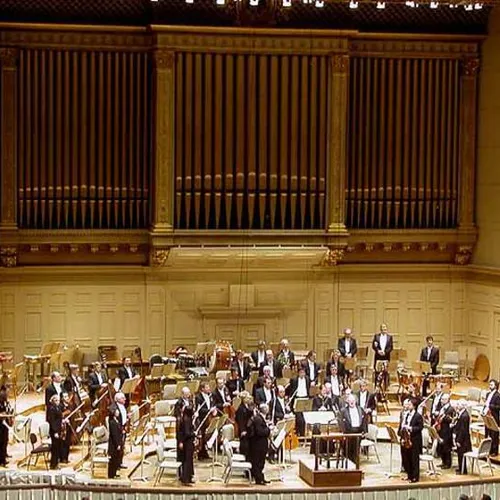
Boston Symphony Orchestra
ツアー中
フォロワー数 2.98万•近日開催予定の公演2件
あなたの都市で近日開催予定の公演はありません
Boston Symphony Orchestra にお住いの地域での公演リクエストを送る
公演をリクエスト
すべてのイベントとライブ配信
Boston Symphony Orchestra 物販

Ravel: The Orchestral Works (The Original Source Series)[180g 4 LP]
$242.65
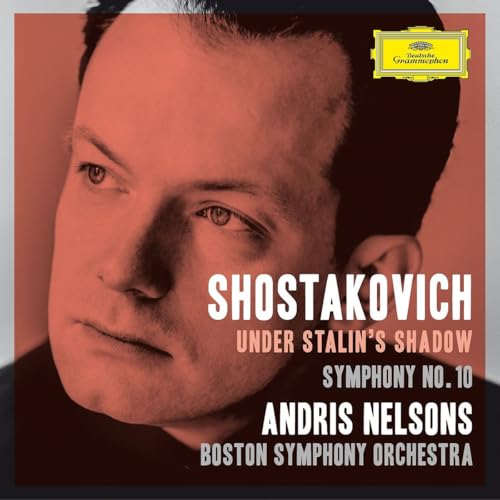
Shostakovich - Under Stalin's Shadow - Symphony No. 10
$18.67

20C: Gubaidulina: Offertorium
$20.42
 すべてを表示
Boston Symphony Orchestraのツアー
おすすめアーティスト
Boston Symphony Orchestraのコンサートを二度と見逃すことはありません。
無料のBandsintownアカウントでツアーの発表、コンサートチケット、お近くのショーに関するアラートを受け取りましょう。
Boston Symphony Orchestra について
Boston Symphony Orchestra
The Boston Symphony Orchestra is one of the world's most renowned orchestras. Its home base is Symphony Hall in Boston, Massachusetts, usually considered to be one of the three finest concert halls in the world.
The orchestra was founded in 1881 by Henry Lee Higginson. It went on to have several notable conductors, including Arthur Nikisch from 1889 to 1893, and Pierre Monteux from 1919 to 1924 who gave the orchestra a reputation for a "French" sound which persists to some degree to this day. However, it was under the baton of Serge Koussevitzky that the orchestra became best known.
Under Koussevitzky, the orchestra gave regular radio broadcasts and established its summer home at Tanglewood, where Koussevitzky founded the Berkshire Music Center which is now the Tanglewood Music Center. Those network radio broadcasts ran from 1926 through 1951, and again from 1954 through 1956; the orchestra continues to make regular live radio broadcasts to the present day. The Boston Symphony was closely involved with the creation of WGBH Radio as an outlet for its concerts.
Koussevitzky also commissioned many new pieces from prominent composers, including the Symphony No. 4 of Sergei Prokofiev and the Symphony of Psalms by Igor Stravinsky. They also gave the premiere of Béla Bartók's Concerto for Orchestra, which had been commissioned by the Koussevitzky Foundation at the instigation of Fritz Reiner and Joseph Szigeti.
Koussevitzky started a tradition that was to be continued by the orchestra with commissions by Henri Dutilleux for its 75th anniversary, Roger Sessions, and Andrzej Panufnik, for the 100th, and lately for the 125th works by Leon Kirchner, Elliott Carter, and Peter Lieberson. On other occasions, they have commissioned works from various other composers, such as John Corigliano's Symphony No. 2 for the 100th anniversary of Symphony Hall.
In 1949, Charles Münch succeeded Koussevitzky who toured with the orchestra overseas for the first time, and also produced their first stereo recording in February 1954 for RCA Victor. Münch was succeeded in 1962 by Erich Leinsdorf, who served as music director for seven years until 1969. William Steinberg was then music director from 1969 to 1973. In 1973, Seiji Ozawa took over the orchestra and remained the Music Director until 2002, the longest tenure of any Boston Symphony conductor. In 2004, James Levine became the first American-born music director ever to lead the Boston Symphony Orchestra. Violin virtuoso Willy Hess was concertmaster from 1904 to 1910. The current concertmaster is Malcolm Lowe.
The Boston Symphony also benefits from its close association with the New England Conservatory, located just one block from Symphony Hall with several graduates now occupying BSO musician seats.
An offshoot of the Boston Symphony Orchestra is the Boston Pops Orchestra, founded in 1885, which plays lighter, more popular classics, and show tunes. Arthur Fiedler was the conductor who did the most to increase the fame of the Boston Pops. Film composer John Williams succeeded Fielder as the conductor of the Pops with Keith Lockhart currently serving in that capacity.
Performing with the BSO and Boston Pops for major choral works is the Tanglewood Festival Chorus. Organized in 1970 by its founding director, John Oliver, the Chorus is comprised of two hundred fifty volunteer singers. Before the creation of the Tanglewood Chorus, and for some time after, the BSO frequently employed the New England Conservatory Chorus conducted by Lorna Cooke DeVaron, Chorus Pro Musica, Harvard Glee Club and Radcliffe Choral Society.
The orchestra was founded in 1881 by Henry Lee Higginson. It went on to have several notable conductors, including Arthur Nikisch from 1889 to 1893, and Pierre Monteux from 1919 to 1924 who gave the orchestra a reputation for a "French" sound which persists to some degree to this day. However, it was under the baton of Serge Koussevitzky that the orchestra became best known.
Under Koussevitzky, the orchestra gave regular radio broadcasts and established its summer home at Tanglewood, where Koussevitzky founded the Berkshire Music Center which is now the Tanglewood Music Center. Those network radio broadcasts ran from 1926 through 1951, and again from 1954 through 1956; the orchestra continues to make regular live radio broadcasts to the present day. The Boston Symphony was closely involved with the creation of WGBH Radio as an outlet for its concerts.
Koussevitzky also commissioned many new pieces from prominent composers, including the Symphony No. 4 of Sergei Prokofiev and the Symphony of Psalms by Igor Stravinsky. They also gave the premiere of Béla Bartók's Concerto for Orchestra, which had been commissioned by the Koussevitzky Foundation at the instigation of Fritz Reiner and Joseph Szigeti.
Koussevitzky started a tradition that was to be continued by the orchestra with commissions by Henri Dutilleux for its 75th anniversary, Roger Sessions, and Andrzej Panufnik, for the 100th, and lately for the 125th works by Leon Kirchner, Elliott Carter, and Peter Lieberson. On other occasions, they have commissioned works from various other composers, such as John Corigliano's Symphony No. 2 for the 100th anniversary of Symphony Hall.
In 1949, Charles Münch succeeded Koussevitzky who toured with the orchestra overseas for the first time, and also produced their first stereo recording in February 1954 for RCA Victor. Münch was succeeded in 1962 by Erich Leinsdorf, who served as music director for seven years until 1969. William Steinberg was then music director from 1969 to 1973. In 1973, Seiji Ozawa took over the orchestra and remained the Music Director until 2002, the longest tenure of any Boston Symphony conductor. In 2004, James Levine became the first American-born music director ever to lead the Boston Symphony Orchestra. Violin virtuoso Willy Hess was concertmaster from 1904 to 1910. The current concertmaster is Malcolm Lowe.
The Boston Symphony also benefits from its close association with the New England Conservatory, located just one block from Symphony Hall with several graduates now occupying BSO musician seats.
An offshoot of the Boston Symphony Orchestra is the Boston Pops Orchestra, founded in 1885, which plays lighter, more popular classics, and show tunes. Arthur Fiedler was the conductor who did the most to increase the fame of the Boston Pops. Film composer John Williams succeeded Fielder as the conductor of the Pops with Keith Lockhart currently serving in that capacity.
Performing with the BSO and Boston Pops for major choral works is the Tanglewood Festival Chorus. Organized in 1970 by its founding director, John Oliver, the Chorus is comprised of two hundred fifty volunteer singers. Before the creation of the Tanglewood Chorus, and for some time after, the BSO frequently employed the New England Conservatory Chorus conducted by Lorna Cooke DeVaron, Chorus Pro Musica, Harvard Glee Club and Radcliffe Choral Society.
表示を増やす
ジャンル:
Classical
あなたの都市で近日開催予定の公演はありません
Boston Symphony Orchestra にお住いの地域での公演リクエストを送る
公演をリクエスト
すべてのイベントとライブ配信
Boston Symphony Orchestra 物販
Ravel: The Orchestral Works (The Original Source Series)[180g 4 LP]
$242.65
Shostakovich - Under Stalin's Shadow - Symphony No. 10
$18.67
20C: Gubaidulina: Offertorium
$20.42
すべてを表示Boston Symphony Orchestraのツアー
Boston Symphony Orchestra について
Boston Symphony Orchestra
The Boston Symphony Orchestra is one of the world's most renowned orchestras. Its home base is Symphony Hall in Boston, Massachusetts, usually considered to be one of the three finest concert halls in the world.
The orchestra was founded in 1881 by Henry Lee Higginson. It went on to have several notable conductors, including Arthur Nikisch from 1889 to 1893, and Pierre Monteux from 1919 to 1924 who gave the orchestra a reputation for a "French" sound which persists to some degree to this day. However, it was under the baton of Serge Koussevitzky that the orchestra became best known.
Under Koussevitzky, the orchestra gave regular radio broadcasts and established its summer home at Tanglewood, where Koussevitzky founded the Berkshire Music Center which is now the Tanglewood Music Center. Those network radio broadcasts ran from 1926 through 1951, and again from 1954 through 1956; the orchestra continues to make regular live radio broadcasts to the present day. The Boston Symphony was closely involved with the creation of WGBH Radio as an outlet for its concerts.
Koussevitzky also commissioned many new pieces from prominent composers, including the Symphony No. 4 of Sergei Prokofiev and the Symphony of Psalms by Igor Stravinsky. They also gave the premiere of Béla Bartók's Concerto for Orchestra, which had been commissioned by the Koussevitzky Foundation at the instigation of Fritz Reiner and Joseph Szigeti.
Koussevitzky started a tradition that was to be continued by the orchestra with commissions by Henri Dutilleux for its 75th anniversary, Roger Sessions, and Andrzej Panufnik, for the 100th, and lately for the 125th works by Leon Kirchner, Elliott Carter, and Peter Lieberson. On other occasions, they have commissioned works from various other composers, such as John Corigliano's Symphony No. 2 for the 100th anniversary of Symphony Hall.
In 1949, Charles Münch succeeded Koussevitzky who toured with the orchestra overseas for the first time, and also produced their first stereo recording in February 1954 for RCA Victor. Münch was succeeded in 1962 by Erich Leinsdorf, who served as music director for seven years until 1969. William Steinberg was then music director from 1969 to 1973. In 1973, Seiji Ozawa took over the orchestra and remained the Music Director until 2002, the longest tenure of any Boston Symphony conductor. In 2004, James Levine became the first American-born music director ever to lead the Boston Symphony Orchestra. Violin virtuoso Willy Hess was concertmaster from 1904 to 1910. The current concertmaster is Malcolm Lowe.
The Boston Symphony also benefits from its close association with the New England Conservatory, located just one block from Symphony Hall with several graduates now occupying BSO musician seats.
An offshoot of the Boston Symphony Orchestra is the Boston Pops Orchestra, founded in 1885, which plays lighter, more popular classics, and show tunes. Arthur Fiedler was the conductor who did the most to increase the fame of the Boston Pops. Film composer John Williams succeeded Fielder as the conductor of the Pops with Keith Lockhart currently serving in that capacity.
Performing with the BSO and Boston Pops for major choral works is the Tanglewood Festival Chorus. Organized in 1970 by its founding director, John Oliver, the Chorus is comprised of two hundred fifty volunteer singers. Before the creation of the Tanglewood Chorus, and for some time after, the BSO frequently employed the New England Conservatory Chorus conducted by Lorna Cooke DeVaron, Chorus Pro Musica, Harvard Glee Club and Radcliffe Choral Society.
The orchestra was founded in 1881 by Henry Lee Higginson. It went on to have several notable conductors, including Arthur Nikisch from 1889 to 1893, and Pierre Monteux from 1919 to 1924 who gave the orchestra a reputation for a "French" sound which persists to some degree to this day. However, it was under the baton of Serge Koussevitzky that the orchestra became best known.
Under Koussevitzky, the orchestra gave regular radio broadcasts and established its summer home at Tanglewood, where Koussevitzky founded the Berkshire Music Center which is now the Tanglewood Music Center. Those network radio broadcasts ran from 1926 through 1951, and again from 1954 through 1956; the orchestra continues to make regular live radio broadcasts to the present day. The Boston Symphony was closely involved with the creation of WGBH Radio as an outlet for its concerts.
Koussevitzky also commissioned many new pieces from prominent composers, including the Symphony No. 4 of Sergei Prokofiev and the Symphony of Psalms by Igor Stravinsky. They also gave the premiere of Béla Bartók's Concerto for Orchestra, which had been commissioned by the Koussevitzky Foundation at the instigation of Fritz Reiner and Joseph Szigeti.
Koussevitzky started a tradition that was to be continued by the orchestra with commissions by Henri Dutilleux for its 75th anniversary, Roger Sessions, and Andrzej Panufnik, for the 100th, and lately for the 125th works by Leon Kirchner, Elliott Carter, and Peter Lieberson. On other occasions, they have commissioned works from various other composers, such as John Corigliano's Symphony No. 2 for the 100th anniversary of Symphony Hall.
In 1949, Charles Münch succeeded Koussevitzky who toured with the orchestra overseas for the first time, and also produced their first stereo recording in February 1954 for RCA Victor. Münch was succeeded in 1962 by Erich Leinsdorf, who served as music director for seven years until 1969. William Steinberg was then music director from 1969 to 1973. In 1973, Seiji Ozawa took over the orchestra and remained the Music Director until 2002, the longest tenure of any Boston Symphony conductor. In 2004, James Levine became the first American-born music director ever to lead the Boston Symphony Orchestra. Violin virtuoso Willy Hess was concertmaster from 1904 to 1910. The current concertmaster is Malcolm Lowe.
The Boston Symphony also benefits from its close association with the New England Conservatory, located just one block from Symphony Hall with several graduates now occupying BSO musician seats.
An offshoot of the Boston Symphony Orchestra is the Boston Pops Orchestra, founded in 1885, which plays lighter, more popular classics, and show tunes. Arthur Fiedler was the conductor who did the most to increase the fame of the Boston Pops. Film composer John Williams succeeded Fielder as the conductor of the Pops with Keith Lockhart currently serving in that capacity.
Performing with the BSO and Boston Pops for major choral works is the Tanglewood Festival Chorus. Organized in 1970 by its founding director, John Oliver, the Chorus is comprised of two hundred fifty volunteer singers. Before the creation of the Tanglewood Chorus, and for some time after, the BSO frequently employed the New England Conservatory Chorus conducted by Lorna Cooke DeVaron, Chorus Pro Musica, Harvard Glee Club and Radcliffe Choral Society.
表示を増やす
ジャンル:
Classical
おすすめアーティスト
Boston Symphony Orchestraのコンサートを二度と見逃すことはありません。
無料のBandsintownアカウントでツアーの発表、コンサートチケット、お近くのショーに関するアラートを受け取りましょう。
Bandsintown アプリで最高の体験をお楽しみください。
