センスが良いですね!
ログインしてお気に入りのアーティストをフォローしたり、イベントを保存したりしましょう。
あなたの街にやってくる大好きなバンドやアーティストのイベント日程を調べましょう。Bandsintownを使って、コンサートチケットや最新ニュースを入手してください。

'%3e %3cpath d='M17.2 8.65233C17.2 3.87262 13.3508 0 8.6 0C3.84919 0 0 3.87262 0 8.65233C0 12.9785 3.12097 16.572 7.24758 17.2V11.1643H5.0629V8.65233H7.24758V6.76836C7.24758 4.60527 8.53065 3.38418 10.4726 3.38418C11.4435 3.38418 12.4145 3.55862 12.4145 3.55862V5.68682H11.3395C10.2645 5.68682 9.91774 6.3497 9.91774 7.04746V8.65233H12.3105L11.929 11.1643H9.91774V17.2C14.0444 16.572 17.2 12.9785 17.2 8.65233Z' fill='%236D6D6D'/%3e %3c/g%3e %3cdefs%3e %3cclipPath id='clip0_11991_110375'%3e %3crect width='17.2' height='17.2' fill='white'/%3e %3c/clipPath%3e %3c/defs%3e %3c/svg%3e)
'%3e %3cpath d='M13.546 0.716797H16.1835L10.4214 7.3954L17.2 16.4835H11.8924L7.73534 10.9716L2.97869 16.4835H0.339647L6.50272 9.33995L0 0.716797H5.44232L9.19996 5.75485L13.546 0.716797ZM12.6204 14.8825H14.0818L4.64822 2.23363H3.07994L12.6204 14.8825Z' fill='%236D6D6D'/%3e %3c/g%3e %3cdefs%3e %3cclipPath id='clip0_11991_110380'%3e %3crect width='17.2' height='17.2' fill='white'/%3e %3c/clipPath%3e %3c/defs%3e %3c/svg%3e)
'%3e %3cpath d='M8.6192 4.16563C6.16205 4.16563 4.20402 6.16205 4.20402 8.5808C4.20402 11.0379 6.16205 12.996 8.6192 12.996C11.0379 12.996 13.0344 11.0379 13.0344 8.5808C13.0344 6.16205 11.0379 4.16563 8.6192 4.16563ZM8.6192 11.4603C7.04509 11.4603 5.73973 10.1933 5.73973 8.5808C5.73973 7.0067 7.0067 5.73973 8.6192 5.73973C10.1933 5.73973 11.4603 7.0067 11.4603 8.5808C11.4603 10.1933 10.1933 11.4603 8.6192 11.4603ZM14.2246 4.01205C14.2246 4.58795 13.7638 5.04866 13.1879 5.04866C12.6121 5.04866 12.1513 4.58795 12.1513 4.01205C12.1513 3.43616 12.6121 2.97545 13.1879 2.97545C13.7638 2.97545 14.2246 3.43616 14.2246 4.01205ZM17.1424 5.04866C17.0656 3.66652 16.7585 2.43795 15.7603 1.43973C14.7621 0.441518 13.5335 0.134375 12.1513 0.0575893C10.7308 -0.0191964 6.4692 -0.0191964 5.04866 0.0575893C3.66652 0.134375 2.47634 0.441518 1.43973 1.43973C0.441518 2.43795 0.134375 3.66652 0.0575893 5.04866C-0.0191964 6.4692 -0.0191964 10.7308 0.0575893 12.1513C0.134375 13.5335 0.441518 14.7237 1.43973 15.7603C2.47634 16.7585 3.66652 17.0656 5.04866 17.1424C6.4692 17.2192 10.7308 17.2192 12.1513 17.1424C13.5335 17.0656 14.7621 16.7585 15.7603 15.7603C16.7585 14.7237 17.0656 13.5335 17.1424 12.1513C17.2192 10.7308 17.2192 6.4692 17.1424 5.04866ZM15.2996 13.6487C15.0308 14.4165 14.4165 14.9924 13.6871 15.2996C12.5353 15.7603 9.84777 15.6451 8.6192 15.6451C7.35223 15.6451 4.66473 15.7603 3.55134 15.2996C2.78348 14.9924 2.20759 14.4165 1.90045 13.6487C1.43973 12.5353 1.55491 9.84777 1.55491 8.5808C1.55491 7.35223 1.43973 4.66473 1.90045 3.51295C2.20759 2.78348 2.78348 2.20759 3.55134 1.90045C4.66473 1.43973 7.35223 1.55491 8.6192 1.55491C9.84777 1.55491 12.5353 1.43973 13.6871 1.90045C14.4165 2.1692 14.9924 2.78348 15.2996 3.51295C15.7603 4.66473 15.6451 7.35223 15.6451 8.5808C15.6451 9.84777 15.7603 12.5353 15.2996 13.6487Z' fill='%236D6D6D'/%3e %3c/g%3e %3cdefs%3e %3cclipPath id='clip0_11991_110387'%3e %3crect width='17.2' height='17.2' fill='white'/%3e %3c/clipPath%3e %3c/defs%3e %3c/svg%3e)


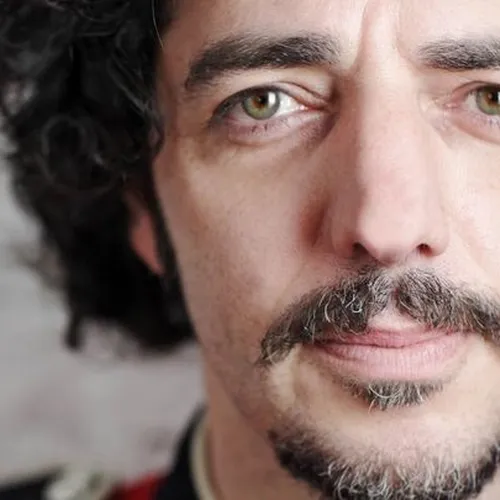
アーティスト
Max Gazzè
ツアー中検証済み
フォロワー数 4.19万•近日開催予定の公演42件
あなたの都市で近日開催予定の公演はありません
Max Gazzè にお住いの地域での公演リクエストを送る
公演をリクエスト
すべてのイベントとライブ配信
Max Gazzèのツアー
おすすめアーティスト
Max Gazzèのコンサートを二度と見逃すことはありません。
無料のBandsintownアカウントでツアーの発表、コンサートチケット、お近くのショーに関するアラートを受け取りましょう。
Max Gazzè について
Max Gazzè
Max is a bass player and songwriter from Rome, Italy. His music can be described as cerebral pop. His songs, though deceptively easy listening, have a sophisticated construction. His lyrics, often written by or in collaboration with his brother (a published poet), are also remarkable for their irony and complexity. His sings mainly in Italian.
Before his recording career, Max gained an extensive experience as a bass player, playing for years in different venues across Italy and Europe (Belgium, etc.). His first record "Contro Un'Onda del Mare" (1996) was not particularly successful, but afterward he reached fame with a string of singles in which he collaborated with other well-known musicians in Italy. The song "Vento d'Estate" in collaboration with Niccolo' Fabi, was a summer success in 1998. Other successful singles were "Colloquium Vitae" with the participation of singer Mao, "L'Amore Pensato" with the participation of Daniele Silvestri, "Cara Valentina" and "La Favola di Adamo ed Eva". Eventually, he received greater fame by participating to the Italian Pop Contest "Festival di San Remo" where he performed his single "Una Musica Puo' Fare". All these singles eventually appeared in his album "La Favola di Adamo ed Eva" published first in 1998 and probably his greatest success.
Successively he published the albums "Max Gazze'" (2000), "Ognuno Fa Quello che Gli Pare" (2002), and "Un Giorno" (2004). His last album was a double-disc CD called "Raduni 1995-2005" featuring live performances of his most famous songs recorded across a decade.
Before his recording career, Max gained an extensive experience as a bass player, playing for years in different venues across Italy and Europe (Belgium, etc.). His first record "Contro Un'Onda del Mare" (1996) was not particularly successful, but afterward he reached fame with a string of singles in which he collaborated with other well-known musicians in Italy. The song "Vento d'Estate" in collaboration with Niccolo' Fabi, was a summer success in 1998. Other successful singles were "Colloquium Vitae" with the participation of singer Mao, "L'Amore Pensato" with the participation of Daniele Silvestri, "Cara Valentina" and "La Favola di Adamo ed Eva". Eventually, he received greater fame by participating to the Italian Pop Contest "Festival di San Remo" where he performed his single "Una Musica Puo' Fare". All these singles eventually appeared in his album "La Favola di Adamo ed Eva" published first in 1998 and probably his greatest success.
Successively he published the albums "Max Gazze'" (2000), "Ognuno Fa Quello che Gli Pare" (2002), and "Un Giorno" (2004). His last album was a double-disc CD called "Raduni 1995-2005" featuring live performances of his most famous songs recorded across a decade.
表示を増やす
ジャンル:
International, Italian
あなたの都市で近日開催予定の公演はありません
Max Gazzè にお住いの地域での公演リクエストを送る
公演をリクエスト
すべてのイベントとライブ配信
Max Gazzèのツアー
Max Gazzè について
Max Gazzè
Max is a bass player and songwriter from Rome, Italy. His music can be described as cerebral pop. His songs, though deceptively easy listening, have a sophisticated construction. His lyrics, often written by or in collaboration with his brother (a published poet), are also remarkable for their irony and complexity. His sings mainly in Italian.
Before his recording career, Max gained an extensive experience as a bass player, playing for years in different venues across Italy and Europe (Belgium, etc.). His first record "Contro Un'Onda del Mare" (1996) was not particularly successful, but afterward he reached fame with a string of singles in which he collaborated with other well-known musicians in Italy. The song "Vento d'Estate" in collaboration with Niccolo' Fabi, was a summer success in 1998. Other successful singles were "Colloquium Vitae" with the participation of singer Mao, "L'Amore Pensato" with the participation of Daniele Silvestri, "Cara Valentina" and "La Favola di Adamo ed Eva". Eventually, he received greater fame by participating to the Italian Pop Contest "Festival di San Remo" where he performed his single "Una Musica Puo' Fare". All these singles eventually appeared in his album "La Favola di Adamo ed Eva" published first in 1998 and probably his greatest success.
Successively he published the albums "Max Gazze'" (2000), "Ognuno Fa Quello che Gli Pare" (2002), and "Un Giorno" (2004). His last album was a double-disc CD called "Raduni 1995-2005" featuring live performances of his most famous songs recorded across a decade.
Before his recording career, Max gained an extensive experience as a bass player, playing for years in different venues across Italy and Europe (Belgium, etc.). His first record "Contro Un'Onda del Mare" (1996) was not particularly successful, but afterward he reached fame with a string of singles in which he collaborated with other well-known musicians in Italy. The song "Vento d'Estate" in collaboration with Niccolo' Fabi, was a summer success in 1998. Other successful singles were "Colloquium Vitae" with the participation of singer Mao, "L'Amore Pensato" with the participation of Daniele Silvestri, "Cara Valentina" and "La Favola di Adamo ed Eva". Eventually, he received greater fame by participating to the Italian Pop Contest "Festival di San Remo" where he performed his single "Una Musica Puo' Fare". All these singles eventually appeared in his album "La Favola di Adamo ed Eva" published first in 1998 and probably his greatest success.
Successively he published the albums "Max Gazze'" (2000), "Ognuno Fa Quello che Gli Pare" (2002), and "Un Giorno" (2004). His last album was a double-disc CD called "Raduni 1995-2005" featuring live performances of his most famous songs recorded across a decade.
表示を増やす
ジャンル:
International, Italian
おすすめアーティスト
Max Gazzèのコンサートを二度と見逃すことはありません。
無料のBandsintownアカウントでツアーの発表、コンサートチケット、お近くのショーに関するアラートを受け取りましょう。
Bandsintown アプリで最高の体験をお楽しみください。

ライブ写真


ファンの声
Lui è lui e so cosa vado ad ascoltare. Sempre emozionante.
Fa piacere anche vederlo in un altro contesto con l'Orchestra del Saltarello che lo accompagnava.
Musica VERA ❤️
2025年7月27日·Grado, Italy

Barbara
È stato un concerto stupendo!
2025年7月11日·Ciano d'Enza, Italy

Brunella
ライブ写真
ファンの声
Lui è lui e so cosa vado ad ascoltare. Sempre emozionante.
Fa piacere anche vederlo in un altro contesto con l'Orchestra del Saltarello che lo accompagnava.
Musica VERA ❤️
2025年7月27日·Grado, Italy
Barbara
È stato un concerto stupendo!
2025年7月11日·Ciano d'Enza, Italy
Brunella