Vous avez des bons goûts !
Connectez-vous pour suivre vos artistes favoris, sauvegarder des événements, & plus encore.
Trouvez des dates de tournée et des événements musicaux live pour tous vos groupes et artistes préférés dans votre ville. Obtenez des billets de concert et des actualités, et envoyez des RSVP aux concerts avec Bandsintown.

'%3e %3cpath d='M17.2 8.65233C17.2 3.87262 13.3508 0 8.6 0C3.84919 0 0 3.87262 0 8.65233C0 12.9785 3.12097 16.572 7.24758 17.2V11.1643H5.0629V8.65233H7.24758V6.76836C7.24758 4.60527 8.53065 3.38418 10.4726 3.38418C11.4435 3.38418 12.4145 3.55862 12.4145 3.55862V5.68682H11.3395C10.2645 5.68682 9.91774 6.3497 9.91774 7.04746V8.65233H12.3105L11.929 11.1643H9.91774V17.2C14.0444 16.572 17.2 12.9785 17.2 8.65233Z' fill='%236D6D6D'/%3e %3c/g%3e %3cdefs%3e %3cclipPath id='clip0_11991_110375'%3e %3crect width='17.2' height='17.2' fill='white'/%3e %3c/clipPath%3e %3c/defs%3e %3c/svg%3e)
'%3e %3cpath d='M13.546 0.716797H16.1835L10.4214 7.3954L17.2 16.4835H11.8924L7.73534 10.9716L2.97869 16.4835H0.339647L6.50272 9.33995L0 0.716797H5.44232L9.19996 5.75485L13.546 0.716797ZM12.6204 14.8825H14.0818L4.64822 2.23363H3.07994L12.6204 14.8825Z' fill='%236D6D6D'/%3e %3c/g%3e %3cdefs%3e %3cclipPath id='clip0_11991_110380'%3e %3crect width='17.2' height='17.2' fill='white'/%3e %3c/clipPath%3e %3c/defs%3e %3c/svg%3e)
'%3e %3cpath d='M8.6192 4.16563C6.16205 4.16563 4.20402 6.16205 4.20402 8.5808C4.20402 11.0379 6.16205 12.996 8.6192 12.996C11.0379 12.996 13.0344 11.0379 13.0344 8.5808C13.0344 6.16205 11.0379 4.16563 8.6192 4.16563ZM8.6192 11.4603C7.04509 11.4603 5.73973 10.1933 5.73973 8.5808C5.73973 7.0067 7.0067 5.73973 8.6192 5.73973C10.1933 5.73973 11.4603 7.0067 11.4603 8.5808C11.4603 10.1933 10.1933 11.4603 8.6192 11.4603ZM14.2246 4.01205C14.2246 4.58795 13.7638 5.04866 13.1879 5.04866C12.6121 5.04866 12.1513 4.58795 12.1513 4.01205C12.1513 3.43616 12.6121 2.97545 13.1879 2.97545C13.7638 2.97545 14.2246 3.43616 14.2246 4.01205ZM17.1424 5.04866C17.0656 3.66652 16.7585 2.43795 15.7603 1.43973C14.7621 0.441518 13.5335 0.134375 12.1513 0.0575893C10.7308 -0.0191964 6.4692 -0.0191964 5.04866 0.0575893C3.66652 0.134375 2.47634 0.441518 1.43973 1.43973C0.441518 2.43795 0.134375 3.66652 0.0575893 5.04866C-0.0191964 6.4692 -0.0191964 10.7308 0.0575893 12.1513C0.134375 13.5335 0.441518 14.7237 1.43973 15.7603C2.47634 16.7585 3.66652 17.0656 5.04866 17.1424C6.4692 17.2192 10.7308 17.2192 12.1513 17.1424C13.5335 17.0656 14.7621 16.7585 15.7603 15.7603C16.7585 14.7237 17.0656 13.5335 17.1424 12.1513C17.2192 10.7308 17.2192 6.4692 17.1424 5.04866ZM15.2996 13.6487C15.0308 14.4165 14.4165 14.9924 13.6871 15.2996C12.5353 15.7603 9.84777 15.6451 8.6192 15.6451C7.35223 15.6451 4.66473 15.7603 3.55134 15.2996C2.78348 14.9924 2.20759 14.4165 1.90045 13.6487C1.43973 12.5353 1.55491 9.84777 1.55491 8.5808C1.55491 7.35223 1.43973 4.66473 1.90045 3.51295C2.20759 2.78348 2.78348 2.20759 3.55134 1.90045C4.66473 1.43973 7.35223 1.55491 8.6192 1.55491C9.84777 1.55491 12.5353 1.43973 13.6871 1.90045C14.4165 2.1692 14.9924 2.78348 15.2996 3.51295C15.7603 4.66473 15.6451 7.35223 15.6451 8.5808C15.6451 9.84777 15.7603 12.5353 15.2996 13.6487Z' fill='%236D6D6D'/%3e %3c/g%3e %3cdefs%3e %3cclipPath id='clip0_11991_110387'%3e %3crect width='17.2' height='17.2' fill='white'/%3e %3c/clipPath%3e %3c/defs%3e %3c/svg%3e)


artiste
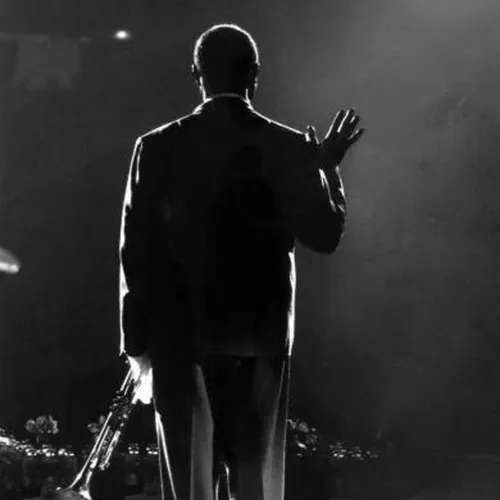
Louis Armstrong
Vérifié
631 k Fans
Artistes similaires en tournée
Marchandise de Louis Armstrong
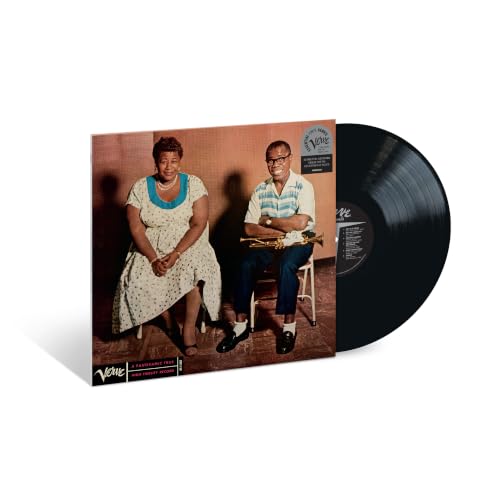
Ella and Louis Verve Essential Series
$19.98

Wonderful World: The Best Of Louis Armstrong [Orange Crush LP] [Amazon Exclusive]
$71.77

Wonderful World: The Best Of Louis Armstrong
$13.98

Louis In London
$13.78

Louis Wishes You A Cool Yule
$27.94

Collected
$40.89

The Very Best Of
$24.91

Together For The First Time
$66.99
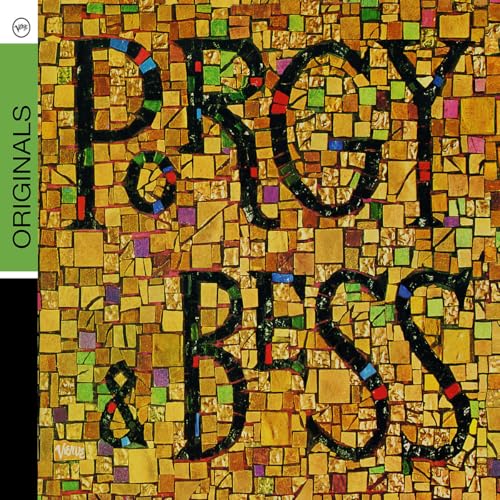
Porgy And Bess
$13.97

Ella and Louis For Lovers
$10.95

What A Wonderful World
$16.74

Our Love Is Here To Stay: Ella & Louis Sing Gershwin
$9.99

And Ella Fitzgerald: Best Of... On Verve
$9.99

Louis Armstrong The Definitive CD
$13.98
 Tout afficher
Ne ratez plus jamais un concert.
Trouvez des artistes similaires et recevez des alertes sur les annonces de tournée, les billets de concert et les spectacles près de chez vous avec un compte Bandsintown gratuit.
A propos de Louis Armstrong
Louis Armstrong
Louis Armstrong (1901-1971) was a trumpet player, singer, bandleader, and is widely regarded as one of the most influential artists in the history of jazz.
Armstrong was born and raised in New Orleans, a culturally diverse town with a unique musical mix of creole, ragtime, marching bands and blues. Although from an early age he was able to play music professionally, he never traveled far from New Orleans until 1922, when he went to Chicago to join his mentor, King Oliver. Oliver's band played primitive jazz, a hotter style of ragtime, with looser rhythm and more improvisation, and Armstrong's role was mostly backup. Slow to promote himself, he was eventually persuaded by his wife to leave Oliver, and In 1924 he went to New York to join the Fletcher Henderson Orchestra. At the time, there were a few other artists using the rhythmic innovations of the New Orleans style, but none did it with the energy and brilliance of Armstrong, and he quickly became a sensation among New York musicians. Back in Chicago in 1925, he made his first recordings with his own group, Louis Armstrong and his Hot Five, and these became not only popular hits but also models for the first generation of jazz musicians, trumpeter or otherwise.
Other hits followed through the twenties and thirties, as well as troubles: crooked managers, lip injuries, mob entanglements, failed big-band ventures. As jazz styles changed though, musical purists never lost any respect for him --although they were sometimes irritated by his hammy onstage persona. Around the late forties, with the help of a good manager, Armstrong's business affairs finally stablilized and he began to be seen as an elder statesman of American popular entertainment, appearing in Hollywood movies, touring Asia and Europe, and dislodging The Beatles from the #1 position with "Hello, Dolly". Today more people may know him as a singer (a good one), but as Miles Davis said: “You can’t play nothing on modern trumpet that doesn’t come from him."
Armstrong was born and raised in New Orleans, a culturally diverse town with a unique musical mix of creole, ragtime, marching bands and blues. Although from an early age he was able to play music professionally, he never traveled far from New Orleans until 1922, when he went to Chicago to join his mentor, King Oliver. Oliver's band played primitive jazz, a hotter style of ragtime, with looser rhythm and more improvisation, and Armstrong's role was mostly backup. Slow to promote himself, he was eventually persuaded by his wife to leave Oliver, and In 1924 he went to New York to join the Fletcher Henderson Orchestra. At the time, there were a few other artists using the rhythmic innovations of the New Orleans style, but none did it with the energy and brilliance of Armstrong, and he quickly became a sensation among New York musicians. Back in Chicago in 1925, he made his first recordings with his own group, Louis Armstrong and his Hot Five, and these became not only popular hits but also models for the first generation of jazz musicians, trumpeter or otherwise.
Other hits followed through the twenties and thirties, as well as troubles: crooked managers, lip injuries, mob entanglements, failed big-band ventures. As jazz styles changed though, musical purists never lost any respect for him --although they were sometimes irritated by his hammy onstage persona. Around the late forties, with the help of a good manager, Armstrong's business affairs finally stablilized and he began to be seen as an elder statesman of American popular entertainment, appearing in Hollywood movies, touring Asia and Europe, and dislodging The Beatles from the #1 position with "Hello, Dolly". Today more people may know him as a singer (a good one), but as Miles Davis said: “You can’t play nothing on modern trumpet that doesn’t come from him."
Afficher plus
Genres:
Jazz
Artistes similaires en tournée
Marchandise de Louis Armstrong
Ella and Louis Verve Essential Series
$19.98
Wonderful World: The Best Of Louis Armstrong [Orange Crush LP] [Amazon Exclusive]
$71.77
Wonderful World: The Best Of Louis Armstrong
$13.98
Louis In London
$13.78
Louis Wishes You A Cool Yule
$27.94
Collected
$40.89
The Very Best Of
$24.91
Together For The First Time
$66.99
Porgy And Bess
$13.97
Ella and Louis For Lovers
$10.95
What A Wonderful World
$16.74
Our Love Is Here To Stay: Ella & Louis Sing Gershwin
$9.99
And Ella Fitzgerald: Best Of... On Verve
$9.99
Louis Armstrong The Definitive CD
$13.98
Tout afficherA propos de Louis Armstrong
Louis Armstrong
Louis Armstrong (1901-1971) was a trumpet player, singer, bandleader, and is widely regarded as one of the most influential artists in the history of jazz.
Armstrong was born and raised in New Orleans, a culturally diverse town with a unique musical mix of creole, ragtime, marching bands and blues. Although from an early age he was able to play music professionally, he never traveled far from New Orleans until 1922, when he went to Chicago to join his mentor, King Oliver. Oliver's band played primitive jazz, a hotter style of ragtime, with looser rhythm and more improvisation, and Armstrong's role was mostly backup. Slow to promote himself, he was eventually persuaded by his wife to leave Oliver, and In 1924 he went to New York to join the Fletcher Henderson Orchestra. At the time, there were a few other artists using the rhythmic innovations of the New Orleans style, but none did it with the energy and brilliance of Armstrong, and he quickly became a sensation among New York musicians. Back in Chicago in 1925, he made his first recordings with his own group, Louis Armstrong and his Hot Five, and these became not only popular hits but also models for the first generation of jazz musicians, trumpeter or otherwise.
Other hits followed through the twenties and thirties, as well as troubles: crooked managers, lip injuries, mob entanglements, failed big-band ventures. As jazz styles changed though, musical purists never lost any respect for him --although they were sometimes irritated by his hammy onstage persona. Around the late forties, with the help of a good manager, Armstrong's business affairs finally stablilized and he began to be seen as an elder statesman of American popular entertainment, appearing in Hollywood movies, touring Asia and Europe, and dislodging The Beatles from the #1 position with "Hello, Dolly". Today more people may know him as a singer (a good one), but as Miles Davis said: “You can’t play nothing on modern trumpet that doesn’t come from him."
Armstrong was born and raised in New Orleans, a culturally diverse town with a unique musical mix of creole, ragtime, marching bands and blues. Although from an early age he was able to play music professionally, he never traveled far from New Orleans until 1922, when he went to Chicago to join his mentor, King Oliver. Oliver's band played primitive jazz, a hotter style of ragtime, with looser rhythm and more improvisation, and Armstrong's role was mostly backup. Slow to promote himself, he was eventually persuaded by his wife to leave Oliver, and In 1924 he went to New York to join the Fletcher Henderson Orchestra. At the time, there were a few other artists using the rhythmic innovations of the New Orleans style, but none did it with the energy and brilliance of Armstrong, and he quickly became a sensation among New York musicians. Back in Chicago in 1925, he made his first recordings with his own group, Louis Armstrong and his Hot Five, and these became not only popular hits but also models for the first generation of jazz musicians, trumpeter or otherwise.
Other hits followed through the twenties and thirties, as well as troubles: crooked managers, lip injuries, mob entanglements, failed big-band ventures. As jazz styles changed though, musical purists never lost any respect for him --although they were sometimes irritated by his hammy onstage persona. Around the late forties, with the help of a good manager, Armstrong's business affairs finally stablilized and he began to be seen as an elder statesman of American popular entertainment, appearing in Hollywood movies, touring Asia and Europe, and dislodging The Beatles from the #1 position with "Hello, Dolly". Today more people may know him as a singer (a good one), but as Miles Davis said: “You can’t play nothing on modern trumpet that doesn’t come from him."
Afficher plus
Genres:
Jazz
Ne ratez plus jamais un concert.
Trouvez des artistes similaires et recevez des alertes sur les annonces de tournée, les billets de concert et les spectacles près de chez vous avec un compte Bandsintown gratuit.
Bénéficiez de l'expérience complète avec l’application mobile Bandsintown.
