Vous avez des bons goûts !
Connectez-vous pour suivre vos artistes favoris, sauvegarder des événements, & plus encore.

'%3e %3cpath d='M17.2 8.65233C17.2 3.87262 13.3508 0 8.6 0C3.84919 0 0 3.87262 0 8.65233C0 12.9785 3.12097 16.572 7.24758 17.2V11.1643H5.0629V8.65233H7.24758V6.76836C7.24758 4.60527 8.53065 3.38418 10.4726 3.38418C11.4435 3.38418 12.4145 3.55862 12.4145 3.55862V5.68682H11.3395C10.2645 5.68682 9.91774 6.3497 9.91774 7.04746V8.65233H12.3105L11.929 11.1643H9.91774V17.2C14.0444 16.572 17.2 12.9785 17.2 8.65233Z' fill='%236D6D6D'/%3e %3c/g%3e %3cdefs%3e %3cclipPath id='clip0_11991_110375'%3e %3crect width='17.2' height='17.2' fill='white'/%3e %3c/clipPath%3e %3c/defs%3e %3c/svg%3e)
'%3e %3cpath d='M13.546 0.716797H16.1835L10.4214 7.3954L17.2 16.4835H11.8924L7.73534 10.9716L2.97869 16.4835H0.339647L6.50272 9.33995L0 0.716797H5.44232L9.19996 5.75485L13.546 0.716797ZM12.6204 14.8825H14.0818L4.64822 2.23363H3.07994L12.6204 14.8825Z' fill='%236D6D6D'/%3e %3c/g%3e %3cdefs%3e %3cclipPath id='clip0_11991_110380'%3e %3crect width='17.2' height='17.2' fill='white'/%3e %3c/clipPath%3e %3c/defs%3e %3c/svg%3e)
'%3e %3cpath d='M8.6192 4.16563C6.16205 4.16563 4.20402 6.16205 4.20402 8.5808C4.20402 11.0379 6.16205 12.996 8.6192 12.996C11.0379 12.996 13.0344 11.0379 13.0344 8.5808C13.0344 6.16205 11.0379 4.16563 8.6192 4.16563ZM8.6192 11.4603C7.04509 11.4603 5.73973 10.1933 5.73973 8.5808C5.73973 7.0067 7.0067 5.73973 8.6192 5.73973C10.1933 5.73973 11.4603 7.0067 11.4603 8.5808C11.4603 10.1933 10.1933 11.4603 8.6192 11.4603ZM14.2246 4.01205C14.2246 4.58795 13.7638 5.04866 13.1879 5.04866C12.6121 5.04866 12.1513 4.58795 12.1513 4.01205C12.1513 3.43616 12.6121 2.97545 13.1879 2.97545C13.7638 2.97545 14.2246 3.43616 14.2246 4.01205ZM17.1424 5.04866C17.0656 3.66652 16.7585 2.43795 15.7603 1.43973C14.7621 0.441518 13.5335 0.134375 12.1513 0.0575893C10.7308 -0.0191964 6.4692 -0.0191964 5.04866 0.0575893C3.66652 0.134375 2.47634 0.441518 1.43973 1.43973C0.441518 2.43795 0.134375 3.66652 0.0575893 5.04866C-0.0191964 6.4692 -0.0191964 10.7308 0.0575893 12.1513C0.134375 13.5335 0.441518 14.7237 1.43973 15.7603C2.47634 16.7585 3.66652 17.0656 5.04866 17.1424C6.4692 17.2192 10.7308 17.2192 12.1513 17.1424C13.5335 17.0656 14.7621 16.7585 15.7603 15.7603C16.7585 14.7237 17.0656 13.5335 17.1424 12.1513C17.2192 10.7308 17.2192 6.4692 17.1424 5.04866ZM15.2996 13.6487C15.0308 14.4165 14.4165 14.9924 13.6871 15.2996C12.5353 15.7603 9.84777 15.6451 8.6192 15.6451C7.35223 15.6451 4.66473 15.7603 3.55134 15.2996C2.78348 14.9924 2.20759 14.4165 1.90045 13.6487C1.43973 12.5353 1.55491 9.84777 1.55491 8.5808C1.55491 7.35223 1.43973 4.66473 1.90045 3.51295C2.20759 2.78348 2.78348 2.20759 3.55134 1.90045C4.66473 1.43973 7.35223 1.55491 8.6192 1.55491C9.84777 1.55491 12.5353 1.43973 13.6871 1.90045C14.4165 2.1692 14.9924 2.78348 15.2996 3.51295C15.7603 4.66473 15.6451 7.35223 15.6451 8.5808C15.6451 9.84777 15.7603 12.5353 15.2996 13.6487Z' fill='%236D6D6D'/%3e %3c/g%3e %3cdefs%3e %3cclipPath id='clip0_11991_110387'%3e %3crect width='17.2' height='17.2' fill='white'/%3e %3c/clipPath%3e %3c/defs%3e %3c/svg%3e)


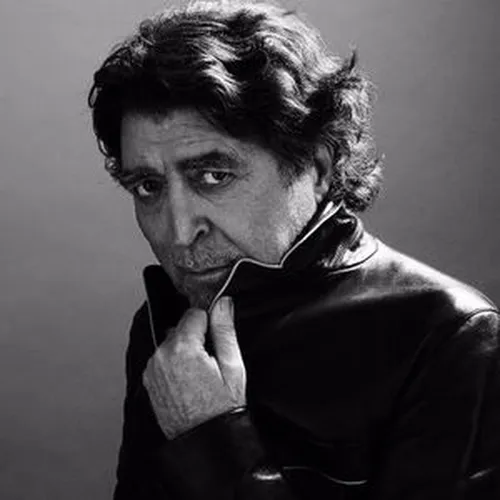
artiste
Joaquín Sabina
Vérifié
142 k Fans
Aucun événement à venir
Demandez à Joaquín Sabina de venir jouer dans votre ville
Envoyer une demande
Artistes similaires en tournée
Concerts passés
Ne ratez plus jamais un concert de Joaquín Sabina.
Recevez des alertes sur les annonces de tournée, les billets de concert et les spectacles près de chez vous avec un compte Bandsintown gratuit.
A propos de Joaquín Sabina
Joaquín Sabina
He was born on February 12, 1949 in the city of Úbeda (Jaén Province, in Andalucia), Spain. His father was a policeman.
At the age of 14, he started writing poems and composing music with friends. In 1968 he enrolled in the University of Granada, but went into exile in London, using a fake passport, to avoid Francisco Franco's persecution. In London, he collaborated with other young artists in theater and cultural events.
In 1975, he started composing songs and singing at local bars. When the dictatorship ended in 1977 he returned to Spain and enrolled in the military.
In 1978 his first album, Inventario (Inventory), debuted with the number-one hit single Pongamos que hablo de Madrid (Let's say I'm talking about Madrid).
Afterwards, he released Malas compañías (The Wrong Crowd) and a live album called La mandrágora (The Mandragora), which caused much controversy due to the racy content of its lyrics. Spain was just coming out of the dictatorship, and Sabina's favorite topics have always been deemed "morally inappropriate" by some: the homeless, prostitutes, drunks, and Robin Hood-styled thieves. He is very much anti-stablishment.
In 1983 he released Ruleta Rusa (Russian Roulette) and two years later, Juez y parte (Judge and Jury). His political views led him to take part in the anti-NATO movement. He later published Joaquín Sabina y Viceversa.
In 1987 he released Hotel, dulce hotel (Hotel, Sweet Hotel), which sold a large number of records in Spain. That success followed with his next album El hombre del traje gris (The Man in The Gray Suit), and followed with a successful tour of South America.
In 1990 he released Mentiras piadosas (White Lies) and two years later Física y química (Physics and Chemistry), which led to another successful tour of the Americas.
His later albums Esta boca es mía (These Lips are Mine), Yo, mi, me contigo (I, Me, With You) and 19 días y 500 noches (19 Days and 500 Nights), won him recognition and multiple platinum albums.
After recovering from a stroke, he returned to the stage in 2002 with Dímelo en la calle (Let's Take It Outside). He later released a double album called Diario de un peatón (Diary of A Pedestrian), which included both his previous album and 12 new songs, along with a book illustrated by him.
In 2005 his new record Alivio de luto (Mourning Relief), put him in track to being one of the biggest names in Spanish musical stardom. The album comes with a DVD that includes interviews, music videos, acoustic versions of the songs and some home-made recordings.
At the age of 14, he started writing poems and composing music with friends. In 1968 he enrolled in the University of Granada, but went into exile in London, using a fake passport, to avoid Francisco Franco's persecution. In London, he collaborated with other young artists in theater and cultural events.
In 1975, he started composing songs and singing at local bars. When the dictatorship ended in 1977 he returned to Spain and enrolled in the military.
In 1978 his first album, Inventario (Inventory), debuted with the number-one hit single Pongamos que hablo de Madrid (Let's say I'm talking about Madrid).
Afterwards, he released Malas compañías (The Wrong Crowd) and a live album called La mandrágora (The Mandragora), which caused much controversy due to the racy content of its lyrics. Spain was just coming out of the dictatorship, and Sabina's favorite topics have always been deemed "morally inappropriate" by some: the homeless, prostitutes, drunks, and Robin Hood-styled thieves. He is very much anti-stablishment.
In 1983 he released Ruleta Rusa (Russian Roulette) and two years later, Juez y parte (Judge and Jury). His political views led him to take part in the anti-NATO movement. He later published Joaquín Sabina y Viceversa.
In 1987 he released Hotel, dulce hotel (Hotel, Sweet Hotel), which sold a large number of records in Spain. That success followed with his next album El hombre del traje gris (The Man in The Gray Suit), and followed with a successful tour of South America.
In 1990 he released Mentiras piadosas (White Lies) and two years later Física y química (Physics and Chemistry), which led to another successful tour of the Americas.
His later albums Esta boca es mía (These Lips are Mine), Yo, mi, me contigo (I, Me, With You) and 19 días y 500 noches (19 Days and 500 Nights), won him recognition and multiple platinum albums.
After recovering from a stroke, he returned to the stage in 2002 with Dímelo en la calle (Let's Take It Outside). He later released a double album called Diario de un peatón (Diary of A Pedestrian), which included both his previous album and 12 new songs, along with a book illustrated by him.
In 2005 his new record Alivio de luto (Mourning Relief), put him in track to being one of the biggest names in Spanish musical stardom. The album comes with a DVD that includes interviews, music videos, acoustic versions of the songs and some home-made recordings.
Afficher plus
Genres:
Latin
Aucun événement à venir
Demandez à Joaquín Sabina de venir jouer dans votre ville
Envoyer une demande
Artistes similaires en tournée
Concerts passés
A propos de Joaquín Sabina
Joaquín Sabina
He was born on February 12, 1949 in the city of Úbeda (Jaén Province, in Andalucia), Spain. His father was a policeman.
At the age of 14, he started writing poems and composing music with friends. In 1968 he enrolled in the University of Granada, but went into exile in London, using a fake passport, to avoid Francisco Franco's persecution. In London, he collaborated with other young artists in theater and cultural events.
In 1975, he started composing songs and singing at local bars. When the dictatorship ended in 1977 he returned to Spain and enrolled in the military.
In 1978 his first album, Inventario (Inventory), debuted with the number-one hit single Pongamos que hablo de Madrid (Let's say I'm talking about Madrid).
Afterwards, he released Malas compañías (The Wrong Crowd) and a live album called La mandrágora (The Mandragora), which caused much controversy due to the racy content of its lyrics. Spain was just coming out of the dictatorship, and Sabina's favorite topics have always been deemed "morally inappropriate" by some: the homeless, prostitutes, drunks, and Robin Hood-styled thieves. He is very much anti-stablishment.
In 1983 he released Ruleta Rusa (Russian Roulette) and two years later, Juez y parte (Judge and Jury). His political views led him to take part in the anti-NATO movement. He later published Joaquín Sabina y Viceversa.
In 1987 he released Hotel, dulce hotel (Hotel, Sweet Hotel), which sold a large number of records in Spain. That success followed with his next album El hombre del traje gris (The Man in The Gray Suit), and followed with a successful tour of South America.
In 1990 he released Mentiras piadosas (White Lies) and two years later Física y química (Physics and Chemistry), which led to another successful tour of the Americas.
His later albums Esta boca es mía (These Lips are Mine), Yo, mi, me contigo (I, Me, With You) and 19 días y 500 noches (19 Days and 500 Nights), won him recognition and multiple platinum albums.
After recovering from a stroke, he returned to the stage in 2002 with Dímelo en la calle (Let's Take It Outside). He later released a double album called Diario de un peatón (Diary of A Pedestrian), which included both his previous album and 12 new songs, along with a book illustrated by him.
In 2005 his new record Alivio de luto (Mourning Relief), put him in track to being one of the biggest names in Spanish musical stardom. The album comes with a DVD that includes interviews, music videos, acoustic versions of the songs and some home-made recordings.
At the age of 14, he started writing poems and composing music with friends. In 1968 he enrolled in the University of Granada, but went into exile in London, using a fake passport, to avoid Francisco Franco's persecution. In London, he collaborated with other young artists in theater and cultural events.
In 1975, he started composing songs and singing at local bars. When the dictatorship ended in 1977 he returned to Spain and enrolled in the military.
In 1978 his first album, Inventario (Inventory), debuted with the number-one hit single Pongamos que hablo de Madrid (Let's say I'm talking about Madrid).
Afterwards, he released Malas compañías (The Wrong Crowd) and a live album called La mandrágora (The Mandragora), which caused much controversy due to the racy content of its lyrics. Spain was just coming out of the dictatorship, and Sabina's favorite topics have always been deemed "morally inappropriate" by some: the homeless, prostitutes, drunks, and Robin Hood-styled thieves. He is very much anti-stablishment.
In 1983 he released Ruleta Rusa (Russian Roulette) and two years later, Juez y parte (Judge and Jury). His political views led him to take part in the anti-NATO movement. He later published Joaquín Sabina y Viceversa.
In 1987 he released Hotel, dulce hotel (Hotel, Sweet Hotel), which sold a large number of records in Spain. That success followed with his next album El hombre del traje gris (The Man in The Gray Suit), and followed with a successful tour of South America.
In 1990 he released Mentiras piadosas (White Lies) and two years later Física y química (Physics and Chemistry), which led to another successful tour of the Americas.
His later albums Esta boca es mía (These Lips are Mine), Yo, mi, me contigo (I, Me, With You) and 19 días y 500 noches (19 Days and 500 Nights), won him recognition and multiple platinum albums.
After recovering from a stroke, he returned to the stage in 2002 with Dímelo en la calle (Let's Take It Outside). He later released a double album called Diario de un peatón (Diary of A Pedestrian), which included both his previous album and 12 new songs, along with a book illustrated by him.
In 2005 his new record Alivio de luto (Mourning Relief), put him in track to being one of the biggest names in Spanish musical stardom. The album comes with a DVD that includes interviews, music videos, acoustic versions of the songs and some home-made recordings.
Afficher plus
Genres:
Latin
Ne ratez plus jamais un concert de Joaquín Sabina.
Recevez des alertes sur les annonces de tournée, les billets de concert et les spectacles près de chez vous avec un compte Bandsintown gratuit.
Bénéficiez de l'expérience complète avec l’application mobile Bandsintown.

Photos live


Commentaires des fans
Adiós, maestro
4 septembre 2025·Sevilla, Spain

D.
Increíble, valió la pena totalmente.
23 mars 2025·Santiago, Chile

Cami
Touching from beginning to end. It was a privilege.
2 mars 2025·New York, NY

luksic.mauricio


Photos live
Commentaires des fans
Adiós, maestro
4 septembre 2025·Sevilla, Spain
D.
Increíble, valió la pena totalmente.
23 mars 2025·Santiago, Chile
Cami
Touching from beginning to end. It was a privilege.
2 mars 2025·New York, NY
luksic.mauricio