Vous avez des bons goûts !
Connectez-vous pour suivre vos artistes favoris, sauvegarder des événements, & plus encore.

'%3e %3cpath d='M17.2 8.65233C17.2 3.87262 13.3508 0 8.6 0C3.84919 0 0 3.87262 0 8.65233C0 12.9785 3.12097 16.572 7.24758 17.2V11.1643H5.0629V8.65233H7.24758V6.76836C7.24758 4.60527 8.53065 3.38418 10.4726 3.38418C11.4435 3.38418 12.4145 3.55862 12.4145 3.55862V5.68682H11.3395C10.2645 5.68682 9.91774 6.3497 9.91774 7.04746V8.65233H12.3105L11.929 11.1643H9.91774V17.2C14.0444 16.572 17.2 12.9785 17.2 8.65233Z' fill='%236D6D6D'/%3e %3c/g%3e %3cdefs%3e %3cclipPath id='clip0_11991_110375'%3e %3crect width='17.2' height='17.2' fill='white'/%3e %3c/clipPath%3e %3c/defs%3e %3c/svg%3e)
'%3e %3cpath d='M13.546 0.716797H16.1835L10.4214 7.3954L17.2 16.4835H11.8924L7.73534 10.9716L2.97869 16.4835H0.339647L6.50272 9.33995L0 0.716797H5.44232L9.19996 5.75485L13.546 0.716797ZM12.6204 14.8825H14.0818L4.64822 2.23363H3.07994L12.6204 14.8825Z' fill='%236D6D6D'/%3e %3c/g%3e %3cdefs%3e %3cclipPath id='clip0_11991_110380'%3e %3crect width='17.2' height='17.2' fill='white'/%3e %3c/clipPath%3e %3c/defs%3e %3c/svg%3e)
'%3e %3cpath d='M8.6192 4.16563C6.16205 4.16563 4.20402 6.16205 4.20402 8.5808C4.20402 11.0379 6.16205 12.996 8.6192 12.996C11.0379 12.996 13.0344 11.0379 13.0344 8.5808C13.0344 6.16205 11.0379 4.16563 8.6192 4.16563ZM8.6192 11.4603C7.04509 11.4603 5.73973 10.1933 5.73973 8.5808C5.73973 7.0067 7.0067 5.73973 8.6192 5.73973C10.1933 5.73973 11.4603 7.0067 11.4603 8.5808C11.4603 10.1933 10.1933 11.4603 8.6192 11.4603ZM14.2246 4.01205C14.2246 4.58795 13.7638 5.04866 13.1879 5.04866C12.6121 5.04866 12.1513 4.58795 12.1513 4.01205C12.1513 3.43616 12.6121 2.97545 13.1879 2.97545C13.7638 2.97545 14.2246 3.43616 14.2246 4.01205ZM17.1424 5.04866C17.0656 3.66652 16.7585 2.43795 15.7603 1.43973C14.7621 0.441518 13.5335 0.134375 12.1513 0.0575893C10.7308 -0.0191964 6.4692 -0.0191964 5.04866 0.0575893C3.66652 0.134375 2.47634 0.441518 1.43973 1.43973C0.441518 2.43795 0.134375 3.66652 0.0575893 5.04866C-0.0191964 6.4692 -0.0191964 10.7308 0.0575893 12.1513C0.134375 13.5335 0.441518 14.7237 1.43973 15.7603C2.47634 16.7585 3.66652 17.0656 5.04866 17.1424C6.4692 17.2192 10.7308 17.2192 12.1513 17.1424C13.5335 17.0656 14.7621 16.7585 15.7603 15.7603C16.7585 14.7237 17.0656 13.5335 17.1424 12.1513C17.2192 10.7308 17.2192 6.4692 17.1424 5.04866ZM15.2996 13.6487C15.0308 14.4165 14.4165 14.9924 13.6871 15.2996C12.5353 15.7603 9.84777 15.6451 8.6192 15.6451C7.35223 15.6451 4.66473 15.7603 3.55134 15.2996C2.78348 14.9924 2.20759 14.4165 1.90045 13.6487C1.43973 12.5353 1.55491 9.84777 1.55491 8.5808C1.55491 7.35223 1.43973 4.66473 1.90045 3.51295C2.20759 2.78348 2.78348 2.20759 3.55134 1.90045C4.66473 1.43973 7.35223 1.55491 8.6192 1.55491C9.84777 1.55491 12.5353 1.43973 13.6871 1.90045C14.4165 2.1692 14.9924 2.78348 15.2996 3.51295C15.7603 4.66473 15.6451 7.35223 15.6451 8.5808C15.6451 9.84777 15.7603 12.5353 15.2996 13.6487Z' fill='%236D6D6D'/%3e %3c/g%3e %3cdefs%3e %3cclipPath id='clip0_11991_110387'%3e %3crect width='17.2' height='17.2' fill='white'/%3e %3c/clipPath%3e %3c/defs%3e %3c/svg%3e)


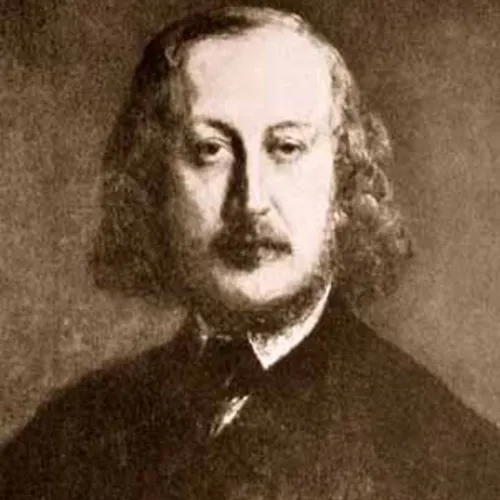
artiste
Stephen Heller
272 Fans
Aucun événement à venir
Demandez à Stephen Heller de venir jouer dans votre ville
Envoyer une demande
Ne ratez plus jamais un concert de Stephen Heller.
Recevez des alertes sur les annonces de tournée, les billets de concert et les spectacles près de chez vous avec un compte Bandsintown gratuit.
A propos de Stephen Heller
Stephen Heller
Stephen Heller (15 May 1813, Pest, (now Budapest, Hungary) – 14 January 1888, Paris, France) was a Hungarian composer and pianist whose career spanned the period from Schumann to Bizet, and was an influence for later Romantic composers.
Heller had been destined for a legal career, but instead decided to devote his life to music. At the age of nine he performed Dussek's concerto for two pianos with his teacher, F. Brauer at the Budapest theater. He played so well that he was sent to study under Carl Czerny. Anton Halm was his principal master, and at the age of twelve he undertook a concert tour through Vienna, Germany, Poland and Hungary. Later on in his life, he went to study in Vienna, Austria.
After passing the winter of 1830 at Hamburg, Heller returned to Budapest by way of Kassel, Frankfurt, Nuremberg, and Augsburg. At Augsburg, he was taken ill, and was soon afterwards adopted by a wealthy patron of music.
At the age of 25, he travelled to Paris, where he became closely acquainted with Hector Berlioz, Frédéric Chopin, Franz Liszt and other renowned composers of his era. Here Heller eventually achieved distinction both as a concert performer and as a teacher. In 1849 he performed in England, where in 1850 he was the subject of a long serial (that is, divided between many issues) article devoted to his music in the British Musical World[1], and in 1862 he played Mozart's E-flat concerto for two pianos with Charles Hallé at The Crystal Palace. With these brief interruptions, the last twenty-five years of his life were spent at Paris. He outlived his reputation, and was almost forgotten when he died in 1888.
Heller was a prolific composer for the piano, and although his works are not often said to show surprising originality, they are renowned for their grace and elegance. As regards a specific knowledge of the instrument, Heller was considered superior even to Mendelssohn; and his poetry of sentiment, pure and rich melody, and fertility of rhythmical invention place him among the very first composers of his genre. His studies remain popular with music teachers and students.
Heller had been destined for a legal career, but instead decided to devote his life to music. At the age of nine he performed Dussek's concerto for two pianos with his teacher, F. Brauer at the Budapest theater. He played so well that he was sent to study under Carl Czerny. Anton Halm was his principal master, and at the age of twelve he undertook a concert tour through Vienna, Germany, Poland and Hungary. Later on in his life, he went to study in Vienna, Austria.
After passing the winter of 1830 at Hamburg, Heller returned to Budapest by way of Kassel, Frankfurt, Nuremberg, and Augsburg. At Augsburg, he was taken ill, and was soon afterwards adopted by a wealthy patron of music.
At the age of 25, he travelled to Paris, where he became closely acquainted with Hector Berlioz, Frédéric Chopin, Franz Liszt and other renowned composers of his era. Here Heller eventually achieved distinction both as a concert performer and as a teacher. In 1849 he performed in England, where in 1850 he was the subject of a long serial (that is, divided between many issues) article devoted to his music in the British Musical World[1], and in 1862 he played Mozart's E-flat concerto for two pianos with Charles Hallé at The Crystal Palace. With these brief interruptions, the last twenty-five years of his life were spent at Paris. He outlived his reputation, and was almost forgotten when he died in 1888.
Heller was a prolific composer for the piano, and although his works are not often said to show surprising originality, they are renowned for their grace and elegance. As regards a specific knowledge of the instrument, Heller was considered superior even to Mendelssohn; and his poetry of sentiment, pure and rich melody, and fertility of rhythmical invention place him among the very first composers of his genre. His studies remain popular with music teachers and students.
Afficher plus
Aucun événement à venir
Demandez à Stephen Heller de venir jouer dans votre ville
Envoyer une demande
A propos de Stephen Heller
Stephen Heller
Stephen Heller (15 May 1813, Pest, (now Budapest, Hungary) – 14 January 1888, Paris, France) was a Hungarian composer and pianist whose career spanned the period from Schumann to Bizet, and was an influence for later Romantic composers.
Heller had been destined for a legal career, but instead decided to devote his life to music. At the age of nine he performed Dussek's concerto for two pianos with his teacher, F. Brauer at the Budapest theater. He played so well that he was sent to study under Carl Czerny. Anton Halm was his principal master, and at the age of twelve he undertook a concert tour through Vienna, Germany, Poland and Hungary. Later on in his life, he went to study in Vienna, Austria.
After passing the winter of 1830 at Hamburg, Heller returned to Budapest by way of Kassel, Frankfurt, Nuremberg, and Augsburg. At Augsburg, he was taken ill, and was soon afterwards adopted by a wealthy patron of music.
At the age of 25, he travelled to Paris, where he became closely acquainted with Hector Berlioz, Frédéric Chopin, Franz Liszt and other renowned composers of his era. Here Heller eventually achieved distinction both as a concert performer and as a teacher. In 1849 he performed in England, where in 1850 he was the subject of a long serial (that is, divided between many issues) article devoted to his music in the British Musical World[1], and in 1862 he played Mozart's E-flat concerto for two pianos with Charles Hallé at The Crystal Palace. With these brief interruptions, the last twenty-five years of his life were spent at Paris. He outlived his reputation, and was almost forgotten when he died in 1888.
Heller was a prolific composer for the piano, and although his works are not often said to show surprising originality, they are renowned for their grace and elegance. As regards a specific knowledge of the instrument, Heller was considered superior even to Mendelssohn; and his poetry of sentiment, pure and rich melody, and fertility of rhythmical invention place him among the very first composers of his genre. His studies remain popular with music teachers and students.
Heller had been destined for a legal career, but instead decided to devote his life to music. At the age of nine he performed Dussek's concerto for two pianos with his teacher, F. Brauer at the Budapest theater. He played so well that he was sent to study under Carl Czerny. Anton Halm was his principal master, and at the age of twelve he undertook a concert tour through Vienna, Germany, Poland and Hungary. Later on in his life, he went to study in Vienna, Austria.
After passing the winter of 1830 at Hamburg, Heller returned to Budapest by way of Kassel, Frankfurt, Nuremberg, and Augsburg. At Augsburg, he was taken ill, and was soon afterwards adopted by a wealthy patron of music.
At the age of 25, he travelled to Paris, where he became closely acquainted with Hector Berlioz, Frédéric Chopin, Franz Liszt and other renowned composers of his era. Here Heller eventually achieved distinction both as a concert performer and as a teacher. In 1849 he performed in England, where in 1850 he was the subject of a long serial (that is, divided between many issues) article devoted to his music in the British Musical World[1], and in 1862 he played Mozart's E-flat concerto for two pianos with Charles Hallé at The Crystal Palace. With these brief interruptions, the last twenty-five years of his life were spent at Paris. He outlived his reputation, and was almost forgotten when he died in 1888.
Heller was a prolific composer for the piano, and although his works are not often said to show surprising originality, they are renowned for their grace and elegance. As regards a specific knowledge of the instrument, Heller was considered superior even to Mendelssohn; and his poetry of sentiment, pure and rich melody, and fertility of rhythmical invention place him among the very first composers of his genre. His studies remain popular with music teachers and students.
Afficher plus
Ne ratez plus jamais un concert de Stephen Heller.
Recevez des alertes sur les annonces de tournée, les billets de concert et les spectacles près de chez vous avec un compte Bandsintown gratuit.
Bénéficiez de l'expérience complète avec l’application mobile Bandsintown.
