Vous avez des bons goûts !
Connectez-vous pour suivre vos artistes favoris, sauvegarder des événements, & plus encore.

'%3e %3cpath d='M17.2 8.65233C17.2 3.87262 13.3508 0 8.6 0C3.84919 0 0 3.87262 0 8.65233C0 12.9785 3.12097 16.572 7.24758 17.2V11.1643H5.0629V8.65233H7.24758V6.76836C7.24758 4.60527 8.53065 3.38418 10.4726 3.38418C11.4435 3.38418 12.4145 3.55862 12.4145 3.55862V5.68682H11.3395C10.2645 5.68682 9.91774 6.3497 9.91774 7.04746V8.65233H12.3105L11.929 11.1643H9.91774V17.2C14.0444 16.572 17.2 12.9785 17.2 8.65233Z' fill='%236D6D6D'/%3e %3c/g%3e %3cdefs%3e %3cclipPath id='clip0_11991_110375'%3e %3crect width='17.2' height='17.2' fill='white'/%3e %3c/clipPath%3e %3c/defs%3e %3c/svg%3e)
'%3e %3cpath d='M13.546 0.716797H16.1835L10.4214 7.3954L17.2 16.4835H11.8924L7.73534 10.9716L2.97869 16.4835H0.339647L6.50272 9.33995L0 0.716797H5.44232L9.19996 5.75485L13.546 0.716797ZM12.6204 14.8825H14.0818L4.64822 2.23363H3.07994L12.6204 14.8825Z' fill='%236D6D6D'/%3e %3c/g%3e %3cdefs%3e %3cclipPath id='clip0_11991_110380'%3e %3crect width='17.2' height='17.2' fill='white'/%3e %3c/clipPath%3e %3c/defs%3e %3c/svg%3e)
'%3e %3cpath d='M8.6192 4.16563C6.16205 4.16563 4.20402 6.16205 4.20402 8.5808C4.20402 11.0379 6.16205 12.996 8.6192 12.996C11.0379 12.996 13.0344 11.0379 13.0344 8.5808C13.0344 6.16205 11.0379 4.16563 8.6192 4.16563ZM8.6192 11.4603C7.04509 11.4603 5.73973 10.1933 5.73973 8.5808C5.73973 7.0067 7.0067 5.73973 8.6192 5.73973C10.1933 5.73973 11.4603 7.0067 11.4603 8.5808C11.4603 10.1933 10.1933 11.4603 8.6192 11.4603ZM14.2246 4.01205C14.2246 4.58795 13.7638 5.04866 13.1879 5.04866C12.6121 5.04866 12.1513 4.58795 12.1513 4.01205C12.1513 3.43616 12.6121 2.97545 13.1879 2.97545C13.7638 2.97545 14.2246 3.43616 14.2246 4.01205ZM17.1424 5.04866C17.0656 3.66652 16.7585 2.43795 15.7603 1.43973C14.7621 0.441518 13.5335 0.134375 12.1513 0.0575893C10.7308 -0.0191964 6.4692 -0.0191964 5.04866 0.0575893C3.66652 0.134375 2.47634 0.441518 1.43973 1.43973C0.441518 2.43795 0.134375 3.66652 0.0575893 5.04866C-0.0191964 6.4692 -0.0191964 10.7308 0.0575893 12.1513C0.134375 13.5335 0.441518 14.7237 1.43973 15.7603C2.47634 16.7585 3.66652 17.0656 5.04866 17.1424C6.4692 17.2192 10.7308 17.2192 12.1513 17.1424C13.5335 17.0656 14.7621 16.7585 15.7603 15.7603C16.7585 14.7237 17.0656 13.5335 17.1424 12.1513C17.2192 10.7308 17.2192 6.4692 17.1424 5.04866ZM15.2996 13.6487C15.0308 14.4165 14.4165 14.9924 13.6871 15.2996C12.5353 15.7603 9.84777 15.6451 8.6192 15.6451C7.35223 15.6451 4.66473 15.7603 3.55134 15.2996C2.78348 14.9924 2.20759 14.4165 1.90045 13.6487C1.43973 12.5353 1.55491 9.84777 1.55491 8.5808C1.55491 7.35223 1.43973 4.66473 1.90045 3.51295C2.20759 2.78348 2.78348 2.20759 3.55134 1.90045C4.66473 1.43973 7.35223 1.55491 8.6192 1.55491C9.84777 1.55491 12.5353 1.43973 13.6871 1.90045C14.4165 2.1692 14.9924 2.78348 15.2996 3.51295C15.7603 4.66473 15.6451 7.35223 15.6451 8.5808C15.6451 9.84777 15.7603 12.5353 15.2996 13.6487Z' fill='%236D6D6D'/%3e %3c/g%3e %3cdefs%3e %3cclipPath id='clip0_11991_110387'%3e %3crect width='17.2' height='17.2' fill='white'/%3e %3c/clipPath%3e %3c/defs%3e %3c/svg%3e)


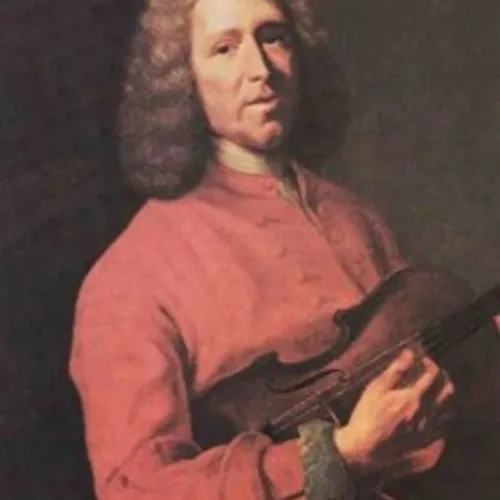
artiste
Jean-Philippe Rameau
En tournée
5,62 k Fans•1 spectacle à venir
Aucun événement à venir dans votre ville
Demandez à Jean-Philippe Rameau de venir jouer dans votre ville
Envoyer une demande
Tous les concerts et diffusions live
AVR
16
VEN
2027
Tournée de Jean-Philippe Rameau
Les fans suivent aussi
Ne ratez plus jamais un concert de Jean-Philippe Rameau.
Recevez des alertes sur les annonces de tournée, les billets de concert et les spectacles près de chez vous avec un compte Bandsintown gratuit.
A propos de Jean-Philippe Rameau
Jean-Philippe Rameau
Jean-Philippe Rameau (25 September 1683 - 12 September 1764) was one of the most important French composers and music theorists of the Baroque era. He replaced Jean-Baptiste Lully as the dominant composer of French opera, and was attacked by those who preferred Lully's style.
Rameau’s music is characterised by the exceptional technical knowledge of a composer who wanted above all to be renowned as a theorist of the art. Nevertheless it is not solely addressed to the intelligence and Rameau himself claimed “I try to conceal art with art”. The paradox of this music was that it was new, using techniques never known before, but it took place within the framework of old-fashioned forms; Rameau appeared revolutionary to the Lullystes, disturbed by the complex harmony of his music, and reactionary to the “philosophes” who only paid attention to its content and who either would not or could not listen to the sound it made. The incomprehension he received from his contemporaries stopped Rameau repeating such daring experiments as the second Trio des Parques in Hippolyte et Aricie, which he was forced to remove after a handful of performances because the singers were unable to interpret it correctly. So the greatest harmonist of his era went unrecognised at the very time that harmony - the “vertical” aspect of music - was taking precedence over counterpoint, which represented its “horizontal” aspect.
Rameau’s music is characterised by the exceptional technical knowledge of a composer who wanted above all to be renowned as a theorist of the art. Nevertheless it is not solely addressed to the intelligence and Rameau himself claimed “I try to conceal art with art”. The paradox of this music was that it was new, using techniques never known before, but it took place within the framework of old-fashioned forms; Rameau appeared revolutionary to the Lullystes, disturbed by the complex harmony of his music, and reactionary to the “philosophes” who only paid attention to its content and who either would not or could not listen to the sound it made. The incomprehension he received from his contemporaries stopped Rameau repeating such daring experiments as the second Trio des Parques in Hippolyte et Aricie, which he was forced to remove after a handful of performances because the singers were unable to interpret it correctly. So the greatest harmonist of his era went unrecognised at the very time that harmony - the “vertical” aspect of music - was taking precedence over counterpoint, which represented its “horizontal” aspect.
Afficher plus
Genres:
Classical
Aucun événement à venir dans votre ville
Demandez à Jean-Philippe Rameau de venir jouer dans votre ville
Envoyer une demande
Tous les concerts et diffusions live
AVR
16
VEN
2027
Tournée de Jean-Philippe Rameau
A propos de Jean-Philippe Rameau
Jean-Philippe Rameau
Jean-Philippe Rameau (25 September 1683 - 12 September 1764) was one of the most important French composers and music theorists of the Baroque era. He replaced Jean-Baptiste Lully as the dominant composer of French opera, and was attacked by those who preferred Lully's style.
Rameau’s music is characterised by the exceptional technical knowledge of a composer who wanted above all to be renowned as a theorist of the art. Nevertheless it is not solely addressed to the intelligence and Rameau himself claimed “I try to conceal art with art”. The paradox of this music was that it was new, using techniques never known before, but it took place within the framework of old-fashioned forms; Rameau appeared revolutionary to the Lullystes, disturbed by the complex harmony of his music, and reactionary to the “philosophes” who only paid attention to its content and who either would not or could not listen to the sound it made. The incomprehension he received from his contemporaries stopped Rameau repeating such daring experiments as the second Trio des Parques in Hippolyte et Aricie, which he was forced to remove after a handful of performances because the singers were unable to interpret it correctly. So the greatest harmonist of his era went unrecognised at the very time that harmony - the “vertical” aspect of music - was taking precedence over counterpoint, which represented its “horizontal” aspect.
Rameau’s music is characterised by the exceptional technical knowledge of a composer who wanted above all to be renowned as a theorist of the art. Nevertheless it is not solely addressed to the intelligence and Rameau himself claimed “I try to conceal art with art”. The paradox of this music was that it was new, using techniques never known before, but it took place within the framework of old-fashioned forms; Rameau appeared revolutionary to the Lullystes, disturbed by the complex harmony of his music, and reactionary to the “philosophes” who only paid attention to its content and who either would not or could not listen to the sound it made. The incomprehension he received from his contemporaries stopped Rameau repeating such daring experiments as the second Trio des Parques in Hippolyte et Aricie, which he was forced to remove after a handful of performances because the singers were unable to interpret it correctly. So the greatest harmonist of his era went unrecognised at the very time that harmony - the “vertical” aspect of music - was taking precedence over counterpoint, which represented its “horizontal” aspect.
Afficher plus
Genres:
Classical
Les fans suivent aussi
Ne ratez plus jamais un concert de Jean-Philippe Rameau.
Recevez des alertes sur les annonces de tournée, les billets de concert et les spectacles près de chez vous avec un compte Bandsintown gratuit.
Bénéficiez de l'expérience complète avec l’application mobile Bandsintown.
