Vous avez des bons goûts !
Connectez-vous pour suivre vos artistes favoris, sauvegarder des événements, & plus encore.

'%3e %3cpath d='M17.2 8.65233C17.2 3.87262 13.3508 0 8.6 0C3.84919 0 0 3.87262 0 8.65233C0 12.9785 3.12097 16.572 7.24758 17.2V11.1643H5.0629V8.65233H7.24758V6.76836C7.24758 4.60527 8.53065 3.38418 10.4726 3.38418C11.4435 3.38418 12.4145 3.55862 12.4145 3.55862V5.68682H11.3395C10.2645 5.68682 9.91774 6.3497 9.91774 7.04746V8.65233H12.3105L11.929 11.1643H9.91774V17.2C14.0444 16.572 17.2 12.9785 17.2 8.65233Z' fill='%236D6D6D'/%3e %3c/g%3e %3cdefs%3e %3cclipPath id='clip0_11991_110375'%3e %3crect width='17.2' height='17.2' fill='white'/%3e %3c/clipPath%3e %3c/defs%3e %3c/svg%3e)
'%3e %3cpath d='M13.546 0.716797H16.1835L10.4214 7.3954L17.2 16.4835H11.8924L7.73534 10.9716L2.97869 16.4835H0.339647L6.50272 9.33995L0 0.716797H5.44232L9.19996 5.75485L13.546 0.716797ZM12.6204 14.8825H14.0818L4.64822 2.23363H3.07994L12.6204 14.8825Z' fill='%236D6D6D'/%3e %3c/g%3e %3cdefs%3e %3cclipPath id='clip0_11991_110380'%3e %3crect width='17.2' height='17.2' fill='white'/%3e %3c/clipPath%3e %3c/defs%3e %3c/svg%3e)
'%3e %3cpath d='M8.6192 4.16563C6.16205 4.16563 4.20402 6.16205 4.20402 8.5808C4.20402 11.0379 6.16205 12.996 8.6192 12.996C11.0379 12.996 13.0344 11.0379 13.0344 8.5808C13.0344 6.16205 11.0379 4.16563 8.6192 4.16563ZM8.6192 11.4603C7.04509 11.4603 5.73973 10.1933 5.73973 8.5808C5.73973 7.0067 7.0067 5.73973 8.6192 5.73973C10.1933 5.73973 11.4603 7.0067 11.4603 8.5808C11.4603 10.1933 10.1933 11.4603 8.6192 11.4603ZM14.2246 4.01205C14.2246 4.58795 13.7638 5.04866 13.1879 5.04866C12.6121 5.04866 12.1513 4.58795 12.1513 4.01205C12.1513 3.43616 12.6121 2.97545 13.1879 2.97545C13.7638 2.97545 14.2246 3.43616 14.2246 4.01205ZM17.1424 5.04866C17.0656 3.66652 16.7585 2.43795 15.7603 1.43973C14.7621 0.441518 13.5335 0.134375 12.1513 0.0575893C10.7308 -0.0191964 6.4692 -0.0191964 5.04866 0.0575893C3.66652 0.134375 2.47634 0.441518 1.43973 1.43973C0.441518 2.43795 0.134375 3.66652 0.0575893 5.04866C-0.0191964 6.4692 -0.0191964 10.7308 0.0575893 12.1513C0.134375 13.5335 0.441518 14.7237 1.43973 15.7603C2.47634 16.7585 3.66652 17.0656 5.04866 17.1424C6.4692 17.2192 10.7308 17.2192 12.1513 17.1424C13.5335 17.0656 14.7621 16.7585 15.7603 15.7603C16.7585 14.7237 17.0656 13.5335 17.1424 12.1513C17.2192 10.7308 17.2192 6.4692 17.1424 5.04866ZM15.2996 13.6487C15.0308 14.4165 14.4165 14.9924 13.6871 15.2996C12.5353 15.7603 9.84777 15.6451 8.6192 15.6451C7.35223 15.6451 4.66473 15.7603 3.55134 15.2996C2.78348 14.9924 2.20759 14.4165 1.90045 13.6487C1.43973 12.5353 1.55491 9.84777 1.55491 8.5808C1.55491 7.35223 1.43973 4.66473 1.90045 3.51295C2.20759 2.78348 2.78348 2.20759 3.55134 1.90045C4.66473 1.43973 7.35223 1.55491 8.6192 1.55491C9.84777 1.55491 12.5353 1.43973 13.6871 1.90045C14.4165 2.1692 14.9924 2.78348 15.2996 3.51295C15.7603 4.66473 15.6451 7.35223 15.6451 8.5808C15.6451 9.84777 15.7603 12.5353 15.2996 13.6487Z' fill='%236D6D6D'/%3e %3c/g%3e %3cdefs%3e %3cclipPath id='clip0_11991_110387'%3e %3crect width='17.2' height='17.2' fill='white'/%3e %3c/clipPath%3e %3c/defs%3e %3c/svg%3e)


artiste
Raul Paz
En tournéeVérifié
4,33 k Fans•1 spectacle à venir
Aucun événement à venir dans votre ville
Demandez à Raul Paz de venir jouer dans votre ville
Envoyer une demande
Tous les concerts et diffusions live
NOV
07
SAM
Tournée de Raul Paz
Les fans suivent aussi
Ne ratez plus jamais un concert de Raul Paz.
Recevez des alertes sur les annonces de tournée, les billets de concert et les spectacles près de chez vous avec un compte Bandsintown gratuit.
A propos de Raul Paz
Raul Paz
Guajiro; chic Cuban country music : Raúl Paz unites multiple worlds, bringing together his Cuban identity with 15 years spent in Europe, and his long career with his new young fanbase. A musician of the town and the countryside, the singer-songwriter is releasing “Guajiro Chic”, a warm, political yet danceable new album.
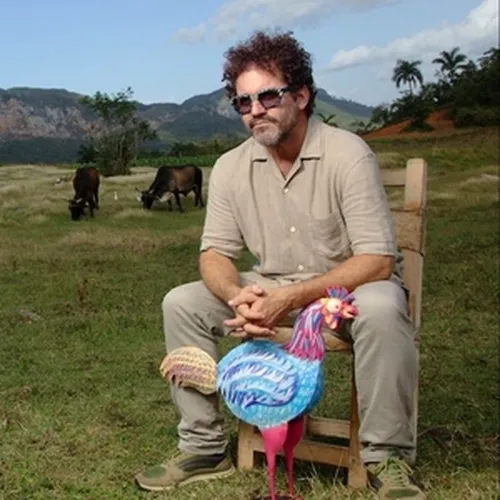
Cuban singer, songwriter and composer Raúl Paz spent almost fifteen years in exile before returning home to Cuba. He has been living with his family in Finca Villaverde in the Viñales valley since 2009. A warm approachable man, he plants and organises his family's life independently, using solar energy and permaculture. He enjoys the skillful simplicity of his close neighbours, ‘destitute and inspired workers on the land, roots musicians’. These new circumstances led to the energetic and seductive Guajiro Chic. Raúl Paz fine-tuned the lyrics, using double meanings, an art peculiar to artists in exile as much as to the malicia of the peasants.
Born in 1969 in the province of Pinar del Rio in the far west of Cuba, Raúl studied Western classical music at the Higher Institute of the Arts. But at home everybody listened and danced to Guajiro music. Raúl Paz thus acquired a good grounding passed on by his father, that of campesina music, from which the unsubmissive Cuban musicians drew their know-how, ‘without concern for mixing races, colours or social status - the Matamoros Trio, Bola de Nieve, Beny Moré and Polo Montanez, for example’.
Raúl was a gifted student and was offered a scholarship to the Schola Cantorum in Paris. In 1994, he found himself on the banks of the Seine. Here he found fans of Cuban music, salsa dancers and lovers of son, rumba and trova. He was studying classical music, but was drawn to popular Cuban music too and started playing in Parisian clubs like the New Morning or the Hot Brass, adapting to popular music so well and so quickly that he invented his own musical identity ‘a mixture of tradition and modern sounds’ that attracted young people. During the fifteen years he spent in France, Raul built up an exemplary career, moving from clubs to big theatres like the the Olympia and the Zénith.
In 2009, Raúl decided to return to his homeland, to the countryside. ‘I'm fed up with the city, the business, the rush, the competition, the speed, the formatted music’. From his country retreat, he composed albums, music for ‘telenovelas’ for national television, and produced an album for Florent Pagny (Habana, 2016). At the end of the pandemic he triumphed at Havana's Teatro Marti ‘with a classical repertoire’. His return to Cuba marked an aesthetic turning point and created the new face of Cuban songwriting. And because he spoke the truth in his songs, young people followed him. From now on, Raul Paz intends to move freely and share his life between Cuba and Europe. He has also set up a label to launch young Cuban talent and promote their music internationally.
Cuban singer, songwriter and composer Raúl Paz spent almost fifteen years in exile before returning home to Cuba. He has been living with his family in Finca Villaverde in the Viñales valley since 2009. A warm approachable man, he plants and organises his family's life independently, using solar energy and permaculture. He enjoys the skillful simplicity of his close neighbours, ‘destitute and inspired workers on the land, roots musicians’. These new circumstances led to the energetic and seductive Guajiro Chic. Raúl Paz fine-tuned the lyrics, using double meanings, an art peculiar to artists in exile as much as to the malicia of the peasants.
Born in 1969 in the province of Pinar del Rio in the far west of Cuba, Raúl studied Western classical music at the Higher Institute of the Arts. But at home everybody listened and danced to Guajiro music. Raúl Paz thus acquired a good grounding passed on by his father, that of campesina music, from which the unsubmissive Cuban musicians drew their know-how, ‘without concern for mixing races, colours or social status - the Matamoros Trio, Bola de Nieve, Beny Moré and Polo Montanez, for example’.
Raúl was a gifted student and was offered a scholarship to the Schola Cantorum in Paris. In 1994, he found himself on the banks of the Seine. Here he found fans of Cuban music, salsa dancers and lovers of son, rumba and trova. He was studying classical music, but was drawn to popular Cuban music too and started playing in Parisian clubs like the New Morning or the Hot Brass, adapting to popular music so well and so quickly that he invented his own musical identity ‘a mixture of tradition and modern sounds’ that attracted young people. During the fifteen years he spent in France, Raul built up an exemplary career, moving from clubs to big theatres like the the Olympia and the Zénith.
In 2009, Raúl decided to return to his homeland, to the countryside. ‘I'm fed up with the city, the business, the rush, the competition, the speed, the formatted music’. From his country retreat, he composed albums, music for ‘telenovelas’ for national television, and produced an album for Florent Pagny (Habana, 2016). At the end of the pandemic he triumphed at Havana's Teatro Marti ‘with a classical repertoire’. His return to Cuba marked an aesthetic turning point and created the new face of Cuban songwriting. And because he spoke the truth in his songs, young people followed him. From now on, Raul Paz intends to move freely and share his life between Cuba and Europe. He has also set up a label to launch young Cuban talent and promote their music internationally.
Afficher plus
Genres:
Latin
Aucun événement à venir dans votre ville
Demandez à Raul Paz de venir jouer dans votre ville
Envoyer une demande
Tous les concerts et diffusions live
NOV
07
SAM
Tournée de Raul Paz
A propos de Raul Paz
Raul Paz
Guajiro; chic Cuban country music : Raúl Paz unites multiple worlds, bringing together his Cuban identity with 15 years spent in Europe, and his long career with his new young fanbase. A musician of the town and the countryside, the singer-songwriter is releasing “Guajiro Chic”, a warm, political yet danceable new album.
Cuban singer, songwriter and composer Raúl Paz spent almost fifteen years in exile before returning home to Cuba. He has been living with his family in Finca Villaverde in the Viñales valley since 2009. A warm approachable man, he plants and organises his family's life independently, using solar energy and permaculture. He enjoys the skillful simplicity of his close neighbours, ‘destitute and inspired workers on the land, roots musicians’. These new circumstances led to the energetic and seductive Guajiro Chic. Raúl Paz fine-tuned the lyrics, using double meanings, an art peculiar to artists in exile as much as to the malicia of the peasants.
Born in 1969 in the province of Pinar del Rio in the far west of Cuba, Raúl studied Western classical music at the Higher Institute of the Arts. But at home everybody listened and danced to Guajiro music. Raúl Paz thus acquired a good grounding passed on by his father, that of campesina music, from which the unsubmissive Cuban musicians drew their know-how, ‘without concern for mixing races, colours or social status - the Matamoros Trio, Bola de Nieve, Beny Moré and Polo Montanez, for example’.
Raúl was a gifted student and was offered a scholarship to the Schola Cantorum in Paris. In 1994, he found himself on the banks of the Seine. Here he found fans of Cuban music, salsa dancers and lovers of son, rumba and trova. He was studying classical music, but was drawn to popular Cuban music too and started playing in Parisian clubs like the New Morning or the Hot Brass, adapting to popular music so well and so quickly that he invented his own musical identity ‘a mixture of tradition and modern sounds’ that attracted young people. During the fifteen years he spent in France, Raul built up an exemplary career, moving from clubs to big theatres like the the Olympia and the Zénith.
In 2009, Raúl decided to return to his homeland, to the countryside. ‘I'm fed up with the city, the business, the rush, the competition, the speed, the formatted music’. From his country retreat, he composed albums, music for ‘telenovelas’ for national television, and produced an album for Florent Pagny (Habana, 2016). At the end of the pandemic he triumphed at Havana's Teatro Marti ‘with a classical repertoire’. His return to Cuba marked an aesthetic turning point and created the new face of Cuban songwriting. And because he spoke the truth in his songs, young people followed him. From now on, Raul Paz intends to move freely and share his life between Cuba and Europe. He has also set up a label to launch young Cuban talent and promote their music internationally.
Cuban singer, songwriter and composer Raúl Paz spent almost fifteen years in exile before returning home to Cuba. He has been living with his family in Finca Villaverde in the Viñales valley since 2009. A warm approachable man, he plants and organises his family's life independently, using solar energy and permaculture. He enjoys the skillful simplicity of his close neighbours, ‘destitute and inspired workers on the land, roots musicians’. These new circumstances led to the energetic and seductive Guajiro Chic. Raúl Paz fine-tuned the lyrics, using double meanings, an art peculiar to artists in exile as much as to the malicia of the peasants.
Born in 1969 in the province of Pinar del Rio in the far west of Cuba, Raúl studied Western classical music at the Higher Institute of the Arts. But at home everybody listened and danced to Guajiro music. Raúl Paz thus acquired a good grounding passed on by his father, that of campesina music, from which the unsubmissive Cuban musicians drew their know-how, ‘without concern for mixing races, colours or social status - the Matamoros Trio, Bola de Nieve, Beny Moré and Polo Montanez, for example’.
Raúl was a gifted student and was offered a scholarship to the Schola Cantorum in Paris. In 1994, he found himself on the banks of the Seine. Here he found fans of Cuban music, salsa dancers and lovers of son, rumba and trova. He was studying classical music, but was drawn to popular Cuban music too and started playing in Parisian clubs like the New Morning or the Hot Brass, adapting to popular music so well and so quickly that he invented his own musical identity ‘a mixture of tradition and modern sounds’ that attracted young people. During the fifteen years he spent in France, Raul built up an exemplary career, moving from clubs to big theatres like the the Olympia and the Zénith.
In 2009, Raúl decided to return to his homeland, to the countryside. ‘I'm fed up with the city, the business, the rush, the competition, the speed, the formatted music’. From his country retreat, he composed albums, music for ‘telenovelas’ for national television, and produced an album for Florent Pagny (Habana, 2016). At the end of the pandemic he triumphed at Havana's Teatro Marti ‘with a classical repertoire’. His return to Cuba marked an aesthetic turning point and created the new face of Cuban songwriting. And because he spoke the truth in his songs, young people followed him. From now on, Raul Paz intends to move freely and share his life between Cuba and Europe. He has also set up a label to launch young Cuban talent and promote their music internationally.
Afficher plus
Genres:
Latin
Les fans suivent aussi
Ne ratez plus jamais un concert de Raul Paz.
Recevez des alertes sur les annonces de tournée, les billets de concert et les spectacles près de chez vous avec un compte Bandsintown gratuit.