Vous avez des bons goûts !
Connectez-vous pour suivre vos artistes favoris, sauvegarder des événements, & plus encore.
Trouvez des dates de tournée et des événements musicaux live pour tous vos groupes et artistes préférés dans votre ville. Obtenez des billets de concert et des actualités, et envoyez des RSVP aux concerts avec Bandsintown.

'%3e %3cpath d='M17.2 8.65233C17.2 3.87262 13.3508 0 8.6 0C3.84919 0 0 3.87262 0 8.65233C0 12.9785 3.12097 16.572 7.24758 17.2V11.1643H5.0629V8.65233H7.24758V6.76836C7.24758 4.60527 8.53065 3.38418 10.4726 3.38418C11.4435 3.38418 12.4145 3.55862 12.4145 3.55862V5.68682H11.3395C10.2645 5.68682 9.91774 6.3497 9.91774 7.04746V8.65233H12.3105L11.929 11.1643H9.91774V17.2C14.0444 16.572 17.2 12.9785 17.2 8.65233Z' fill='%236D6D6D'/%3e %3c/g%3e %3cdefs%3e %3cclipPath id='clip0_11991_110375'%3e %3crect width='17.2' height='17.2' fill='white'/%3e %3c/clipPath%3e %3c/defs%3e %3c/svg%3e)
'%3e %3cpath d='M13.546 0.716797H16.1835L10.4214 7.3954L17.2 16.4835H11.8924L7.73534 10.9716L2.97869 16.4835H0.339647L6.50272 9.33995L0 0.716797H5.44232L9.19996 5.75485L13.546 0.716797ZM12.6204 14.8825H14.0818L4.64822 2.23363H3.07994L12.6204 14.8825Z' fill='%236D6D6D'/%3e %3c/g%3e %3cdefs%3e %3cclipPath id='clip0_11991_110380'%3e %3crect width='17.2' height='17.2' fill='white'/%3e %3c/clipPath%3e %3c/defs%3e %3c/svg%3e)
'%3e %3cpath d='M8.6192 4.16563C6.16205 4.16563 4.20402 6.16205 4.20402 8.5808C4.20402 11.0379 6.16205 12.996 8.6192 12.996C11.0379 12.996 13.0344 11.0379 13.0344 8.5808C13.0344 6.16205 11.0379 4.16563 8.6192 4.16563ZM8.6192 11.4603C7.04509 11.4603 5.73973 10.1933 5.73973 8.5808C5.73973 7.0067 7.0067 5.73973 8.6192 5.73973C10.1933 5.73973 11.4603 7.0067 11.4603 8.5808C11.4603 10.1933 10.1933 11.4603 8.6192 11.4603ZM14.2246 4.01205C14.2246 4.58795 13.7638 5.04866 13.1879 5.04866C12.6121 5.04866 12.1513 4.58795 12.1513 4.01205C12.1513 3.43616 12.6121 2.97545 13.1879 2.97545C13.7638 2.97545 14.2246 3.43616 14.2246 4.01205ZM17.1424 5.04866C17.0656 3.66652 16.7585 2.43795 15.7603 1.43973C14.7621 0.441518 13.5335 0.134375 12.1513 0.0575893C10.7308 -0.0191964 6.4692 -0.0191964 5.04866 0.0575893C3.66652 0.134375 2.47634 0.441518 1.43973 1.43973C0.441518 2.43795 0.134375 3.66652 0.0575893 5.04866C-0.0191964 6.4692 -0.0191964 10.7308 0.0575893 12.1513C0.134375 13.5335 0.441518 14.7237 1.43973 15.7603C2.47634 16.7585 3.66652 17.0656 5.04866 17.1424C6.4692 17.2192 10.7308 17.2192 12.1513 17.1424C13.5335 17.0656 14.7621 16.7585 15.7603 15.7603C16.7585 14.7237 17.0656 13.5335 17.1424 12.1513C17.2192 10.7308 17.2192 6.4692 17.1424 5.04866ZM15.2996 13.6487C15.0308 14.4165 14.4165 14.9924 13.6871 15.2996C12.5353 15.7603 9.84777 15.6451 8.6192 15.6451C7.35223 15.6451 4.66473 15.7603 3.55134 15.2996C2.78348 14.9924 2.20759 14.4165 1.90045 13.6487C1.43973 12.5353 1.55491 9.84777 1.55491 8.5808C1.55491 7.35223 1.43973 4.66473 1.90045 3.51295C2.20759 2.78348 2.78348 2.20759 3.55134 1.90045C4.66473 1.43973 7.35223 1.55491 8.6192 1.55491C9.84777 1.55491 12.5353 1.43973 13.6871 1.90045C14.4165 2.1692 14.9924 2.78348 15.2996 3.51295C15.7603 4.66473 15.6451 7.35223 15.6451 8.5808C15.6451 9.84777 15.7603 12.5353 15.2996 13.6487Z' fill='%236D6D6D'/%3e %3c/g%3e %3cdefs%3e %3cclipPath id='clip0_11991_110387'%3e %3crect width='17.2' height='17.2' fill='white'/%3e %3c/clipPath%3e %3c/defs%3e %3c/svg%3e)


artiste
Deaf School
1,6 k Fans
Aucun événement à venir
Demandez à Deaf School de venir jouer dans votre ville
Envoyer une demande
Artistes similaires en tournée
Ne ratez plus jamais un concert de Deaf School.
Recevez des alertes sur les annonces de tournée, les billets de concert et les spectacles près de chez vous avec un compte Bandsintown gratuit.
A propos de Deaf School
Deaf School
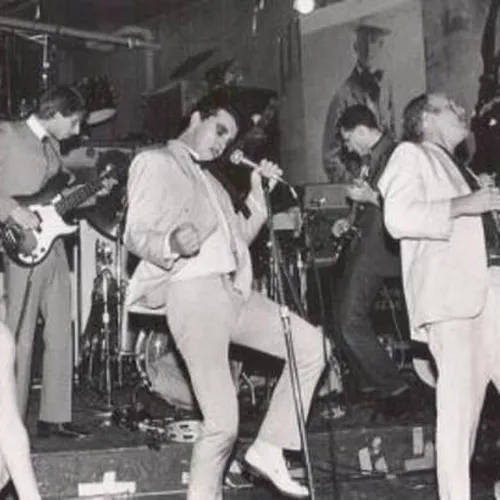
Deaf School formed in 1976 as an Art Rock Band. The members all students at Liverpool Art School, based in the Hannerman Building, a former ear, nose and throat hospital that treated amongst other ailments hearing problems. Hence the band name Deaf School.
The group was lead by Steve Allan (Enrico Cadillac) on vocals; Bette Bright on vocals; Clive Langer on Guitar and Piano; Max Ripple on Keyboards and accordion; Steve Lindsey on bass Piano and Vocals; Timothy Whittaker on Drums; Ian Ritchie on saxaphone; Erick Shark on vocals and Paul Pilnick on guitar, accordion, bass and banjo.
Their first album 2nd Honey Moon drew extensively from music hall and fifties musical sources combined with a keen appreciation for Roxy Music. The second album ‘Don’t Stop The world’ retained a harder punk edge to it. With a greater emphasis on guitars and less on the ‘vaudeville sound’ of the first album the group seamed to lose direction, being pulled from their art rock roots to the now emerging New Wave sound.
The final third album, ‘English Boys, Working Girls’ moved more towards the New Wave sound and almost completely lost their original feel. As a result the band perhaps got lost amongst the many other New Wave bands of the time including fellow art school band Yachts.
After the group folded in 1978 various members went on to further their careers in the music business. Bette Bright completed a solo album. Clive Langer went on to produce amongst others Elvis Costello and Dexys Midnight Runners.
A small re-union tour in 1988 gave birth to a brilliant live album ‘2nd Coming: Liverpool '88’. Since then the band have come together occasionally in Liverpool just for fun such as at the opening party of the venue 'The Picket' in 2006. Sanctuary Records released a compilation of the band's 3 studio albums in 2004.
The influence Deaf School had on other artists is being increasingly acknowledged. Without Deaf School there would arguably have been no late 70's Liverpool scene, with no Frankie GTH or Teardrop Explodes, perhaps no Madness and Kevin Rowland admits that Dexy's were hugely influenced by Deaf School. 'something to remember'........
The group was lead by Steve Allan (Enrico Cadillac) on vocals; Bette Bright on vocals; Clive Langer on Guitar and Piano; Max Ripple on Keyboards and accordion; Steve Lindsey on bass Piano and Vocals; Timothy Whittaker on Drums; Ian Ritchie on saxaphone; Erick Shark on vocals and Paul Pilnick on guitar, accordion, bass and banjo.
Their first album 2nd Honey Moon drew extensively from music hall and fifties musical sources combined with a keen appreciation for Roxy Music. The second album ‘Don’t Stop The world’ retained a harder punk edge to it. With a greater emphasis on guitars and less on the ‘vaudeville sound’ of the first album the group seamed to lose direction, being pulled from their art rock roots to the now emerging New Wave sound.
The final third album, ‘English Boys, Working Girls’ moved more towards the New Wave sound and almost completely lost their original feel. As a result the band perhaps got lost amongst the many other New Wave bands of the time including fellow art school band Yachts.
After the group folded in 1978 various members went on to further their careers in the music business. Bette Bright completed a solo album. Clive Langer went on to produce amongst others Elvis Costello and Dexys Midnight Runners.
A small re-union tour in 1988 gave birth to a brilliant live album ‘2nd Coming: Liverpool '88’. Since then the band have come together occasionally in Liverpool just for fun such as at the opening party of the venue 'The Picket' in 2006. Sanctuary Records released a compilation of the band's 3 studio albums in 2004.
The influence Deaf School had on other artists is being increasingly acknowledged. Without Deaf School there would arguably have been no late 70's Liverpool scene, with no Frankie GTH or Teardrop Explodes, perhaps no Madness and Kevin Rowland admits that Dexy's were hugely influenced by Deaf School. 'something to remember'........
Afficher plus
Genres:
New Wave Alternative, Alternative
Aucun événement à venir
Demandez à Deaf School de venir jouer dans votre ville
Envoyer une demande
Artistes similaires en tournée
A propos de Deaf School
Deaf School
Deaf School formed in 1976 as an Art Rock Band. The members all students at Liverpool Art School, based in the Hannerman Building, a former ear, nose and throat hospital that treated amongst other ailments hearing problems. Hence the band name Deaf School.
The group was lead by Steve Allan (Enrico Cadillac) on vocals; Bette Bright on vocals; Clive Langer on Guitar and Piano; Max Ripple on Keyboards and accordion; Steve Lindsey on bass Piano and Vocals; Timothy Whittaker on Drums; Ian Ritchie on saxaphone; Erick Shark on vocals and Paul Pilnick on guitar, accordion, bass and banjo.
Their first album 2nd Honey Moon drew extensively from music hall and fifties musical sources combined with a keen appreciation for Roxy Music. The second album ‘Don’t Stop The world’ retained a harder punk edge to it. With a greater emphasis on guitars and less on the ‘vaudeville sound’ of the first album the group seamed to lose direction, being pulled from their art rock roots to the now emerging New Wave sound.
The final third album, ‘English Boys, Working Girls’ moved more towards the New Wave sound and almost completely lost their original feel. As a result the band perhaps got lost amongst the many other New Wave bands of the time including fellow art school band Yachts.
After the group folded in 1978 various members went on to further their careers in the music business. Bette Bright completed a solo album. Clive Langer went on to produce amongst others Elvis Costello and Dexys Midnight Runners.
A small re-union tour in 1988 gave birth to a brilliant live album ‘2nd Coming: Liverpool '88’. Since then the band have come together occasionally in Liverpool just for fun such as at the opening party of the venue 'The Picket' in 2006. Sanctuary Records released a compilation of the band's 3 studio albums in 2004.
The influence Deaf School had on other artists is being increasingly acknowledged. Without Deaf School there would arguably have been no late 70's Liverpool scene, with no Frankie GTH or Teardrop Explodes, perhaps no Madness and Kevin Rowland admits that Dexy's were hugely influenced by Deaf School. 'something to remember'........
The group was lead by Steve Allan (Enrico Cadillac) on vocals; Bette Bright on vocals; Clive Langer on Guitar and Piano; Max Ripple on Keyboards and accordion; Steve Lindsey on bass Piano and Vocals; Timothy Whittaker on Drums; Ian Ritchie on saxaphone; Erick Shark on vocals and Paul Pilnick on guitar, accordion, bass and banjo.
Their first album 2nd Honey Moon drew extensively from music hall and fifties musical sources combined with a keen appreciation for Roxy Music. The second album ‘Don’t Stop The world’ retained a harder punk edge to it. With a greater emphasis on guitars and less on the ‘vaudeville sound’ of the first album the group seamed to lose direction, being pulled from their art rock roots to the now emerging New Wave sound.
The final third album, ‘English Boys, Working Girls’ moved more towards the New Wave sound and almost completely lost their original feel. As a result the band perhaps got lost amongst the many other New Wave bands of the time including fellow art school band Yachts.
After the group folded in 1978 various members went on to further their careers in the music business. Bette Bright completed a solo album. Clive Langer went on to produce amongst others Elvis Costello and Dexys Midnight Runners.
A small re-union tour in 1988 gave birth to a brilliant live album ‘2nd Coming: Liverpool '88’. Since then the band have come together occasionally in Liverpool just for fun such as at the opening party of the venue 'The Picket' in 2006. Sanctuary Records released a compilation of the band's 3 studio albums in 2004.
The influence Deaf School had on other artists is being increasingly acknowledged. Without Deaf School there would arguably have been no late 70's Liverpool scene, with no Frankie GTH or Teardrop Explodes, perhaps no Madness and Kevin Rowland admits that Dexy's were hugely influenced by Deaf School. 'something to remember'........
Afficher plus
Genres:
New Wave Alternative, Alternative
Ne ratez plus jamais un concert de Deaf School.
Recevez des alertes sur les annonces de tournée, les billets de concert et les spectacles près de chez vous avec un compte Bandsintown gratuit.
Bénéficiez de l'expérience complète avec l’application mobile Bandsintown.

Photos live

Commentaires des fans
Brilliant gig in a great little venue
15 novembre 2024·Birkenhead, United Kingdom

Kev Mac
Amazing as always , a great night and can’t wait for the next concert …. Thank you all
17 décembre 2023·Liverpool, United Kingdom
Denise
It was fabulous fun, everything a gig should be about. Hurry up and tour again
2 janvier 2023·Liverpool, United Kingdom
Jane
Photos live
Commentaires des fans
Brilliant gig in a great little venue
15 novembre 2024·Birkenhead, United Kingdom
Kev Mac
Amazing as always , a great night and can’t wait for the next concert …. Thank you all
17 décembre 2023·Liverpool, United Kingdom
Denise
It was fabulous fun, everything a gig should be about. Hurry up and tour again
2 janvier 2023·Liverpool, United Kingdom
Jane