¡Tienes muy buen gusto!
Inicia sesión para seguir a tus artistas favoritos, guardar eventos y mucho más.
Encuentra fechas de giras y eventos de música en directo de tus grupos y artistas favoritos en tu ciudad. Recibe entradas para conciertos, noticias y confirmaciones de asistencia a conciertos con Bandsintown.

'%3e %3cpath d='M17.2 8.65233C17.2 3.87262 13.3508 0 8.6 0C3.84919 0 0 3.87262 0 8.65233C0 12.9785 3.12097 16.572 7.24758 17.2V11.1643H5.0629V8.65233H7.24758V6.76836C7.24758 4.60527 8.53065 3.38418 10.4726 3.38418C11.4435 3.38418 12.4145 3.55862 12.4145 3.55862V5.68682H11.3395C10.2645 5.68682 9.91774 6.3497 9.91774 7.04746V8.65233H12.3105L11.929 11.1643H9.91774V17.2C14.0444 16.572 17.2 12.9785 17.2 8.65233Z' fill='%236D6D6D'/%3e %3c/g%3e %3cdefs%3e %3cclipPath id='clip0_11991_110375'%3e %3crect width='17.2' height='17.2' fill='white'/%3e %3c/clipPath%3e %3c/defs%3e %3c/svg%3e)
'%3e %3cpath d='M13.546 0.716797H16.1835L10.4214 7.3954L17.2 16.4835H11.8924L7.73534 10.9716L2.97869 16.4835H0.339647L6.50272 9.33995L0 0.716797H5.44232L9.19996 5.75485L13.546 0.716797ZM12.6204 14.8825H14.0818L4.64822 2.23363H3.07994L12.6204 14.8825Z' fill='%236D6D6D'/%3e %3c/g%3e %3cdefs%3e %3cclipPath id='clip0_11991_110380'%3e %3crect width='17.2' height='17.2' fill='white'/%3e %3c/clipPath%3e %3c/defs%3e %3c/svg%3e)
'%3e %3cpath d='M8.6192 4.16563C6.16205 4.16563 4.20402 6.16205 4.20402 8.5808C4.20402 11.0379 6.16205 12.996 8.6192 12.996C11.0379 12.996 13.0344 11.0379 13.0344 8.5808C13.0344 6.16205 11.0379 4.16563 8.6192 4.16563ZM8.6192 11.4603C7.04509 11.4603 5.73973 10.1933 5.73973 8.5808C5.73973 7.0067 7.0067 5.73973 8.6192 5.73973C10.1933 5.73973 11.4603 7.0067 11.4603 8.5808C11.4603 10.1933 10.1933 11.4603 8.6192 11.4603ZM14.2246 4.01205C14.2246 4.58795 13.7638 5.04866 13.1879 5.04866C12.6121 5.04866 12.1513 4.58795 12.1513 4.01205C12.1513 3.43616 12.6121 2.97545 13.1879 2.97545C13.7638 2.97545 14.2246 3.43616 14.2246 4.01205ZM17.1424 5.04866C17.0656 3.66652 16.7585 2.43795 15.7603 1.43973C14.7621 0.441518 13.5335 0.134375 12.1513 0.0575893C10.7308 -0.0191964 6.4692 -0.0191964 5.04866 0.0575893C3.66652 0.134375 2.47634 0.441518 1.43973 1.43973C0.441518 2.43795 0.134375 3.66652 0.0575893 5.04866C-0.0191964 6.4692 -0.0191964 10.7308 0.0575893 12.1513C0.134375 13.5335 0.441518 14.7237 1.43973 15.7603C2.47634 16.7585 3.66652 17.0656 5.04866 17.1424C6.4692 17.2192 10.7308 17.2192 12.1513 17.1424C13.5335 17.0656 14.7621 16.7585 15.7603 15.7603C16.7585 14.7237 17.0656 13.5335 17.1424 12.1513C17.2192 10.7308 17.2192 6.4692 17.1424 5.04866ZM15.2996 13.6487C15.0308 14.4165 14.4165 14.9924 13.6871 15.2996C12.5353 15.7603 9.84777 15.6451 8.6192 15.6451C7.35223 15.6451 4.66473 15.7603 3.55134 15.2996C2.78348 14.9924 2.20759 14.4165 1.90045 13.6487C1.43973 12.5353 1.55491 9.84777 1.55491 8.5808C1.55491 7.35223 1.43973 4.66473 1.90045 3.51295C2.20759 2.78348 2.78348 2.20759 3.55134 1.90045C4.66473 1.43973 7.35223 1.55491 8.6192 1.55491C9.84777 1.55491 12.5353 1.43973 13.6871 1.90045C14.4165 2.1692 14.9924 2.78348 15.2996 3.51295C15.7603 4.66473 15.6451 7.35223 15.6451 8.5808C15.6451 9.84777 15.7603 12.5353 15.2996 13.6487Z' fill='%236D6D6D'/%3e %3c/g%3e %3cdefs%3e %3cclipPath id='clip0_11991_110387'%3e %3crect width='17.2' height='17.2' fill='white'/%3e %3c/clipPath%3e %3c/defs%3e %3c/svg%3e)


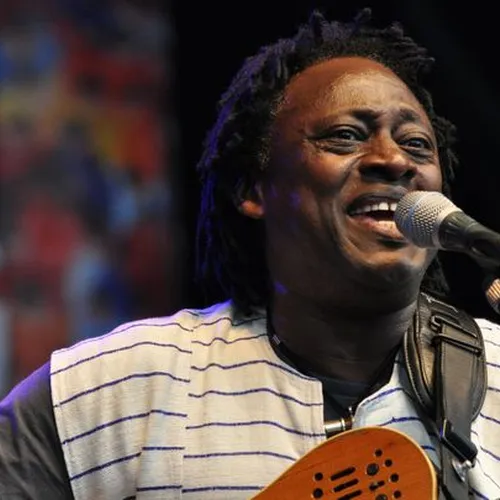
artista
Habib Koité
De giraVerificado
43,8 mil Seguidores•9 próximos espectáculos
No hay próximos espectáculos en tu ciudad
Envía una solicitud a Habib Koité para que dé un concierto en tu ciudad
Solicitar un espectáculo
Todos los eventos y retransmisiones en directo
Gira de Habib Koité
Los fans también siguen
Nunca te pierdas otro concierto de Habib Koité.
Recibe alertas sobre anuncios de giras, entradas para concierto y espectáculos cerca de ti con una cuenta gratuita de Bandsintown.
Acerca De Habib Koité
Habib Koité
Habib Koité (b. 1958 in Mali) is an internationally-known Malian musician who sings and plays the guitar. His supporting cast, Bamada, is a super-group of West African talent, including Kélétigui Diabaté playing balafon.
Musical style
Koité is known primarily for his unique approach to playing the guitar by tuning it on a pentatonic scale and playing on open strings as one would on a kamale n'goni. Other pieces of his music sound more like the blues or flamenco which are two styles he learned under Khalilou Traore.
In contrast with other well-known Malian musicians such as Salif Keita and Oumou Sangaré, Koité's vocal style is intimate and relaxed, emphasizing calm, moody singing rather than operatic technical prowess. Members of Bamada play harmonica, violin, calabassa, and kora. Koité composes and arranges all songs, singing in English, French, and Bambara.
History
Koité was born in 1958 to musical parents, whom he learned instrumentation from by watching and listening. He joined the Bamako National Institute of Arts and became a conductor in 1978 after only six months of playing. He graduated in 1982, and formed his band Bamada in 1988. The name "Bamada" is a nickname for residents of Mali's capital city Bamako, and the word roughly translates as "In the mouth of the crocodile." Other members of the band were friends of Koité's from childhood.
One of Koité's best known songs, "Cigarette Abana" (No more cigarettes), was first recorded in 1991. A new Latin-style version on his later CD Baro, along with the song "Nanalé", won Koite the Radio France International Discoveries Prize in 1992. After this recognition, Koité was able to launch his first tour outside of Africa in 1994. He met his manager the next year, and released his first album, Muso Ko which rose to #3 on the European World Music Charts. Two tracks from Muso Ko, I Ka Barra, and Din Din Wo were included with Microsoft Windows Vista, meaning that his music will be installed on many millions of PCs. His follow-up album, Ma Ya, did very well as well.
Ma Ya was re-distributed through the Putumayo World Music label, increasing his exposure in the United States, and his next album, Baro, was distributed through them as well. Koité became one of Mali's most successful musicians internationally. He has performed and recorded with Eric Bibb and Bonnie Raitt, among other Western musicians. Raitt also invited Koité to record with her on her latest album Silver Lining. Many of his songs have been featured on various Putumayo compilations, such as Blues Around The World and Mali.
Habib and Bamada were on stage at the African Roots and Shoots Festival at London's Barbican in 2000 and have also performed at many other international festivals. Later in 2000, Habib was part of the "Voices of Mali" tour in USA and Canada. In 2004 and again in 2005, Habib and the Band toured across the country to enthusiastic audiences. He played a single benefit performance in Providence, Rhode Island in December, 2005.
Discography
Albums
Muso ko, 1995
Ma Ya, 1999
Baro (Habib Koité & Bamada album), 2001
Live! (Habib Koité & Bamada album), 2004
Afriki (Habib Koité & Bamada album), 2007
Musical style
Koité is known primarily for his unique approach to playing the guitar by tuning it on a pentatonic scale and playing on open strings as one would on a kamale n'goni. Other pieces of his music sound more like the blues or flamenco which are two styles he learned under Khalilou Traore.
In contrast with other well-known Malian musicians such as Salif Keita and Oumou Sangaré, Koité's vocal style is intimate and relaxed, emphasizing calm, moody singing rather than operatic technical prowess. Members of Bamada play harmonica, violin, calabassa, and kora. Koité composes and arranges all songs, singing in English, French, and Bambara.
History
Koité was born in 1958 to musical parents, whom he learned instrumentation from by watching and listening. He joined the Bamako National Institute of Arts and became a conductor in 1978 after only six months of playing. He graduated in 1982, and formed his band Bamada in 1988. The name "Bamada" is a nickname for residents of Mali's capital city Bamako, and the word roughly translates as "In the mouth of the crocodile." Other members of the band were friends of Koité's from childhood.
One of Koité's best known songs, "Cigarette Abana" (No more cigarettes), was first recorded in 1991. A new Latin-style version on his later CD Baro, along with the song "Nanalé", won Koite the Radio France International Discoveries Prize in 1992. After this recognition, Koité was able to launch his first tour outside of Africa in 1994. He met his manager the next year, and released his first album, Muso Ko which rose to #3 on the European World Music Charts. Two tracks from Muso Ko, I Ka Barra, and Din Din Wo were included with Microsoft Windows Vista, meaning that his music will be installed on many millions of PCs. His follow-up album, Ma Ya, did very well as well.
Ma Ya was re-distributed through the Putumayo World Music label, increasing his exposure in the United States, and his next album, Baro, was distributed through them as well. Koité became one of Mali's most successful musicians internationally. He has performed and recorded with Eric Bibb and Bonnie Raitt, among other Western musicians. Raitt also invited Koité to record with her on her latest album Silver Lining. Many of his songs have been featured on various Putumayo compilations, such as Blues Around The World and Mali.
Habib and Bamada were on stage at the African Roots and Shoots Festival at London's Barbican in 2000 and have also performed at many other international festivals. Later in 2000, Habib was part of the "Voices of Mali" tour in USA and Canada. In 2004 and again in 2005, Habib and the Band toured across the country to enthusiastic audiences. He played a single benefit performance in Providence, Rhode Island in December, 2005.
Discography
Albums
Muso ko, 1995
Ma Ya, 1999
Baro (Habib Koité & Bamada album), 2001
Live! (Habib Koité & Bamada album), 2004
Afriki (Habib Koité & Bamada album), 2007
Mostrar más
Géneros:
International, African
No hay próximos espectáculos en tu ciudad
Envía una solicitud a Habib Koité para que dé un concierto en tu ciudad
Solicitar un espectáculo
Todos los eventos y retransmisiones en directo
Gira de Habib Koité
Acerca De Habib Koité
Habib Koité
Habib Koité (b. 1958 in Mali) is an internationally-known Malian musician who sings and plays the guitar. His supporting cast, Bamada, is a super-group of West African talent, including Kélétigui Diabaté playing balafon.
Musical style
Koité is known primarily for his unique approach to playing the guitar by tuning it on a pentatonic scale and playing on open strings as one would on a kamale n'goni. Other pieces of his music sound more like the blues or flamenco which are two styles he learned under Khalilou Traore.
In contrast with other well-known Malian musicians such as Salif Keita and Oumou Sangaré, Koité's vocal style is intimate and relaxed, emphasizing calm, moody singing rather than operatic technical prowess. Members of Bamada play harmonica, violin, calabassa, and kora. Koité composes and arranges all songs, singing in English, French, and Bambara.
History
Koité was born in 1958 to musical parents, whom he learned instrumentation from by watching and listening. He joined the Bamako National Institute of Arts and became a conductor in 1978 after only six months of playing. He graduated in 1982, and formed his band Bamada in 1988. The name "Bamada" is a nickname for residents of Mali's capital city Bamako, and the word roughly translates as "In the mouth of the crocodile." Other members of the band were friends of Koité's from childhood.
One of Koité's best known songs, "Cigarette Abana" (No more cigarettes), was first recorded in 1991. A new Latin-style version on his later CD Baro, along with the song "Nanalé", won Koite the Radio France International Discoveries Prize in 1992. After this recognition, Koité was able to launch his first tour outside of Africa in 1994. He met his manager the next year, and released his first album, Muso Ko which rose to #3 on the European World Music Charts. Two tracks from Muso Ko, I Ka Barra, and Din Din Wo were included with Microsoft Windows Vista, meaning that his music will be installed on many millions of PCs. His follow-up album, Ma Ya, did very well as well.
Ma Ya was re-distributed through the Putumayo World Music label, increasing his exposure in the United States, and his next album, Baro, was distributed through them as well. Koité became one of Mali's most successful musicians internationally. He has performed and recorded with Eric Bibb and Bonnie Raitt, among other Western musicians. Raitt also invited Koité to record with her on her latest album Silver Lining. Many of his songs have been featured on various Putumayo compilations, such as Blues Around The World and Mali.
Habib and Bamada were on stage at the African Roots and Shoots Festival at London's Barbican in 2000 and have also performed at many other international festivals. Later in 2000, Habib was part of the "Voices of Mali" tour in USA and Canada. In 2004 and again in 2005, Habib and the Band toured across the country to enthusiastic audiences. He played a single benefit performance in Providence, Rhode Island in December, 2005.
Discography
Albums
Muso ko, 1995
Ma Ya, 1999
Baro (Habib Koité & Bamada album), 2001
Live! (Habib Koité & Bamada album), 2004
Afriki (Habib Koité & Bamada album), 2007
Musical style
Koité is known primarily for his unique approach to playing the guitar by tuning it on a pentatonic scale and playing on open strings as one would on a kamale n'goni. Other pieces of his music sound more like the blues or flamenco which are two styles he learned under Khalilou Traore.
In contrast with other well-known Malian musicians such as Salif Keita and Oumou Sangaré, Koité's vocal style is intimate and relaxed, emphasizing calm, moody singing rather than operatic technical prowess. Members of Bamada play harmonica, violin, calabassa, and kora. Koité composes and arranges all songs, singing in English, French, and Bambara.
History
Koité was born in 1958 to musical parents, whom he learned instrumentation from by watching and listening. He joined the Bamako National Institute of Arts and became a conductor in 1978 after only six months of playing. He graduated in 1982, and formed his band Bamada in 1988. The name "Bamada" is a nickname for residents of Mali's capital city Bamako, and the word roughly translates as "In the mouth of the crocodile." Other members of the band were friends of Koité's from childhood.
One of Koité's best known songs, "Cigarette Abana" (No more cigarettes), was first recorded in 1991. A new Latin-style version on his later CD Baro, along with the song "Nanalé", won Koite the Radio France International Discoveries Prize in 1992. After this recognition, Koité was able to launch his first tour outside of Africa in 1994. He met his manager the next year, and released his first album, Muso Ko which rose to #3 on the European World Music Charts. Two tracks from Muso Ko, I Ka Barra, and Din Din Wo were included with Microsoft Windows Vista, meaning that his music will be installed on many millions of PCs. His follow-up album, Ma Ya, did very well as well.
Ma Ya was re-distributed through the Putumayo World Music label, increasing his exposure in the United States, and his next album, Baro, was distributed through them as well. Koité became one of Mali's most successful musicians internationally. He has performed and recorded with Eric Bibb and Bonnie Raitt, among other Western musicians. Raitt also invited Koité to record with her on her latest album Silver Lining. Many of his songs have been featured on various Putumayo compilations, such as Blues Around The World and Mali.
Habib and Bamada were on stage at the African Roots and Shoots Festival at London's Barbican in 2000 and have also performed at many other international festivals. Later in 2000, Habib was part of the "Voices of Mali" tour in USA and Canada. In 2004 and again in 2005, Habib and the Band toured across the country to enthusiastic audiences. He played a single benefit performance in Providence, Rhode Island in December, 2005.
Discography
Albums
Muso ko, 1995
Ma Ya, 1999
Baro (Habib Koité & Bamada album), 2001
Live! (Habib Koité & Bamada album), 2004
Afriki (Habib Koité & Bamada album), 2007
Mostrar más
Géneros:
International, African
Los fans también siguen
Nunca te pierdas otro concierto de Habib Koité.
Recibe alertas sobre anuncios de giras, entradas para concierto y espectáculos cerca de ti con una cuenta gratuita de Bandsintown.
Vive la experiencia total con la aplicación de Bandsintown.

Lo que dicen los fans
Content d avoir pu filmer une bonne partie du concert à partir du balcon
25 de abril de 2026·Brussels, Belgium

Jo
All artists were amazing, loved it!
18 de febrero de 2026·Winterthur, Switzerland

Jaime **
Loved it!
9 de febrero de 2026·Zurich, Switzerland
Jaime **


Lo que dicen los fans
Content d avoir pu filmer une bonne partie du concert à partir du balcon
25 de abril de 2026·Brussels, Belgium
Jo
All artists were amazing, loved it!
18 de febrero de 2026·Winterthur, Switzerland
Jaime **
Loved it!
9 de febrero de 2026·Zurich, Switzerland
Jaime **