¡Tienes muy buen gusto!
Inicia sesión para seguir a tus artistas favoritos, guardar eventos y mucho más.
Encuentra fechas de giras y eventos de música en directo de tus grupos y artistas favoritos en tu ciudad. Recibe entradas para conciertos, noticias y confirmaciones de asistencia a conciertos con Bandsintown.

'%3e %3cpath d='M17.2 8.65233C17.2 3.87262 13.3508 0 8.6 0C3.84919 0 0 3.87262 0 8.65233C0 12.9785 3.12097 16.572 7.24758 17.2V11.1643H5.0629V8.65233H7.24758V6.76836C7.24758 4.60527 8.53065 3.38418 10.4726 3.38418C11.4435 3.38418 12.4145 3.55862 12.4145 3.55862V5.68682H11.3395C10.2645 5.68682 9.91774 6.3497 9.91774 7.04746V8.65233H12.3105L11.929 11.1643H9.91774V17.2C14.0444 16.572 17.2 12.9785 17.2 8.65233Z' fill='%236D6D6D'/%3e %3c/g%3e %3cdefs%3e %3cclipPath id='clip0_11991_110375'%3e %3crect width='17.2' height='17.2' fill='white'/%3e %3c/clipPath%3e %3c/defs%3e %3c/svg%3e)
'%3e %3cpath d='M13.546 0.716797H16.1835L10.4214 7.3954L17.2 16.4835H11.8924L7.73534 10.9716L2.97869 16.4835H0.339647L6.50272 9.33995L0 0.716797H5.44232L9.19996 5.75485L13.546 0.716797ZM12.6204 14.8825H14.0818L4.64822 2.23363H3.07994L12.6204 14.8825Z' fill='%236D6D6D'/%3e %3c/g%3e %3cdefs%3e %3cclipPath id='clip0_11991_110380'%3e %3crect width='17.2' height='17.2' fill='white'/%3e %3c/clipPath%3e %3c/defs%3e %3c/svg%3e)
'%3e %3cpath d='M8.6192 4.16563C6.16205 4.16563 4.20402 6.16205 4.20402 8.5808C4.20402 11.0379 6.16205 12.996 8.6192 12.996C11.0379 12.996 13.0344 11.0379 13.0344 8.5808C13.0344 6.16205 11.0379 4.16563 8.6192 4.16563ZM8.6192 11.4603C7.04509 11.4603 5.73973 10.1933 5.73973 8.5808C5.73973 7.0067 7.0067 5.73973 8.6192 5.73973C10.1933 5.73973 11.4603 7.0067 11.4603 8.5808C11.4603 10.1933 10.1933 11.4603 8.6192 11.4603ZM14.2246 4.01205C14.2246 4.58795 13.7638 5.04866 13.1879 5.04866C12.6121 5.04866 12.1513 4.58795 12.1513 4.01205C12.1513 3.43616 12.6121 2.97545 13.1879 2.97545C13.7638 2.97545 14.2246 3.43616 14.2246 4.01205ZM17.1424 5.04866C17.0656 3.66652 16.7585 2.43795 15.7603 1.43973C14.7621 0.441518 13.5335 0.134375 12.1513 0.0575893C10.7308 -0.0191964 6.4692 -0.0191964 5.04866 0.0575893C3.66652 0.134375 2.47634 0.441518 1.43973 1.43973C0.441518 2.43795 0.134375 3.66652 0.0575893 5.04866C-0.0191964 6.4692 -0.0191964 10.7308 0.0575893 12.1513C0.134375 13.5335 0.441518 14.7237 1.43973 15.7603C2.47634 16.7585 3.66652 17.0656 5.04866 17.1424C6.4692 17.2192 10.7308 17.2192 12.1513 17.1424C13.5335 17.0656 14.7621 16.7585 15.7603 15.7603C16.7585 14.7237 17.0656 13.5335 17.1424 12.1513C17.2192 10.7308 17.2192 6.4692 17.1424 5.04866ZM15.2996 13.6487C15.0308 14.4165 14.4165 14.9924 13.6871 15.2996C12.5353 15.7603 9.84777 15.6451 8.6192 15.6451C7.35223 15.6451 4.66473 15.7603 3.55134 15.2996C2.78348 14.9924 2.20759 14.4165 1.90045 13.6487C1.43973 12.5353 1.55491 9.84777 1.55491 8.5808C1.55491 7.35223 1.43973 4.66473 1.90045 3.51295C2.20759 2.78348 2.78348 2.20759 3.55134 1.90045C4.66473 1.43973 7.35223 1.55491 8.6192 1.55491C9.84777 1.55491 12.5353 1.43973 13.6871 1.90045C14.4165 2.1692 14.9924 2.78348 15.2996 3.51295C15.7603 4.66473 15.6451 7.35223 15.6451 8.5808C15.6451 9.84777 15.7603 12.5353 15.2996 13.6487Z' fill='%236D6D6D'/%3e %3c/g%3e %3cdefs%3e %3cclipPath id='clip0_11991_110387'%3e %3crect width='17.2' height='17.2' fill='white'/%3e %3c/clipPath%3e %3c/defs%3e %3c/svg%3e)


artista
The Music Machine
Verificado
5,87 mil Seguidores
Artistas similares de gira
Nunca te pierdas otro concierto.
Encuentra artistas similares y recibe alertas sobre anuncios de giras, tiquetes para conciertos y espectáculos cerca a ti, creando tu cuenta gratuita en Bandsintown.
Acerca De The Music Machine
The Music Machine
The Music Machine's 1966 hit Talk Talk is the ultimate spew of garage angst, its tortuous chord changes complemented by pounding electric keyboards, snaky Asiatic guitar, and Sean Bonniwell's unforgettable guttural howl, "My social life's a dud, my name is really mud". It was the Los Angeles band's only high-charting 45, but from '66 to the end of the decade they released much astonishingly fine garage-psychedelia, with Bonniwell's tormented visions, hard rock melodic hooks, and alternately gravely/crooning vocals to the fore.
Additional Info: The group came together as The Ragamuffins in 1965, but became The Music Machine in 1966. The single "Talk Talk" was recorded at RCA studios on July 30, 1966.
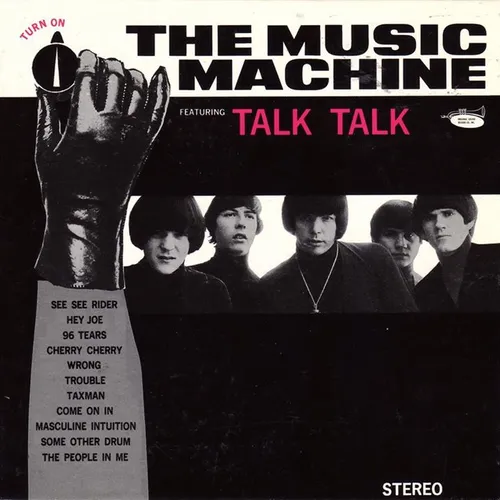
Their debut album, (Turn On) The Music Machine, was released in 1966 on the Original Sound label. Seven of the twelve tracks were originals, written by Bonniwell. One of these, "Talk Talk," became a Top 20 hit in the U.S. The follow-up single, "The People In Me," peaked at #66. Bonniwell blamed the weak showing of this single on a supposed feud between the band's manager and a top record executive. Four cover songs were included on this release, due to record company pressure.
After a promotional tour of the U.S., the rest of the original line-up, which included Ron Edgar (drums), Mark Landon (guitar), Keith Olsen (bass) and Doug Rhodes (organ), left Bonniwell, due to internal conflicts. In 1967, Music Machine (essentially only Bonniwell at this point) were signed to Warner Bros. and re-named The Bonniwell Music Machine. The name was changed to give more prominence to the band's core member, songwriter and vocalist Sean Bonniwell. A self-titled LP was released that year, made up mostly of previously recorded singles with the original line-up. The recording spawned no big hits, despite the inclusion of a few more pop-oriented songs.
A third album was recorded but never released. In 2000, a Bonniwell Music Machine album called "Ignition" was released on Sundazed Records. This is a collection of songs from the unreleased 1969 album, as well as demo tracks from the band's Raggamuffin days in 1965.
In 2000, Bonniwell wrote about his life and The Music Machine in a biography called "Beyond The Garage," published by the small press publisher Christian Vision.
Additional Info: The group came together as The Ragamuffins in 1965, but became The Music Machine in 1966. The single "Talk Talk" was recorded at RCA studios on July 30, 1966.
Their debut album, (Turn On) The Music Machine, was released in 1966 on the Original Sound label. Seven of the twelve tracks were originals, written by Bonniwell. One of these, "Talk Talk," became a Top 20 hit in the U.S. The follow-up single, "The People In Me," peaked at #66. Bonniwell blamed the weak showing of this single on a supposed feud between the band's manager and a top record executive. Four cover songs were included on this release, due to record company pressure.
After a promotional tour of the U.S., the rest of the original line-up, which included Ron Edgar (drums), Mark Landon (guitar), Keith Olsen (bass) and Doug Rhodes (organ), left Bonniwell, due to internal conflicts. In 1967, Music Machine (essentially only Bonniwell at this point) were signed to Warner Bros. and re-named The Bonniwell Music Machine. The name was changed to give more prominence to the band's core member, songwriter and vocalist Sean Bonniwell. A self-titled LP was released that year, made up mostly of previously recorded singles with the original line-up. The recording spawned no big hits, despite the inclusion of a few more pop-oriented songs.
A third album was recorded but never released. In 2000, a Bonniwell Music Machine album called "Ignition" was released on Sundazed Records. This is a collection of songs from the unreleased 1969 album, as well as demo tracks from the band's Raggamuffin days in 1965.
In 2000, Bonniwell wrote about his life and The Music Machine in a biography called "Beyond The Garage," published by the small press publisher Christian Vision.
Mostrar más
Géneros:
Rock, Garage Rock
Artistas similares de gira
Acerca De The Music Machine
The Music Machine
The Music Machine's 1966 hit Talk Talk is the ultimate spew of garage angst, its tortuous chord changes complemented by pounding electric keyboards, snaky Asiatic guitar, and Sean Bonniwell's unforgettable guttural howl, "My social life's a dud, my name is really mud". It was the Los Angeles band's only high-charting 45, but from '66 to the end of the decade they released much astonishingly fine garage-psychedelia, with Bonniwell's tormented visions, hard rock melodic hooks, and alternately gravely/crooning vocals to the fore.
Additional Info: The group came together as The Ragamuffins in 1965, but became The Music Machine in 1966. The single "Talk Talk" was recorded at RCA studios on July 30, 1966.
Their debut album, (Turn On) The Music Machine, was released in 1966 on the Original Sound label. Seven of the twelve tracks were originals, written by Bonniwell. One of these, "Talk Talk," became a Top 20 hit in the U.S. The follow-up single, "The People In Me," peaked at #66. Bonniwell blamed the weak showing of this single on a supposed feud between the band's manager and a top record executive. Four cover songs were included on this release, due to record company pressure.
After a promotional tour of the U.S., the rest of the original line-up, which included Ron Edgar (drums), Mark Landon (guitar), Keith Olsen (bass) and Doug Rhodes (organ), left Bonniwell, due to internal conflicts. In 1967, Music Machine (essentially only Bonniwell at this point) were signed to Warner Bros. and re-named The Bonniwell Music Machine. The name was changed to give more prominence to the band's core member, songwriter and vocalist Sean Bonniwell. A self-titled LP was released that year, made up mostly of previously recorded singles with the original line-up. The recording spawned no big hits, despite the inclusion of a few more pop-oriented songs.
A third album was recorded but never released. In 2000, a Bonniwell Music Machine album called "Ignition" was released on Sundazed Records. This is a collection of songs from the unreleased 1969 album, as well as demo tracks from the band's Raggamuffin days in 1965.
In 2000, Bonniwell wrote about his life and The Music Machine in a biography called "Beyond The Garage," published by the small press publisher Christian Vision.
Additional Info: The group came together as The Ragamuffins in 1965, but became The Music Machine in 1966. The single "Talk Talk" was recorded at RCA studios on July 30, 1966.
Their debut album, (Turn On) The Music Machine, was released in 1966 on the Original Sound label. Seven of the twelve tracks were originals, written by Bonniwell. One of these, "Talk Talk," became a Top 20 hit in the U.S. The follow-up single, "The People In Me," peaked at #66. Bonniwell blamed the weak showing of this single on a supposed feud between the band's manager and a top record executive. Four cover songs were included on this release, due to record company pressure.
After a promotional tour of the U.S., the rest of the original line-up, which included Ron Edgar (drums), Mark Landon (guitar), Keith Olsen (bass) and Doug Rhodes (organ), left Bonniwell, due to internal conflicts. In 1967, Music Machine (essentially only Bonniwell at this point) were signed to Warner Bros. and re-named The Bonniwell Music Machine. The name was changed to give more prominence to the band's core member, songwriter and vocalist Sean Bonniwell. A self-titled LP was released that year, made up mostly of previously recorded singles with the original line-up. The recording spawned no big hits, despite the inclusion of a few more pop-oriented songs.
A third album was recorded but never released. In 2000, a Bonniwell Music Machine album called "Ignition" was released on Sundazed Records. This is a collection of songs from the unreleased 1969 album, as well as demo tracks from the band's Raggamuffin days in 1965.
In 2000, Bonniwell wrote about his life and The Music Machine in a biography called "Beyond The Garage," published by the small press publisher Christian Vision.
Mostrar más
Géneros:
Rock, Garage Rock
Nunca te pierdas otro concierto.
Encuentra artistas similares y recibe alertas sobre anuncios de giras, tiquetes para conciertos y espectáculos cerca a ti, creando tu cuenta gratuita en Bandsintown.
Vive la experiencia total con la aplicación de Bandsintown.
