¡Tienes muy buen gusto!
Inicia sesión para seguir a tus artistas favoritos, guardar eventos y mucho más.
Encuentra fechas de giras y eventos de música en directo de tus grupos y artistas favoritos en tu ciudad. Recibe entradas para conciertos, noticias y confirmaciones de asistencia a conciertos con Bandsintown.

'%3e %3cpath d='M17.2 8.65233C17.2 3.87262 13.3508 0 8.6 0C3.84919 0 0 3.87262 0 8.65233C0 12.9785 3.12097 16.572 7.24758 17.2V11.1643H5.0629V8.65233H7.24758V6.76836C7.24758 4.60527 8.53065 3.38418 10.4726 3.38418C11.4435 3.38418 12.4145 3.55862 12.4145 3.55862V5.68682H11.3395C10.2645 5.68682 9.91774 6.3497 9.91774 7.04746V8.65233H12.3105L11.929 11.1643H9.91774V17.2C14.0444 16.572 17.2 12.9785 17.2 8.65233Z' fill='%236D6D6D'/%3e %3c/g%3e %3cdefs%3e %3cclipPath id='clip0_11991_110375'%3e %3crect width='17.2' height='17.2' fill='white'/%3e %3c/clipPath%3e %3c/defs%3e %3c/svg%3e)
'%3e %3cpath d='M13.546 0.716797H16.1835L10.4214 7.3954L17.2 16.4835H11.8924L7.73534 10.9716L2.97869 16.4835H0.339647L6.50272 9.33995L0 0.716797H5.44232L9.19996 5.75485L13.546 0.716797ZM12.6204 14.8825H14.0818L4.64822 2.23363H3.07994L12.6204 14.8825Z' fill='%236D6D6D'/%3e %3c/g%3e %3cdefs%3e %3cclipPath id='clip0_11991_110380'%3e %3crect width='17.2' height='17.2' fill='white'/%3e %3c/clipPath%3e %3c/defs%3e %3c/svg%3e)
'%3e %3cpath d='M8.6192 4.16563C6.16205 4.16563 4.20402 6.16205 4.20402 8.5808C4.20402 11.0379 6.16205 12.996 8.6192 12.996C11.0379 12.996 13.0344 11.0379 13.0344 8.5808C13.0344 6.16205 11.0379 4.16563 8.6192 4.16563ZM8.6192 11.4603C7.04509 11.4603 5.73973 10.1933 5.73973 8.5808C5.73973 7.0067 7.0067 5.73973 8.6192 5.73973C10.1933 5.73973 11.4603 7.0067 11.4603 8.5808C11.4603 10.1933 10.1933 11.4603 8.6192 11.4603ZM14.2246 4.01205C14.2246 4.58795 13.7638 5.04866 13.1879 5.04866C12.6121 5.04866 12.1513 4.58795 12.1513 4.01205C12.1513 3.43616 12.6121 2.97545 13.1879 2.97545C13.7638 2.97545 14.2246 3.43616 14.2246 4.01205ZM17.1424 5.04866C17.0656 3.66652 16.7585 2.43795 15.7603 1.43973C14.7621 0.441518 13.5335 0.134375 12.1513 0.0575893C10.7308 -0.0191964 6.4692 -0.0191964 5.04866 0.0575893C3.66652 0.134375 2.47634 0.441518 1.43973 1.43973C0.441518 2.43795 0.134375 3.66652 0.0575893 5.04866C-0.0191964 6.4692 -0.0191964 10.7308 0.0575893 12.1513C0.134375 13.5335 0.441518 14.7237 1.43973 15.7603C2.47634 16.7585 3.66652 17.0656 5.04866 17.1424C6.4692 17.2192 10.7308 17.2192 12.1513 17.1424C13.5335 17.0656 14.7621 16.7585 15.7603 15.7603C16.7585 14.7237 17.0656 13.5335 17.1424 12.1513C17.2192 10.7308 17.2192 6.4692 17.1424 5.04866ZM15.2996 13.6487C15.0308 14.4165 14.4165 14.9924 13.6871 15.2996C12.5353 15.7603 9.84777 15.6451 8.6192 15.6451C7.35223 15.6451 4.66473 15.7603 3.55134 15.2996C2.78348 14.9924 2.20759 14.4165 1.90045 13.6487C1.43973 12.5353 1.55491 9.84777 1.55491 8.5808C1.55491 7.35223 1.43973 4.66473 1.90045 3.51295C2.20759 2.78348 2.78348 2.20759 3.55134 1.90045C4.66473 1.43973 7.35223 1.55491 8.6192 1.55491C9.84777 1.55491 12.5353 1.43973 13.6871 1.90045C14.4165 2.1692 14.9924 2.78348 15.2996 3.51295C15.7603 4.66473 15.6451 7.35223 15.6451 8.5808C15.6451 9.84777 15.7603 12.5353 15.2996 13.6487Z' fill='%236D6D6D'/%3e %3c/g%3e %3cdefs%3e %3cclipPath id='clip0_11991_110387'%3e %3crect width='17.2' height='17.2' fill='white'/%3e %3c/clipPath%3e %3c/defs%3e %3c/svg%3e)


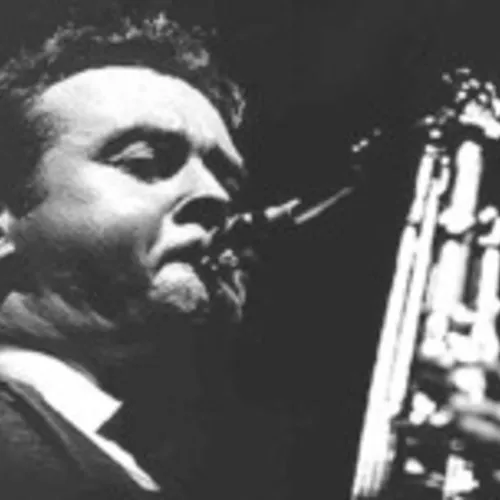
artista
Stan Getz
Verificado
144 mil Seguidores
Artistas similares de gira
Artículos de promoción de Stan Getz
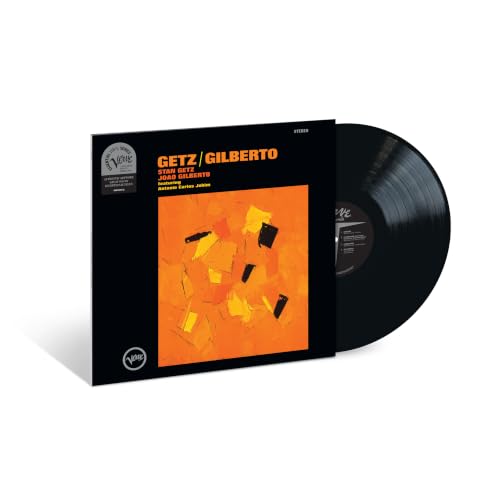
Getz/Gilberto Verve Essential Series
$19.98
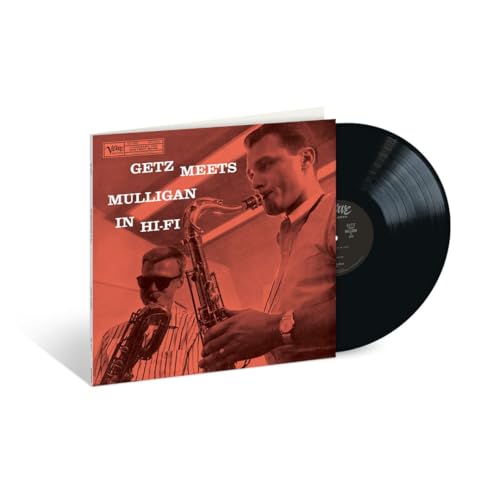
Getz Meets Mulligan in Hi-Fi Verve Acoustic Sounds Series
$37.59
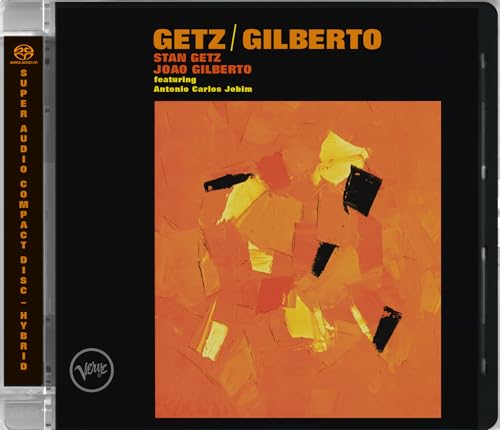
Getz/Gilberto
$43.44
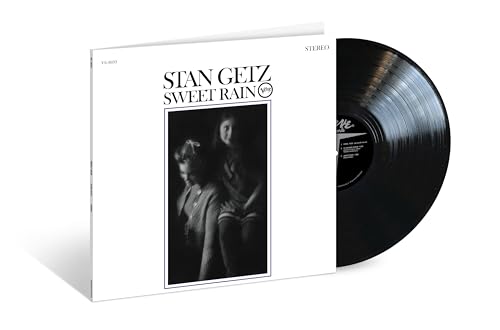
Sweet Rain (Verve Acoustic Sounds Series) [LP]
$38.98
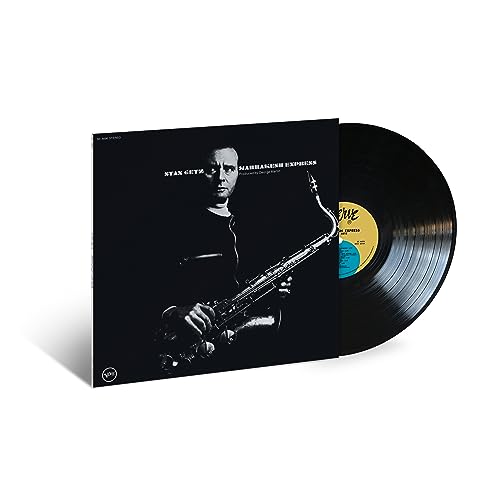
Marrakesh Express (Verve By Request Series)[LP]
$22.48
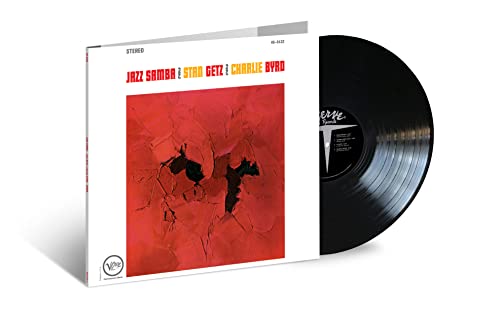
Jazz Samba (Verve Acoustic Sounds Series)[LP]
$37.93
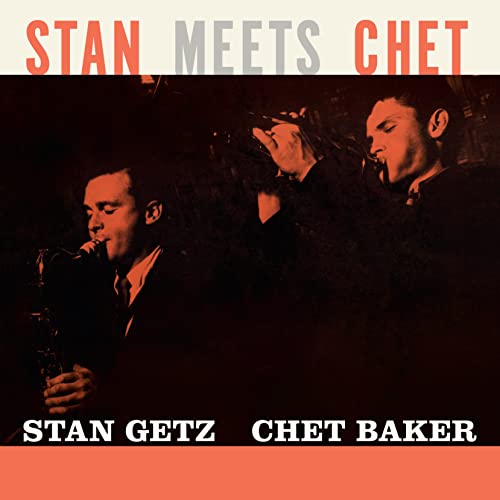
Stan Meets Chet - Limited Orange
$23.44
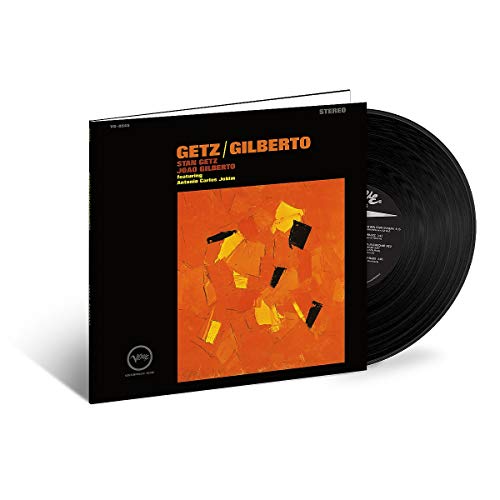
Getz/Gilberto Verve Acoustic Sounds Series
$38.98

Stan Getz & Bill Evans
$30.98

Jazz Samba
$31.82
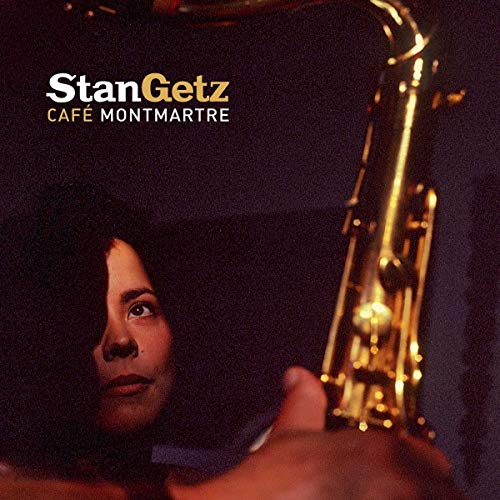
Cafe Montmartre
$27.17
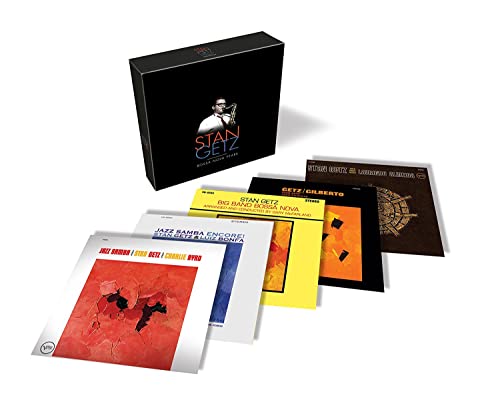
Stan Getz Bossa Nova Years
$124.95
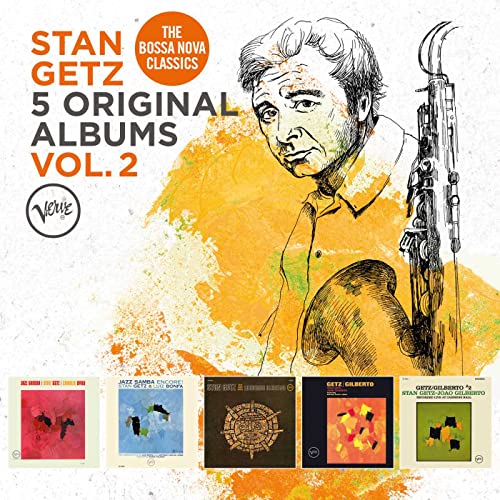
5 Original Albums Vol. 2[5 CD]
$23.02
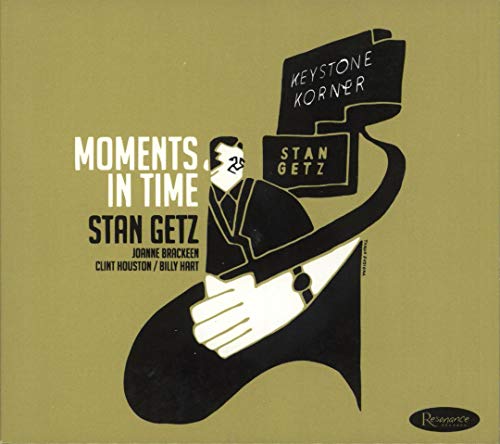
Moments In Time
$10.49

Getz / Gilberto
$20.99
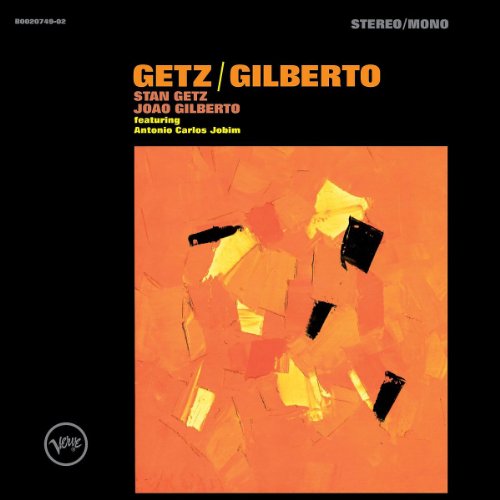
Getz/Gilberto 50th Anniversary
$13.98
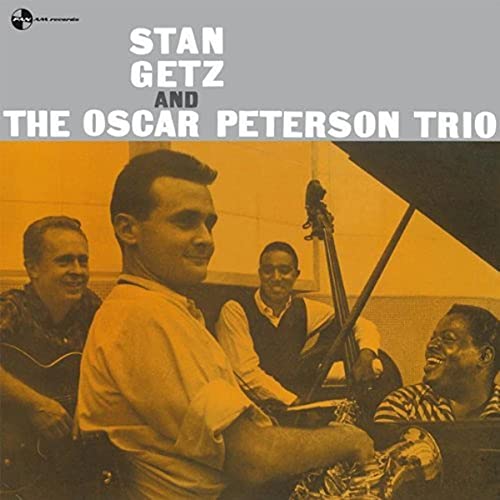
Stan Getz & Oscar Peterson Trio
$20.27

Stan Getz/Cal Tjader Sextet Remastered
$11.59
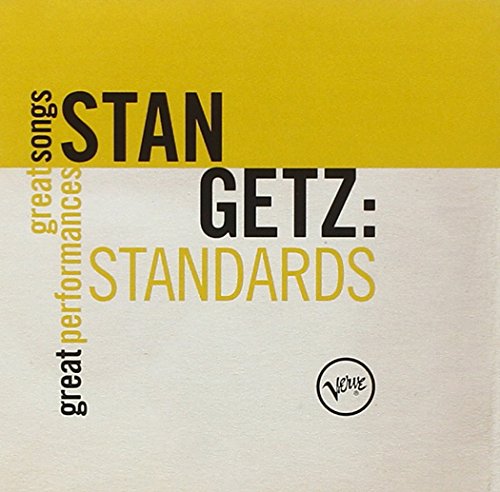
Standards Great Songs/Great Performances
$9.99
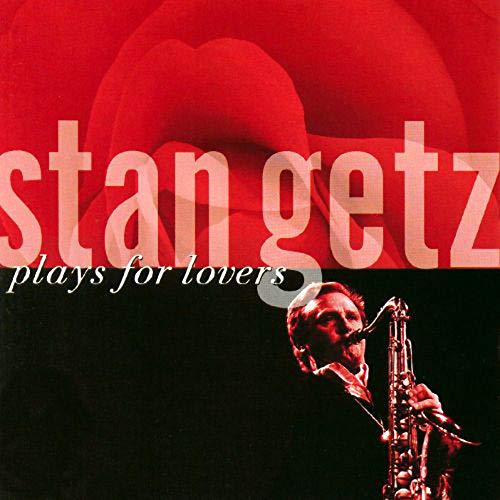
Stan Getz Plays for Lovers
$36.96
 Ver Todo
Nunca te pierdas otro concierto.
Encuentra artistas similares y recibe alertas sobre anuncios de giras, tiquetes para conciertos y espectáculos cerca a ti, creando tu cuenta gratuita en Bandsintown.
Acerca De Stan Getz
Stan Getz
Stanley Gayetsky (aka Stan Getz) (1927 in Philadelphia - 1991 in Malibu, California) was born to Russian-Jewish parents and raised in New York City, Getz played a number of instruments before his father bought him his first saxophone at the age of 13. In 1943, he was accepted into Jack Teagarden's band. After playing in various bands (1944 Stan Kenton; 1945 Jimmy Dorsey; 1945–46 Benny Goodman), Getz became known as a soloist in the Woody Herman Band from 1947–49. He scored a hit with his melodic and lyrical solo on Ralph Burns's Early Autumn. With few exceptions, Getz would be a leader on all of his recording sessions after 1950.
Getz became involved with drugs and alcohol while a teenager. He also developed a pack-a-day cigarette habit. In 1954, he was arrested for trying to stick up a pharmacy to get morphine. As he was being processed in the prison ward of Los Angeles City Hospital, his wife - Beverly Byrne, a former vocalist with the Gene Krupa band, whom he married on November 7, 1946 - gave birth to their third child one floor below; they divorced in 1956. Getz married Swedish aristocrat Monica Silfverskiold on November 3, 1956, and had 1 child. In 1957, a son was born to Inga Torgner, one of his many dalliances. Getz beat both wives repeatedly during drug-induced rages. Beverly was addicted to heroin, as was Stan, but eventually got sober. After years of trying to get him sober, Monica, who had gained custody of Stan and Beverly's children, left him; he divorced her in 1987, claiming, incredibly, abuse and infidelity. [1]
In the 1950s, Getz had become popular playing cool jazz with Horace Silver, Johnny Smith, Oscar Peterson, and many others. His first two quintets were notable for their personnel, including Charlie Parker's rhythm section of drummer Roy Haynes, Al Haig and bassist Tommy Potter. In 1958, Getz tried to escape his narcotics addiction by moving to Copenhagen, Denmark.
Returning to America in 1961, Getz became a central figure in the fusion of jazz and Bossa Nova. Along with Charlie Byrd, who had just returned from a U.S. State Department tour of Brazil, Getz recorded Jazz Samba in 1962 and it became a hit. The title track was an adaptation of Antonio Carlos Jobim's "Só Danço Samba". Getz won the Grammy for Best Jazz Performance of 1963 for "Desafinado".
He then recorded with Jobim, João Gilberto and his wife, Astrud Gilberto, with whom Getz had a brief affair. Their "The Girl from Ipanema" won a Grammy Award. "Ipanema" became one of the most well-known jazz pieces of all time. Getz/Gilberto won two Grammys (Best Album and Best Single), besting The Beatles' A Hard Day's Night, a victory for Bossa Nova and Brazilian jazz. Other musicians such as Wes Montgomery and Joe Henderson incorporated Brazilian jazz in their work. In 1967, Getz recorded albums with Chick Corea and Stanley Clarke.
After another drug-induced hiatus in Málaga, Spain, Getz resurfaced, playing with electric ensembles into the 1980s, and experimenting with an Echoplex on his saxophone, for which critics vilified him. He eventually discarded fusion and "electric jazz" for acoustic jazz again. Getz gradually de-emphasized the Bossa Nova, opting for more esoteric and less-mainstream jazz.
Getz died in 1991 of liver cancer. In 1998, The "Stan Getz Media Center and Library" at the Berklee College of Music was dedicated to the memory of the saxophonist through a donation from the Herb Alpert Foundation.
Getz became involved with drugs and alcohol while a teenager. He also developed a pack-a-day cigarette habit. In 1954, he was arrested for trying to stick up a pharmacy to get morphine. As he was being processed in the prison ward of Los Angeles City Hospital, his wife - Beverly Byrne, a former vocalist with the Gene Krupa band, whom he married on November 7, 1946 - gave birth to their third child one floor below; they divorced in 1956. Getz married Swedish aristocrat Monica Silfverskiold on November 3, 1956, and had 1 child. In 1957, a son was born to Inga Torgner, one of his many dalliances. Getz beat both wives repeatedly during drug-induced rages. Beverly was addicted to heroin, as was Stan, but eventually got sober. After years of trying to get him sober, Monica, who had gained custody of Stan and Beverly's children, left him; he divorced her in 1987, claiming, incredibly, abuse and infidelity. [1]
In the 1950s, Getz had become popular playing cool jazz with Horace Silver, Johnny Smith, Oscar Peterson, and many others. His first two quintets were notable for their personnel, including Charlie Parker's rhythm section of drummer Roy Haynes, Al Haig and bassist Tommy Potter. In 1958, Getz tried to escape his narcotics addiction by moving to Copenhagen, Denmark.
Returning to America in 1961, Getz became a central figure in the fusion of jazz and Bossa Nova. Along with Charlie Byrd, who had just returned from a U.S. State Department tour of Brazil, Getz recorded Jazz Samba in 1962 and it became a hit. The title track was an adaptation of Antonio Carlos Jobim's "Só Danço Samba". Getz won the Grammy for Best Jazz Performance of 1963 for "Desafinado".
He then recorded with Jobim, João Gilberto and his wife, Astrud Gilberto, with whom Getz had a brief affair. Their "The Girl from Ipanema" won a Grammy Award. "Ipanema" became one of the most well-known jazz pieces of all time. Getz/Gilberto won two Grammys (Best Album and Best Single), besting The Beatles' A Hard Day's Night, a victory for Bossa Nova and Brazilian jazz. Other musicians such as Wes Montgomery and Joe Henderson incorporated Brazilian jazz in their work. In 1967, Getz recorded albums with Chick Corea and Stanley Clarke.
After another drug-induced hiatus in Málaga, Spain, Getz resurfaced, playing with electric ensembles into the 1980s, and experimenting with an Echoplex on his saxophone, for which critics vilified him. He eventually discarded fusion and "electric jazz" for acoustic jazz again. Getz gradually de-emphasized the Bossa Nova, opting for more esoteric and less-mainstream jazz.
Getz died in 1991 of liver cancer. In 1998, The "Stan Getz Media Center and Library" at the Berklee College of Music was dedicated to the memory of the saxophonist through a donation from the Herb Alpert Foundation.
Mostrar más
Géneros:
Jazz
Artistas similares de gira
Artículos de promoción de Stan Getz
Getz/Gilberto Verve Essential Series
$19.98
Getz Meets Mulligan in Hi-Fi Verve Acoustic Sounds Series
$37.59
Getz/Gilberto
$43.44
Sweet Rain (Verve Acoustic Sounds Series) [LP]
$38.98
Marrakesh Express (Verve By Request Series)[LP]
$22.48
Jazz Samba (Verve Acoustic Sounds Series)[LP]
$37.93
Stan Meets Chet - Limited Orange
$23.44
Getz/Gilberto Verve Acoustic Sounds Series
$38.98
Stan Getz & Bill Evans
$30.98
Jazz Samba
$31.82
Cafe Montmartre
$27.17
Stan Getz Bossa Nova Years
$124.95
5 Original Albums Vol. 2[5 CD]
$23.02
Moments In Time
$10.49
Getz / Gilberto
$20.99
Getz/Gilberto 50th Anniversary
$13.98
Stan Getz & Oscar Peterson Trio
$20.27
Stan Getz/Cal Tjader Sextet Remastered
$11.59
Standards Great Songs/Great Performances
$9.99
Stan Getz Plays for Lovers
$36.96
Ver TodoAcerca De Stan Getz
Stan Getz
Stanley Gayetsky (aka Stan Getz) (1927 in Philadelphia - 1991 in Malibu, California) was born to Russian-Jewish parents and raised in New York City, Getz played a number of instruments before his father bought him his first saxophone at the age of 13. In 1943, he was accepted into Jack Teagarden's band. After playing in various bands (1944 Stan Kenton; 1945 Jimmy Dorsey; 1945–46 Benny Goodman), Getz became known as a soloist in the Woody Herman Band from 1947–49. He scored a hit with his melodic and lyrical solo on Ralph Burns's Early Autumn. With few exceptions, Getz would be a leader on all of his recording sessions after 1950.
Getz became involved with drugs and alcohol while a teenager. He also developed a pack-a-day cigarette habit. In 1954, he was arrested for trying to stick up a pharmacy to get morphine. As he was being processed in the prison ward of Los Angeles City Hospital, his wife - Beverly Byrne, a former vocalist with the Gene Krupa band, whom he married on November 7, 1946 - gave birth to their third child one floor below; they divorced in 1956. Getz married Swedish aristocrat Monica Silfverskiold on November 3, 1956, and had 1 child. In 1957, a son was born to Inga Torgner, one of his many dalliances. Getz beat both wives repeatedly during drug-induced rages. Beverly was addicted to heroin, as was Stan, but eventually got sober. After years of trying to get him sober, Monica, who had gained custody of Stan and Beverly's children, left him; he divorced her in 1987, claiming, incredibly, abuse and infidelity. [1]
In the 1950s, Getz had become popular playing cool jazz with Horace Silver, Johnny Smith, Oscar Peterson, and many others. His first two quintets were notable for their personnel, including Charlie Parker's rhythm section of drummer Roy Haynes, Al Haig and bassist Tommy Potter. In 1958, Getz tried to escape his narcotics addiction by moving to Copenhagen, Denmark.
Returning to America in 1961, Getz became a central figure in the fusion of jazz and Bossa Nova. Along with Charlie Byrd, who had just returned from a U.S. State Department tour of Brazil, Getz recorded Jazz Samba in 1962 and it became a hit. The title track was an adaptation of Antonio Carlos Jobim's "Só Danço Samba". Getz won the Grammy for Best Jazz Performance of 1963 for "Desafinado".
He then recorded with Jobim, João Gilberto and his wife, Astrud Gilberto, with whom Getz had a brief affair. Their "The Girl from Ipanema" won a Grammy Award. "Ipanema" became one of the most well-known jazz pieces of all time. Getz/Gilberto won two Grammys (Best Album and Best Single), besting The Beatles' A Hard Day's Night, a victory for Bossa Nova and Brazilian jazz. Other musicians such as Wes Montgomery and Joe Henderson incorporated Brazilian jazz in their work. In 1967, Getz recorded albums with Chick Corea and Stanley Clarke.
After another drug-induced hiatus in Málaga, Spain, Getz resurfaced, playing with electric ensembles into the 1980s, and experimenting with an Echoplex on his saxophone, for which critics vilified him. He eventually discarded fusion and "electric jazz" for acoustic jazz again. Getz gradually de-emphasized the Bossa Nova, opting for more esoteric and less-mainstream jazz.
Getz died in 1991 of liver cancer. In 1998, The "Stan Getz Media Center and Library" at the Berklee College of Music was dedicated to the memory of the saxophonist through a donation from the Herb Alpert Foundation.
Getz became involved with drugs and alcohol while a teenager. He also developed a pack-a-day cigarette habit. In 1954, he was arrested for trying to stick up a pharmacy to get morphine. As he was being processed in the prison ward of Los Angeles City Hospital, his wife - Beverly Byrne, a former vocalist with the Gene Krupa band, whom he married on November 7, 1946 - gave birth to their third child one floor below; they divorced in 1956. Getz married Swedish aristocrat Monica Silfverskiold on November 3, 1956, and had 1 child. In 1957, a son was born to Inga Torgner, one of his many dalliances. Getz beat both wives repeatedly during drug-induced rages. Beverly was addicted to heroin, as was Stan, but eventually got sober. After years of trying to get him sober, Monica, who had gained custody of Stan and Beverly's children, left him; he divorced her in 1987, claiming, incredibly, abuse and infidelity. [1]
In the 1950s, Getz had become popular playing cool jazz with Horace Silver, Johnny Smith, Oscar Peterson, and many others. His first two quintets were notable for their personnel, including Charlie Parker's rhythm section of drummer Roy Haynes, Al Haig and bassist Tommy Potter. In 1958, Getz tried to escape his narcotics addiction by moving to Copenhagen, Denmark.
Returning to America in 1961, Getz became a central figure in the fusion of jazz and Bossa Nova. Along with Charlie Byrd, who had just returned from a U.S. State Department tour of Brazil, Getz recorded Jazz Samba in 1962 and it became a hit. The title track was an adaptation of Antonio Carlos Jobim's "Só Danço Samba". Getz won the Grammy for Best Jazz Performance of 1963 for "Desafinado".
He then recorded with Jobim, João Gilberto and his wife, Astrud Gilberto, with whom Getz had a brief affair. Their "The Girl from Ipanema" won a Grammy Award. "Ipanema" became one of the most well-known jazz pieces of all time. Getz/Gilberto won two Grammys (Best Album and Best Single), besting The Beatles' A Hard Day's Night, a victory for Bossa Nova and Brazilian jazz. Other musicians such as Wes Montgomery and Joe Henderson incorporated Brazilian jazz in their work. In 1967, Getz recorded albums with Chick Corea and Stanley Clarke.
After another drug-induced hiatus in Málaga, Spain, Getz resurfaced, playing with electric ensembles into the 1980s, and experimenting with an Echoplex on his saxophone, for which critics vilified him. He eventually discarded fusion and "electric jazz" for acoustic jazz again. Getz gradually de-emphasized the Bossa Nova, opting for more esoteric and less-mainstream jazz.
Getz died in 1991 of liver cancer. In 1998, The "Stan Getz Media Center and Library" at the Berklee College of Music was dedicated to the memory of the saxophonist through a donation from the Herb Alpert Foundation.
Mostrar más
Géneros:
Jazz
Nunca te pierdas otro concierto.
Encuentra artistas similares y recibe alertas sobre anuncios de giras, tiquetes para conciertos y espectáculos cerca a ti, creando tu cuenta gratuita en Bandsintown.
Vive la experiencia total con la aplicación de Bandsintown.
