¡Tienes muy buen gusto!
Inicia sesión para seguir a tus artistas favoritos, guardar eventos y mucho más.
Encuentra fechas de giras y eventos de música en directo de tus grupos y artistas favoritos en tu ciudad. Recibe entradas para conciertos, noticias y confirmaciones de asistencia a conciertos con Bandsintown.

'%3e %3cpath d='M17.2 8.65233C17.2 3.87262 13.3508 0 8.6 0C3.84919 0 0 3.87262 0 8.65233C0 12.9785 3.12097 16.572 7.24758 17.2V11.1643H5.0629V8.65233H7.24758V6.76836C7.24758 4.60527 8.53065 3.38418 10.4726 3.38418C11.4435 3.38418 12.4145 3.55862 12.4145 3.55862V5.68682H11.3395C10.2645 5.68682 9.91774 6.3497 9.91774 7.04746V8.65233H12.3105L11.929 11.1643H9.91774V17.2C14.0444 16.572 17.2 12.9785 17.2 8.65233Z' fill='%236D6D6D'/%3e %3c/g%3e %3cdefs%3e %3cclipPath id='clip0_11991_110375'%3e %3crect width='17.2' height='17.2' fill='white'/%3e %3c/clipPath%3e %3c/defs%3e %3c/svg%3e)
'%3e %3cpath d='M13.546 0.716797H16.1835L10.4214 7.3954L17.2 16.4835H11.8924L7.73534 10.9716L2.97869 16.4835H0.339647L6.50272 9.33995L0 0.716797H5.44232L9.19996 5.75485L13.546 0.716797ZM12.6204 14.8825H14.0818L4.64822 2.23363H3.07994L12.6204 14.8825Z' fill='%236D6D6D'/%3e %3c/g%3e %3cdefs%3e %3cclipPath id='clip0_11991_110380'%3e %3crect width='17.2' height='17.2' fill='white'/%3e %3c/clipPath%3e %3c/defs%3e %3c/svg%3e)
'%3e %3cpath d='M8.6192 4.16563C6.16205 4.16563 4.20402 6.16205 4.20402 8.5808C4.20402 11.0379 6.16205 12.996 8.6192 12.996C11.0379 12.996 13.0344 11.0379 13.0344 8.5808C13.0344 6.16205 11.0379 4.16563 8.6192 4.16563ZM8.6192 11.4603C7.04509 11.4603 5.73973 10.1933 5.73973 8.5808C5.73973 7.0067 7.0067 5.73973 8.6192 5.73973C10.1933 5.73973 11.4603 7.0067 11.4603 8.5808C11.4603 10.1933 10.1933 11.4603 8.6192 11.4603ZM14.2246 4.01205C14.2246 4.58795 13.7638 5.04866 13.1879 5.04866C12.6121 5.04866 12.1513 4.58795 12.1513 4.01205C12.1513 3.43616 12.6121 2.97545 13.1879 2.97545C13.7638 2.97545 14.2246 3.43616 14.2246 4.01205ZM17.1424 5.04866C17.0656 3.66652 16.7585 2.43795 15.7603 1.43973C14.7621 0.441518 13.5335 0.134375 12.1513 0.0575893C10.7308 -0.0191964 6.4692 -0.0191964 5.04866 0.0575893C3.66652 0.134375 2.47634 0.441518 1.43973 1.43973C0.441518 2.43795 0.134375 3.66652 0.0575893 5.04866C-0.0191964 6.4692 -0.0191964 10.7308 0.0575893 12.1513C0.134375 13.5335 0.441518 14.7237 1.43973 15.7603C2.47634 16.7585 3.66652 17.0656 5.04866 17.1424C6.4692 17.2192 10.7308 17.2192 12.1513 17.1424C13.5335 17.0656 14.7621 16.7585 15.7603 15.7603C16.7585 14.7237 17.0656 13.5335 17.1424 12.1513C17.2192 10.7308 17.2192 6.4692 17.1424 5.04866ZM15.2996 13.6487C15.0308 14.4165 14.4165 14.9924 13.6871 15.2996C12.5353 15.7603 9.84777 15.6451 8.6192 15.6451C7.35223 15.6451 4.66473 15.7603 3.55134 15.2996C2.78348 14.9924 2.20759 14.4165 1.90045 13.6487C1.43973 12.5353 1.55491 9.84777 1.55491 8.5808C1.55491 7.35223 1.43973 4.66473 1.90045 3.51295C2.20759 2.78348 2.78348 2.20759 3.55134 1.90045C4.66473 1.43973 7.35223 1.55491 8.6192 1.55491C9.84777 1.55491 12.5353 1.43973 13.6871 1.90045C14.4165 2.1692 14.9924 2.78348 15.2996 3.51295C15.7603 4.66473 15.6451 7.35223 15.6451 8.5808C15.6451 9.84777 15.7603 12.5353 15.2996 13.6487Z' fill='%236D6D6D'/%3e %3c/g%3e %3cdefs%3e %3cclipPath id='clip0_11991_110387'%3e %3crect width='17.2' height='17.2' fill='white'/%3e %3c/clipPath%3e %3c/defs%3e %3c/svg%3e)


artista
Luke Kelly
De gira
17 mil Seguidores•1 próximo espectáculo
No hay próximos espectáculos en tu ciudad
Envía una solicitud a Luke Kelly para que dé un concierto en tu ciudad
Solicitar un espectáculo
Todos los eventos y retransmisiones en directo
SEPT
27
DOM
Gira de Luke Kelly
Los fans también siguen
Nunca te pierdas otro concierto de Luke Kelly.
Recibe alertas sobre anuncios de giras, entradas para concierto y espectáculos cerca de ti con una cuenta gratuita de Bandsintown.
Acerca De Luke Kelly
Luke Kelly
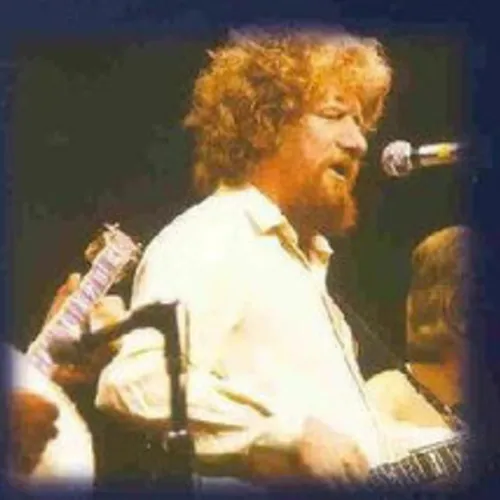
Luke Kelly, (17 November 1940 - 30 January 1984) was an Irish singer and folk musician from Dublin, Ireland, most famous as a member of the band The Dubliners.
Kelly was one of the best-known figures of the Irish folk music movement of the 1960s and 1970s. A Dubliner from the north inner city, he attended O'Connell's Schools before emigrating to Britain in 1958. There he first became involved in the growing international folk music scene in which Ewan MacColl was a central figure, as well as joining the Communist Party of Great Britain.
In 1962 Luke Kelly returned to Dublin and quickly became a central figure in the city's burgeoning folk music community, playing in sessions in O'Donoghue's Pub on Merrion Row with the likes of Ronnie Drew, Barney McKenna and The Fureys. Not long after, he ended up forming a folk group with Drew, McKenna, Ciaran Bourke and John Sheahan, which he named The Dubliners. In 1965, Kelly married the actress Deirdre O'Connell, one of the founders of the Focus Theatre.
In the mid-1960s, Luke moved to England for a while. On returning, he rejoined the Dubliners. His interpretations of "Raglan Road" (a poem by Patrick Kavanagh) and Scorn Not His Simplicity were significant musical achievements and became points of reference in Irish folk music. Luke remained a politically engaged musician, and many of the songs he recorded dealt with social issues, the arms race and war, workers' rights and Irish nationalism, ("The Springhill Disaster", "Second World Song", "When Margaret was Eleven", "Joe Hill", "The Button Pusher", "Alabama 1958" and "God Save Ireland" all being good examples of his concerns). One of the Dubliners' seminal albums was titled Revolution. In the socially and politically conservative atmosphere of the Republic of Ireland at the time, this was notable.
Luke Kelly was diagnosed with a brain tumour in 1980, and died in 1984. He remains a Dublin icon and his music is widely regarded as one of the city's cultural treasures.
The Ballybough Bridge in the north inner city of Dublin has been renamed the The Luke Kelly Bridge and in November 2004, the Dublin city council voted unanimously to erect a bronze statue of Luke Kelly. The location for the statue had not yet been decided upon.
From Dublin streets and roads and down the years
Came great musicians and balladeers
There was a special one, a red haired minstrel boy
And when he passed away, a city mourned its favourite son
All round the markets and down the quays
The sad news it spread to the Liberties
The minstrel boy is gone, he'll sing no more
And Luke somehow we know, we'll never see your likes again
Kelly was one of the best-known figures of the Irish folk music movement of the 1960s and 1970s. A Dubliner from the north inner city, he attended O'Connell's Schools before emigrating to Britain in 1958. There he first became involved in the growing international folk music scene in which Ewan MacColl was a central figure, as well as joining the Communist Party of Great Britain.
In 1962 Luke Kelly returned to Dublin and quickly became a central figure in the city's burgeoning folk music community, playing in sessions in O'Donoghue's Pub on Merrion Row with the likes of Ronnie Drew, Barney McKenna and The Fureys. Not long after, he ended up forming a folk group with Drew, McKenna, Ciaran Bourke and John Sheahan, which he named The Dubliners. In 1965, Kelly married the actress Deirdre O'Connell, one of the founders of the Focus Theatre.
In the mid-1960s, Luke moved to England for a while. On returning, he rejoined the Dubliners. His interpretations of "Raglan Road" (a poem by Patrick Kavanagh) and Scorn Not His Simplicity were significant musical achievements and became points of reference in Irish folk music. Luke remained a politically engaged musician, and many of the songs he recorded dealt with social issues, the arms race and war, workers' rights and Irish nationalism, ("The Springhill Disaster", "Second World Song", "When Margaret was Eleven", "Joe Hill", "The Button Pusher", "Alabama 1958" and "God Save Ireland" all being good examples of his concerns). One of the Dubliners' seminal albums was titled Revolution. In the socially and politically conservative atmosphere of the Republic of Ireland at the time, this was notable.
Luke Kelly was diagnosed with a brain tumour in 1980, and died in 1984. He remains a Dublin icon and his music is widely regarded as one of the city's cultural treasures.
The Ballybough Bridge in the north inner city of Dublin has been renamed the The Luke Kelly Bridge and in November 2004, the Dublin city council voted unanimously to erect a bronze statue of Luke Kelly. The location for the statue had not yet been decided upon.
From Dublin streets and roads and down the years
Came great musicians and balladeers
There was a special one, a red haired minstrel boy
And when he passed away, a city mourned its favourite son
All round the markets and down the quays
The sad news it spread to the Liberties
The minstrel boy is gone, he'll sing no more
And Luke somehow we know, we'll never see your likes again
Mostrar más
No hay próximos espectáculos en tu ciudad
Envía una solicitud a Luke Kelly para que dé un concierto en tu ciudad
Solicitar un espectáculo
Todos los eventos y retransmisiones en directo
SEPT
27
DOM
Gira de Luke Kelly
Acerca De Luke Kelly
Luke Kelly
Luke Kelly, (17 November 1940 - 30 January 1984) was an Irish singer and folk musician from Dublin, Ireland, most famous as a member of the band The Dubliners.
Kelly was one of the best-known figures of the Irish folk music movement of the 1960s and 1970s. A Dubliner from the north inner city, he attended O'Connell's Schools before emigrating to Britain in 1958. There he first became involved in the growing international folk music scene in which Ewan MacColl was a central figure, as well as joining the Communist Party of Great Britain.
In 1962 Luke Kelly returned to Dublin and quickly became a central figure in the city's burgeoning folk music community, playing in sessions in O'Donoghue's Pub on Merrion Row with the likes of Ronnie Drew, Barney McKenna and The Fureys. Not long after, he ended up forming a folk group with Drew, McKenna, Ciaran Bourke and John Sheahan, which he named The Dubliners. In 1965, Kelly married the actress Deirdre O'Connell, one of the founders of the Focus Theatre.
In the mid-1960s, Luke moved to England for a while. On returning, he rejoined the Dubliners. His interpretations of "Raglan Road" (a poem by Patrick Kavanagh) and Scorn Not His Simplicity were significant musical achievements and became points of reference in Irish folk music. Luke remained a politically engaged musician, and many of the songs he recorded dealt with social issues, the arms race and war, workers' rights and Irish nationalism, ("The Springhill Disaster", "Second World Song", "When Margaret was Eleven", "Joe Hill", "The Button Pusher", "Alabama 1958" and "God Save Ireland" all being good examples of his concerns). One of the Dubliners' seminal albums was titled Revolution. In the socially and politically conservative atmosphere of the Republic of Ireland at the time, this was notable.
Luke Kelly was diagnosed with a brain tumour in 1980, and died in 1984. He remains a Dublin icon and his music is widely regarded as one of the city's cultural treasures.
The Ballybough Bridge in the north inner city of Dublin has been renamed the The Luke Kelly Bridge and in November 2004, the Dublin city council voted unanimously to erect a bronze statue of Luke Kelly. The location for the statue had not yet been decided upon.
From Dublin streets and roads and down the years
Came great musicians and balladeers
There was a special one, a red haired minstrel boy
And when he passed away, a city mourned its favourite son
All round the markets and down the quays
The sad news it spread to the Liberties
The minstrel boy is gone, he'll sing no more
And Luke somehow we know, we'll never see your likes again
Kelly was one of the best-known figures of the Irish folk music movement of the 1960s and 1970s. A Dubliner from the north inner city, he attended O'Connell's Schools before emigrating to Britain in 1958. There he first became involved in the growing international folk music scene in which Ewan MacColl was a central figure, as well as joining the Communist Party of Great Britain.
In 1962 Luke Kelly returned to Dublin and quickly became a central figure in the city's burgeoning folk music community, playing in sessions in O'Donoghue's Pub on Merrion Row with the likes of Ronnie Drew, Barney McKenna and The Fureys. Not long after, he ended up forming a folk group with Drew, McKenna, Ciaran Bourke and John Sheahan, which he named The Dubliners. In 1965, Kelly married the actress Deirdre O'Connell, one of the founders of the Focus Theatre.
In the mid-1960s, Luke moved to England for a while. On returning, he rejoined the Dubliners. His interpretations of "Raglan Road" (a poem by Patrick Kavanagh) and Scorn Not His Simplicity were significant musical achievements and became points of reference in Irish folk music. Luke remained a politically engaged musician, and many of the songs he recorded dealt with social issues, the arms race and war, workers' rights and Irish nationalism, ("The Springhill Disaster", "Second World Song", "When Margaret was Eleven", "Joe Hill", "The Button Pusher", "Alabama 1958" and "God Save Ireland" all being good examples of his concerns). One of the Dubliners' seminal albums was titled Revolution. In the socially and politically conservative atmosphere of the Republic of Ireland at the time, this was notable.
Luke Kelly was diagnosed with a brain tumour in 1980, and died in 1984. He remains a Dublin icon and his music is widely regarded as one of the city's cultural treasures.
The Ballybough Bridge in the north inner city of Dublin has been renamed the The Luke Kelly Bridge and in November 2004, the Dublin city council voted unanimously to erect a bronze statue of Luke Kelly. The location for the statue had not yet been decided upon.
From Dublin streets and roads and down the years
Came great musicians and balladeers
There was a special one, a red haired minstrel boy
And when he passed away, a city mourned its favourite son
All round the markets and down the quays
The sad news it spread to the Liberties
The minstrel boy is gone, he'll sing no more
And Luke somehow we know, we'll never see your likes again
Mostrar más
Los fans también siguen
Nunca te pierdas otro concierto de Luke Kelly.
Recibe alertas sobre anuncios de giras, entradas para concierto y espectáculos cerca de ti con una cuenta gratuita de Bandsintown.
Vive la experiencia total con la aplicación de Bandsintown.
