¡Tienes muy buen gusto!
Inicia sesión para seguir a tus artistas favoritos, guardar eventos y mucho más.
Encuentra fechas de giras y eventos de música en directo de tus grupos y artistas favoritos en tu ciudad. Recibe entradas para conciertos, noticias y confirmaciones de asistencia a conciertos con Bandsintown.

'%3e %3cpath d='M17.2 8.65233C17.2 3.87262 13.3508 0 8.6 0C3.84919 0 0 3.87262 0 8.65233C0 12.9785 3.12097 16.572 7.24758 17.2V11.1643H5.0629V8.65233H7.24758V6.76836C7.24758 4.60527 8.53065 3.38418 10.4726 3.38418C11.4435 3.38418 12.4145 3.55862 12.4145 3.55862V5.68682H11.3395C10.2645 5.68682 9.91774 6.3497 9.91774 7.04746V8.65233H12.3105L11.929 11.1643H9.91774V17.2C14.0444 16.572 17.2 12.9785 17.2 8.65233Z' fill='%236D6D6D'/%3e %3c/g%3e %3cdefs%3e %3cclipPath id='clip0_11991_110375'%3e %3crect width='17.2' height='17.2' fill='white'/%3e %3c/clipPath%3e %3c/defs%3e %3c/svg%3e)
'%3e %3cpath d='M13.546 0.716797H16.1835L10.4214 7.3954L17.2 16.4835H11.8924L7.73534 10.9716L2.97869 16.4835H0.339647L6.50272 9.33995L0 0.716797H5.44232L9.19996 5.75485L13.546 0.716797ZM12.6204 14.8825H14.0818L4.64822 2.23363H3.07994L12.6204 14.8825Z' fill='%236D6D6D'/%3e %3c/g%3e %3cdefs%3e %3cclipPath id='clip0_11991_110380'%3e %3crect width='17.2' height='17.2' fill='white'/%3e %3c/clipPath%3e %3c/defs%3e %3c/svg%3e)
'%3e %3cpath d='M8.6192 4.16563C6.16205 4.16563 4.20402 6.16205 4.20402 8.5808C4.20402 11.0379 6.16205 12.996 8.6192 12.996C11.0379 12.996 13.0344 11.0379 13.0344 8.5808C13.0344 6.16205 11.0379 4.16563 8.6192 4.16563ZM8.6192 11.4603C7.04509 11.4603 5.73973 10.1933 5.73973 8.5808C5.73973 7.0067 7.0067 5.73973 8.6192 5.73973C10.1933 5.73973 11.4603 7.0067 11.4603 8.5808C11.4603 10.1933 10.1933 11.4603 8.6192 11.4603ZM14.2246 4.01205C14.2246 4.58795 13.7638 5.04866 13.1879 5.04866C12.6121 5.04866 12.1513 4.58795 12.1513 4.01205C12.1513 3.43616 12.6121 2.97545 13.1879 2.97545C13.7638 2.97545 14.2246 3.43616 14.2246 4.01205ZM17.1424 5.04866C17.0656 3.66652 16.7585 2.43795 15.7603 1.43973C14.7621 0.441518 13.5335 0.134375 12.1513 0.0575893C10.7308 -0.0191964 6.4692 -0.0191964 5.04866 0.0575893C3.66652 0.134375 2.47634 0.441518 1.43973 1.43973C0.441518 2.43795 0.134375 3.66652 0.0575893 5.04866C-0.0191964 6.4692 -0.0191964 10.7308 0.0575893 12.1513C0.134375 13.5335 0.441518 14.7237 1.43973 15.7603C2.47634 16.7585 3.66652 17.0656 5.04866 17.1424C6.4692 17.2192 10.7308 17.2192 12.1513 17.1424C13.5335 17.0656 14.7621 16.7585 15.7603 15.7603C16.7585 14.7237 17.0656 13.5335 17.1424 12.1513C17.2192 10.7308 17.2192 6.4692 17.1424 5.04866ZM15.2996 13.6487C15.0308 14.4165 14.4165 14.9924 13.6871 15.2996C12.5353 15.7603 9.84777 15.6451 8.6192 15.6451C7.35223 15.6451 4.66473 15.7603 3.55134 15.2996C2.78348 14.9924 2.20759 14.4165 1.90045 13.6487C1.43973 12.5353 1.55491 9.84777 1.55491 8.5808C1.55491 7.35223 1.43973 4.66473 1.90045 3.51295C2.20759 2.78348 2.78348 2.20759 3.55134 1.90045C4.66473 1.43973 7.35223 1.55491 8.6192 1.55491C9.84777 1.55491 12.5353 1.43973 13.6871 1.90045C14.4165 2.1692 14.9924 2.78348 15.2996 3.51295C15.7603 4.66473 15.6451 7.35223 15.6451 8.5808C15.6451 9.84777 15.7603 12.5353 15.2996 13.6487Z' fill='%236D6D6D'/%3e %3c/g%3e %3cdefs%3e %3cclipPath id='clip0_11991_110387'%3e %3crect width='17.2' height='17.2' fill='white'/%3e %3c/clipPath%3e %3c/defs%3e %3c/svg%3e)


artista
The Seldom Scene
De giraVerificado
28 mil Seguidores•8 próximos espectáculos
No hay próximos espectáculos en tu ciudad
Envía una solicitud a The Seldom Scene para que dé un concierto en tu ciudad
Solicitar un espectáculo
Todos los eventos y retransmisiones en directo
Artículos de promoción de The Seldom Scene

Remains to Be Scene
$12.73

LIVE AT THE CELLAR DOOR
$10.41
 Ver Todo
Gira de The Seldom Scene
Los fans también siguen
Nunca te pierdas otro concierto de The Seldom Scene.
Recibe alertas sobre anuncios de giras, entradas para concierto y espectáculos cerca de ti con una cuenta gratuita de Bandsintown.
Acerca De The Seldom Scene
The Seldom Scene
The Seldom Scene is an American bluegrass band formed in 1971 in Bethesda, Maryland out of the weekly jam sessions in the basement of banjo player Ben Eldridge. These sessions included John Starling on guitar and lead vocals, Mike Auldridge on resophonic guitar and baritone vocals, and Tom Gray on bass. Then came mandolinist John Duffey, who had quit the Country Gentlemen two years before due to disillusionment with the music business. Duffey was invited to the jam sessions, hit it off with John Starling, and decided to give music another try at the time when Auldridge arranged for the group to play as a performing band.
Duffey proposed some rules that the others agreed to including playing only one night a week at local clubs, doing occasional concerts and festivals on weekends, making records, and keeping their day jobs. Duffey repaired musical instruments, Eldridge was a mathematician, Starling a physician, Auldridge a graphic artist, and Gray a cartographer with National Geographic. The Scene's first home was the Red Fox Inn in Bethesda, Maryland, where they spent six years before starting weekly performances at The Birchmere Music Hall in Alexandria, Virginia.
Bluegrass reached a second peak in popularity in the early 1970s, and the progressive bluegrass style played by The Seldom Scene was particularly popular. Duffey's stratospheric tenor anchored the group, but the vocal blend of Duffey/Starling/Auldridge set a new standard that attracted new audiences to what had been a niche music. Their weekly shows included bluegrass versions of country music, rock, and even classical pop. The band's popularity soon forced them to play more than once a week--but they continued to maintain their image as being seldom seen, and on several of their early album covers were photographed with the stage lights on only their feet, or with their backs to the camera.
Though the Scene remained a non-touring band, they were prolific recorders, producing seven albums in their first five years of existence, including two live albums (among the first live bluegrass albums). But the band's philosophy of not touring and maintaining their day jobs eventually caused some changes in membership.
In 1977, John Starling left the group to focus on his medical career, and was replaced by singer and songwriter Phil Rosenthal, whose song "Muddy Water" had been recorded by the Scene on two earlier albums. Around the same time, the group switched record labels from Rebel Records to Sugar Hill; however, while Starling had been officially the band's frontman, these changes made little significant difference to the band's overall sound.
The band recorded several more albums in the 1980s and firmly established themselves as one of the most influential bluegrass bands. In 1986, Rosenthal and Tom Gray both left the band to focus on other pursuits, and were replaced by Lou Reid and T. Michael Coleman, respectively. Coleman proved to be very controversial, as many purists objected to his use of an electric bass in what is an acoustic genre, but the albums produced by the band after Coleman's arrival maintained the traditional appeal of any of the Scene's earlier albums.
Reid left the band in 1993, and Duffey convinced former member John Starling to return to the band for the next year. During that year the Scene recorded the album "Like We Used To Be," but Starling did not wish to stay with the band long term. He was replaced in 1994 by lead singer Moondi Klein.
Throughout these changes, John Duffey remained the group's spiritual center and greatest influence, and his initial ideas about keeping a light touring schedule and staying close to home continued to prevail. Though there had been disagreements about this philosophy before, it wasn't until after Starling left for the second time that it cost the band a majority of its members at once. During 1995 and 1996, Klein and Coleman, along with original member Mike Auldridge, left the group to form a new band called Chesapeake. This new band became a full-time project for its members, and for a time the Scene stopped recording.
Duffey and Ben Eldridge, the two remaining original members, recruited resophonic guitar player Fred Travers, bassist Ronnie Simpkins, and guitarist and singer Dudley Connell to join the band, and the reconstituted group recorded an album in 1996 and resumed live appearances.
For 25 years The Seldom Scene remained extremely popular in bluegrass circles even with the near-constant personnel changes. But the band was dealt what seemed a crushing blow in late 1996, when founder and leader John Duffey suffered a fatal heart attack. The band again stopped recording and made no live appearances for some years. Duffey had been widely regarded as one of the most powerful and entertaining stage performers in bluegrass, and there was no one who could replace him.
Nonetheless, the band was simply too popular to disappear for good. Banjoist Ben Eldridge, the sole remaining original member and a significant force in banjo music in his own right, assumed leadership of the band. Former guitarist Lou Reid rejoined the band on mandolin. Initially the new Scene concentrated on live performances, but in 2000 the group recorded a new album, "Scene it All." The Seldom Scene continues to tour, and remains on the Sugar Hill label for future recordings.
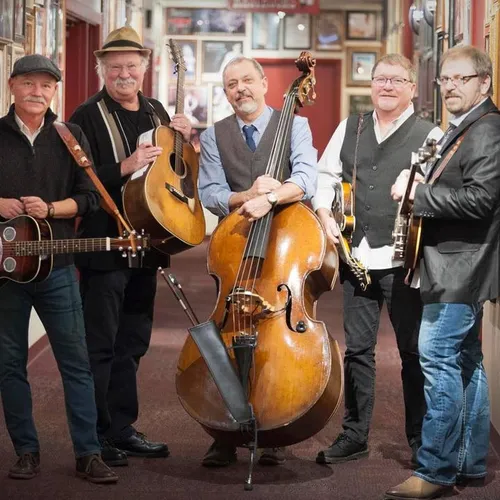
The band currently consists of Dudley Connell (guitar/lead vocals), Ben Eldridge (banjo), Lou Reid (mandolin/tenor vocals), Fred Travers (dobro/lead vocals), and Ronnie Simpkins (bass/baritone vocals).
Discography
Act I (Rebel, 1972)
Act II (Rebel, 1973)
Act III (Rebel, 1973)
Old Train (Rebel, 1973)
Live At The Cellar Door (Rebel, 1975)
The New Seldom Scene Album (Rebel, 1976)
Baptizing (Rebel, 1978)
Act IV (Sugar Hill, 1979)
After Midnight (Sugar Hill, 1981)
At The Scene (Sugar Hill, 1983)
Blue Ridge with Jonathan Edwards (Sugar Hill, 1985)
15th Anniversary Celebration (Sugar Hill, 1986)
A Change Of Scenery (Sugar Hill, 1988)
Scenic Roots (Sugar Hill, 1990)
Scene 20: 20th Anniversary Concert (Sugar Hill, 1992)
Like We Used To Be (Sugar Hill, 1994)
Dream Scene (Sugar Hill, 1996)
Scene It All (Sugar Hill, 2000)
External links
Official site
Duffey proposed some rules that the others agreed to including playing only one night a week at local clubs, doing occasional concerts and festivals on weekends, making records, and keeping their day jobs. Duffey repaired musical instruments, Eldridge was a mathematician, Starling a physician, Auldridge a graphic artist, and Gray a cartographer with National Geographic. The Scene's first home was the Red Fox Inn in Bethesda, Maryland, where they spent six years before starting weekly performances at The Birchmere Music Hall in Alexandria, Virginia.
Bluegrass reached a second peak in popularity in the early 1970s, and the progressive bluegrass style played by The Seldom Scene was particularly popular. Duffey's stratospheric tenor anchored the group, but the vocal blend of Duffey/Starling/Auldridge set a new standard that attracted new audiences to what had been a niche music. Their weekly shows included bluegrass versions of country music, rock, and even classical pop. The band's popularity soon forced them to play more than once a week--but they continued to maintain their image as being seldom seen, and on several of their early album covers were photographed with the stage lights on only their feet, or with their backs to the camera.
Though the Scene remained a non-touring band, they were prolific recorders, producing seven albums in their first five years of existence, including two live albums (among the first live bluegrass albums). But the band's philosophy of not touring and maintaining their day jobs eventually caused some changes in membership.
In 1977, John Starling left the group to focus on his medical career, and was replaced by singer and songwriter Phil Rosenthal, whose song "Muddy Water" had been recorded by the Scene on two earlier albums. Around the same time, the group switched record labels from Rebel Records to Sugar Hill; however, while Starling had been officially the band's frontman, these changes made little significant difference to the band's overall sound.
The band recorded several more albums in the 1980s and firmly established themselves as one of the most influential bluegrass bands. In 1986, Rosenthal and Tom Gray both left the band to focus on other pursuits, and were replaced by Lou Reid and T. Michael Coleman, respectively. Coleman proved to be very controversial, as many purists objected to his use of an electric bass in what is an acoustic genre, but the albums produced by the band after Coleman's arrival maintained the traditional appeal of any of the Scene's earlier albums.
Reid left the band in 1993, and Duffey convinced former member John Starling to return to the band for the next year. During that year the Scene recorded the album "Like We Used To Be," but Starling did not wish to stay with the band long term. He was replaced in 1994 by lead singer Moondi Klein.
Throughout these changes, John Duffey remained the group's spiritual center and greatest influence, and his initial ideas about keeping a light touring schedule and staying close to home continued to prevail. Though there had been disagreements about this philosophy before, it wasn't until after Starling left for the second time that it cost the band a majority of its members at once. During 1995 and 1996, Klein and Coleman, along with original member Mike Auldridge, left the group to form a new band called Chesapeake. This new band became a full-time project for its members, and for a time the Scene stopped recording.
Duffey and Ben Eldridge, the two remaining original members, recruited resophonic guitar player Fred Travers, bassist Ronnie Simpkins, and guitarist and singer Dudley Connell to join the band, and the reconstituted group recorded an album in 1996 and resumed live appearances.
For 25 years The Seldom Scene remained extremely popular in bluegrass circles even with the near-constant personnel changes. But the band was dealt what seemed a crushing blow in late 1996, when founder and leader John Duffey suffered a fatal heart attack. The band again stopped recording and made no live appearances for some years. Duffey had been widely regarded as one of the most powerful and entertaining stage performers in bluegrass, and there was no one who could replace him.
Nonetheless, the band was simply too popular to disappear for good. Banjoist Ben Eldridge, the sole remaining original member and a significant force in banjo music in his own right, assumed leadership of the band. Former guitarist Lou Reid rejoined the band on mandolin. Initially the new Scene concentrated on live performances, but in 2000 the group recorded a new album, "Scene it All." The Seldom Scene continues to tour, and remains on the Sugar Hill label for future recordings.
The band currently consists of Dudley Connell (guitar/lead vocals), Ben Eldridge (banjo), Lou Reid (mandolin/tenor vocals), Fred Travers (dobro/lead vocals), and Ronnie Simpkins (bass/baritone vocals).
Discography
Act I (Rebel, 1972)
Act II (Rebel, 1973)
Act III (Rebel, 1973)
Old Train (Rebel, 1973)
Live At The Cellar Door (Rebel, 1975)
The New Seldom Scene Album (Rebel, 1976)
Baptizing (Rebel, 1978)
Act IV (Sugar Hill, 1979)
After Midnight (Sugar Hill, 1981)
At The Scene (Sugar Hill, 1983)
Blue Ridge with Jonathan Edwards (Sugar Hill, 1985)
15th Anniversary Celebration (Sugar Hill, 1986)
A Change Of Scenery (Sugar Hill, 1988)
Scenic Roots (Sugar Hill, 1990)
Scene 20: 20th Anniversary Concert (Sugar Hill, 1992)
Like We Used To Be (Sugar Hill, 1994)
Dream Scene (Sugar Hill, 1996)
Scene It All (Sugar Hill, 2000)
External links
Official site
Mostrar más
Géneros:
Bluegrass
Miembros de la banda:
Fred Travers, Lou Reid, Ronnie Simpkins, Dudley Connell, Ron Stewart
Ciudad de Origen:
Washington, District of Columbia
No hay próximos espectáculos en tu ciudad
Envía una solicitud a The Seldom Scene para que dé un concierto en tu ciudad
Solicitar un espectáculo
Todos los eventos y retransmisiones en directo
Artículos de promoción de The Seldom Scene
Remains to Be Scene
$12.73
LIVE AT THE CELLAR DOOR
$10.41
Ver TodoGira de The Seldom Scene
Acerca De The Seldom Scene
The Seldom Scene
The Seldom Scene is an American bluegrass band formed in 1971 in Bethesda, Maryland out of the weekly jam sessions in the basement of banjo player Ben Eldridge. These sessions included John Starling on guitar and lead vocals, Mike Auldridge on resophonic guitar and baritone vocals, and Tom Gray on bass. Then came mandolinist John Duffey, who had quit the Country Gentlemen two years before due to disillusionment with the music business. Duffey was invited to the jam sessions, hit it off with John Starling, and decided to give music another try at the time when Auldridge arranged for the group to play as a performing band.
Duffey proposed some rules that the others agreed to including playing only one night a week at local clubs, doing occasional concerts and festivals on weekends, making records, and keeping their day jobs. Duffey repaired musical instruments, Eldridge was a mathematician, Starling a physician, Auldridge a graphic artist, and Gray a cartographer with National Geographic. The Scene's first home was the Red Fox Inn in Bethesda, Maryland, where they spent six years before starting weekly performances at The Birchmere Music Hall in Alexandria, Virginia.
Bluegrass reached a second peak in popularity in the early 1970s, and the progressive bluegrass style played by The Seldom Scene was particularly popular. Duffey's stratospheric tenor anchored the group, but the vocal blend of Duffey/Starling/Auldridge set a new standard that attracted new audiences to what had been a niche music. Their weekly shows included bluegrass versions of country music, rock, and even classical pop. The band's popularity soon forced them to play more than once a week--but they continued to maintain their image as being seldom seen, and on several of their early album covers were photographed with the stage lights on only their feet, or with their backs to the camera.
Though the Scene remained a non-touring band, they were prolific recorders, producing seven albums in their first five years of existence, including two live albums (among the first live bluegrass albums). But the band's philosophy of not touring and maintaining their day jobs eventually caused some changes in membership.
In 1977, John Starling left the group to focus on his medical career, and was replaced by singer and songwriter Phil Rosenthal, whose song "Muddy Water" had been recorded by the Scene on two earlier albums. Around the same time, the group switched record labels from Rebel Records to Sugar Hill; however, while Starling had been officially the band's frontman, these changes made little significant difference to the band's overall sound.
The band recorded several more albums in the 1980s and firmly established themselves as one of the most influential bluegrass bands. In 1986, Rosenthal and Tom Gray both left the band to focus on other pursuits, and were replaced by Lou Reid and T. Michael Coleman, respectively. Coleman proved to be very controversial, as many purists objected to his use of an electric bass in what is an acoustic genre, but the albums produced by the band after Coleman's arrival maintained the traditional appeal of any of the Scene's earlier albums.
Reid left the band in 1993, and Duffey convinced former member John Starling to return to the band for the next year. During that year the Scene recorded the album "Like We Used To Be," but Starling did not wish to stay with the band long term. He was replaced in 1994 by lead singer Moondi Klein.
Throughout these changes, John Duffey remained the group's spiritual center and greatest influence, and his initial ideas about keeping a light touring schedule and staying close to home continued to prevail. Though there had been disagreements about this philosophy before, it wasn't until after Starling left for the second time that it cost the band a majority of its members at once. During 1995 and 1996, Klein and Coleman, along with original member Mike Auldridge, left the group to form a new band called Chesapeake. This new band became a full-time project for its members, and for a time the Scene stopped recording.
Duffey and Ben Eldridge, the two remaining original members, recruited resophonic guitar player Fred Travers, bassist Ronnie Simpkins, and guitarist and singer Dudley Connell to join the band, and the reconstituted group recorded an album in 1996 and resumed live appearances.
For 25 years The Seldom Scene remained extremely popular in bluegrass circles even with the near-constant personnel changes. But the band was dealt what seemed a crushing blow in late 1996, when founder and leader John Duffey suffered a fatal heart attack. The band again stopped recording and made no live appearances for some years. Duffey had been widely regarded as one of the most powerful and entertaining stage performers in bluegrass, and there was no one who could replace him.
Nonetheless, the band was simply too popular to disappear for good. Banjoist Ben Eldridge, the sole remaining original member and a significant force in banjo music in his own right, assumed leadership of the band. Former guitarist Lou Reid rejoined the band on mandolin. Initially the new Scene concentrated on live performances, but in 2000 the group recorded a new album, "Scene it All." The Seldom Scene continues to tour, and remains on the Sugar Hill label for future recordings.
The band currently consists of Dudley Connell (guitar/lead vocals), Ben Eldridge (banjo), Lou Reid (mandolin/tenor vocals), Fred Travers (dobro/lead vocals), and Ronnie Simpkins (bass/baritone vocals).
Discography
Act I (Rebel, 1972)
Act II (Rebel, 1973)
Act III (Rebel, 1973)
Old Train (Rebel, 1973)
Live At The Cellar Door (Rebel, 1975)
The New Seldom Scene Album (Rebel, 1976)
Baptizing (Rebel, 1978)
Act IV (Sugar Hill, 1979)
After Midnight (Sugar Hill, 1981)
At The Scene (Sugar Hill, 1983)
Blue Ridge with Jonathan Edwards (Sugar Hill, 1985)
15th Anniversary Celebration (Sugar Hill, 1986)
A Change Of Scenery (Sugar Hill, 1988)
Scenic Roots (Sugar Hill, 1990)
Scene 20: 20th Anniversary Concert (Sugar Hill, 1992)
Like We Used To Be (Sugar Hill, 1994)
Dream Scene (Sugar Hill, 1996)
Scene It All (Sugar Hill, 2000)
External links
Official site
Duffey proposed some rules that the others agreed to including playing only one night a week at local clubs, doing occasional concerts and festivals on weekends, making records, and keeping their day jobs. Duffey repaired musical instruments, Eldridge was a mathematician, Starling a physician, Auldridge a graphic artist, and Gray a cartographer with National Geographic. The Scene's first home was the Red Fox Inn in Bethesda, Maryland, where they spent six years before starting weekly performances at The Birchmere Music Hall in Alexandria, Virginia.
Bluegrass reached a second peak in popularity in the early 1970s, and the progressive bluegrass style played by The Seldom Scene was particularly popular. Duffey's stratospheric tenor anchored the group, but the vocal blend of Duffey/Starling/Auldridge set a new standard that attracted new audiences to what had been a niche music. Their weekly shows included bluegrass versions of country music, rock, and even classical pop. The band's popularity soon forced them to play more than once a week--but they continued to maintain their image as being seldom seen, and on several of their early album covers were photographed with the stage lights on only their feet, or with their backs to the camera.
Though the Scene remained a non-touring band, they were prolific recorders, producing seven albums in their first five years of existence, including two live albums (among the first live bluegrass albums). But the band's philosophy of not touring and maintaining their day jobs eventually caused some changes in membership.
In 1977, John Starling left the group to focus on his medical career, and was replaced by singer and songwriter Phil Rosenthal, whose song "Muddy Water" had been recorded by the Scene on two earlier albums. Around the same time, the group switched record labels from Rebel Records to Sugar Hill; however, while Starling had been officially the band's frontman, these changes made little significant difference to the band's overall sound.
The band recorded several more albums in the 1980s and firmly established themselves as one of the most influential bluegrass bands. In 1986, Rosenthal and Tom Gray both left the band to focus on other pursuits, and were replaced by Lou Reid and T. Michael Coleman, respectively. Coleman proved to be very controversial, as many purists objected to his use of an electric bass in what is an acoustic genre, but the albums produced by the band after Coleman's arrival maintained the traditional appeal of any of the Scene's earlier albums.
Reid left the band in 1993, and Duffey convinced former member John Starling to return to the band for the next year. During that year the Scene recorded the album "Like We Used To Be," but Starling did not wish to stay with the band long term. He was replaced in 1994 by lead singer Moondi Klein.
Throughout these changes, John Duffey remained the group's spiritual center and greatest influence, and his initial ideas about keeping a light touring schedule and staying close to home continued to prevail. Though there had been disagreements about this philosophy before, it wasn't until after Starling left for the second time that it cost the band a majority of its members at once. During 1995 and 1996, Klein and Coleman, along with original member Mike Auldridge, left the group to form a new band called Chesapeake. This new band became a full-time project for its members, and for a time the Scene stopped recording.
Duffey and Ben Eldridge, the two remaining original members, recruited resophonic guitar player Fred Travers, bassist Ronnie Simpkins, and guitarist and singer Dudley Connell to join the band, and the reconstituted group recorded an album in 1996 and resumed live appearances.
For 25 years The Seldom Scene remained extremely popular in bluegrass circles even with the near-constant personnel changes. But the band was dealt what seemed a crushing blow in late 1996, when founder and leader John Duffey suffered a fatal heart attack. The band again stopped recording and made no live appearances for some years. Duffey had been widely regarded as one of the most powerful and entertaining stage performers in bluegrass, and there was no one who could replace him.
Nonetheless, the band was simply too popular to disappear for good. Banjoist Ben Eldridge, the sole remaining original member and a significant force in banjo music in his own right, assumed leadership of the band. Former guitarist Lou Reid rejoined the band on mandolin. Initially the new Scene concentrated on live performances, but in 2000 the group recorded a new album, "Scene it All." The Seldom Scene continues to tour, and remains on the Sugar Hill label for future recordings.
The band currently consists of Dudley Connell (guitar/lead vocals), Ben Eldridge (banjo), Lou Reid (mandolin/tenor vocals), Fred Travers (dobro/lead vocals), and Ronnie Simpkins (bass/baritone vocals).
Discography
Act I (Rebel, 1972)
Act II (Rebel, 1973)
Act III (Rebel, 1973)
Old Train (Rebel, 1973)
Live At The Cellar Door (Rebel, 1975)
The New Seldom Scene Album (Rebel, 1976)
Baptizing (Rebel, 1978)
Act IV (Sugar Hill, 1979)
After Midnight (Sugar Hill, 1981)
At The Scene (Sugar Hill, 1983)
Blue Ridge with Jonathan Edwards (Sugar Hill, 1985)
15th Anniversary Celebration (Sugar Hill, 1986)
A Change Of Scenery (Sugar Hill, 1988)
Scenic Roots (Sugar Hill, 1990)
Scene 20: 20th Anniversary Concert (Sugar Hill, 1992)
Like We Used To Be (Sugar Hill, 1994)
Dream Scene (Sugar Hill, 1996)
Scene It All (Sugar Hill, 2000)
External links
Official site
Mostrar más
Géneros:
Bluegrass
Miembros de la banda:
Fred Travers, Lou Reid, Ronnie Simpkins, Dudley Connell, Ron Stewart
Ciudad de Origen:
Washington, District of Columbia
Los fans también siguen
Nunca te pierdas otro concierto de The Seldom Scene.
Recibe alertas sobre anuncios de giras, entradas para concierto y espectáculos cerca de ti con una cuenta gratuita de Bandsintown.
Vive la experiencia total con la aplicación de Bandsintown.

Fotos en Vivo


Lo que dicen los fans
Great venue , friendly and helpful staff, all of the performances were excellent as well!
31 de marzo de 2026·Elizabeth City, NC

Elwood
These guys are incredible musicians. Watching Fred Travers play the dobro and Lou Reid play the mandolin made my hands hurt. They just keep sounding better and better....and they have such a relaxed, friendly relationship with their audience. Great evening.
30 de noviembre de 2025·Alexandria, VA

Karen
The Seldom Scene were awesome!!! We loved every minute of the concert! We cannot wait to see them again. A very talented group of men!!! Many thanks!!!
13 de junio de 2025·Germantown, MD

Lacey


Fotos en Vivo
Lo que dicen los fans
Great venue , friendly and helpful staff, all of the performances were excellent as well!
31 de marzo de 2026·Elizabeth City, NC
Elwood
These guys are incredible musicians. Watching Fred Travers play the dobro and Lou Reid play the mandolin made my hands hurt. They just keep sounding better and better....and they have such a relaxed, friendly relationship with their audience. Great evening.
30 de noviembre de 2025·Alexandria, VA
Karen
The Seldom Scene were awesome!!! We loved every minute of the concert! We cannot wait to see them again. A very talented group of men!!! Many thanks!!!
13 de junio de 2025·Germantown, MD
Lacey