¡Tienes muy buen gusto!
Inicia sesión para seguir a tus artistas favoritos, guardar eventos y mucho más.

'%3e %3cpath d='M17.2 8.65233C17.2 3.87262 13.3508 0 8.6 0C3.84919 0 0 3.87262 0 8.65233C0 12.9785 3.12097 16.572 7.24758 17.2V11.1643H5.0629V8.65233H7.24758V6.76836C7.24758 4.60527 8.53065 3.38418 10.4726 3.38418C11.4435 3.38418 12.4145 3.55862 12.4145 3.55862V5.68682H11.3395C10.2645 5.68682 9.91774 6.3497 9.91774 7.04746V8.65233H12.3105L11.929 11.1643H9.91774V17.2C14.0444 16.572 17.2 12.9785 17.2 8.65233Z' fill='%236D6D6D'/%3e %3c/g%3e %3cdefs%3e %3cclipPath id='clip0_11991_110375'%3e %3crect width='17.2' height='17.2' fill='white'/%3e %3c/clipPath%3e %3c/defs%3e %3c/svg%3e)
'%3e %3cpath d='M13.546 0.716797H16.1835L10.4214 7.3954L17.2 16.4835H11.8924L7.73534 10.9716L2.97869 16.4835H0.339647L6.50272 9.33995L0 0.716797H5.44232L9.19996 5.75485L13.546 0.716797ZM12.6204 14.8825H14.0818L4.64822 2.23363H3.07994L12.6204 14.8825Z' fill='%236D6D6D'/%3e %3c/g%3e %3cdefs%3e %3cclipPath id='clip0_11991_110380'%3e %3crect width='17.2' height='17.2' fill='white'/%3e %3c/clipPath%3e %3c/defs%3e %3c/svg%3e)
'%3e %3cpath d='M8.6192 4.16563C6.16205 4.16563 4.20402 6.16205 4.20402 8.5808C4.20402 11.0379 6.16205 12.996 8.6192 12.996C11.0379 12.996 13.0344 11.0379 13.0344 8.5808C13.0344 6.16205 11.0379 4.16563 8.6192 4.16563ZM8.6192 11.4603C7.04509 11.4603 5.73973 10.1933 5.73973 8.5808C5.73973 7.0067 7.0067 5.73973 8.6192 5.73973C10.1933 5.73973 11.4603 7.0067 11.4603 8.5808C11.4603 10.1933 10.1933 11.4603 8.6192 11.4603ZM14.2246 4.01205C14.2246 4.58795 13.7638 5.04866 13.1879 5.04866C12.6121 5.04866 12.1513 4.58795 12.1513 4.01205C12.1513 3.43616 12.6121 2.97545 13.1879 2.97545C13.7638 2.97545 14.2246 3.43616 14.2246 4.01205ZM17.1424 5.04866C17.0656 3.66652 16.7585 2.43795 15.7603 1.43973C14.7621 0.441518 13.5335 0.134375 12.1513 0.0575893C10.7308 -0.0191964 6.4692 -0.0191964 5.04866 0.0575893C3.66652 0.134375 2.47634 0.441518 1.43973 1.43973C0.441518 2.43795 0.134375 3.66652 0.0575893 5.04866C-0.0191964 6.4692 -0.0191964 10.7308 0.0575893 12.1513C0.134375 13.5335 0.441518 14.7237 1.43973 15.7603C2.47634 16.7585 3.66652 17.0656 5.04866 17.1424C6.4692 17.2192 10.7308 17.2192 12.1513 17.1424C13.5335 17.0656 14.7621 16.7585 15.7603 15.7603C16.7585 14.7237 17.0656 13.5335 17.1424 12.1513C17.2192 10.7308 17.2192 6.4692 17.1424 5.04866ZM15.2996 13.6487C15.0308 14.4165 14.4165 14.9924 13.6871 15.2996C12.5353 15.7603 9.84777 15.6451 8.6192 15.6451C7.35223 15.6451 4.66473 15.7603 3.55134 15.2996C2.78348 14.9924 2.20759 14.4165 1.90045 13.6487C1.43973 12.5353 1.55491 9.84777 1.55491 8.5808C1.55491 7.35223 1.43973 4.66473 1.90045 3.51295C2.20759 2.78348 2.78348 2.20759 3.55134 1.90045C4.66473 1.43973 7.35223 1.55491 8.6192 1.55491C9.84777 1.55491 12.5353 1.43973 13.6871 1.90045C14.4165 2.1692 14.9924 2.78348 15.2996 3.51295C15.7603 4.66473 15.6451 7.35223 15.6451 8.5808C15.6451 9.84777 15.7603 12.5353 15.2996 13.6487Z' fill='%236D6D6D'/%3e %3c/g%3e %3cdefs%3e %3cclipPath id='clip0_11991_110387'%3e %3crect width='17.2' height='17.2' fill='white'/%3e %3c/clipPath%3e %3c/defs%3e %3c/svg%3e)


artista
Albert Ayler
8,09 mil Seguidores
No hay próximos espectáculos
Envía una solicitud a Albert Ayler para que dé un concierto en tu ciudad
Solicitar un espectáculo
Artistas similares de gira


Nunca te pierdas otro concierto de Albert Ayler.
Recibe alertas sobre anuncios de giras, entradas para concierto y espectáculos cerca de ti con una cuenta gratuita de Bandsintown.
Acerca De Albert Ayler
Albert Ayler
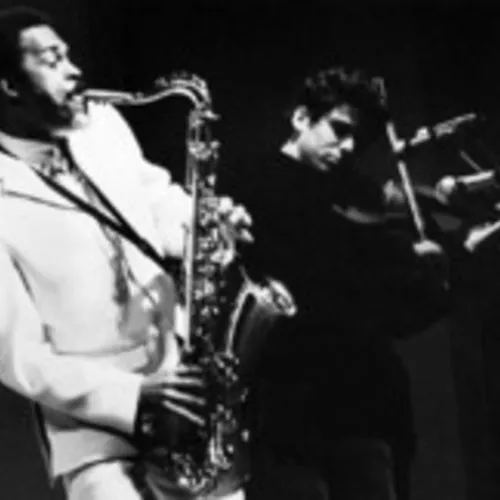
Albert Ayler was the most primal of the free jazz musicians of the 1960s. He possessed a deep blistering tone—achieved by using the stiffest plastic reeds he could find on his tenor saxophone—and a broad, pathos-filled vibrato that came right out of church music. His trio and quartet records of 1964, like Spiritual Unity and The Hilversum Sessions, show him advancing the improvisational notions of John Coltrane and Ornette Coleman into abstract realms where timbre, not harmony and melody, is the music's backbone. His ecstatic music of 1965 and 1966, like "Spirits Rejoice" and "Truth is Marching In" has been comapred by critics to the sound of a Salvation Army brass band, and involved simple, march-like themes which alternated with wild group improvisations and took jazz back to its pre-Louis Armstrong roots.
Ayler remains something of a cult artist. "Ghosts"—with its bouncy, sing-song melody (rather reminiscent of a nursery rhyme)—is probably his best known tune, and is something of a free jazz standard, having been covered by Lester Bowie, Gary Windo, Eugene Chadbourne, Joe McPhee, John Tchicai and Ken Vandermark, among others.
Saxophonist Mars Williams led a group called Witches and Devils, which was not only named after an Ayler song, but which covered several of his songs.
Peter Brötzmann's Die Like A Dog Quartet is a group loosely dedicated to Ayler. A record called "Little Birds Have Fast Hearts" references Ayler's youthful nickname.
In 2005, guitarist Marc Ribot (who has occasionally performed Ayler's songs for some years) released an album dedicated to the ethic of collective improvisation, entitled Spiritual Unity in honor of Ayler's 1964 album of the same name.
On his 1969 album Folkjokeopus, English guitarist/singer Roy Harper, dedicated the song 'One for All' ("One for Al") to Albert Ayler "who I knew and loved during my time in Copenhagen". Harper considered Ayler to be "one of the leading jazzmen of the age".[3]. Within the Folkejokeopus liner notes Harper states, "In many ways he (Ayler) was the king".
The Albert Ayler Trio's album 'Spiritual Unity' is well known to have been a major influence on Paul McCartney during the recording of The Beatles' celebrated album 'Revolver'.
Ayler remains something of a cult artist. "Ghosts"—with its bouncy, sing-song melody (rather reminiscent of a nursery rhyme)—is probably his best known tune, and is something of a free jazz standard, having been covered by Lester Bowie, Gary Windo, Eugene Chadbourne, Joe McPhee, John Tchicai and Ken Vandermark, among others.
Saxophonist Mars Williams led a group called Witches and Devils, which was not only named after an Ayler song, but which covered several of his songs.
Peter Brötzmann's Die Like A Dog Quartet is a group loosely dedicated to Ayler. A record called "Little Birds Have Fast Hearts" references Ayler's youthful nickname.
In 2005, guitarist Marc Ribot (who has occasionally performed Ayler's songs for some years) released an album dedicated to the ethic of collective improvisation, entitled Spiritual Unity in honor of Ayler's 1964 album of the same name.
On his 1969 album Folkjokeopus, English guitarist/singer Roy Harper, dedicated the song 'One for All' ("One for Al") to Albert Ayler "who I knew and loved during my time in Copenhagen". Harper considered Ayler to be "one of the leading jazzmen of the age".[3]. Within the Folkejokeopus liner notes Harper states, "In many ways he (Ayler) was the king".
The Albert Ayler Trio's album 'Spiritual Unity' is well known to have been a major influence on Paul McCartney during the recording of The Beatles' celebrated album 'Revolver'.
Mostrar más
Géneros:
Jazz
No hay próximos espectáculos
Envía una solicitud a Albert Ayler para que dé un concierto en tu ciudad
Solicitar un espectáculo
Artistas similares de gira
Acerca De Albert Ayler
Albert Ayler
Albert Ayler was the most primal of the free jazz musicians of the 1960s. He possessed a deep blistering tone—achieved by using the stiffest plastic reeds he could find on his tenor saxophone—and a broad, pathos-filled vibrato that came right out of church music. His trio and quartet records of 1964, like Spiritual Unity and The Hilversum Sessions, show him advancing the improvisational notions of John Coltrane and Ornette Coleman into abstract realms where timbre, not harmony and melody, is the music's backbone. His ecstatic music of 1965 and 1966, like "Spirits Rejoice" and "Truth is Marching In" has been comapred by critics to the sound of a Salvation Army brass band, and involved simple, march-like themes which alternated with wild group improvisations and took jazz back to its pre-Louis Armstrong roots.
Ayler remains something of a cult artist. "Ghosts"—with its bouncy, sing-song melody (rather reminiscent of a nursery rhyme)—is probably his best known tune, and is something of a free jazz standard, having been covered by Lester Bowie, Gary Windo, Eugene Chadbourne, Joe McPhee, John Tchicai and Ken Vandermark, among others.
Saxophonist Mars Williams led a group called Witches and Devils, which was not only named after an Ayler song, but which covered several of his songs.
Peter Brötzmann's Die Like A Dog Quartet is a group loosely dedicated to Ayler. A record called "Little Birds Have Fast Hearts" references Ayler's youthful nickname.
In 2005, guitarist Marc Ribot (who has occasionally performed Ayler's songs for some years) released an album dedicated to the ethic of collective improvisation, entitled Spiritual Unity in honor of Ayler's 1964 album of the same name.
On his 1969 album Folkjokeopus, English guitarist/singer Roy Harper, dedicated the song 'One for All' ("One for Al") to Albert Ayler "who I knew and loved during my time in Copenhagen". Harper considered Ayler to be "one of the leading jazzmen of the age".[3]. Within the Folkejokeopus liner notes Harper states, "In many ways he (Ayler) was the king".
The Albert Ayler Trio's album 'Spiritual Unity' is well known to have been a major influence on Paul McCartney during the recording of The Beatles' celebrated album 'Revolver'.
Ayler remains something of a cult artist. "Ghosts"—with its bouncy, sing-song melody (rather reminiscent of a nursery rhyme)—is probably his best known tune, and is something of a free jazz standard, having been covered by Lester Bowie, Gary Windo, Eugene Chadbourne, Joe McPhee, John Tchicai and Ken Vandermark, among others.
Saxophonist Mars Williams led a group called Witches and Devils, which was not only named after an Ayler song, but which covered several of his songs.
Peter Brötzmann's Die Like A Dog Quartet is a group loosely dedicated to Ayler. A record called "Little Birds Have Fast Hearts" references Ayler's youthful nickname.
In 2005, guitarist Marc Ribot (who has occasionally performed Ayler's songs for some years) released an album dedicated to the ethic of collective improvisation, entitled Spiritual Unity in honor of Ayler's 1964 album of the same name.
On his 1969 album Folkjokeopus, English guitarist/singer Roy Harper, dedicated the song 'One for All' ("One for Al") to Albert Ayler "who I knew and loved during my time in Copenhagen". Harper considered Ayler to be "one of the leading jazzmen of the age".[3]. Within the Folkejokeopus liner notes Harper states, "In many ways he (Ayler) was the king".
The Albert Ayler Trio's album 'Spiritual Unity' is well known to have been a major influence on Paul McCartney during the recording of The Beatles' celebrated album 'Revolver'.
Mostrar más
Géneros:
Jazz
Nunca te pierdas otro concierto de Albert Ayler.
Recibe alertas sobre anuncios de giras, entradas para concierto y espectáculos cerca de ti con una cuenta gratuita de Bandsintown.
Vive la experiencia total con la aplicación de Bandsintown.
