¡Tienes muy buen gusto!
Inicia sesión para seguir a tus artistas favoritos, guardar eventos y mucho más.
Encuentra fechas de giras y eventos de música en directo de tus grupos y artistas favoritos en tu ciudad. Recibe entradas para conciertos, noticias y confirmaciones de asistencia a conciertos con Bandsintown.

'%3e %3cpath d='M17.2 8.65233C17.2 3.87262 13.3508 0 8.6 0C3.84919 0 0 3.87262 0 8.65233C0 12.9785 3.12097 16.572 7.24758 17.2V11.1643H5.0629V8.65233H7.24758V6.76836C7.24758 4.60527 8.53065 3.38418 10.4726 3.38418C11.4435 3.38418 12.4145 3.55862 12.4145 3.55862V5.68682H11.3395C10.2645 5.68682 9.91774 6.3497 9.91774 7.04746V8.65233H12.3105L11.929 11.1643H9.91774V17.2C14.0444 16.572 17.2 12.9785 17.2 8.65233Z' fill='%236D6D6D'/%3e %3c/g%3e %3cdefs%3e %3cclipPath id='clip0_11991_110375'%3e %3crect width='17.2' height='17.2' fill='white'/%3e %3c/clipPath%3e %3c/defs%3e %3c/svg%3e)
'%3e %3cpath d='M13.546 0.716797H16.1835L10.4214 7.3954L17.2 16.4835H11.8924L7.73534 10.9716L2.97869 16.4835H0.339647L6.50272 9.33995L0 0.716797H5.44232L9.19996 5.75485L13.546 0.716797ZM12.6204 14.8825H14.0818L4.64822 2.23363H3.07994L12.6204 14.8825Z' fill='%236D6D6D'/%3e %3c/g%3e %3cdefs%3e %3cclipPath id='clip0_11991_110380'%3e %3crect width='17.2' height='17.2' fill='white'/%3e %3c/clipPath%3e %3c/defs%3e %3c/svg%3e)
'%3e %3cpath d='M8.6192 4.16563C6.16205 4.16563 4.20402 6.16205 4.20402 8.5808C4.20402 11.0379 6.16205 12.996 8.6192 12.996C11.0379 12.996 13.0344 11.0379 13.0344 8.5808C13.0344 6.16205 11.0379 4.16563 8.6192 4.16563ZM8.6192 11.4603C7.04509 11.4603 5.73973 10.1933 5.73973 8.5808C5.73973 7.0067 7.0067 5.73973 8.6192 5.73973C10.1933 5.73973 11.4603 7.0067 11.4603 8.5808C11.4603 10.1933 10.1933 11.4603 8.6192 11.4603ZM14.2246 4.01205C14.2246 4.58795 13.7638 5.04866 13.1879 5.04866C12.6121 5.04866 12.1513 4.58795 12.1513 4.01205C12.1513 3.43616 12.6121 2.97545 13.1879 2.97545C13.7638 2.97545 14.2246 3.43616 14.2246 4.01205ZM17.1424 5.04866C17.0656 3.66652 16.7585 2.43795 15.7603 1.43973C14.7621 0.441518 13.5335 0.134375 12.1513 0.0575893C10.7308 -0.0191964 6.4692 -0.0191964 5.04866 0.0575893C3.66652 0.134375 2.47634 0.441518 1.43973 1.43973C0.441518 2.43795 0.134375 3.66652 0.0575893 5.04866C-0.0191964 6.4692 -0.0191964 10.7308 0.0575893 12.1513C0.134375 13.5335 0.441518 14.7237 1.43973 15.7603C2.47634 16.7585 3.66652 17.0656 5.04866 17.1424C6.4692 17.2192 10.7308 17.2192 12.1513 17.1424C13.5335 17.0656 14.7621 16.7585 15.7603 15.7603C16.7585 14.7237 17.0656 13.5335 17.1424 12.1513C17.2192 10.7308 17.2192 6.4692 17.1424 5.04866ZM15.2996 13.6487C15.0308 14.4165 14.4165 14.9924 13.6871 15.2996C12.5353 15.7603 9.84777 15.6451 8.6192 15.6451C7.35223 15.6451 4.66473 15.7603 3.55134 15.2996C2.78348 14.9924 2.20759 14.4165 1.90045 13.6487C1.43973 12.5353 1.55491 9.84777 1.55491 8.5808C1.55491 7.35223 1.43973 4.66473 1.90045 3.51295C2.20759 2.78348 2.78348 2.20759 3.55134 1.90045C4.66473 1.43973 7.35223 1.55491 8.6192 1.55491C9.84777 1.55491 12.5353 1.43973 13.6871 1.90045C14.4165 2.1692 14.9924 2.78348 15.2996 3.51295C15.7603 4.66473 15.6451 7.35223 15.6451 8.5808C15.6451 9.84777 15.7603 12.5353 15.2996 13.6487Z' fill='%236D6D6D'/%3e %3c/g%3e %3cdefs%3e %3cclipPath id='clip0_11991_110387'%3e %3crect width='17.2' height='17.2' fill='white'/%3e %3c/clipPath%3e %3c/defs%3e %3c/svg%3e)


artista
Evan Parker
1,91 mil Seguidores
No hay próximos espectáculos
Envía una solicitud a Evan Parker para que dé un concierto en tu ciudad
Solicitar un espectáculo
Artistas similares de gira
Nunca te pierdas otro concierto de Evan Parker.
Recibe alertas sobre anuncios de giras, entradas para concierto y espectáculos cerca de ti con una cuenta gratuita de Bandsintown.
Acerca De Evan Parker
Evan Parker
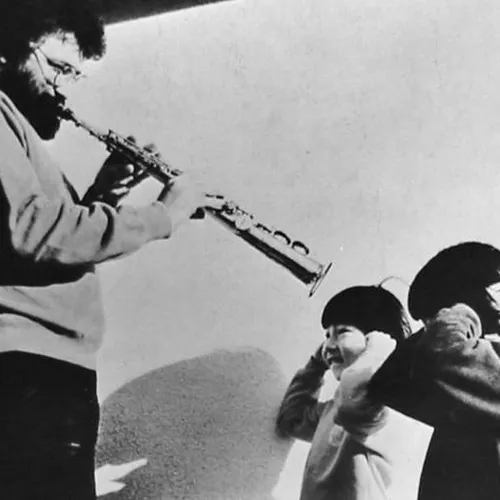
Evan Parker (born 5 April 1944 in Bristol) is a British free-improvising saxophone player.
His original inspiration was Paul Desmond, and in recent years the influence of cool jazz saxophone players has again become apparent in his music — there are tributes to Warne Marsh and Lee Konitz on Time Will Tell (ECM, 1993) and Chicago Solo (Okkadisk, 1997).
However, Parker is probably better known for his 1960s work, which rapidly assimilated the American avantgarde — John Coltrane, Pharoah Sanders, Albert Ayler and others — and forged his own, instantly identifiable style. His music of the 1960s and 1970s is harsh, raw and unsettling, involving fluttering, swirling lines that have shape rather than tangible melodic content; sometimes he makes use of pure sound in a manner that recalls Steve Lacy's more radical 1970s recordings or the work of some AACM members. He began to develop methods of rapidly layering harmonics and false notes to create dense contrapuntal weaves; these involved experiments with plastic reeds and rapid tonguing which initially were so intense that he would find blood dripping onto the floor from the saxophone.
Parker is one of the few saxophone players for whom unaccompanied solo performance is a major part of his work. One critic has written that Parker's solo performances "reveal also the mechanical possibilities for the instrument that weren't even considered before he came along — things like playing in all three registers of the instrument at the same time."
His original inspiration was Paul Desmond, and in recent years the influence of cool jazz saxophone players has again become apparent in his music — there are tributes to Warne Marsh and Lee Konitz on Time Will Tell (ECM, 1993) and Chicago Solo (Okkadisk, 1997).
However, Parker is probably better known for his 1960s work, which rapidly assimilated the American avantgarde — John Coltrane, Pharoah Sanders, Albert Ayler and others — and forged his own, instantly identifiable style. His music of the 1960s and 1970s is harsh, raw and unsettling, involving fluttering, swirling lines that have shape rather than tangible melodic content; sometimes he makes use of pure sound in a manner that recalls Steve Lacy's more radical 1970s recordings or the work of some AACM members. He began to develop methods of rapidly layering harmonics and false notes to create dense contrapuntal weaves; these involved experiments with plastic reeds and rapid tonguing which initially were so intense that he would find blood dripping onto the floor from the saxophone.
Parker is one of the few saxophone players for whom unaccompanied solo performance is a major part of his work. One critic has written that Parker's solo performances "reveal also the mechanical possibilities for the instrument that weren't even considered before he came along — things like playing in all three registers of the instrument at the same time."
Mostrar más
Géneros:
Jazz, Free Jazz
No hay próximos espectáculos
Envía una solicitud a Evan Parker para que dé un concierto en tu ciudad
Solicitar un espectáculo
Artistas similares de gira
Acerca De Evan Parker
Evan Parker
Evan Parker (born 5 April 1944 in Bristol) is a British free-improvising saxophone player.
His original inspiration was Paul Desmond, and in recent years the influence of cool jazz saxophone players has again become apparent in his music — there are tributes to Warne Marsh and Lee Konitz on Time Will Tell (ECM, 1993) and Chicago Solo (Okkadisk, 1997).
However, Parker is probably better known for his 1960s work, which rapidly assimilated the American avantgarde — John Coltrane, Pharoah Sanders, Albert Ayler and others — and forged his own, instantly identifiable style. His music of the 1960s and 1970s is harsh, raw and unsettling, involving fluttering, swirling lines that have shape rather than tangible melodic content; sometimes he makes use of pure sound in a manner that recalls Steve Lacy's more radical 1970s recordings or the work of some AACM members. He began to develop methods of rapidly layering harmonics and false notes to create dense contrapuntal weaves; these involved experiments with plastic reeds and rapid tonguing which initially were so intense that he would find blood dripping onto the floor from the saxophone.
Parker is one of the few saxophone players for whom unaccompanied solo performance is a major part of his work. One critic has written that Parker's solo performances "reveal also the mechanical possibilities for the instrument that weren't even considered before he came along — things like playing in all three registers of the instrument at the same time."
His original inspiration was Paul Desmond, and in recent years the influence of cool jazz saxophone players has again become apparent in his music — there are tributes to Warne Marsh and Lee Konitz on Time Will Tell (ECM, 1993) and Chicago Solo (Okkadisk, 1997).
However, Parker is probably better known for his 1960s work, which rapidly assimilated the American avantgarde — John Coltrane, Pharoah Sanders, Albert Ayler and others — and forged his own, instantly identifiable style. His music of the 1960s and 1970s is harsh, raw and unsettling, involving fluttering, swirling lines that have shape rather than tangible melodic content; sometimes he makes use of pure sound in a manner that recalls Steve Lacy's more radical 1970s recordings or the work of some AACM members. He began to develop methods of rapidly layering harmonics and false notes to create dense contrapuntal weaves; these involved experiments with plastic reeds and rapid tonguing which initially were so intense that he would find blood dripping onto the floor from the saxophone.
Parker is one of the few saxophone players for whom unaccompanied solo performance is a major part of his work. One critic has written that Parker's solo performances "reveal also the mechanical possibilities for the instrument that weren't even considered before he came along — things like playing in all three registers of the instrument at the same time."
Mostrar más
Géneros:
Jazz, Free Jazz
Nunca te pierdas otro concierto de Evan Parker.
Recibe alertas sobre anuncios de giras, entradas para concierto y espectáculos cerca de ti con una cuenta gratuita de Bandsintown.
Vive la experiencia total con la aplicación de Bandsintown.

Fotos en Vivo

Fotos en Vivo