¡Tienes muy buen gusto!
Inicia sesión para seguir a tus artistas favoritos, guardar eventos y mucho más.
Encuentra fechas de giras y eventos de música en directo de tus grupos y artistas favoritos en tu ciudad. Recibe entradas para conciertos, noticias y confirmaciones de asistencia a conciertos con Bandsintown.

'%3e %3cpath d='M17.2 8.65233C17.2 3.87262 13.3508 0 8.6 0C3.84919 0 0 3.87262 0 8.65233C0 12.9785 3.12097 16.572 7.24758 17.2V11.1643H5.0629V8.65233H7.24758V6.76836C7.24758 4.60527 8.53065 3.38418 10.4726 3.38418C11.4435 3.38418 12.4145 3.55862 12.4145 3.55862V5.68682H11.3395C10.2645 5.68682 9.91774 6.3497 9.91774 7.04746V8.65233H12.3105L11.929 11.1643H9.91774V17.2C14.0444 16.572 17.2 12.9785 17.2 8.65233Z' fill='%236D6D6D'/%3e %3c/g%3e %3cdefs%3e %3cclipPath id='clip0_11991_110375'%3e %3crect width='17.2' height='17.2' fill='white'/%3e %3c/clipPath%3e %3c/defs%3e %3c/svg%3e)
'%3e %3cpath d='M13.546 0.716797H16.1835L10.4214 7.3954L17.2 16.4835H11.8924L7.73534 10.9716L2.97869 16.4835H0.339647L6.50272 9.33995L0 0.716797H5.44232L9.19996 5.75485L13.546 0.716797ZM12.6204 14.8825H14.0818L4.64822 2.23363H3.07994L12.6204 14.8825Z' fill='%236D6D6D'/%3e %3c/g%3e %3cdefs%3e %3cclipPath id='clip0_11991_110380'%3e %3crect width='17.2' height='17.2' fill='white'/%3e %3c/clipPath%3e %3c/defs%3e %3c/svg%3e)
'%3e %3cpath d='M8.6192 4.16563C6.16205 4.16563 4.20402 6.16205 4.20402 8.5808C4.20402 11.0379 6.16205 12.996 8.6192 12.996C11.0379 12.996 13.0344 11.0379 13.0344 8.5808C13.0344 6.16205 11.0379 4.16563 8.6192 4.16563ZM8.6192 11.4603C7.04509 11.4603 5.73973 10.1933 5.73973 8.5808C5.73973 7.0067 7.0067 5.73973 8.6192 5.73973C10.1933 5.73973 11.4603 7.0067 11.4603 8.5808C11.4603 10.1933 10.1933 11.4603 8.6192 11.4603ZM14.2246 4.01205C14.2246 4.58795 13.7638 5.04866 13.1879 5.04866C12.6121 5.04866 12.1513 4.58795 12.1513 4.01205C12.1513 3.43616 12.6121 2.97545 13.1879 2.97545C13.7638 2.97545 14.2246 3.43616 14.2246 4.01205ZM17.1424 5.04866C17.0656 3.66652 16.7585 2.43795 15.7603 1.43973C14.7621 0.441518 13.5335 0.134375 12.1513 0.0575893C10.7308 -0.0191964 6.4692 -0.0191964 5.04866 0.0575893C3.66652 0.134375 2.47634 0.441518 1.43973 1.43973C0.441518 2.43795 0.134375 3.66652 0.0575893 5.04866C-0.0191964 6.4692 -0.0191964 10.7308 0.0575893 12.1513C0.134375 13.5335 0.441518 14.7237 1.43973 15.7603C2.47634 16.7585 3.66652 17.0656 5.04866 17.1424C6.4692 17.2192 10.7308 17.2192 12.1513 17.1424C13.5335 17.0656 14.7621 16.7585 15.7603 15.7603C16.7585 14.7237 17.0656 13.5335 17.1424 12.1513C17.2192 10.7308 17.2192 6.4692 17.1424 5.04866ZM15.2996 13.6487C15.0308 14.4165 14.4165 14.9924 13.6871 15.2996C12.5353 15.7603 9.84777 15.6451 8.6192 15.6451C7.35223 15.6451 4.66473 15.7603 3.55134 15.2996C2.78348 14.9924 2.20759 14.4165 1.90045 13.6487C1.43973 12.5353 1.55491 9.84777 1.55491 8.5808C1.55491 7.35223 1.43973 4.66473 1.90045 3.51295C2.20759 2.78348 2.78348 2.20759 3.55134 1.90045C4.66473 1.43973 7.35223 1.55491 8.6192 1.55491C9.84777 1.55491 12.5353 1.43973 13.6871 1.90045C14.4165 2.1692 14.9924 2.78348 15.2996 3.51295C15.7603 4.66473 15.6451 7.35223 15.6451 8.5808C15.6451 9.84777 15.7603 12.5353 15.2996 13.6487Z' fill='%236D6D6D'/%3e %3c/g%3e %3cdefs%3e %3cclipPath id='clip0_11991_110387'%3e %3crect width='17.2' height='17.2' fill='white'/%3e %3c/clipPath%3e %3c/defs%3e %3c/svg%3e)


artista
Les Filles de Illighadad
Verificado
8,05 mil Seguidores
No hay próximos espectáculos
Envía una solicitud a Les Filles de Illighadad para que dé un concierto en tu ciudad
Solicitar un espectáculo
Artistas similares de gira
Nunca te pierdas otro concierto de Les Filles de Illighadad.
Recibe alertas sobre anuncios de giras, entradas para concierto y espectáculos cerca de ti con una cuenta gratuita de Bandsintown.
Acerca De Les Filles de Illighadad
Les Filles de Illighadad
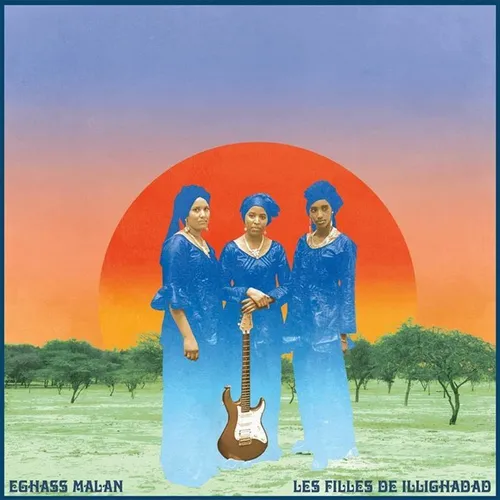
The new record of Fatou Seidi Ghali and Alamnou Akrouni – “Les Filles de Illighadad” – might be called “traditional music,” for lack of a better word. It’s that music that fills the day to day aspect, a constant familiar sound. It’s hard to talk about, because its corollarly so clearly does not exist in the industrial centers or the so-called “Western” world. It’s rural music. It’s village music. It’s music for when you don’t have electricity, immediate Youtube access to every recorded sound. It’s music that exists when performance trumps playback. The term village music or rural music might be better, as any claims to it’s authenticity or “traditionalist” elements would be work apart. In any case, every small village its performers, sometimes traveling about for local festivities (incidentally, I met Alamnou years prior, and only realized it when assembling the record). Such is the case with “Les Filles de Illighadad.” Fatou and Alamnou live in the aforementioned village, a tiny assemblance of mud houses thrown together in the scrubby Sahel of central Niger. I visit in the rainy season (previously), when the countryside is innaudated with still pools of water. Ghostly white egrets perch on half submerged trees, while in the distance tall camels slough there way through the muck. The latter, slow moving and giant, have something almost prehistoric about them in this context. I’m not used to seeing camels in a swamp. The desert is vibrant and green at this time of year, after the rains have parched the otherwise thirsty landscape. The desert here is cyclical, and follows a predictable schedule. Fatou plays an old blue guitar, chipped and dried, slightly bent. The extremes of weather are not easy on musical instruments. She plays a long session, moving seamlessly from one song to another, many covers of of Etran Finatawa whose music is renowned in this part of Niger. Fatou’s guitar playing is measured and calm, and while we record outside under the trees, it is music transformed by context and place. From the vantage of far away, from a computer screen, it is easy to imagine a singular Niger, even a singular Tuareg identity. But there are many lives and many ways of living. The village of Illighadad is a world apart from Agadez, from Niamey – both major cities in their own right, dense with people, noise, and the trappings of modernity. Fatou’s guitar speaks to a different pace. The days in Illighadad are long, and time is not measured by hours, meetings, or even by the muezzins prayer call – but by the suns passage, the movement of the animals, and the sound of the crickets. Manager/International booking : [email protected] EU booking and coordination : [email protected] Label Sahel Sounds : [email protected]
Mostrar más
Miembros de la banda:
Alamnou Akrouni, Madassane Ahmoudou, Fatou Seidi Ghali
Ciudad de Origen:
Fouinnza, Niger
No hay próximos espectáculos
Envía una solicitud a Les Filles de Illighadad para que dé un concierto en tu ciudad
Solicitar un espectáculo
Artistas similares de gira
Acerca De Les Filles de Illighadad
Les Filles de Illighadad
The new record of Fatou Seidi Ghali and Alamnou Akrouni – “Les Filles de Illighadad” – might be called “traditional music,” for lack of a better word. It’s that music that fills the day to day aspect, a constant familiar sound. It’s hard to talk about, because its corollarly so clearly does not exist in the industrial centers or the so-called “Western” world. It’s rural music. It’s village music. It’s music for when you don’t have electricity, immediate Youtube access to every recorded sound. It’s music that exists when performance trumps playback. The term village music or rural music might be better, as any claims to it’s authenticity or “traditionalist” elements would be work apart. In any case, every small village its performers, sometimes traveling about for local festivities (incidentally, I met Alamnou years prior, and only realized it when assembling the record). Such is the case with “Les Filles de Illighadad.” Fatou and Alamnou live in the aforementioned village, a tiny assemblance of mud houses thrown together in the scrubby Sahel of central Niger. I visit in the rainy season (previously), when the countryside is innaudated with still pools of water. Ghostly white egrets perch on half submerged trees, while in the distance tall camels slough there way through the muck. The latter, slow moving and giant, have something almost prehistoric about them in this context. I’m not used to seeing camels in a swamp. The desert is vibrant and green at this time of year, after the rains have parched the otherwise thirsty landscape. The desert here is cyclical, and follows a predictable schedule. Fatou plays an old blue guitar, chipped and dried, slightly bent. The extremes of weather are not easy on musical instruments. She plays a long session, moving seamlessly from one song to another, many covers of of Etran Finatawa whose music is renowned in this part of Niger. Fatou’s guitar playing is measured and calm, and while we record outside under the trees, it is music transformed by context and place. From the vantage of far away, from a computer screen, it is easy to imagine a singular Niger, even a singular Tuareg identity. But there are many lives and many ways of living. The village of Illighadad is a world apart from Agadez, from Niamey – both major cities in their own right, dense with people, noise, and the trappings of modernity. Fatou’s guitar speaks to a different pace. The days in Illighadad are long, and time is not measured by hours, meetings, or even by the muezzins prayer call – but by the suns passage, the movement of the animals, and the sound of the crickets. Manager/International booking : [email protected] EU booking and coordination : [email protected] Label Sahel Sounds : [email protected]
Mostrar más
Miembros de la banda:
Alamnou Akrouni, Madassane Ahmoudou, Fatou Seidi Ghali
Ciudad de Origen:
Fouinnza, Niger
Nunca te pierdas otro concierto de Les Filles de Illighadad.
Recibe alertas sobre anuncios de giras, entradas para concierto y espectáculos cerca de ti con una cuenta gratuita de Bandsintown.
Vive la experiencia total con la aplicación de Bandsintown.
