¡Tienes muy buen gusto!
Inicia sesión para seguir a tus artistas favoritos, guardar eventos y mucho más.
Encuentra fechas de giras y eventos de música en directo de tus grupos y artistas favoritos en tu ciudad. Recibe entradas para conciertos, noticias y confirmaciones de asistencia a conciertos con Bandsintown.

'%3e %3cpath d='M17.2 8.65233C17.2 3.87262 13.3508 0 8.6 0C3.84919 0 0 3.87262 0 8.65233C0 12.9785 3.12097 16.572 7.24758 17.2V11.1643H5.0629V8.65233H7.24758V6.76836C7.24758 4.60527 8.53065 3.38418 10.4726 3.38418C11.4435 3.38418 12.4145 3.55862 12.4145 3.55862V5.68682H11.3395C10.2645 5.68682 9.91774 6.3497 9.91774 7.04746V8.65233H12.3105L11.929 11.1643H9.91774V17.2C14.0444 16.572 17.2 12.9785 17.2 8.65233Z' fill='%236D6D6D'/%3e %3c/g%3e %3cdefs%3e %3cclipPath id='clip0_11991_110375'%3e %3crect width='17.2' height='17.2' fill='white'/%3e %3c/clipPath%3e %3c/defs%3e %3c/svg%3e)
'%3e %3cpath d='M13.546 0.716797H16.1835L10.4214 7.3954L17.2 16.4835H11.8924L7.73534 10.9716L2.97869 16.4835H0.339647L6.50272 9.33995L0 0.716797H5.44232L9.19996 5.75485L13.546 0.716797ZM12.6204 14.8825H14.0818L4.64822 2.23363H3.07994L12.6204 14.8825Z' fill='%236D6D6D'/%3e %3c/g%3e %3cdefs%3e %3cclipPath id='clip0_11991_110380'%3e %3crect width='17.2' height='17.2' fill='white'/%3e %3c/clipPath%3e %3c/defs%3e %3c/svg%3e)
'%3e %3cpath d='M8.6192 4.16563C6.16205 4.16563 4.20402 6.16205 4.20402 8.5808C4.20402 11.0379 6.16205 12.996 8.6192 12.996C11.0379 12.996 13.0344 11.0379 13.0344 8.5808C13.0344 6.16205 11.0379 4.16563 8.6192 4.16563ZM8.6192 11.4603C7.04509 11.4603 5.73973 10.1933 5.73973 8.5808C5.73973 7.0067 7.0067 5.73973 8.6192 5.73973C10.1933 5.73973 11.4603 7.0067 11.4603 8.5808C11.4603 10.1933 10.1933 11.4603 8.6192 11.4603ZM14.2246 4.01205C14.2246 4.58795 13.7638 5.04866 13.1879 5.04866C12.6121 5.04866 12.1513 4.58795 12.1513 4.01205C12.1513 3.43616 12.6121 2.97545 13.1879 2.97545C13.7638 2.97545 14.2246 3.43616 14.2246 4.01205ZM17.1424 5.04866C17.0656 3.66652 16.7585 2.43795 15.7603 1.43973C14.7621 0.441518 13.5335 0.134375 12.1513 0.0575893C10.7308 -0.0191964 6.4692 -0.0191964 5.04866 0.0575893C3.66652 0.134375 2.47634 0.441518 1.43973 1.43973C0.441518 2.43795 0.134375 3.66652 0.0575893 5.04866C-0.0191964 6.4692 -0.0191964 10.7308 0.0575893 12.1513C0.134375 13.5335 0.441518 14.7237 1.43973 15.7603C2.47634 16.7585 3.66652 17.0656 5.04866 17.1424C6.4692 17.2192 10.7308 17.2192 12.1513 17.1424C13.5335 17.0656 14.7621 16.7585 15.7603 15.7603C16.7585 14.7237 17.0656 13.5335 17.1424 12.1513C17.2192 10.7308 17.2192 6.4692 17.1424 5.04866ZM15.2996 13.6487C15.0308 14.4165 14.4165 14.9924 13.6871 15.2996C12.5353 15.7603 9.84777 15.6451 8.6192 15.6451C7.35223 15.6451 4.66473 15.7603 3.55134 15.2996C2.78348 14.9924 2.20759 14.4165 1.90045 13.6487C1.43973 12.5353 1.55491 9.84777 1.55491 8.5808C1.55491 7.35223 1.43973 4.66473 1.90045 3.51295C2.20759 2.78348 2.78348 2.20759 3.55134 1.90045C4.66473 1.43973 7.35223 1.55491 8.6192 1.55491C9.84777 1.55491 12.5353 1.43973 13.6871 1.90045C14.4165 2.1692 14.9924 2.78348 15.2996 3.51295C15.7603 4.66473 15.6451 7.35223 15.6451 8.5808C15.6451 9.84777 15.7603 12.5353 15.2996 13.6487Z' fill='%236D6D6D'/%3e %3c/g%3e %3cdefs%3e %3cclipPath id='clip0_11991_110387'%3e %3crect width='17.2' height='17.2' fill='white'/%3e %3c/clipPath%3e %3c/defs%3e %3c/svg%3e)


artista
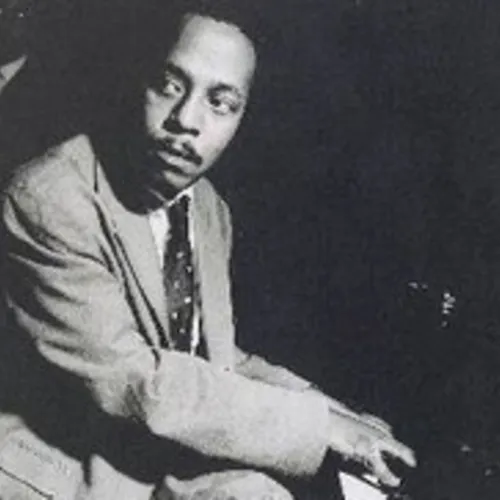
Bud Powell
23,1 mil Seguidores
No hay próximos espectáculos
Envía una solicitud a Bud Powell para que dé un concierto en tu ciudad
Solicitar un espectáculo
Artistas similares de gira
Artículos de promoción de Bud Powell

Amazing Bud Powell, Vol. 1 Blue Note Classic Series
$26.09

Time Waits: The Amazing Bud Powell (Blue Note Classic Vinyl Series)[LP]
$26.92

The Amazing Bud Powell
$59.99
 Ver Todo
Espectáculos anteriores
Nunca te pierdas otro concierto de Bud Powell.
Recibe alertas sobre anuncios de giras, entradas para concierto y espectáculos cerca de ti con una cuenta gratuita de Bandsintown.
Acerca De Bud Powell
Bud Powell
Earl Rudolph "Bud" Powell (September 27, 1924 – July 31, 1966) was one of the most influential pianists in the history of jazz. Along with Charlie Parker and Dizzy Gillespie he was instrumental in the development of bebop, and his virtuosity as a pianist led many to call him "the Charlie Parker of the piano".
In November 1947, Powell was admitted to Creedmoor Psychiatric Center, where he stayed for more than a year, receiving electroconvulsive therapy which caused severe memory loss. The young Jackie McLean and Sonny Rollins became friendly with Powell on his release from the hospital, and Powell recommended McLean to Miles Davis. Powell suffered from mental illness throughout his life, possibly triggered by a beating by the police in 1945 after disorderly behavior. (Although he had a prior reputation for strange behaviour, the beating certainly exacerbated his problems.) He was also an alcoholic, and even small quantities of alcohol had a profound effect on his character, making him aggressive. Powell's continued rivalry with Charlie Parker, while essential to the production of brilliant music, was also the subject of disruptive feuding and bitterness on the bandstand, as a result of Powell's troubled mental and physical condition. He spent all of 1952 (and parts of many subsequent years) in a hospital. When he was out of the hospital, he was often locked up in a hotel room and was usually denied receiving the money he earned performing.
It is generally agreed that his best recordings are those made prior to 1954, both for Blue Note Records and for Norman Granz (at Mercury Records, Norgran Records, Clef Records and later on Verve Records).
After 1953 (when Powell attempted suicide), his style became darker and slower. Many jazz critics pronounced him "washed up" during the last decade of his career. There were a few recordings which never should have been issued (Verve from January 1955 and Roulette Oct. 1964). Still, he continued to play with great intensity even without the speed that made him famous in the 1940s. His late 1950s Blue Note recordings are recommended. Bud performed regularly with drummer Kenny Clarke and bassists Oscar Pettiford or Pierre Michelot. He performed brilliantly as a sideman for Coleman Hawkins, Dizzy Gillespie, and Dexter Gordon on recordings in the early 1960s. As late as 1962 he recorded concerts in Lausanne and Geneva, Switzerland, in which he played as brilliantly as he had played in the late 1940s. Powell moved to France in 1959, when his life was extended by several years under the care of a fan named Francis Paudras, whose book "Dance of the Infidels" is required reading for any Powell fan. Paudras' friendship produced many impromptu recordings and was the basis for the 1987 Bernard Tavenier film "Round Midnight", for which Dexter Gordon received a best actor Oscar nomination (as a fictional composite of Bud Powell and Lester Young).
Paudras and Powell returned to Birdland in the fall of 1964 to initial critical acclaim. Bud despised the drummer he had to play with and soon lost his regular engagement at Birdland. After Paudras returned to France without Powell, Esp-Disk's founder became Bud's legal guardian, but let Bud self-destruct from late 1964 until his death in July, 1966. Bud's last recordings were a haunting, sparse "Round Midnight" from Carnegie Hall in March 1965 and other trio tracks from January 1966 on the mysterious "Ups 'n Downs" album.
He is survived by his daughter Celia, who has been reissuing Paudras' recordings of her father on the Pablo and Piadrum labels.
In November 1947, Powell was admitted to Creedmoor Psychiatric Center, where he stayed for more than a year, receiving electroconvulsive therapy which caused severe memory loss. The young Jackie McLean and Sonny Rollins became friendly with Powell on his release from the hospital, and Powell recommended McLean to Miles Davis. Powell suffered from mental illness throughout his life, possibly triggered by a beating by the police in 1945 after disorderly behavior. (Although he had a prior reputation for strange behaviour, the beating certainly exacerbated his problems.) He was also an alcoholic, and even small quantities of alcohol had a profound effect on his character, making him aggressive. Powell's continued rivalry with Charlie Parker, while essential to the production of brilliant music, was also the subject of disruptive feuding and bitterness on the bandstand, as a result of Powell's troubled mental and physical condition. He spent all of 1952 (and parts of many subsequent years) in a hospital. When he was out of the hospital, he was often locked up in a hotel room and was usually denied receiving the money he earned performing.
It is generally agreed that his best recordings are those made prior to 1954, both for Blue Note Records and for Norman Granz (at Mercury Records, Norgran Records, Clef Records and later on Verve Records).
After 1953 (when Powell attempted suicide), his style became darker and slower. Many jazz critics pronounced him "washed up" during the last decade of his career. There were a few recordings which never should have been issued (Verve from January 1955 and Roulette Oct. 1964). Still, he continued to play with great intensity even without the speed that made him famous in the 1940s. His late 1950s Blue Note recordings are recommended. Bud performed regularly with drummer Kenny Clarke and bassists Oscar Pettiford or Pierre Michelot. He performed brilliantly as a sideman for Coleman Hawkins, Dizzy Gillespie, and Dexter Gordon on recordings in the early 1960s. As late as 1962 he recorded concerts in Lausanne and Geneva, Switzerland, in which he played as brilliantly as he had played in the late 1940s. Powell moved to France in 1959, when his life was extended by several years under the care of a fan named Francis Paudras, whose book "Dance of the Infidels" is required reading for any Powell fan. Paudras' friendship produced many impromptu recordings and was the basis for the 1987 Bernard Tavenier film "Round Midnight", for which Dexter Gordon received a best actor Oscar nomination (as a fictional composite of Bud Powell and Lester Young).
Paudras and Powell returned to Birdland in the fall of 1964 to initial critical acclaim. Bud despised the drummer he had to play with and soon lost his regular engagement at Birdland. After Paudras returned to France without Powell, Esp-Disk's founder became Bud's legal guardian, but let Bud self-destruct from late 1964 until his death in July, 1966. Bud's last recordings were a haunting, sparse "Round Midnight" from Carnegie Hall in March 1965 and other trio tracks from January 1966 on the mysterious "Ups 'n Downs" album.
He is survived by his daughter Celia, who has been reissuing Paudras' recordings of her father on the Pablo and Piadrum labels.
Mostrar más
Géneros:
Jazz
No hay próximos espectáculos
Envía una solicitud a Bud Powell para que dé un concierto en tu ciudad
Solicitar un espectáculo
Artistas similares de gira
Artículos de promoción de Bud Powell
Amazing Bud Powell, Vol. 1 Blue Note Classic Series
$26.09
Time Waits: The Amazing Bud Powell (Blue Note Classic Vinyl Series)[LP]
$26.92
The Amazing Bud Powell
$59.99
Ver TodoEspectáculos anteriores
Acerca De Bud Powell
Bud Powell
Earl Rudolph "Bud" Powell (September 27, 1924 – July 31, 1966) was one of the most influential pianists in the history of jazz. Along with Charlie Parker and Dizzy Gillespie he was instrumental in the development of bebop, and his virtuosity as a pianist led many to call him "the Charlie Parker of the piano".
In November 1947, Powell was admitted to Creedmoor Psychiatric Center, where he stayed for more than a year, receiving electroconvulsive therapy which caused severe memory loss. The young Jackie McLean and Sonny Rollins became friendly with Powell on his release from the hospital, and Powell recommended McLean to Miles Davis. Powell suffered from mental illness throughout his life, possibly triggered by a beating by the police in 1945 after disorderly behavior. (Although he had a prior reputation for strange behaviour, the beating certainly exacerbated his problems.) He was also an alcoholic, and even small quantities of alcohol had a profound effect on his character, making him aggressive. Powell's continued rivalry with Charlie Parker, while essential to the production of brilliant music, was also the subject of disruptive feuding and bitterness on the bandstand, as a result of Powell's troubled mental and physical condition. He spent all of 1952 (and parts of many subsequent years) in a hospital. When he was out of the hospital, he was often locked up in a hotel room and was usually denied receiving the money he earned performing.
It is generally agreed that his best recordings are those made prior to 1954, both for Blue Note Records and for Norman Granz (at Mercury Records, Norgran Records, Clef Records and later on Verve Records).
After 1953 (when Powell attempted suicide), his style became darker and slower. Many jazz critics pronounced him "washed up" during the last decade of his career. There were a few recordings which never should have been issued (Verve from January 1955 and Roulette Oct. 1964). Still, he continued to play with great intensity even without the speed that made him famous in the 1940s. His late 1950s Blue Note recordings are recommended. Bud performed regularly with drummer Kenny Clarke and bassists Oscar Pettiford or Pierre Michelot. He performed brilliantly as a sideman for Coleman Hawkins, Dizzy Gillespie, and Dexter Gordon on recordings in the early 1960s. As late as 1962 he recorded concerts in Lausanne and Geneva, Switzerland, in which he played as brilliantly as he had played in the late 1940s. Powell moved to France in 1959, when his life was extended by several years under the care of a fan named Francis Paudras, whose book "Dance of the Infidels" is required reading for any Powell fan. Paudras' friendship produced many impromptu recordings and was the basis for the 1987 Bernard Tavenier film "Round Midnight", for which Dexter Gordon received a best actor Oscar nomination (as a fictional composite of Bud Powell and Lester Young).
Paudras and Powell returned to Birdland in the fall of 1964 to initial critical acclaim. Bud despised the drummer he had to play with and soon lost his regular engagement at Birdland. After Paudras returned to France without Powell, Esp-Disk's founder became Bud's legal guardian, but let Bud self-destruct from late 1964 until his death in July, 1966. Bud's last recordings were a haunting, sparse "Round Midnight" from Carnegie Hall in March 1965 and other trio tracks from January 1966 on the mysterious "Ups 'n Downs" album.
He is survived by his daughter Celia, who has been reissuing Paudras' recordings of her father on the Pablo and Piadrum labels.
In November 1947, Powell was admitted to Creedmoor Psychiatric Center, where he stayed for more than a year, receiving electroconvulsive therapy which caused severe memory loss. The young Jackie McLean and Sonny Rollins became friendly with Powell on his release from the hospital, and Powell recommended McLean to Miles Davis. Powell suffered from mental illness throughout his life, possibly triggered by a beating by the police in 1945 after disorderly behavior. (Although he had a prior reputation for strange behaviour, the beating certainly exacerbated his problems.) He was also an alcoholic, and even small quantities of alcohol had a profound effect on his character, making him aggressive. Powell's continued rivalry with Charlie Parker, while essential to the production of brilliant music, was also the subject of disruptive feuding and bitterness on the bandstand, as a result of Powell's troubled mental and physical condition. He spent all of 1952 (and parts of many subsequent years) in a hospital. When he was out of the hospital, he was often locked up in a hotel room and was usually denied receiving the money he earned performing.
It is generally agreed that his best recordings are those made prior to 1954, both for Blue Note Records and for Norman Granz (at Mercury Records, Norgran Records, Clef Records and later on Verve Records).
After 1953 (when Powell attempted suicide), his style became darker and slower. Many jazz critics pronounced him "washed up" during the last decade of his career. There were a few recordings which never should have been issued (Verve from January 1955 and Roulette Oct. 1964). Still, he continued to play with great intensity even without the speed that made him famous in the 1940s. His late 1950s Blue Note recordings are recommended. Bud performed regularly with drummer Kenny Clarke and bassists Oscar Pettiford or Pierre Michelot. He performed brilliantly as a sideman for Coleman Hawkins, Dizzy Gillespie, and Dexter Gordon on recordings in the early 1960s. As late as 1962 he recorded concerts in Lausanne and Geneva, Switzerland, in which he played as brilliantly as he had played in the late 1940s. Powell moved to France in 1959, when his life was extended by several years under the care of a fan named Francis Paudras, whose book "Dance of the Infidels" is required reading for any Powell fan. Paudras' friendship produced many impromptu recordings and was the basis for the 1987 Bernard Tavenier film "Round Midnight", for which Dexter Gordon received a best actor Oscar nomination (as a fictional composite of Bud Powell and Lester Young).
Paudras and Powell returned to Birdland in the fall of 1964 to initial critical acclaim. Bud despised the drummer he had to play with and soon lost his regular engagement at Birdland. After Paudras returned to France without Powell, Esp-Disk's founder became Bud's legal guardian, but let Bud self-destruct from late 1964 until his death in July, 1966. Bud's last recordings were a haunting, sparse "Round Midnight" from Carnegie Hall in March 1965 and other trio tracks from January 1966 on the mysterious "Ups 'n Downs" album.
He is survived by his daughter Celia, who has been reissuing Paudras' recordings of her father on the Pablo and Piadrum labels.
Mostrar más
Géneros:
Jazz
Nunca te pierdas otro concierto de Bud Powell.
Recibe alertas sobre anuncios de giras, entradas para concierto y espectáculos cerca de ti con una cuenta gratuita de Bandsintown.
Vive la experiencia total con la aplicación de Bandsintown.
