¡Tienes muy buen gusto!
Inicia sesión para seguir a tus artistas favoritos, guardar eventos y mucho más.

'%3e %3cpath d='M17.2 8.65233C17.2 3.87262 13.3508 0 8.6 0C3.84919 0 0 3.87262 0 8.65233C0 12.9785 3.12097 16.572 7.24758 17.2V11.1643H5.0629V8.65233H7.24758V6.76836C7.24758 4.60527 8.53065 3.38418 10.4726 3.38418C11.4435 3.38418 12.4145 3.55862 12.4145 3.55862V5.68682H11.3395C10.2645 5.68682 9.91774 6.3497 9.91774 7.04746V8.65233H12.3105L11.929 11.1643H9.91774V17.2C14.0444 16.572 17.2 12.9785 17.2 8.65233Z' fill='%236D6D6D'/%3e %3c/g%3e %3cdefs%3e %3cclipPath id='clip0_11991_110375'%3e %3crect width='17.2' height='17.2' fill='white'/%3e %3c/clipPath%3e %3c/defs%3e %3c/svg%3e)
'%3e %3cpath d='M13.546 0.716797H16.1835L10.4214 7.3954L17.2 16.4835H11.8924L7.73534 10.9716L2.97869 16.4835H0.339647L6.50272 9.33995L0 0.716797H5.44232L9.19996 5.75485L13.546 0.716797ZM12.6204 14.8825H14.0818L4.64822 2.23363H3.07994L12.6204 14.8825Z' fill='%236D6D6D'/%3e %3c/g%3e %3cdefs%3e %3cclipPath id='clip0_11991_110380'%3e %3crect width='17.2' height='17.2' fill='white'/%3e %3c/clipPath%3e %3c/defs%3e %3c/svg%3e)
'%3e %3cpath d='M8.6192 4.16563C6.16205 4.16563 4.20402 6.16205 4.20402 8.5808C4.20402 11.0379 6.16205 12.996 8.6192 12.996C11.0379 12.996 13.0344 11.0379 13.0344 8.5808C13.0344 6.16205 11.0379 4.16563 8.6192 4.16563ZM8.6192 11.4603C7.04509 11.4603 5.73973 10.1933 5.73973 8.5808C5.73973 7.0067 7.0067 5.73973 8.6192 5.73973C10.1933 5.73973 11.4603 7.0067 11.4603 8.5808C11.4603 10.1933 10.1933 11.4603 8.6192 11.4603ZM14.2246 4.01205C14.2246 4.58795 13.7638 5.04866 13.1879 5.04866C12.6121 5.04866 12.1513 4.58795 12.1513 4.01205C12.1513 3.43616 12.6121 2.97545 13.1879 2.97545C13.7638 2.97545 14.2246 3.43616 14.2246 4.01205ZM17.1424 5.04866C17.0656 3.66652 16.7585 2.43795 15.7603 1.43973C14.7621 0.441518 13.5335 0.134375 12.1513 0.0575893C10.7308 -0.0191964 6.4692 -0.0191964 5.04866 0.0575893C3.66652 0.134375 2.47634 0.441518 1.43973 1.43973C0.441518 2.43795 0.134375 3.66652 0.0575893 5.04866C-0.0191964 6.4692 -0.0191964 10.7308 0.0575893 12.1513C0.134375 13.5335 0.441518 14.7237 1.43973 15.7603C2.47634 16.7585 3.66652 17.0656 5.04866 17.1424C6.4692 17.2192 10.7308 17.2192 12.1513 17.1424C13.5335 17.0656 14.7621 16.7585 15.7603 15.7603C16.7585 14.7237 17.0656 13.5335 17.1424 12.1513C17.2192 10.7308 17.2192 6.4692 17.1424 5.04866ZM15.2996 13.6487C15.0308 14.4165 14.4165 14.9924 13.6871 15.2996C12.5353 15.7603 9.84777 15.6451 8.6192 15.6451C7.35223 15.6451 4.66473 15.7603 3.55134 15.2996C2.78348 14.9924 2.20759 14.4165 1.90045 13.6487C1.43973 12.5353 1.55491 9.84777 1.55491 8.5808C1.55491 7.35223 1.43973 4.66473 1.90045 3.51295C2.20759 2.78348 2.78348 2.20759 3.55134 1.90045C4.66473 1.43973 7.35223 1.55491 8.6192 1.55491C9.84777 1.55491 12.5353 1.43973 13.6871 1.90045C14.4165 2.1692 14.9924 2.78348 15.2996 3.51295C15.7603 4.66473 15.6451 7.35223 15.6451 8.5808C15.6451 9.84777 15.7603 12.5353 15.2996 13.6487Z' fill='%236D6D6D'/%3e %3c/g%3e %3cdefs%3e %3cclipPath id='clip0_11991_110387'%3e %3crect width='17.2' height='17.2' fill='white'/%3e %3c/clipPath%3e %3c/defs%3e %3c/svg%3e)


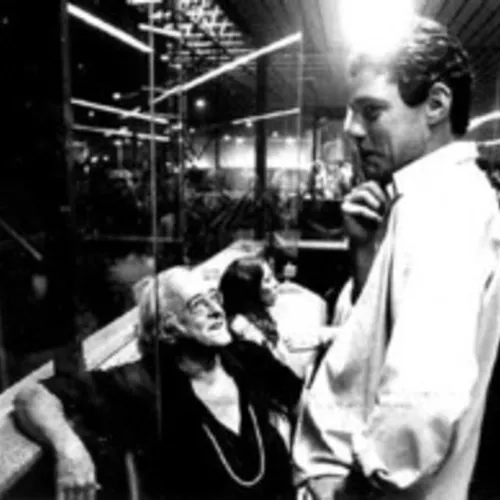
artista
Chico Buarque
160 mil Seguidores
No hay próximos espectáculos
Envía una solicitud a Chico Buarque para que dé un concierto en tu ciudad
Solicitar un espectáculo
Artistas similares de gira
Nunca te pierdas otro concierto de Chico Buarque.
Recibe alertas sobre anuncios de giras, entradas para concierto y espectáculos cerca de ti con una cuenta gratuita de Bandsintown.
Acerca De Chico Buarque
Chico Buarque
Chico Buarque (full name: Francisco Buarque de Hollanda; born June 19, 1944 in Rio de Janeiro) is a Brazilian singer, composer, dramatist and writer. He is best known for his music, which often comments on Brazil's social, economic and cultural reality.
Chico came from a both intellectual and privileged family background: his father Sérgio Buarque de Hollanda was a well-known historian and sociologist, and the first name of his lexicographer uncle Aurélio Buarque de Hollanda is as strongly associated with Brazilian Portuguese dictionaries as the name Webster is with American ones. A studious child with a precocious interest in music and writing, Chico was heavily impressed by bossa nova, and specifically, by the work of João Gilberto.
Chico made his public debut as musician and composer in 1964, rapidly building his reputation at music festivals and television variety shows. His self-titled debut album exemplified the work to come, with catchy sambas characterized by inventive wordplay and an undercurrent of nostalgic tragedy.
Chico's increasing political activity against the Brazilian military dictatorship resulted in his arrest in 1968, and eventual self-exile to Italy in 1969. Other important musicians like Caetano Veloso and Gilberto Gil experienced the same. Chico returned to Brazil in 1970, using his fame and song-writing skills to protest against the dictatorship. At this time his lightly-veiled protest single Apesar de você (Despite you) somehow passed by the gaze of military censors, becoming the democracy movement's anthem. After selling over 100,000 copies, the single was eventually repressed, and all copies were removed from the market. Despite the censorship, songs such as Samba de Orly (Samba of Orly; 1970), Acorda amor (Wake Up, Darling; 1974), and Vai passar (It Will Pass; 1983) made Chico's continuing opposition blatant.
During the 1970s and 1980s, Chico collaborated with filmmakers, playwriters, and musicians in further protest works against the dictatorship.
In 1998, the carnival samba school Mangueira took Chico as its annual theme, winning first prize.
His latest book, Budapeste, achieved great critical acclaim and won the Prêmio Jabuti, a Brazilian literary award similar to The Booker Prize Award.
Chico came from a both intellectual and privileged family background: his father Sérgio Buarque de Hollanda was a well-known historian and sociologist, and the first name of his lexicographer uncle Aurélio Buarque de Hollanda is as strongly associated with Brazilian Portuguese dictionaries as the name Webster is with American ones. A studious child with a precocious interest in music and writing, Chico was heavily impressed by bossa nova, and specifically, by the work of João Gilberto.
Chico made his public debut as musician and composer in 1964, rapidly building his reputation at music festivals and television variety shows. His self-titled debut album exemplified the work to come, with catchy sambas characterized by inventive wordplay and an undercurrent of nostalgic tragedy.
Chico's increasing political activity against the Brazilian military dictatorship resulted in his arrest in 1968, and eventual self-exile to Italy in 1969. Other important musicians like Caetano Veloso and Gilberto Gil experienced the same. Chico returned to Brazil in 1970, using his fame and song-writing skills to protest against the dictatorship. At this time his lightly-veiled protest single Apesar de você (Despite you) somehow passed by the gaze of military censors, becoming the democracy movement's anthem. After selling over 100,000 copies, the single was eventually repressed, and all copies were removed from the market. Despite the censorship, songs such as Samba de Orly (Samba of Orly; 1970), Acorda amor (Wake Up, Darling; 1974), and Vai passar (It Will Pass; 1983) made Chico's continuing opposition blatant.
During the 1970s and 1980s, Chico collaborated with filmmakers, playwriters, and musicians in further protest works against the dictatorship.
In 1998, the carnival samba school Mangueira took Chico as its annual theme, winning first prize.
His latest book, Budapeste, achieved great critical acclaim and won the Prêmio Jabuti, a Brazilian literary award similar to The Booker Prize Award.
Mostrar más
No hay próximos espectáculos
Envía una solicitud a Chico Buarque para que dé un concierto en tu ciudad
Solicitar un espectáculo
Artistas similares de gira
Acerca De Chico Buarque
Chico Buarque
Chico Buarque (full name: Francisco Buarque de Hollanda; born June 19, 1944 in Rio de Janeiro) is a Brazilian singer, composer, dramatist and writer. He is best known for his music, which often comments on Brazil's social, economic and cultural reality.
Chico came from a both intellectual and privileged family background: his father Sérgio Buarque de Hollanda was a well-known historian and sociologist, and the first name of his lexicographer uncle Aurélio Buarque de Hollanda is as strongly associated with Brazilian Portuguese dictionaries as the name Webster is with American ones. A studious child with a precocious interest in music and writing, Chico was heavily impressed by bossa nova, and specifically, by the work of João Gilberto.
Chico made his public debut as musician and composer in 1964, rapidly building his reputation at music festivals and television variety shows. His self-titled debut album exemplified the work to come, with catchy sambas characterized by inventive wordplay and an undercurrent of nostalgic tragedy.
Chico's increasing political activity against the Brazilian military dictatorship resulted in his arrest in 1968, and eventual self-exile to Italy in 1969. Other important musicians like Caetano Veloso and Gilberto Gil experienced the same. Chico returned to Brazil in 1970, using his fame and song-writing skills to protest against the dictatorship. At this time his lightly-veiled protest single Apesar de você (Despite you) somehow passed by the gaze of military censors, becoming the democracy movement's anthem. After selling over 100,000 copies, the single was eventually repressed, and all copies were removed from the market. Despite the censorship, songs such as Samba de Orly (Samba of Orly; 1970), Acorda amor (Wake Up, Darling; 1974), and Vai passar (It Will Pass; 1983) made Chico's continuing opposition blatant.
During the 1970s and 1980s, Chico collaborated with filmmakers, playwriters, and musicians in further protest works against the dictatorship.
In 1998, the carnival samba school Mangueira took Chico as its annual theme, winning first prize.
His latest book, Budapeste, achieved great critical acclaim and won the Prêmio Jabuti, a Brazilian literary award similar to The Booker Prize Award.
Chico came from a both intellectual and privileged family background: his father Sérgio Buarque de Hollanda was a well-known historian and sociologist, and the first name of his lexicographer uncle Aurélio Buarque de Hollanda is as strongly associated with Brazilian Portuguese dictionaries as the name Webster is with American ones. A studious child with a precocious interest in music and writing, Chico was heavily impressed by bossa nova, and specifically, by the work of João Gilberto.
Chico made his public debut as musician and composer in 1964, rapidly building his reputation at music festivals and television variety shows. His self-titled debut album exemplified the work to come, with catchy sambas characterized by inventive wordplay and an undercurrent of nostalgic tragedy.
Chico's increasing political activity against the Brazilian military dictatorship resulted in his arrest in 1968, and eventual self-exile to Italy in 1969. Other important musicians like Caetano Veloso and Gilberto Gil experienced the same. Chico returned to Brazil in 1970, using his fame and song-writing skills to protest against the dictatorship. At this time his lightly-veiled protest single Apesar de você (Despite you) somehow passed by the gaze of military censors, becoming the democracy movement's anthem. After selling over 100,000 copies, the single was eventually repressed, and all copies were removed from the market. Despite the censorship, songs such as Samba de Orly (Samba of Orly; 1970), Acorda amor (Wake Up, Darling; 1974), and Vai passar (It Will Pass; 1983) made Chico's continuing opposition blatant.
During the 1970s and 1980s, Chico collaborated with filmmakers, playwriters, and musicians in further protest works against the dictatorship.
In 1998, the carnival samba school Mangueira took Chico as its annual theme, winning first prize.
His latest book, Budapeste, achieved great critical acclaim and won the Prêmio Jabuti, a Brazilian literary award similar to The Booker Prize Award.
Mostrar más
Nunca te pierdas otro concierto de Chico Buarque.
Recibe alertas sobre anuncios de giras, entradas para concierto y espectáculos cerca de ti con una cuenta gratuita de Bandsintown.
Vive la experiencia total con la aplicación de Bandsintown.

Lo que dicen los fans
Só faltou Cotidiano, Construção e Deus lhe pague
26 de marzo de 2018·Sao Paulo, Brazil

Priscila
Lo que dicen los fans
Só faltou Cotidiano, Construção e Deus lhe pague
26 de marzo de 2018·Sao Paulo, Brazil
Priscila