You’ve got great taste!
Log in to follow your favorite artists, save events, & more.

'%3e %3cpath d='M17.2 8.65233C17.2 3.87262 13.3508 0 8.6 0C3.84919 0 0 3.87262 0 8.65233C0 12.9785 3.12097 16.572 7.24758 17.2V11.1643H5.0629V8.65233H7.24758V6.76836C7.24758 4.60527 8.53065 3.38418 10.4726 3.38418C11.4435 3.38418 12.4145 3.55862 12.4145 3.55862V5.68682H11.3395C10.2645 5.68682 9.91774 6.3497 9.91774 7.04746V8.65233H12.3105L11.929 11.1643H9.91774V17.2C14.0444 16.572 17.2 12.9785 17.2 8.65233Z' fill='%236D6D6D'/%3e %3c/g%3e %3cdefs%3e %3cclipPath id='clip0_11991_110375'%3e %3crect width='17.2' height='17.2' fill='white'/%3e %3c/clipPath%3e %3c/defs%3e %3c/svg%3e)
'%3e %3cpath d='M13.546 0.716797H16.1835L10.4214 7.3954L17.2 16.4835H11.8924L7.73534 10.9716L2.97869 16.4835H0.339647L6.50272 9.33995L0 0.716797H5.44232L9.19996 5.75485L13.546 0.716797ZM12.6204 14.8825H14.0818L4.64822 2.23363H3.07994L12.6204 14.8825Z' fill='%236D6D6D'/%3e %3c/g%3e %3cdefs%3e %3cclipPath id='clip0_11991_110380'%3e %3crect width='17.2' height='17.2' fill='white'/%3e %3c/clipPath%3e %3c/defs%3e %3c/svg%3e)
'%3e %3cpath d='M8.6192 4.16563C6.16205 4.16563 4.20402 6.16205 4.20402 8.5808C4.20402 11.0379 6.16205 12.996 8.6192 12.996C11.0379 12.996 13.0344 11.0379 13.0344 8.5808C13.0344 6.16205 11.0379 4.16563 8.6192 4.16563ZM8.6192 11.4603C7.04509 11.4603 5.73973 10.1933 5.73973 8.5808C5.73973 7.0067 7.0067 5.73973 8.6192 5.73973C10.1933 5.73973 11.4603 7.0067 11.4603 8.5808C11.4603 10.1933 10.1933 11.4603 8.6192 11.4603ZM14.2246 4.01205C14.2246 4.58795 13.7638 5.04866 13.1879 5.04866C12.6121 5.04866 12.1513 4.58795 12.1513 4.01205C12.1513 3.43616 12.6121 2.97545 13.1879 2.97545C13.7638 2.97545 14.2246 3.43616 14.2246 4.01205ZM17.1424 5.04866C17.0656 3.66652 16.7585 2.43795 15.7603 1.43973C14.7621 0.441518 13.5335 0.134375 12.1513 0.0575893C10.7308 -0.0191964 6.4692 -0.0191964 5.04866 0.0575893C3.66652 0.134375 2.47634 0.441518 1.43973 1.43973C0.441518 2.43795 0.134375 3.66652 0.0575893 5.04866C-0.0191964 6.4692 -0.0191964 10.7308 0.0575893 12.1513C0.134375 13.5335 0.441518 14.7237 1.43973 15.7603C2.47634 16.7585 3.66652 17.0656 5.04866 17.1424C6.4692 17.2192 10.7308 17.2192 12.1513 17.1424C13.5335 17.0656 14.7621 16.7585 15.7603 15.7603C16.7585 14.7237 17.0656 13.5335 17.1424 12.1513C17.2192 10.7308 17.2192 6.4692 17.1424 5.04866ZM15.2996 13.6487C15.0308 14.4165 14.4165 14.9924 13.6871 15.2996C12.5353 15.7603 9.84777 15.6451 8.6192 15.6451C7.35223 15.6451 4.66473 15.7603 3.55134 15.2996C2.78348 14.9924 2.20759 14.4165 1.90045 13.6487C1.43973 12.5353 1.55491 9.84777 1.55491 8.5808C1.55491 7.35223 1.43973 4.66473 1.90045 3.51295C2.20759 2.78348 2.78348 2.20759 3.55134 1.90045C4.66473 1.43973 7.35223 1.55491 8.6192 1.55491C9.84777 1.55491 12.5353 1.43973 13.6871 1.90045C14.4165 2.1692 14.9924 2.78348 15.2996 3.51295C15.7603 4.66473 15.6451 7.35223 15.6451 8.5808C15.6451 9.84777 15.7603 12.5353 15.2996 13.6487Z' fill='%236D6D6D'/%3e %3c/g%3e %3cdefs%3e %3cclipPath id='clip0_11991_110387'%3e %3crect width='17.2' height='17.2' fill='white'/%3e %3c/clipPath%3e %3c/defs%3e %3c/svg%3e)


Concert
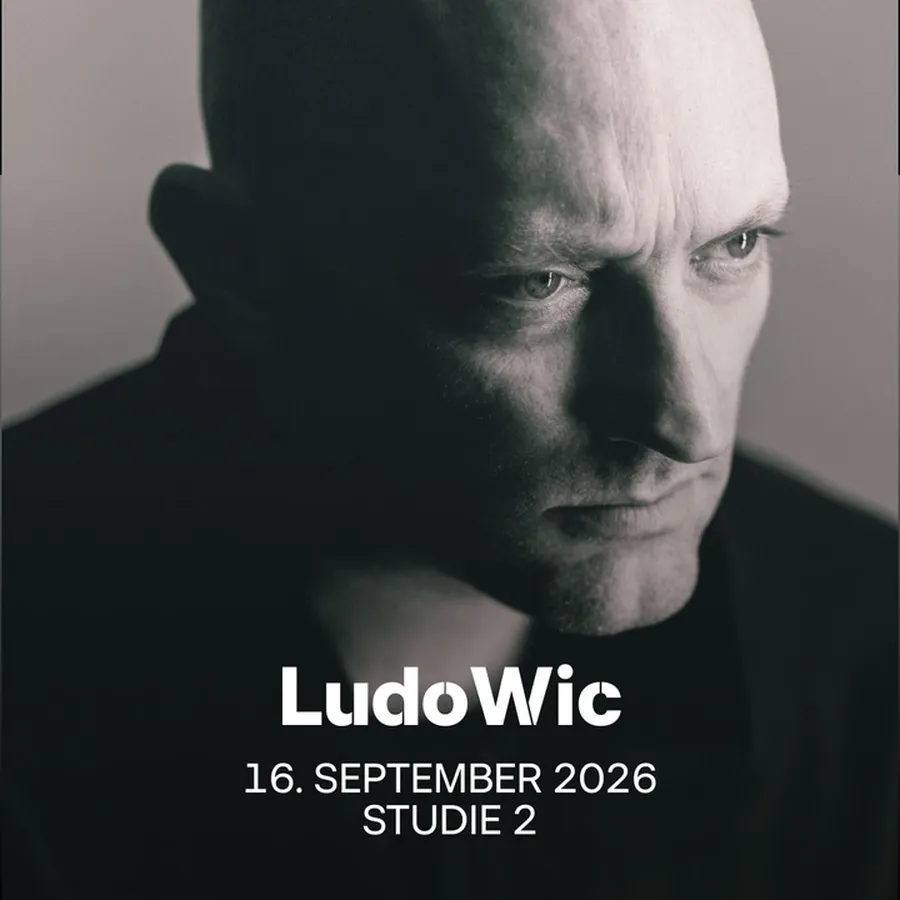
LudoWic
Wed, Sep 16, 2026
8:00 PM GMT+2
Get Reminder

Find a place to stay
Easily follow your favorite artists by syncing your music.
Get Started

Artist bio
Matheus Lodewijk (1973), known as LudoWic, is a Dutch musician, composer and
multidisciplinary artist whose work moves between experimental electronics,
forgotten instruments and spatial sound. Born in Venlo and raised in Dongen, he
grew up in an environment where music and visual expression naturally
coexisted. His father’s musicianship and his mother’s visual sensitivity continue to
shape the way he approaches sound today — not only as something to hear, but
as something physical, tactile and deeply connected to memory.
After being accepted into both art school and the conservatory, Lodewijk chose
to study music at Codarts Conservatory in Rotterdam. Although visual art has
remained present throughout his work, music gradually became the central
language through which he explores emotion, time and perception.
Under the moniker LudoWic, he developed a distinctive sonic world built around
aging synthesizers, tape machines, resonator speakers and forgotten electronic
instruments whose instability and unpredictability became essential parts of the
creative process. His music often balances fragile intimacy with overwhelming
physicality, combining nostalgic textures with a cinematic sense of space and
movement.
Alongside his solo work, Lodewijk has written and produced music for artists
including Wende, Sevdaliza and Santan Dave, and composed music for the
acclaimed indie video game Katana ZERO. His background in visual art and
spatial thinking continues to subtly influence both his compositions and live
performances, where sound is approached as something sculptural and physical
rather than purely musical.
International recognition expanded significantly with the release of SUPER8
MEMORY in 2024, an album centered around the Trautonium — one of the
earliest electronic instruments ever created, developed in 1929. Rather than
treating the instrument as a historical artifact, LudoWic approached it as
something alive and emotionally immediate. The album introduced the sound of
the Trautonium to a new international audience and earned praise from artists
including Pete Townshend, Ólafur Arnalds, Joep Beving, Patrick Watson and
SYML.
His latest work, Nunc Stans, marks a further evolution of that sonic universe.
Created during four months of near-total isolation, the album reflects on
impermanence, memory and the experience of time itself. Alongside the
Trautonium, LudoWic brings the Ondes Martenot into his work — another rare
early electronic instrument whose voice carries both fragility and intensity. While
both instruments emerged during the early development of electronic music in
the twentieth century, they have rarely been brought together this explicitly
within a contemporary musical context.
This physical and emotional immediacy continues into LudoWic’s live
performances. Surrounded by an intricate landscape of analog instruments,
cables, resonator speakers and tape echoes, every sound is created and
manipulated in real time. Rather than hiding the process behind screens or
abstraction, the performances place the act of sound creation fully in view,
allowing audiences to experience not only the music itself, but also the gestures,
imperfections and interactions that shape it in the moment.
LudoWic has performed at venues and festivals including Het Concertgebouw,
Funkhaus Berlin, Eye Filmmuseum, ADE and Artonov Festival, and will tour
internationally throughout Germany, Denmark, Belgium and the Netherlands
from September onward.
Across recordings and live performance, his work continues to explore how
sound can influence our perception of time, presence and emotional memory.
Read Moremultidisciplinary artist whose work moves between experimental electronics,
forgotten instruments and spatial sound. Born in Venlo and raised in Dongen, he
grew up in an environment where music and visual expression naturally
coexisted. His father’s musicianship and his mother’s visual sensitivity continue to
shape the way he approaches sound today — not only as something to hear, but
as something physical, tactile and deeply connected to memory.
After being accepted into both art school and the conservatory, Lodewijk chose
to study music at Codarts Conservatory in Rotterdam. Although visual art has
remained present throughout his work, music gradually became the central
language through which he explores emotion, time and perception.
Under the moniker LudoWic, he developed a distinctive sonic world built around
aging synthesizers, tape machines, resonator speakers and forgotten electronic
instruments whose instability and unpredictability became essential parts of the
creative process. His music often balances fragile intimacy with overwhelming
physicality, combining nostalgic textures with a cinematic sense of space and
movement.
Alongside his solo work, Lodewijk has written and produced music for artists
including Wende, Sevdaliza and Santan Dave, and composed music for the
acclaimed indie video game Katana ZERO. His background in visual art and
spatial thinking continues to subtly influence both his compositions and live
performances, where sound is approached as something sculptural and physical
rather than purely musical.
International recognition expanded significantly with the release of SUPER8
MEMORY in 2024, an album centered around the Trautonium — one of the
earliest electronic instruments ever created, developed in 1929. Rather than
treating the instrument as a historical artifact, LudoWic approached it as
something alive and emotionally immediate. The album introduced the sound of
the Trautonium to a new international audience and earned praise from artists
including Pete Townshend, Ólafur Arnalds, Joep Beving, Patrick Watson and
SYML.
His latest work, Nunc Stans, marks a further evolution of that sonic universe.
Created during four months of near-total isolation, the album reflects on
impermanence, memory and the experience of time itself. Alongside the
Trautonium, LudoWic brings the Ondes Martenot into his work — another rare
early electronic instrument whose voice carries both fragility and intensity. While
both instruments emerged during the early development of electronic music in
the twentieth century, they have rarely been brought together this explicitly
within a contemporary musical context.
This physical and emotional immediacy continues into LudoWic’s live
performances. Surrounded by an intricate landscape of analog instruments,
cables, resonator speakers and tape echoes, every sound is created and
manipulated in real time. Rather than hiding the process behind screens or
abstraction, the performances place the act of sound creation fully in view,
allowing audiences to experience not only the music itself, but also the gestures,
imperfections and interactions that shape it in the moment.
LudoWic has performed at venues and festivals including Het Concertgebouw,
Funkhaus Berlin, Eye Filmmuseum, ADE and Artonov Festival, and will tour
internationally throughout Germany, Denmark, Belgium and the Netherlands
from September onward.
Across recordings and live performance, his work continues to explore how
sound can influence our perception of time, presence and emotional memory.
Genres:Electronic, Neo-classical, Soundtracks, Post-classical
Hometown: Amsterdam, Netherlands