Du hast einen tollen Geschmack!
Melde dich an, um deinen Lieblingskünstlern zu folgen, Veranstaltungen zu speichern und vieles mehr.
Finde Tourdaten und Livemusik-Veranstaltungen für deine Lieblingsbands und -künstler in deiner Stadt. Hol dir mit Bandsintown Konzertkarten, erfahre Neuigkeiten und gib RSVPs zu Konzerten ab.

'%3e %3cpath d='M17.2 8.65233C17.2 3.87262 13.3508 0 8.6 0C3.84919 0 0 3.87262 0 8.65233C0 12.9785 3.12097 16.572 7.24758 17.2V11.1643H5.0629V8.65233H7.24758V6.76836C7.24758 4.60527 8.53065 3.38418 10.4726 3.38418C11.4435 3.38418 12.4145 3.55862 12.4145 3.55862V5.68682H11.3395C10.2645 5.68682 9.91774 6.3497 9.91774 7.04746V8.65233H12.3105L11.929 11.1643H9.91774V17.2C14.0444 16.572 17.2 12.9785 17.2 8.65233Z' fill='%236D6D6D'/%3e %3c/g%3e %3cdefs%3e %3cclipPath id='clip0_11991_110375'%3e %3crect width='17.2' height='17.2' fill='white'/%3e %3c/clipPath%3e %3c/defs%3e %3c/svg%3e)
'%3e %3cpath d='M13.546 0.716797H16.1835L10.4214 7.3954L17.2 16.4835H11.8924L7.73534 10.9716L2.97869 16.4835H0.339647L6.50272 9.33995L0 0.716797H5.44232L9.19996 5.75485L13.546 0.716797ZM12.6204 14.8825H14.0818L4.64822 2.23363H3.07994L12.6204 14.8825Z' fill='%236D6D6D'/%3e %3c/g%3e %3cdefs%3e %3cclipPath id='clip0_11991_110380'%3e %3crect width='17.2' height='17.2' fill='white'/%3e %3c/clipPath%3e %3c/defs%3e %3c/svg%3e)
'%3e %3cpath d='M8.6192 4.16563C6.16205 4.16563 4.20402 6.16205 4.20402 8.5808C4.20402 11.0379 6.16205 12.996 8.6192 12.996C11.0379 12.996 13.0344 11.0379 13.0344 8.5808C13.0344 6.16205 11.0379 4.16563 8.6192 4.16563ZM8.6192 11.4603C7.04509 11.4603 5.73973 10.1933 5.73973 8.5808C5.73973 7.0067 7.0067 5.73973 8.6192 5.73973C10.1933 5.73973 11.4603 7.0067 11.4603 8.5808C11.4603 10.1933 10.1933 11.4603 8.6192 11.4603ZM14.2246 4.01205C14.2246 4.58795 13.7638 5.04866 13.1879 5.04866C12.6121 5.04866 12.1513 4.58795 12.1513 4.01205C12.1513 3.43616 12.6121 2.97545 13.1879 2.97545C13.7638 2.97545 14.2246 3.43616 14.2246 4.01205ZM17.1424 5.04866C17.0656 3.66652 16.7585 2.43795 15.7603 1.43973C14.7621 0.441518 13.5335 0.134375 12.1513 0.0575893C10.7308 -0.0191964 6.4692 -0.0191964 5.04866 0.0575893C3.66652 0.134375 2.47634 0.441518 1.43973 1.43973C0.441518 2.43795 0.134375 3.66652 0.0575893 5.04866C-0.0191964 6.4692 -0.0191964 10.7308 0.0575893 12.1513C0.134375 13.5335 0.441518 14.7237 1.43973 15.7603C2.47634 16.7585 3.66652 17.0656 5.04866 17.1424C6.4692 17.2192 10.7308 17.2192 12.1513 17.1424C13.5335 17.0656 14.7621 16.7585 15.7603 15.7603C16.7585 14.7237 17.0656 13.5335 17.1424 12.1513C17.2192 10.7308 17.2192 6.4692 17.1424 5.04866ZM15.2996 13.6487C15.0308 14.4165 14.4165 14.9924 13.6871 15.2996C12.5353 15.7603 9.84777 15.6451 8.6192 15.6451C7.35223 15.6451 4.66473 15.7603 3.55134 15.2996C2.78348 14.9924 2.20759 14.4165 1.90045 13.6487C1.43973 12.5353 1.55491 9.84777 1.55491 8.5808C1.55491 7.35223 1.43973 4.66473 1.90045 3.51295C2.20759 2.78348 2.78348 2.20759 3.55134 1.90045C4.66473 1.43973 7.35223 1.55491 8.6192 1.55491C9.84777 1.55491 12.5353 1.43973 13.6871 1.90045C14.4165 2.1692 14.9924 2.78348 15.2996 3.51295C15.7603 4.66473 15.6451 7.35223 15.6451 8.5808C15.6451 9.84777 15.7603 12.5353 15.2996 13.6487Z' fill='%236D6D6D'/%3e %3c/g%3e %3cdefs%3e %3cclipPath id='clip0_11991_110387'%3e %3crect width='17.2' height='17.2' fill='white'/%3e %3c/clipPath%3e %3c/defs%3e %3c/svg%3e)


Künstler
Television
Verifiziert
103.000 Follower
Keine demnächst stattfindenden Shows
Schicke eine Anfrage an Television, in deiner Stadt aufzutreten
Um eine Show bitten
Ähnliche Künstler auf Tour
Television Merchandise
Television
$29.85

Marquee Moon
$22.46
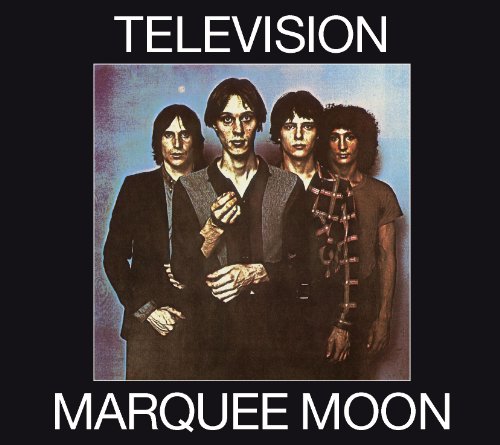
Marquee Moon Expanded & Remastered
$15.21
 Alle anzeigen
Verpassen Sie nie wieder ein Television Konzert.
Erhalten Sie Benachrichtigungen über Tournee-Ankündigungen, Konzert-Tickets und Shows in Ihrer Nähe mit einem kostenlosen Bandsintown-Konto.
Über Television
Television
Television was one of the most creative bands to emerge from New York's underground scene of the mid-'70s, creating an influential new guitar vocabulary. While guitarists Tom Verlaine and Richard Lloyd liked to jam, they didn't follow the accepted rock structures for improvisation — they removed the blues while retaining the raw energy of garage rock, adding complex, lyrical solo lines that recalled both jazz and rock. With its angular rhythms and fluid leads, Television's music always went in unconventional directions, laying the groundwork for many of the guitar-based post-punk pop groups of the late '70s and '80s.
In the early '70s, Television began as the Neon Boys, a group featuring guitarist/vocalist Tom Verlaine, drummer Billy Ficca, and bassist Richard Hell. At the end of 1973 in New York City, New York, the group reunited under the name Television, adding rhythm guitarist Richard Lloyd. The following year, the band made its live debut at New York's Townhouse theater and began to build up an underground following. Soon, their fan base was large enough that Verlaine was able to persuade CBGB to begin featuring live bands on a regular basis; the club would become an important venue for punk and new wave bands. Television was the first punk/new wave band to play at CBGB. That year, Verlaine played guitar on Patti Smith's first single, "Hey Joe"/"Piss Factory," as well as wrote a book of poetry with the singer.
Television recorded a demo tape for Island Records with Brian Eno in 1975, yet the label decided not to sign the band. Hell left the band after the recording of the demo tape, forming the Heartbreakers with former New York Dolls guitarist Johnny Thunders; the following year, he began a solo career supported by the Voidoids, releasing a debut album, Blank Generation, in 1977. Hell was replaced by ex-Blondie bassist Fred Smith and Television recorded "Little Johnny Jewel," releasing it on their own Ork record label. "Little Johnny Jewel" became an underground hit, attracting the attention of major record labels. In 1976, the band released a British EP on Stiff Records, which expanded their reputation. They signed with Elektra Records and began recording their debut album.
Marquee Moon, the group's first album, was released in early 1977 to great critical acclaim, yet it failed to attract a wide audience in America; in the U.K., it reached number 28 on the charts, launching the Top 40 single "Prove It." Television supported Blondie on the group's 1977 tour, but the shows didn't increase the group's following significantly.
Television released their second album, Adventure, in the spring of 1978. While its American sales were better than those of Marquee Moon, the record didn't make the charts; in Britain, it became a Top Ten hit. Months later, the group suddenly broke up, largely due to tensions between the two guitarists. Smith rejoined Blondie, while Verlaine and Lloyd both pursued solo careers; Lloyd also played on John Doe's first solo album, as well as joined Matthew Sweet's supporting band with the 1991 album Girlfriend.
Nearly 14 years after their breakup, Television re-formed in late 1991, recording a new, self titled album for Capitol Records. The reunited band began its comeback with a performance at England's Glastonbury summer festival in 1992, releasing Television a couple months later. The album received good reviews, as did the tour that followed, yet the reunion was short-lived — the group disbanded again in early 1993. In 2001, Television again reunited for a handful of shows in the U.K., as well as an appearance at the Noise Pop Festival in Chicago.
In the early '70s, Television began as the Neon Boys, a group featuring guitarist/vocalist Tom Verlaine, drummer Billy Ficca, and bassist Richard Hell. At the end of 1973 in New York City, New York, the group reunited under the name Television, adding rhythm guitarist Richard Lloyd. The following year, the band made its live debut at New York's Townhouse theater and began to build up an underground following. Soon, their fan base was large enough that Verlaine was able to persuade CBGB to begin featuring live bands on a regular basis; the club would become an important venue for punk and new wave bands. Television was the first punk/new wave band to play at CBGB. That year, Verlaine played guitar on Patti Smith's first single, "Hey Joe"/"Piss Factory," as well as wrote a book of poetry with the singer.
Television recorded a demo tape for Island Records with Brian Eno in 1975, yet the label decided not to sign the band. Hell left the band after the recording of the demo tape, forming the Heartbreakers with former New York Dolls guitarist Johnny Thunders; the following year, he began a solo career supported by the Voidoids, releasing a debut album, Blank Generation, in 1977. Hell was replaced by ex-Blondie bassist Fred Smith and Television recorded "Little Johnny Jewel," releasing it on their own Ork record label. "Little Johnny Jewel" became an underground hit, attracting the attention of major record labels. In 1976, the band released a British EP on Stiff Records, which expanded their reputation. They signed with Elektra Records and began recording their debut album.
Marquee Moon, the group's first album, was released in early 1977 to great critical acclaim, yet it failed to attract a wide audience in America; in the U.K., it reached number 28 on the charts, launching the Top 40 single "Prove It." Television supported Blondie on the group's 1977 tour, but the shows didn't increase the group's following significantly.
Television released their second album, Adventure, in the spring of 1978. While its American sales were better than those of Marquee Moon, the record didn't make the charts; in Britain, it became a Top Ten hit. Months later, the group suddenly broke up, largely due to tensions between the two guitarists. Smith rejoined Blondie, while Verlaine and Lloyd both pursued solo careers; Lloyd also played on John Doe's first solo album, as well as joined Matthew Sweet's supporting band with the 1991 album Girlfriend.
Nearly 14 years after their breakup, Television re-formed in late 1991, recording a new, self titled album for Capitol Records. The reunited band began its comeback with a performance at England's Glastonbury summer festival in 1992, releasing Television a couple months later. The album received good reviews, as did the tour that followed, yet the reunion was short-lived — the group disbanded again in early 1993. In 2001, Television again reunited for a handful of shows in the U.K., as well as an appearance at the Noise Pop Festival in Chicago.
Mehr anzeigen
Genres:
Punk, Post Punk
Keine demnächst stattfindenden Shows
Schicke eine Anfrage an Television, in deiner Stadt aufzutreten
Um eine Show bitten
Ähnliche Künstler auf Tour
Television Merchandise
Television
$29.85
Marquee Moon
$22.46
Marquee Moon Expanded & Remastered
$15.21
Alle anzeigenÜber Television
Television
Television was one of the most creative bands to emerge from New York's underground scene of the mid-'70s, creating an influential new guitar vocabulary. While guitarists Tom Verlaine and Richard Lloyd liked to jam, they didn't follow the accepted rock structures for improvisation — they removed the blues while retaining the raw energy of garage rock, adding complex, lyrical solo lines that recalled both jazz and rock. With its angular rhythms and fluid leads, Television's music always went in unconventional directions, laying the groundwork for many of the guitar-based post-punk pop groups of the late '70s and '80s.
In the early '70s, Television began as the Neon Boys, a group featuring guitarist/vocalist Tom Verlaine, drummer Billy Ficca, and bassist Richard Hell. At the end of 1973 in New York City, New York, the group reunited under the name Television, adding rhythm guitarist Richard Lloyd. The following year, the band made its live debut at New York's Townhouse theater and began to build up an underground following. Soon, their fan base was large enough that Verlaine was able to persuade CBGB to begin featuring live bands on a regular basis; the club would become an important venue for punk and new wave bands. Television was the first punk/new wave band to play at CBGB. That year, Verlaine played guitar on Patti Smith's first single, "Hey Joe"/"Piss Factory," as well as wrote a book of poetry with the singer.
Television recorded a demo tape for Island Records with Brian Eno in 1975, yet the label decided not to sign the band. Hell left the band after the recording of the demo tape, forming the Heartbreakers with former New York Dolls guitarist Johnny Thunders; the following year, he began a solo career supported by the Voidoids, releasing a debut album, Blank Generation, in 1977. Hell was replaced by ex-Blondie bassist Fred Smith and Television recorded "Little Johnny Jewel," releasing it on their own Ork record label. "Little Johnny Jewel" became an underground hit, attracting the attention of major record labels. In 1976, the band released a British EP on Stiff Records, which expanded their reputation. They signed with Elektra Records and began recording their debut album.
Marquee Moon, the group's first album, was released in early 1977 to great critical acclaim, yet it failed to attract a wide audience in America; in the U.K., it reached number 28 on the charts, launching the Top 40 single "Prove It." Television supported Blondie on the group's 1977 tour, but the shows didn't increase the group's following significantly.
Television released their second album, Adventure, in the spring of 1978. While its American sales were better than those of Marquee Moon, the record didn't make the charts; in Britain, it became a Top Ten hit. Months later, the group suddenly broke up, largely due to tensions between the two guitarists. Smith rejoined Blondie, while Verlaine and Lloyd both pursued solo careers; Lloyd also played on John Doe's first solo album, as well as joined Matthew Sweet's supporting band with the 1991 album Girlfriend.
Nearly 14 years after their breakup, Television re-formed in late 1991, recording a new, self titled album for Capitol Records. The reunited band began its comeback with a performance at England's Glastonbury summer festival in 1992, releasing Television a couple months later. The album received good reviews, as did the tour that followed, yet the reunion was short-lived — the group disbanded again in early 1993. In 2001, Television again reunited for a handful of shows in the U.K., as well as an appearance at the Noise Pop Festival in Chicago.
In the early '70s, Television began as the Neon Boys, a group featuring guitarist/vocalist Tom Verlaine, drummer Billy Ficca, and bassist Richard Hell. At the end of 1973 in New York City, New York, the group reunited under the name Television, adding rhythm guitarist Richard Lloyd. The following year, the band made its live debut at New York's Townhouse theater and began to build up an underground following. Soon, their fan base was large enough that Verlaine was able to persuade CBGB to begin featuring live bands on a regular basis; the club would become an important venue for punk and new wave bands. Television was the first punk/new wave band to play at CBGB. That year, Verlaine played guitar on Patti Smith's first single, "Hey Joe"/"Piss Factory," as well as wrote a book of poetry with the singer.
Television recorded a demo tape for Island Records with Brian Eno in 1975, yet the label decided not to sign the band. Hell left the band after the recording of the demo tape, forming the Heartbreakers with former New York Dolls guitarist Johnny Thunders; the following year, he began a solo career supported by the Voidoids, releasing a debut album, Blank Generation, in 1977. Hell was replaced by ex-Blondie bassist Fred Smith and Television recorded "Little Johnny Jewel," releasing it on their own Ork record label. "Little Johnny Jewel" became an underground hit, attracting the attention of major record labels. In 1976, the band released a British EP on Stiff Records, which expanded their reputation. They signed with Elektra Records and began recording their debut album.
Marquee Moon, the group's first album, was released in early 1977 to great critical acclaim, yet it failed to attract a wide audience in America; in the U.K., it reached number 28 on the charts, launching the Top 40 single "Prove It." Television supported Blondie on the group's 1977 tour, but the shows didn't increase the group's following significantly.
Television released their second album, Adventure, in the spring of 1978. While its American sales were better than those of Marquee Moon, the record didn't make the charts; in Britain, it became a Top Ten hit. Months later, the group suddenly broke up, largely due to tensions between the two guitarists. Smith rejoined Blondie, while Verlaine and Lloyd both pursued solo careers; Lloyd also played on John Doe's first solo album, as well as joined Matthew Sweet's supporting band with the 1991 album Girlfriend.
Nearly 14 years after their breakup, Television re-formed in late 1991, recording a new, self titled album for Capitol Records. The reunited band began its comeback with a performance at England's Glastonbury summer festival in 1992, releasing Television a couple months later. The album received good reviews, as did the tour that followed, yet the reunion was short-lived — the group disbanded again in early 1993. In 2001, Television again reunited for a handful of shows in the U.K., as well as an appearance at the Noise Pop Festival in Chicago.
Mehr anzeigen
Genres:
Punk, Post Punk
Verpassen Sie nie wieder ein Television Konzert.
Erhalten Sie Benachrichtigungen über Tournee-Ankündigungen, Konzert-Tickets und Shows in Ihrer Nähe mit einem kostenlosen Bandsintown-Konto.
Genieße mit der App Bandsintown das ganze Erlebnis.

Live-Fotos


Was die Fans sagen
Great show! Richard Llyod was great! He even signed my record after the set!
11. Januar 2026·Akron, OH

Susan
Excellent!
25. Januar 2022·Athens, GA
Jeff
Hearing Marquee Moon live is about as good as it gets.
3. Mai 2019·Millvale, PA
Scott
Live-Fotos
Was die Fans sagen
Great show! Richard Llyod was great! He even signed my record after the set!
11. Januar 2026·Akron, OH
Susan
Excellent!
25. Januar 2022·Athens, GA
Jeff
Hearing Marquee Moon live is about as good as it gets.
3. Mai 2019·Millvale, PA
Scott