Du hast einen tollen Geschmack!
Melde dich an, um deinen Lieblingskünstlern zu folgen, Veranstaltungen zu speichern und vieles mehr.
Finde Tourdaten und Livemusik-Veranstaltungen für deine Lieblingsbands und -künstler in deiner Stadt. Hol dir mit Bandsintown Konzertkarten, erfahre Neuigkeiten und gib RSVPs zu Konzerten ab.

'%3e %3cpath d='M17.2 8.65233C17.2 3.87262 13.3508 0 8.6 0C3.84919 0 0 3.87262 0 8.65233C0 12.9785 3.12097 16.572 7.24758 17.2V11.1643H5.0629V8.65233H7.24758V6.76836C7.24758 4.60527 8.53065 3.38418 10.4726 3.38418C11.4435 3.38418 12.4145 3.55862 12.4145 3.55862V5.68682H11.3395C10.2645 5.68682 9.91774 6.3497 9.91774 7.04746V8.65233H12.3105L11.929 11.1643H9.91774V17.2C14.0444 16.572 17.2 12.9785 17.2 8.65233Z' fill='%236D6D6D'/%3e %3c/g%3e %3cdefs%3e %3cclipPath id='clip0_11991_110375'%3e %3crect width='17.2' height='17.2' fill='white'/%3e %3c/clipPath%3e %3c/defs%3e %3c/svg%3e)
'%3e %3cpath d='M13.546 0.716797H16.1835L10.4214 7.3954L17.2 16.4835H11.8924L7.73534 10.9716L2.97869 16.4835H0.339647L6.50272 9.33995L0 0.716797H5.44232L9.19996 5.75485L13.546 0.716797ZM12.6204 14.8825H14.0818L4.64822 2.23363H3.07994L12.6204 14.8825Z' fill='%236D6D6D'/%3e %3c/g%3e %3cdefs%3e %3cclipPath id='clip0_11991_110380'%3e %3crect width='17.2' height='17.2' fill='white'/%3e %3c/clipPath%3e %3c/defs%3e %3c/svg%3e)
'%3e %3cpath d='M8.6192 4.16563C6.16205 4.16563 4.20402 6.16205 4.20402 8.5808C4.20402 11.0379 6.16205 12.996 8.6192 12.996C11.0379 12.996 13.0344 11.0379 13.0344 8.5808C13.0344 6.16205 11.0379 4.16563 8.6192 4.16563ZM8.6192 11.4603C7.04509 11.4603 5.73973 10.1933 5.73973 8.5808C5.73973 7.0067 7.0067 5.73973 8.6192 5.73973C10.1933 5.73973 11.4603 7.0067 11.4603 8.5808C11.4603 10.1933 10.1933 11.4603 8.6192 11.4603ZM14.2246 4.01205C14.2246 4.58795 13.7638 5.04866 13.1879 5.04866C12.6121 5.04866 12.1513 4.58795 12.1513 4.01205C12.1513 3.43616 12.6121 2.97545 13.1879 2.97545C13.7638 2.97545 14.2246 3.43616 14.2246 4.01205ZM17.1424 5.04866C17.0656 3.66652 16.7585 2.43795 15.7603 1.43973C14.7621 0.441518 13.5335 0.134375 12.1513 0.0575893C10.7308 -0.0191964 6.4692 -0.0191964 5.04866 0.0575893C3.66652 0.134375 2.47634 0.441518 1.43973 1.43973C0.441518 2.43795 0.134375 3.66652 0.0575893 5.04866C-0.0191964 6.4692 -0.0191964 10.7308 0.0575893 12.1513C0.134375 13.5335 0.441518 14.7237 1.43973 15.7603C2.47634 16.7585 3.66652 17.0656 5.04866 17.1424C6.4692 17.2192 10.7308 17.2192 12.1513 17.1424C13.5335 17.0656 14.7621 16.7585 15.7603 15.7603C16.7585 14.7237 17.0656 13.5335 17.1424 12.1513C17.2192 10.7308 17.2192 6.4692 17.1424 5.04866ZM15.2996 13.6487C15.0308 14.4165 14.4165 14.9924 13.6871 15.2996C12.5353 15.7603 9.84777 15.6451 8.6192 15.6451C7.35223 15.6451 4.66473 15.7603 3.55134 15.2996C2.78348 14.9924 2.20759 14.4165 1.90045 13.6487C1.43973 12.5353 1.55491 9.84777 1.55491 8.5808C1.55491 7.35223 1.43973 4.66473 1.90045 3.51295C2.20759 2.78348 2.78348 2.20759 3.55134 1.90045C4.66473 1.43973 7.35223 1.55491 8.6192 1.55491C9.84777 1.55491 12.5353 1.43973 13.6871 1.90045C14.4165 2.1692 14.9924 2.78348 15.2996 3.51295C15.7603 4.66473 15.6451 7.35223 15.6451 8.5808C15.6451 9.84777 15.7603 12.5353 15.2996 13.6487Z' fill='%236D6D6D'/%3e %3c/g%3e %3cdefs%3e %3cclipPath id='clip0_11991_110387'%3e %3crect width='17.2' height='17.2' fill='white'/%3e %3c/clipPath%3e %3c/defs%3e %3c/svg%3e)


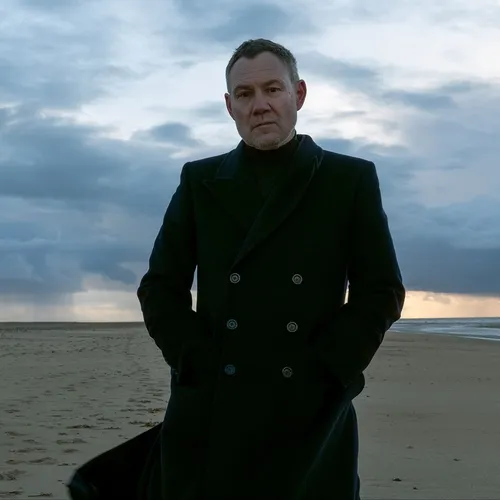
Künstler
David Gray
Verifiziert
624.000 Follower
Keine demnächst stattfindenden Shows
Schicke eine Anfrage an David Gray, in deiner Stadt aufzutreten
Um eine Show bitten
Ähnliche Künstler auf Tour
David Gray Merchandise
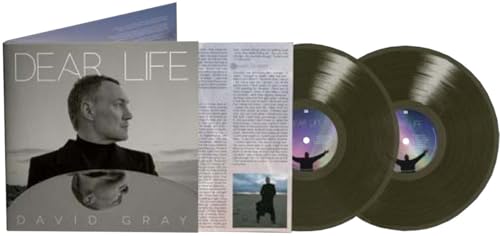
Dear Life - Seaweed Green
$20.61
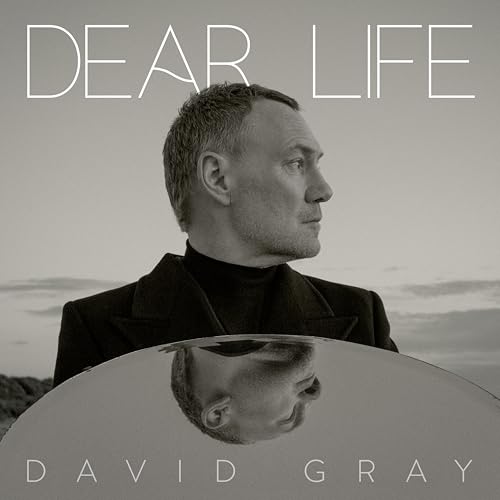
Dear Life
$21.96

White Ladder Live
$27.99

Skellig
$13.98

Gold In A Brass Age (Exclusive Limited Edition Translucent Yellow 2XLP Vinyl)
$52.94

Draw The Line
$12.98

A NEW DAY AT MIDNIGHT
$10.62

WHITE LADDER
$14.92

FOUNDLING
$10.56

LIFE IN SLOW MOTION
$11.31

White Ladder by Gray, David [Music CD]
$19.39
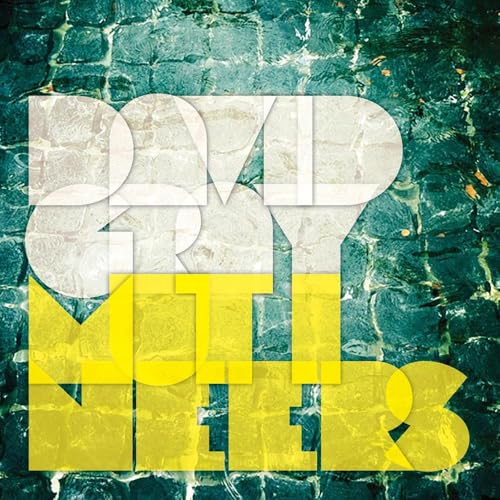
MUTINEERS
$12.98

Other Side / Babylon: Live at Joe's Pub
$16.51

Shine: Best Of The Early Years
$15.69

A Century Ends
$11.84

Ep's 92-94/Sell Sell Sell
$34.90

Sell Sell Sell
$11.40

Lost Songs 95-98
$8.99
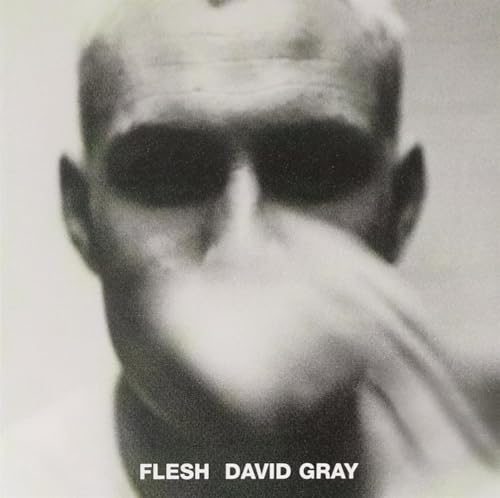
Flesh
$11.91
 Alle anzeigen
Aktuellster Beitrag
David Gray
vor 5 Monaten
Well Hello There 👋🏻
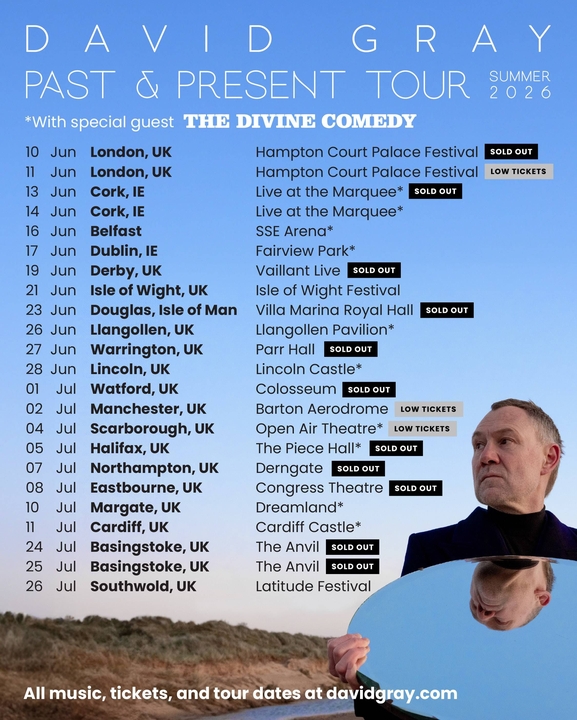
A gentle reminder that The Past & Present Tour has a future!
In just a couple of months from now it will be gig o’clock once again, and I’ll beMehr lesen
A gentle reminder that The Past & Present Tour has a future!
In just a couple of months from now it will be gig o’clock once again, and I’ll beMehr lesen
Vergangene shows
JULI
25
2026
Basingstoke, United Kingdom
The Anvil
JULI
24
2026
Basingstoke, United Kingdom
The Anvil
JULI
11
2026
Cardiff, United Kingdom
Cardiff Castle, Cardiff Castle
JULI
10
2026
Margate, United Kingdom
Dreamland Margate
JULI
08
2026
Eastbourne, United Kingdom
Congress Theatre
JULI
07
2026
Northampton, United Kingdom
Royal and Derngate
Verpassen Sie nie wieder ein David Gray Konzert.
Erhalten Sie Benachrichtigungen über Tournee-Ankündigungen, Konzert-Tickets und Shows in Ihrer Nähe mit einem kostenlosen Bandsintown-Konto.
Über David Gray
David Gray
Recorded for no budget in a Stoke Newington bedroom in 1998 by a down on his luck singer-songwriter and self-released on a kitchen sink label, White Ladder slowly (very, very slowly) found an audience. It took a year to creep into the lower reaches of the British charts, then worked its way all the way up to number one. White Ladder eventually spent 3 years (from May 2000 to March 2003) in the UK top 100, spawning classic hit singles ‘Babylon’, ‘Please Forgive Me’ and ‘Sail Away’. It went on to sell over 7 million copies worldwide. It remains in the top 30 best-selling British albums of all time and the best-selling album ever in Ireland (a nation who know a good song when they hear it).
Celebrating its 20th anniversary with an expanded edition, it is interesting to consider the extraordinary aftermath of White Ladder. Its success spawned a new wave of singer-songwriters in an acoustic boom that resonates to this day, a soul-baring lineage that can be directly traced from David Gray to the all-conquering Ed Sheeran. Indeed, Ed is a fan, whose passionate live version of ‘This Year’s Love’ can bring tears to the eye. Fellow world beating British superstar Adele is also an admirer, citing ‘This Year’s Love’ as one of her all-time favourite break-up songs.
In the wake of White Ladder, every major record company began signing and developing guitar wielding troubadours. David Gray was followed into the UK charts by Damien Rice, KT Tunstall, Katie Melua, James Blunt, James Morrison, James Bay, Paolo Nutini, and, ultimately, Ed Sheeran and a second wave of guitar boys including George Ezra, Tom Walker, Tom Grennan and Lewis Capaldi. In the US (where White Ladder sold 2 million copies), Jack Johnson, John Mayer and Jazon Mraz were amongst singer-songwriters whose careers received a significant commercial boost. White Ladder was a music industry game changer.
And yet White Ladder remains apart from everything that followed. While the record company model involved putting young guitarist-singers into the studio with teams of established pop writers and producers, White Ladder was the work of a lone artist plumbing the depths of his soul.
White Ladder was born of difficult circumstances. David Gray had been struggling on the margins for a decade, a lonely figure with an acoustic guitar swimming against the tide of Britpop, grunge, hip hop and electro. With three albums to his name, he found himself advertised third on the bill to beer and a barbecue. “Futility was so thick on the ground it was utterly soul destroying.” He came close to quitting. But instead, he asked himself some difficult questions: “Can you make a better record? Can you write a better song? The decision was to open up and give it everything I’ve got. The open heartedness that White Ladder has at its very core is in direct relation to the sense of bitterness and defensiveness that prevailed upon me. White Ladder is the negative flipped into positive.”
He wrote and recorded in a tiny terraced house on Lordship Road in Stoke Newington. He had to record during the day so as not to disturb the neighbours. “The windows were open because it was hot, and you can hear traffic noises very clearly. It’s the ultimate bedroom recording, actually made in my bedroom.” Lacking big studio facilities, David experimented with drum machines and electronic elements, creating a blend of folktronica that has since become a familiar part of the musical landscape, aided by drummer Craig McClune and engineer Iestyn Polson.
David released White Ladder in Ireland on his own IHT label in November 1998. “We cobbled it together, got a distributor, pressed 5,000 copies and hoped for the best.” Released in the UK in March 1999, it reached number 69 in the charts. American jam rock superstar Dave Matthews was such a fan he personally licensed the album for his ATO label in the US. Meanwhile East West records, a division of Warner, took the reins, releasing ‘Babylon’ as a single in June 2000.
After that, the floodgates opened. ‘Babylon’ became one of the hits of the summer, White Ladder became a multi-million global phenomenon, and David Gray jumped from playing pubs to theatres to arenas in the space of a few frenetic months. “It was nuts. We were just laughing all the time. It was like a slow explosion, with moments of detonation that took it to another level. It was perfect in a way you could never design.”
White Ladder has become part of the fabric of the world. “A friend was in the Himalayas and ‘Sail Away’ was playing at base camp. I’ve heard tell of my songs coming out of radios and stereos in the strangest places, from Tel Aviv to Timbuktu. We made the best record we could, and by some miracle it managed to charm its way across the threshold. It didn’t just open the door a crack, it kicked the fucking thing down. We came straight through. That was astonishing. You can make a great record but it is exceedingly rare that it will go on and become something bigger than itself. It was charged with all kinds of energies, the right thing in the right place at the right time, in this openhearted moment.”
White Ladder caught something of the mood at the end of the century and the start of a new one, the comedown from the pomp of the nineties mixed with nervous hope for the future. Gray’s music is both intimate and broad, intensely personal yet capable of speaking to the masses. “I don’t write behind some sort of cloak. I’m the opposite of an enigma, I am just heart on sleeve. I think your strength as a creative person is your vulnerability. If you're not venturing anything you’re nowhere, there has to be something fragile and breakable being handed over. That was White Ladder. It is almost all I can say about it.”
Gray has released 12 complex, ambitious, heartfelt albums across his career. Some have been big commercial successes (2002’s A New Day At Midnight and 2005’s Life In Slow Motion were UK chart toppers), others have been more intimate and experimental. “It’s instinctive, you have to go where the music needs to go, otherwise the gleam, the sparkle will fall away.” All offer up songs of the highest quality, performed as if his life depends on them. Gray’s passionate, vocational approach has established an incredibly loyal audience prepared to follow him on every adventure.
“I've been happy after the event to get back to writing the music that I felt was in me and following my creative path. I don’t think the records I've made since have been worse or better. I just think what happened with White Ladder involved more than music. It was a sort of heart and soul moment of total surrender for everybody involved, for me and the audience. That was it. It doesn't get any better than that.”
Twenty years on, White Ladder remains an album of great depth and startling beauty, a superlative collection of emotional songs capturing a very special moment in time, as raw and immediate as when it was recorded.
Celebrating its 20th anniversary with an expanded edition, it is interesting to consider the extraordinary aftermath of White Ladder. Its success spawned a new wave of singer-songwriters in an acoustic boom that resonates to this day, a soul-baring lineage that can be directly traced from David Gray to the all-conquering Ed Sheeran. Indeed, Ed is a fan, whose passionate live version of ‘This Year’s Love’ can bring tears to the eye. Fellow world beating British superstar Adele is also an admirer, citing ‘This Year’s Love’ as one of her all-time favourite break-up songs.
In the wake of White Ladder, every major record company began signing and developing guitar wielding troubadours. David Gray was followed into the UK charts by Damien Rice, KT Tunstall, Katie Melua, James Blunt, James Morrison, James Bay, Paolo Nutini, and, ultimately, Ed Sheeran and a second wave of guitar boys including George Ezra, Tom Walker, Tom Grennan and Lewis Capaldi. In the US (where White Ladder sold 2 million copies), Jack Johnson, John Mayer and Jazon Mraz were amongst singer-songwriters whose careers received a significant commercial boost. White Ladder was a music industry game changer.
And yet White Ladder remains apart from everything that followed. While the record company model involved putting young guitarist-singers into the studio with teams of established pop writers and producers, White Ladder was the work of a lone artist plumbing the depths of his soul.
White Ladder was born of difficult circumstances. David Gray had been struggling on the margins for a decade, a lonely figure with an acoustic guitar swimming against the tide of Britpop, grunge, hip hop and electro. With three albums to his name, he found himself advertised third on the bill to beer and a barbecue. “Futility was so thick on the ground it was utterly soul destroying.” He came close to quitting. But instead, he asked himself some difficult questions: “Can you make a better record? Can you write a better song? The decision was to open up and give it everything I’ve got. The open heartedness that White Ladder has at its very core is in direct relation to the sense of bitterness and defensiveness that prevailed upon me. White Ladder is the negative flipped into positive.”
He wrote and recorded in a tiny terraced house on Lordship Road in Stoke Newington. He had to record during the day so as not to disturb the neighbours. “The windows were open because it was hot, and you can hear traffic noises very clearly. It’s the ultimate bedroom recording, actually made in my bedroom.” Lacking big studio facilities, David experimented with drum machines and electronic elements, creating a blend of folktronica that has since become a familiar part of the musical landscape, aided by drummer Craig McClune and engineer Iestyn Polson.
David released White Ladder in Ireland on his own IHT label in November 1998. “We cobbled it together, got a distributor, pressed 5,000 copies and hoped for the best.” Released in the UK in March 1999, it reached number 69 in the charts. American jam rock superstar Dave Matthews was such a fan he personally licensed the album for his ATO label in the US. Meanwhile East West records, a division of Warner, took the reins, releasing ‘Babylon’ as a single in June 2000.
After that, the floodgates opened. ‘Babylon’ became one of the hits of the summer, White Ladder became a multi-million global phenomenon, and David Gray jumped from playing pubs to theatres to arenas in the space of a few frenetic months. “It was nuts. We were just laughing all the time. It was like a slow explosion, with moments of detonation that took it to another level. It was perfect in a way you could never design.”
White Ladder has become part of the fabric of the world. “A friend was in the Himalayas and ‘Sail Away’ was playing at base camp. I’ve heard tell of my songs coming out of radios and stereos in the strangest places, from Tel Aviv to Timbuktu. We made the best record we could, and by some miracle it managed to charm its way across the threshold. It didn’t just open the door a crack, it kicked the fucking thing down. We came straight through. That was astonishing. You can make a great record but it is exceedingly rare that it will go on and become something bigger than itself. It was charged with all kinds of energies, the right thing in the right place at the right time, in this openhearted moment.”
White Ladder caught something of the mood at the end of the century and the start of a new one, the comedown from the pomp of the nineties mixed with nervous hope for the future. Gray’s music is both intimate and broad, intensely personal yet capable of speaking to the masses. “I don’t write behind some sort of cloak. I’m the opposite of an enigma, I am just heart on sleeve. I think your strength as a creative person is your vulnerability. If you're not venturing anything you’re nowhere, there has to be something fragile and breakable being handed over. That was White Ladder. It is almost all I can say about it.”
Gray has released 12 complex, ambitious, heartfelt albums across his career. Some have been big commercial successes (2002’s A New Day At Midnight and 2005’s Life In Slow Motion were UK chart toppers), others have been more intimate and experimental. “It’s instinctive, you have to go where the music needs to go, otherwise the gleam, the sparkle will fall away.” All offer up songs of the highest quality, performed as if his life depends on them. Gray’s passionate, vocational approach has established an incredibly loyal audience prepared to follow him on every adventure.
“I've been happy after the event to get back to writing the music that I felt was in me and following my creative path. I don’t think the records I've made since have been worse or better. I just think what happened with White Ladder involved more than music. It was a sort of heart and soul moment of total surrender for everybody involved, for me and the audience. That was it. It doesn't get any better than that.”
Twenty years on, White Ladder remains an album of great depth and startling beauty, a superlative collection of emotional songs capturing a very special moment in time, as raw and immediate as when it was recorded.
Mehr anzeigen
Heimatort:
Sale, United Kingdom
Keine demnächst stattfindenden Shows
Schicke eine Anfrage an David Gray, in deiner Stadt aufzutreten
Um eine Show bitten
Ähnliche Künstler auf Tour
Aktuellster Beitrag
David Gray
vor 5 Monaten
Well Hello There 👋🏻
A gentle reminder that The Past & Present Tour has a future!
In just a couple of months from now it will be gig o’clock once again, and I’ll beMehr lesen
A gentle reminder that The Past & Present Tour has a future!
In just a couple of months from now it will be gig o’clock once again, and I’ll beMehr lesen
David Gray Merchandise
Dear Life - Seaweed Green
$20.61
Dear Life
$21.96
White Ladder Live
$27.99
Skellig
$13.98
Gold In A Brass Age (Exclusive Limited Edition Translucent Yellow 2XLP Vinyl)
$52.94
Draw The Line
$12.98
A NEW DAY AT MIDNIGHT
$10.62
WHITE LADDER
$14.92
FOUNDLING
$10.56
LIFE IN SLOW MOTION
$11.31
White Ladder by Gray, David [Music CD]
$19.39
MUTINEERS
$12.98
Other Side / Babylon: Live at Joe's Pub
$16.51
Shine: Best Of The Early Years
$15.69
A Century Ends
$11.84
Ep's 92-94/Sell Sell Sell
$34.90
Sell Sell Sell
$11.40
Lost Songs 95-98
$8.99
Flesh
$11.91
Alle anzeigenVergangene shows
JULI
25
2026
Basingstoke, United Kingdom
The Anvil
JULI
24
2026
Basingstoke, United Kingdom
The Anvil
JULI
11
2026
Cardiff, United Kingdom
Cardiff Castle, Cardiff Castle
JULI
10
2026
Margate, United Kingdom
Dreamland Margate
JULI
08
2026
Eastbourne, United Kingdom
Congress Theatre
JULI
07
2026
Northampton, United Kingdom
Royal and Derngate
Über David Gray
David Gray
Recorded for no budget in a Stoke Newington bedroom in 1998 by a down on his luck singer-songwriter and self-released on a kitchen sink label, White Ladder slowly (very, very slowly) found an audience. It took a year to creep into the lower reaches of the British charts, then worked its way all the way up to number one. White Ladder eventually spent 3 years (from May 2000 to March 2003) in the UK top 100, spawning classic hit singles ‘Babylon’, ‘Please Forgive Me’ and ‘Sail Away’. It went on to sell over 7 million copies worldwide. It remains in the top 30 best-selling British albums of all time and the best-selling album ever in Ireland (a nation who know a good song when they hear it).
Celebrating its 20th anniversary with an expanded edition, it is interesting to consider the extraordinary aftermath of White Ladder. Its success spawned a new wave of singer-songwriters in an acoustic boom that resonates to this day, a soul-baring lineage that can be directly traced from David Gray to the all-conquering Ed Sheeran. Indeed, Ed is a fan, whose passionate live version of ‘This Year’s Love’ can bring tears to the eye. Fellow world beating British superstar Adele is also an admirer, citing ‘This Year’s Love’ as one of her all-time favourite break-up songs.
In the wake of White Ladder, every major record company began signing and developing guitar wielding troubadours. David Gray was followed into the UK charts by Damien Rice, KT Tunstall, Katie Melua, James Blunt, James Morrison, James Bay, Paolo Nutini, and, ultimately, Ed Sheeran and a second wave of guitar boys including George Ezra, Tom Walker, Tom Grennan and Lewis Capaldi. In the US (where White Ladder sold 2 million copies), Jack Johnson, John Mayer and Jazon Mraz were amongst singer-songwriters whose careers received a significant commercial boost. White Ladder was a music industry game changer.
And yet White Ladder remains apart from everything that followed. While the record company model involved putting young guitarist-singers into the studio with teams of established pop writers and producers, White Ladder was the work of a lone artist plumbing the depths of his soul.
White Ladder was born of difficult circumstances. David Gray had been struggling on the margins for a decade, a lonely figure with an acoustic guitar swimming against the tide of Britpop, grunge, hip hop and electro. With three albums to his name, he found himself advertised third on the bill to beer and a barbecue. “Futility was so thick on the ground it was utterly soul destroying.” He came close to quitting. But instead, he asked himself some difficult questions: “Can you make a better record? Can you write a better song? The decision was to open up and give it everything I’ve got. The open heartedness that White Ladder has at its very core is in direct relation to the sense of bitterness and defensiveness that prevailed upon me. White Ladder is the negative flipped into positive.”
He wrote and recorded in a tiny terraced house on Lordship Road in Stoke Newington. He had to record during the day so as not to disturb the neighbours. “The windows were open because it was hot, and you can hear traffic noises very clearly. It’s the ultimate bedroom recording, actually made in my bedroom.” Lacking big studio facilities, David experimented with drum machines and electronic elements, creating a blend of folktronica that has since become a familiar part of the musical landscape, aided by drummer Craig McClune and engineer Iestyn Polson.
David released White Ladder in Ireland on his own IHT label in November 1998. “We cobbled it together, got a distributor, pressed 5,000 copies and hoped for the best.” Released in the UK in March 1999, it reached number 69 in the charts. American jam rock superstar Dave Matthews was such a fan he personally licensed the album for his ATO label in the US. Meanwhile East West records, a division of Warner, took the reins, releasing ‘Babylon’ as a single in June 2000.
After that, the floodgates opened. ‘Babylon’ became one of the hits of the summer, White Ladder became a multi-million global phenomenon, and David Gray jumped from playing pubs to theatres to arenas in the space of a few frenetic months. “It was nuts. We were just laughing all the time. It was like a slow explosion, with moments of detonation that took it to another level. It was perfect in a way you could never design.”
White Ladder has become part of the fabric of the world. “A friend was in the Himalayas and ‘Sail Away’ was playing at base camp. I’ve heard tell of my songs coming out of radios and stereos in the strangest places, from Tel Aviv to Timbuktu. We made the best record we could, and by some miracle it managed to charm its way across the threshold. It didn’t just open the door a crack, it kicked the fucking thing down. We came straight through. That was astonishing. You can make a great record but it is exceedingly rare that it will go on and become something bigger than itself. It was charged with all kinds of energies, the right thing in the right place at the right time, in this openhearted moment.”
White Ladder caught something of the mood at the end of the century and the start of a new one, the comedown from the pomp of the nineties mixed with nervous hope for the future. Gray’s music is both intimate and broad, intensely personal yet capable of speaking to the masses. “I don’t write behind some sort of cloak. I’m the opposite of an enigma, I am just heart on sleeve. I think your strength as a creative person is your vulnerability. If you're not venturing anything you’re nowhere, there has to be something fragile and breakable being handed over. That was White Ladder. It is almost all I can say about it.”
Gray has released 12 complex, ambitious, heartfelt albums across his career. Some have been big commercial successes (2002’s A New Day At Midnight and 2005’s Life In Slow Motion were UK chart toppers), others have been more intimate and experimental. “It’s instinctive, you have to go where the music needs to go, otherwise the gleam, the sparkle will fall away.” All offer up songs of the highest quality, performed as if his life depends on them. Gray’s passionate, vocational approach has established an incredibly loyal audience prepared to follow him on every adventure.
“I've been happy after the event to get back to writing the music that I felt was in me and following my creative path. I don’t think the records I've made since have been worse or better. I just think what happened with White Ladder involved more than music. It was a sort of heart and soul moment of total surrender for everybody involved, for me and the audience. That was it. It doesn't get any better than that.”
Twenty years on, White Ladder remains an album of great depth and startling beauty, a superlative collection of emotional songs capturing a very special moment in time, as raw and immediate as when it was recorded.
Celebrating its 20th anniversary with an expanded edition, it is interesting to consider the extraordinary aftermath of White Ladder. Its success spawned a new wave of singer-songwriters in an acoustic boom that resonates to this day, a soul-baring lineage that can be directly traced from David Gray to the all-conquering Ed Sheeran. Indeed, Ed is a fan, whose passionate live version of ‘This Year’s Love’ can bring tears to the eye. Fellow world beating British superstar Adele is also an admirer, citing ‘This Year’s Love’ as one of her all-time favourite break-up songs.
In the wake of White Ladder, every major record company began signing and developing guitar wielding troubadours. David Gray was followed into the UK charts by Damien Rice, KT Tunstall, Katie Melua, James Blunt, James Morrison, James Bay, Paolo Nutini, and, ultimately, Ed Sheeran and a second wave of guitar boys including George Ezra, Tom Walker, Tom Grennan and Lewis Capaldi. In the US (where White Ladder sold 2 million copies), Jack Johnson, John Mayer and Jazon Mraz were amongst singer-songwriters whose careers received a significant commercial boost. White Ladder was a music industry game changer.
And yet White Ladder remains apart from everything that followed. While the record company model involved putting young guitarist-singers into the studio with teams of established pop writers and producers, White Ladder was the work of a lone artist plumbing the depths of his soul.
White Ladder was born of difficult circumstances. David Gray had been struggling on the margins for a decade, a lonely figure with an acoustic guitar swimming against the tide of Britpop, grunge, hip hop and electro. With three albums to his name, he found himself advertised third on the bill to beer and a barbecue. “Futility was so thick on the ground it was utterly soul destroying.” He came close to quitting. But instead, he asked himself some difficult questions: “Can you make a better record? Can you write a better song? The decision was to open up and give it everything I’ve got. The open heartedness that White Ladder has at its very core is in direct relation to the sense of bitterness and defensiveness that prevailed upon me. White Ladder is the negative flipped into positive.”
He wrote and recorded in a tiny terraced house on Lordship Road in Stoke Newington. He had to record during the day so as not to disturb the neighbours. “The windows were open because it was hot, and you can hear traffic noises very clearly. It’s the ultimate bedroom recording, actually made in my bedroom.” Lacking big studio facilities, David experimented with drum machines and electronic elements, creating a blend of folktronica that has since become a familiar part of the musical landscape, aided by drummer Craig McClune and engineer Iestyn Polson.
David released White Ladder in Ireland on his own IHT label in November 1998. “We cobbled it together, got a distributor, pressed 5,000 copies and hoped for the best.” Released in the UK in March 1999, it reached number 69 in the charts. American jam rock superstar Dave Matthews was such a fan he personally licensed the album for his ATO label in the US. Meanwhile East West records, a division of Warner, took the reins, releasing ‘Babylon’ as a single in June 2000.
After that, the floodgates opened. ‘Babylon’ became one of the hits of the summer, White Ladder became a multi-million global phenomenon, and David Gray jumped from playing pubs to theatres to arenas in the space of a few frenetic months. “It was nuts. We were just laughing all the time. It was like a slow explosion, with moments of detonation that took it to another level. It was perfect in a way you could never design.”
White Ladder has become part of the fabric of the world. “A friend was in the Himalayas and ‘Sail Away’ was playing at base camp. I’ve heard tell of my songs coming out of radios and stereos in the strangest places, from Tel Aviv to Timbuktu. We made the best record we could, and by some miracle it managed to charm its way across the threshold. It didn’t just open the door a crack, it kicked the fucking thing down. We came straight through. That was astonishing. You can make a great record but it is exceedingly rare that it will go on and become something bigger than itself. It was charged with all kinds of energies, the right thing in the right place at the right time, in this openhearted moment.”
White Ladder caught something of the mood at the end of the century and the start of a new one, the comedown from the pomp of the nineties mixed with nervous hope for the future. Gray’s music is both intimate and broad, intensely personal yet capable of speaking to the masses. “I don’t write behind some sort of cloak. I’m the opposite of an enigma, I am just heart on sleeve. I think your strength as a creative person is your vulnerability. If you're not venturing anything you’re nowhere, there has to be something fragile and breakable being handed over. That was White Ladder. It is almost all I can say about it.”
Gray has released 12 complex, ambitious, heartfelt albums across his career. Some have been big commercial successes (2002’s A New Day At Midnight and 2005’s Life In Slow Motion were UK chart toppers), others have been more intimate and experimental. “It’s instinctive, you have to go where the music needs to go, otherwise the gleam, the sparkle will fall away.” All offer up songs of the highest quality, performed as if his life depends on them. Gray’s passionate, vocational approach has established an incredibly loyal audience prepared to follow him on every adventure.
“I've been happy after the event to get back to writing the music that I felt was in me and following my creative path. I don’t think the records I've made since have been worse or better. I just think what happened with White Ladder involved more than music. It was a sort of heart and soul moment of total surrender for everybody involved, for me and the audience. That was it. It doesn't get any better than that.”
Twenty years on, White Ladder remains an album of great depth and startling beauty, a superlative collection of emotional songs capturing a very special moment in time, as raw and immediate as when it was recorded.
Mehr anzeigen
Heimatort:
Sale, United Kingdom
Verpassen Sie nie wieder ein David Gray Konzert.
Erhalten Sie Benachrichtigungen über Tournee-Ankündigungen, Konzert-Tickets und Shows in Ihrer Nähe mit einem kostenlosen Bandsintown-Konto.
Genieße mit der App Bandsintown das ganze Erlebnis.

Live-Fotos


Was die Fans sagen
I love going to see David Gray, maybe I’m just unlucky with my seat choice as I always seem to be behind a row of drunk women who insist on talking, texting their pal’s, no consideration for the people around them especially through the more quiet songs and songs from the new album, 4 times we told them to keep it down but took no notice. It really puts us off going to concerts now, tickets aren’t cheap these days!
24. März 2025·Glasgow, United Kingdom

Andrew
This concert reminded me of why I love David Gray's music. The show featured new releases as well as old favorites. Mr. Gray was in good voice for the whole show and also gave little tidbits about writing one song in particular: Sunlight on Water, which the band presented beautifully.
22. Februar 2025·Dallas, TX
Mark
Amazing show - David Gray always brings the energy and it was so good to see him again after so many years. My only negative experience was that I was in a seat row that wasn't elevated from the row in front of me (row CC) and I couldn't see the stage because of the head of the person in front of me. And he wasn't a tall or large person, just the seats were nothing arranged well for viewing.
4. Februar 2025·Minneapolis, MN

Jennifer


Live-Fotos
Was die Fans sagen
I love going to see David Gray, maybe I’m just unlucky with my seat choice as I always seem to be behind a row of drunk women who insist on talking, texting their pal’s, no consideration for the people around them especially through the more quiet songs and songs from the new album, 4 times we told them to keep it down but took no notice. It really puts us off going to concerts now, tickets aren’t cheap these days!
24. März 2025·Glasgow, United Kingdom
Andrew
This concert reminded me of why I love David Gray's music. The show featured new releases as well as old favorites. Mr. Gray was in good voice for the whole show and also gave little tidbits about writing one song in particular: Sunlight on Water, which the band presented beautifully.
22. Februar 2025·Dallas, TX
Mark
Amazing show - David Gray always brings the energy and it was so good to see him again after so many years. My only negative experience was that I was in a seat row that wasn't elevated from the row in front of me (row CC) and I couldn't see the stage because of the head of the person in front of me. And he wasn't a tall or large person, just the seats were nothing arranged well for viewing.
4. Februar 2025·Minneapolis, MN
Jennifer