Du hast einen tollen Geschmack!
Melde dich an, um deinen Lieblingskünstlern zu folgen, Veranstaltungen zu speichern und vieles mehr.
Finde Tourdaten und Livemusik-Veranstaltungen für deine Lieblingsbands und -künstler in deiner Stadt. Hol dir mit Bandsintown Konzertkarten, erfahre Neuigkeiten und gib RSVPs zu Konzerten ab.

'%3e %3cpath d='M17.2 8.65233C17.2 3.87262 13.3508 0 8.6 0C3.84919 0 0 3.87262 0 8.65233C0 12.9785 3.12097 16.572 7.24758 17.2V11.1643H5.0629V8.65233H7.24758V6.76836C7.24758 4.60527 8.53065 3.38418 10.4726 3.38418C11.4435 3.38418 12.4145 3.55862 12.4145 3.55862V5.68682H11.3395C10.2645 5.68682 9.91774 6.3497 9.91774 7.04746V8.65233H12.3105L11.929 11.1643H9.91774V17.2C14.0444 16.572 17.2 12.9785 17.2 8.65233Z' fill='%236D6D6D'/%3e %3c/g%3e %3cdefs%3e %3cclipPath id='clip0_11991_110375'%3e %3crect width='17.2' height='17.2' fill='white'/%3e %3c/clipPath%3e %3c/defs%3e %3c/svg%3e)
'%3e %3cpath d='M13.546 0.716797H16.1835L10.4214 7.3954L17.2 16.4835H11.8924L7.73534 10.9716L2.97869 16.4835H0.339647L6.50272 9.33995L0 0.716797H5.44232L9.19996 5.75485L13.546 0.716797ZM12.6204 14.8825H14.0818L4.64822 2.23363H3.07994L12.6204 14.8825Z' fill='%236D6D6D'/%3e %3c/g%3e %3cdefs%3e %3cclipPath id='clip0_11991_110380'%3e %3crect width='17.2' height='17.2' fill='white'/%3e %3c/clipPath%3e %3c/defs%3e %3c/svg%3e)
'%3e %3cpath d='M8.6192 4.16563C6.16205 4.16563 4.20402 6.16205 4.20402 8.5808C4.20402 11.0379 6.16205 12.996 8.6192 12.996C11.0379 12.996 13.0344 11.0379 13.0344 8.5808C13.0344 6.16205 11.0379 4.16563 8.6192 4.16563ZM8.6192 11.4603C7.04509 11.4603 5.73973 10.1933 5.73973 8.5808C5.73973 7.0067 7.0067 5.73973 8.6192 5.73973C10.1933 5.73973 11.4603 7.0067 11.4603 8.5808C11.4603 10.1933 10.1933 11.4603 8.6192 11.4603ZM14.2246 4.01205C14.2246 4.58795 13.7638 5.04866 13.1879 5.04866C12.6121 5.04866 12.1513 4.58795 12.1513 4.01205C12.1513 3.43616 12.6121 2.97545 13.1879 2.97545C13.7638 2.97545 14.2246 3.43616 14.2246 4.01205ZM17.1424 5.04866C17.0656 3.66652 16.7585 2.43795 15.7603 1.43973C14.7621 0.441518 13.5335 0.134375 12.1513 0.0575893C10.7308 -0.0191964 6.4692 -0.0191964 5.04866 0.0575893C3.66652 0.134375 2.47634 0.441518 1.43973 1.43973C0.441518 2.43795 0.134375 3.66652 0.0575893 5.04866C-0.0191964 6.4692 -0.0191964 10.7308 0.0575893 12.1513C0.134375 13.5335 0.441518 14.7237 1.43973 15.7603C2.47634 16.7585 3.66652 17.0656 5.04866 17.1424C6.4692 17.2192 10.7308 17.2192 12.1513 17.1424C13.5335 17.0656 14.7621 16.7585 15.7603 15.7603C16.7585 14.7237 17.0656 13.5335 17.1424 12.1513C17.2192 10.7308 17.2192 6.4692 17.1424 5.04866ZM15.2996 13.6487C15.0308 14.4165 14.4165 14.9924 13.6871 15.2996C12.5353 15.7603 9.84777 15.6451 8.6192 15.6451C7.35223 15.6451 4.66473 15.7603 3.55134 15.2996C2.78348 14.9924 2.20759 14.4165 1.90045 13.6487C1.43973 12.5353 1.55491 9.84777 1.55491 8.5808C1.55491 7.35223 1.43973 4.66473 1.90045 3.51295C2.20759 2.78348 2.78348 2.20759 3.55134 1.90045C4.66473 1.43973 7.35223 1.55491 8.6192 1.55491C9.84777 1.55491 12.5353 1.43973 13.6871 1.90045C14.4165 2.1692 14.9924 2.78348 15.2996 3.51295C15.7603 4.66473 15.6451 7.35223 15.6451 8.5808C15.6451 9.84777 15.7603 12.5353 15.2996 13.6487Z' fill='%236D6D6D'/%3e %3c/g%3e %3cdefs%3e %3cclipPath id='clip0_11991_110387'%3e %3crect width='17.2' height='17.2' fill='white'/%3e %3c/clipPath%3e %3c/defs%3e %3c/svg%3e)


Künstler
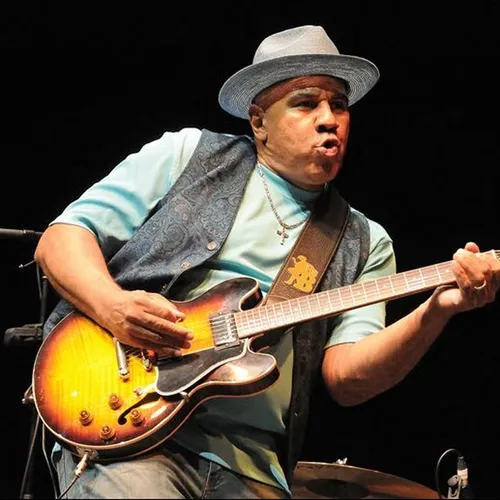
Ronnie Baker Brooks
Auf TourVerifiziert
14.400 Follower•5 bevorstehende Shows
Keine demnächst stattfindenden Shows in deiner Stadt
Schicke eine Anfrage an Ronnie Baker Brooks, in deiner Stadt aufzutreten
Um eine Show bitten
Alle Ereignisse & Live-Übertragungen
JAN
30
SA
2027
FEB
08
MO
2027


Tour von Ronnie Baker Brooks
Außerdem folgen die Fans
Verpassen Sie nie wieder ein Ronnie Baker Brooks Konzert.
Erhalten Sie Benachrichtigungen über Tournee-Ankündigungen, Konzert-Tickets und Shows in Ihrer Nähe mit einem kostenlosen Bandsintown-Konto.
Über Ronnie Baker Brooks
Ronnie Baker Brooks
In the Olympic tradition, when the torch gets passed on, the flame transfers from one sure hand to the next -- keeping it burning, while at the same time moving forward. It's a fitting image for young Chicago guitar hero RONNIE BAKER BROOKS on his aptly titled third release, THE TORCH. Not only does he sing with soulful fire and play with a white-hot intensity; he's also carrying the torch from the previous generation of soul and blues greats and moving the music into the future.
As the 17 original songs on THE TORCH make clear, RBB is the right man for the job. Brooks grew up steeped in American music tradition yet his focus remains resolutely on the future. As well as anyone of his generation, he knows the transcendent release at the heart of soul, blues and rock. He knows because, as the son of blues great Lonnie Brooks, he came of age watching the fieriest guitar players and most soulful singers of a previous era express their deepest feelings through their music.
"I grew up among the best of the best," Brooks says. "Every time I play, I feel like I've got to do it with the authenticity and passion that I saw in guys like Buddy Guy, Muddy Waters, B.B. King and my father. But I also have to put my twist on it. None of those guys repeated what came before them."
Brooks' twist involves enlivening blues-rock with deep soul and modern hip-hop vocals and funk rhythms. Working with Minneapolis producer Jellybean Johnson, a veteran collaborator of Prince and Janet Jackson, Brooks takes roots sounds and transforms them into something that spans the ages.
"I like to think of how Muddy Waters took the Mississippi blues he heard in his youth and modernized it for his times by making it electric and harder," Brooks explains. "That's what I'm trying to do for my generation. I want to take what's authentic and powerful about the music I grew up loving and bring in other influences without losing the heart and conviction of it."
Brooks' personal touch also shines through in the concise, colorful songs for THE TORCH, all of which he wrote. He draws on the choppy, hip-shaking rhythms of funk, the emotional truth of soul and the forcefulness of rock to bring a distinctive dimension to his groundbreaking sound. Who else would, or could, record a song featuring classic Chicago artists Lonnie Brooks, Eddy Clearwater, Jimmy Johnson and the late Willie Kent with another highlighting rapper Al Kapone.
"I wanted to do something that would bring young people to the blues, and then give them the real hardcore thing at the same time," Brooks says. "When I grew up, all my friends listened to rap and funk, and I listened to the blues. So I heard their music and they heard mine. I think we both saw some connection between them. I like that line in the movie "Hustle & Flow" when they say this new rap song ain't nothing but "Backdoor Man" written for modern streets. It's a hip-hop world right now, but I want to bring a little blues to the party."
Indeed, Brooks' collaboration with Kapone on "If It Don't Make Dollars, Then It Don't Make Sense" shows a streetwise philosophy that could've fit in next to the Three Six Mafia on the "Hustle & Flow" soundtrack. On the other hand, Brooks sings like a Memphis soul king on the open-hearted "Be a Good Man" a pledge that he'll always try to live honorably and treat his woman with respect.
Elsewhere, Brooks shows off his funk chops on "It's On" suggesting he's learned a thing or two hanging out with the Prince crew in Minneapolis, while "You Wrong For That Now" features the kind of all-out guitar workout that draws on Texas toasters like Freddie King, Johnny Winter and Stevie Ray Vaughan.
Brooks flexes his musical muscle at a time when he sees a new vitality being brought to the music through himself, Shemekia Copeland and Bernard Allison. He's convinced this music would be considered as relevant and as powerful as the latest hits by Kanye West or Beyonce Knowles if exposed to young listeners.
"You can see it in the success blues-influenced players like John Mayer and Jonny Lang have enjoyed," Brooks says. "All they needed was to have their music heard, and people loved it. That's all it will take."
But for all of the varied influences on THE TORCH, the song Brooks is most proud of is "The Torch of the Blues", the tune that gave the album its title. The song features Brooks with his father and heroes Eddy Clearwater, Jimmy Johnson and the late Willie Kent, who worked on the session shortly before his death in March 2006.
"Being there with my dad, Eddy Clearwater, Jimmy Johnson and Willie Kent, all of whom I admire so much, that was a dream come true. We all played our butts off that day and had a blast."
Brooks has earned his spot on the front lines. He spent a dozen years backing his father, watching how the master entertainer drew enthusiastic responses night after night. For years, the younger Brooks put his lessons on stage every night, opening his father's show to great response. With his father's blessing, he left the band to strike out on his own shortly after releasing his own debut album, Golddigger in 1998.
Like his father before him, Brooks became a Chicago blues mainstay, playing regularly in Chicago area clubs. After the release of his second album, 2001's Take Me Witcha, he hit the road for what turned out to be a seemingly non-stop three-year tour, picking up devoted new fans all along the way. And while he hadn't planned to take five years between recordings, he did want to do it right. He made up for lost time by packing as many tunes as possible on THE TORCH.
"The good thing is I had time to test almost all of these songs on an audience and to work them out with the band", Brooks says. "We knew what songs people loved, and we got them just the way we want them. It gave us a lot of confidence in the studio knowing that people already loved these songs."
Indeed, the album celebrates all that Ronnie Baker Brooks is -- a man with both a legacy and a vision, a man uniquely suited to carry THE TORCH.
As the 17 original songs on THE TORCH make clear, RBB is the right man for the job. Brooks grew up steeped in American music tradition yet his focus remains resolutely on the future. As well as anyone of his generation, he knows the transcendent release at the heart of soul, blues and rock. He knows because, as the son of blues great Lonnie Brooks, he came of age watching the fieriest guitar players and most soulful singers of a previous era express their deepest feelings through their music.
"I grew up among the best of the best," Brooks says. "Every time I play, I feel like I've got to do it with the authenticity and passion that I saw in guys like Buddy Guy, Muddy Waters, B.B. King and my father. But I also have to put my twist on it. None of those guys repeated what came before them."
Brooks' twist involves enlivening blues-rock with deep soul and modern hip-hop vocals and funk rhythms. Working with Minneapolis producer Jellybean Johnson, a veteran collaborator of Prince and Janet Jackson, Brooks takes roots sounds and transforms them into something that spans the ages.
"I like to think of how Muddy Waters took the Mississippi blues he heard in his youth and modernized it for his times by making it electric and harder," Brooks explains. "That's what I'm trying to do for my generation. I want to take what's authentic and powerful about the music I grew up loving and bring in other influences without losing the heart and conviction of it."
Brooks' personal touch also shines through in the concise, colorful songs for THE TORCH, all of which he wrote. He draws on the choppy, hip-shaking rhythms of funk, the emotional truth of soul and the forcefulness of rock to bring a distinctive dimension to his groundbreaking sound. Who else would, or could, record a song featuring classic Chicago artists Lonnie Brooks, Eddy Clearwater, Jimmy Johnson and the late Willie Kent with another highlighting rapper Al Kapone.
"I wanted to do something that would bring young people to the blues, and then give them the real hardcore thing at the same time," Brooks says. "When I grew up, all my friends listened to rap and funk, and I listened to the blues. So I heard their music and they heard mine. I think we both saw some connection between them. I like that line in the movie "Hustle & Flow" when they say this new rap song ain't nothing but "Backdoor Man" written for modern streets. It's a hip-hop world right now, but I want to bring a little blues to the party."
Indeed, Brooks' collaboration with Kapone on "If It Don't Make Dollars, Then It Don't Make Sense" shows a streetwise philosophy that could've fit in next to the Three Six Mafia on the "Hustle & Flow" soundtrack. On the other hand, Brooks sings like a Memphis soul king on the open-hearted "Be a Good Man" a pledge that he'll always try to live honorably and treat his woman with respect.
Elsewhere, Brooks shows off his funk chops on "It's On" suggesting he's learned a thing or two hanging out with the Prince crew in Minneapolis, while "You Wrong For That Now" features the kind of all-out guitar workout that draws on Texas toasters like Freddie King, Johnny Winter and Stevie Ray Vaughan.
Brooks flexes his musical muscle at a time when he sees a new vitality being brought to the music through himself, Shemekia Copeland and Bernard Allison. He's convinced this music would be considered as relevant and as powerful as the latest hits by Kanye West or Beyonce Knowles if exposed to young listeners.
"You can see it in the success blues-influenced players like John Mayer and Jonny Lang have enjoyed," Brooks says. "All they needed was to have their music heard, and people loved it. That's all it will take."
But for all of the varied influences on THE TORCH, the song Brooks is most proud of is "The Torch of the Blues", the tune that gave the album its title. The song features Brooks with his father and heroes Eddy Clearwater, Jimmy Johnson and the late Willie Kent, who worked on the session shortly before his death in March 2006.
"Being there with my dad, Eddy Clearwater, Jimmy Johnson and Willie Kent, all of whom I admire so much, that was a dream come true. We all played our butts off that day and had a blast."
Brooks has earned his spot on the front lines. He spent a dozen years backing his father, watching how the master entertainer drew enthusiastic responses night after night. For years, the younger Brooks put his lessons on stage every night, opening his father's show to great response. With his father's blessing, he left the band to strike out on his own shortly after releasing his own debut album, Golddigger in 1998.
Like his father before him, Brooks became a Chicago blues mainstay, playing regularly in Chicago area clubs. After the release of his second album, 2001's Take Me Witcha, he hit the road for what turned out to be a seemingly non-stop three-year tour, picking up devoted new fans all along the way. And while he hadn't planned to take five years between recordings, he did want to do it right. He made up for lost time by packing as many tunes as possible on THE TORCH.
"The good thing is I had time to test almost all of these songs on an audience and to work them out with the band", Brooks says. "We knew what songs people loved, and we got them just the way we want them. It gave us a lot of confidence in the studio knowing that people already loved these songs."
Indeed, the album celebrates all that Ronnie Baker Brooks is -- a man with both a legacy and a vision, a man uniquely suited to carry THE TORCH.
Mehr anzeigen
Genres:
Blues
Keine demnächst stattfindenden Shows in deiner Stadt
Schicke eine Anfrage an Ronnie Baker Brooks, in deiner Stadt aufzutreten
Um eine Show bitten
Alle Ereignisse & Live-Übertragungen
JAN
30
SA
2027
FEB
08
MO
2027
Tour von Ronnie Baker Brooks
Über Ronnie Baker Brooks
Ronnie Baker Brooks
In the Olympic tradition, when the torch gets passed on, the flame transfers from one sure hand to the next -- keeping it burning, while at the same time moving forward. It's a fitting image for young Chicago guitar hero RONNIE BAKER BROOKS on his aptly titled third release, THE TORCH. Not only does he sing with soulful fire and play with a white-hot intensity; he's also carrying the torch from the previous generation of soul and blues greats and moving the music into the future.
As the 17 original songs on THE TORCH make clear, RBB is the right man for the job. Brooks grew up steeped in American music tradition yet his focus remains resolutely on the future. As well as anyone of his generation, he knows the transcendent release at the heart of soul, blues and rock. He knows because, as the son of blues great Lonnie Brooks, he came of age watching the fieriest guitar players and most soulful singers of a previous era express their deepest feelings through their music.
"I grew up among the best of the best," Brooks says. "Every time I play, I feel like I've got to do it with the authenticity and passion that I saw in guys like Buddy Guy, Muddy Waters, B.B. King and my father. But I also have to put my twist on it. None of those guys repeated what came before them."
Brooks' twist involves enlivening blues-rock with deep soul and modern hip-hop vocals and funk rhythms. Working with Minneapolis producer Jellybean Johnson, a veteran collaborator of Prince and Janet Jackson, Brooks takes roots sounds and transforms them into something that spans the ages.
"I like to think of how Muddy Waters took the Mississippi blues he heard in his youth and modernized it for his times by making it electric and harder," Brooks explains. "That's what I'm trying to do for my generation. I want to take what's authentic and powerful about the music I grew up loving and bring in other influences without losing the heart and conviction of it."
Brooks' personal touch also shines through in the concise, colorful songs for THE TORCH, all of which he wrote. He draws on the choppy, hip-shaking rhythms of funk, the emotional truth of soul and the forcefulness of rock to bring a distinctive dimension to his groundbreaking sound. Who else would, or could, record a song featuring classic Chicago artists Lonnie Brooks, Eddy Clearwater, Jimmy Johnson and the late Willie Kent with another highlighting rapper Al Kapone.
"I wanted to do something that would bring young people to the blues, and then give them the real hardcore thing at the same time," Brooks says. "When I grew up, all my friends listened to rap and funk, and I listened to the blues. So I heard their music and they heard mine. I think we both saw some connection between them. I like that line in the movie "Hustle & Flow" when they say this new rap song ain't nothing but "Backdoor Man" written for modern streets. It's a hip-hop world right now, but I want to bring a little blues to the party."
Indeed, Brooks' collaboration with Kapone on "If It Don't Make Dollars, Then It Don't Make Sense" shows a streetwise philosophy that could've fit in next to the Three Six Mafia on the "Hustle & Flow" soundtrack. On the other hand, Brooks sings like a Memphis soul king on the open-hearted "Be a Good Man" a pledge that he'll always try to live honorably and treat his woman with respect.
Elsewhere, Brooks shows off his funk chops on "It's On" suggesting he's learned a thing or two hanging out with the Prince crew in Minneapolis, while "You Wrong For That Now" features the kind of all-out guitar workout that draws on Texas toasters like Freddie King, Johnny Winter and Stevie Ray Vaughan.
Brooks flexes his musical muscle at a time when he sees a new vitality being brought to the music through himself, Shemekia Copeland and Bernard Allison. He's convinced this music would be considered as relevant and as powerful as the latest hits by Kanye West or Beyonce Knowles if exposed to young listeners.
"You can see it in the success blues-influenced players like John Mayer and Jonny Lang have enjoyed," Brooks says. "All they needed was to have their music heard, and people loved it. That's all it will take."
But for all of the varied influences on THE TORCH, the song Brooks is most proud of is "The Torch of the Blues", the tune that gave the album its title. The song features Brooks with his father and heroes Eddy Clearwater, Jimmy Johnson and the late Willie Kent, who worked on the session shortly before his death in March 2006.
"Being there with my dad, Eddy Clearwater, Jimmy Johnson and Willie Kent, all of whom I admire so much, that was a dream come true. We all played our butts off that day and had a blast."
Brooks has earned his spot on the front lines. He spent a dozen years backing his father, watching how the master entertainer drew enthusiastic responses night after night. For years, the younger Brooks put his lessons on stage every night, opening his father's show to great response. With his father's blessing, he left the band to strike out on his own shortly after releasing his own debut album, Golddigger in 1998.
Like his father before him, Brooks became a Chicago blues mainstay, playing regularly in Chicago area clubs. After the release of his second album, 2001's Take Me Witcha, he hit the road for what turned out to be a seemingly non-stop three-year tour, picking up devoted new fans all along the way. And while he hadn't planned to take five years between recordings, he did want to do it right. He made up for lost time by packing as many tunes as possible on THE TORCH.
"The good thing is I had time to test almost all of these songs on an audience and to work them out with the band", Brooks says. "We knew what songs people loved, and we got them just the way we want them. It gave us a lot of confidence in the studio knowing that people already loved these songs."
Indeed, the album celebrates all that Ronnie Baker Brooks is -- a man with both a legacy and a vision, a man uniquely suited to carry THE TORCH.
As the 17 original songs on THE TORCH make clear, RBB is the right man for the job. Brooks grew up steeped in American music tradition yet his focus remains resolutely on the future. As well as anyone of his generation, he knows the transcendent release at the heart of soul, blues and rock. He knows because, as the son of blues great Lonnie Brooks, he came of age watching the fieriest guitar players and most soulful singers of a previous era express their deepest feelings through their music.
"I grew up among the best of the best," Brooks says. "Every time I play, I feel like I've got to do it with the authenticity and passion that I saw in guys like Buddy Guy, Muddy Waters, B.B. King and my father. But I also have to put my twist on it. None of those guys repeated what came before them."
Brooks' twist involves enlivening blues-rock with deep soul and modern hip-hop vocals and funk rhythms. Working with Minneapolis producer Jellybean Johnson, a veteran collaborator of Prince and Janet Jackson, Brooks takes roots sounds and transforms them into something that spans the ages.
"I like to think of how Muddy Waters took the Mississippi blues he heard in his youth and modernized it for his times by making it electric and harder," Brooks explains. "That's what I'm trying to do for my generation. I want to take what's authentic and powerful about the music I grew up loving and bring in other influences without losing the heart and conviction of it."
Brooks' personal touch also shines through in the concise, colorful songs for THE TORCH, all of which he wrote. He draws on the choppy, hip-shaking rhythms of funk, the emotional truth of soul and the forcefulness of rock to bring a distinctive dimension to his groundbreaking sound. Who else would, or could, record a song featuring classic Chicago artists Lonnie Brooks, Eddy Clearwater, Jimmy Johnson and the late Willie Kent with another highlighting rapper Al Kapone.
"I wanted to do something that would bring young people to the blues, and then give them the real hardcore thing at the same time," Brooks says. "When I grew up, all my friends listened to rap and funk, and I listened to the blues. So I heard their music and they heard mine. I think we both saw some connection between them. I like that line in the movie "Hustle & Flow" when they say this new rap song ain't nothing but "Backdoor Man" written for modern streets. It's a hip-hop world right now, but I want to bring a little blues to the party."
Indeed, Brooks' collaboration with Kapone on "If It Don't Make Dollars, Then It Don't Make Sense" shows a streetwise philosophy that could've fit in next to the Three Six Mafia on the "Hustle & Flow" soundtrack. On the other hand, Brooks sings like a Memphis soul king on the open-hearted "Be a Good Man" a pledge that he'll always try to live honorably and treat his woman with respect.
Elsewhere, Brooks shows off his funk chops on "It's On" suggesting he's learned a thing or two hanging out with the Prince crew in Minneapolis, while "You Wrong For That Now" features the kind of all-out guitar workout that draws on Texas toasters like Freddie King, Johnny Winter and Stevie Ray Vaughan.
Brooks flexes his musical muscle at a time when he sees a new vitality being brought to the music through himself, Shemekia Copeland and Bernard Allison. He's convinced this music would be considered as relevant and as powerful as the latest hits by Kanye West or Beyonce Knowles if exposed to young listeners.
"You can see it in the success blues-influenced players like John Mayer and Jonny Lang have enjoyed," Brooks says. "All they needed was to have their music heard, and people loved it. That's all it will take."
But for all of the varied influences on THE TORCH, the song Brooks is most proud of is "The Torch of the Blues", the tune that gave the album its title. The song features Brooks with his father and heroes Eddy Clearwater, Jimmy Johnson and the late Willie Kent, who worked on the session shortly before his death in March 2006.
"Being there with my dad, Eddy Clearwater, Jimmy Johnson and Willie Kent, all of whom I admire so much, that was a dream come true. We all played our butts off that day and had a blast."
Brooks has earned his spot on the front lines. He spent a dozen years backing his father, watching how the master entertainer drew enthusiastic responses night after night. For years, the younger Brooks put his lessons on stage every night, opening his father's show to great response. With his father's blessing, he left the band to strike out on his own shortly after releasing his own debut album, Golddigger in 1998.
Like his father before him, Brooks became a Chicago blues mainstay, playing regularly in Chicago area clubs. After the release of his second album, 2001's Take Me Witcha, he hit the road for what turned out to be a seemingly non-stop three-year tour, picking up devoted new fans all along the way. And while he hadn't planned to take five years between recordings, he did want to do it right. He made up for lost time by packing as many tunes as possible on THE TORCH.
"The good thing is I had time to test almost all of these songs on an audience and to work them out with the band", Brooks says. "We knew what songs people loved, and we got them just the way we want them. It gave us a lot of confidence in the studio knowing that people already loved these songs."
Indeed, the album celebrates all that Ronnie Baker Brooks is -- a man with both a legacy and a vision, a man uniquely suited to carry THE TORCH.
Mehr anzeigen
Genres:
Blues
Außerdem folgen die Fans
Verpassen Sie nie wieder ein Ronnie Baker Brooks Konzert.
Erhalten Sie Benachrichtigungen über Tournee-Ankündigungen, Konzert-Tickets und Shows in Ihrer Nähe mit einem kostenlosen Bandsintown-Konto.
Genieße mit der App Bandsintown das ganze Erlebnis.

Live-Fotos


Was die Fans sagen
🌷🌸🌷Ronnie Baker Brooks brought the house down in Livermore, CA last night. Packed house at Almost Famous, and everyone loved him. I got to dance with him, and he was kind enough to take photos with us, and everyone else after the show. I’m smiling now thinking about the awesome show and how sweet RBB was. I first saw him on the Blues Cruise (LRBC) in Fall 2023, then saw him a year ago at Almost Famous. He just gets better and better! I highly recommend you see this talented Chicago Bluesman 🌷🥳
1. März 2026·Livermore, CA

Janyce
It was a wonderful show. Will be seeing him in the future ❤️❤️
28. Februar 2026·Sutter Creek, CA

Roberta
Ronnie Baker Brooks at this venue was absolutely epic!
2. Februar 2026·Safety Harbor, FL

Julie


Live-Fotos
Was die Fans sagen
🌷🌸🌷Ronnie Baker Brooks brought the house down in Livermore, CA last night. Packed house at Almost Famous, and everyone loved him. I got to dance with him, and he was kind enough to take photos with us, and everyone else after the show. I’m smiling now thinking about the awesome show and how sweet RBB was. I first saw him on the Blues Cruise (LRBC) in Fall 2023, then saw him a year ago at Almost Famous. He just gets better and better! I highly recommend you see this talented Chicago Bluesman 🌷🥳
1. März 2026·Livermore, CA
Janyce
It was a wonderful show. Will be seeing him in the future ❤️❤️
28. Februar 2026·Sutter Creek, CA
Roberta
Ronnie Baker Brooks at this venue was absolutely epic!
2. Februar 2026·Safety Harbor, FL
Julie