Du hast einen tollen Geschmack!
Melde dich an, um deinen Lieblingskünstlern zu folgen, Veranstaltungen zu speichern und vieles mehr.
Finde Tourdaten und Livemusik-Veranstaltungen für deine Lieblingsbands und -künstler in deiner Stadt. Hol dir mit Bandsintown Konzertkarten, erfahre Neuigkeiten und gib RSVPs zu Konzerten ab.

'%3e %3cpath d='M17.2 8.65233C17.2 3.87262 13.3508 0 8.6 0C3.84919 0 0 3.87262 0 8.65233C0 12.9785 3.12097 16.572 7.24758 17.2V11.1643H5.0629V8.65233H7.24758V6.76836C7.24758 4.60527 8.53065 3.38418 10.4726 3.38418C11.4435 3.38418 12.4145 3.55862 12.4145 3.55862V5.68682H11.3395C10.2645 5.68682 9.91774 6.3497 9.91774 7.04746V8.65233H12.3105L11.929 11.1643H9.91774V17.2C14.0444 16.572 17.2 12.9785 17.2 8.65233Z' fill='%236D6D6D'/%3e %3c/g%3e %3cdefs%3e %3cclipPath id='clip0_11991_110375'%3e %3crect width='17.2' height='17.2' fill='white'/%3e %3c/clipPath%3e %3c/defs%3e %3c/svg%3e)
'%3e %3cpath d='M13.546 0.716797H16.1835L10.4214 7.3954L17.2 16.4835H11.8924L7.73534 10.9716L2.97869 16.4835H0.339647L6.50272 9.33995L0 0.716797H5.44232L9.19996 5.75485L13.546 0.716797ZM12.6204 14.8825H14.0818L4.64822 2.23363H3.07994L12.6204 14.8825Z' fill='%236D6D6D'/%3e %3c/g%3e %3cdefs%3e %3cclipPath id='clip0_11991_110380'%3e %3crect width='17.2' height='17.2' fill='white'/%3e %3c/clipPath%3e %3c/defs%3e %3c/svg%3e)
'%3e %3cpath d='M8.6192 4.16563C6.16205 4.16563 4.20402 6.16205 4.20402 8.5808C4.20402 11.0379 6.16205 12.996 8.6192 12.996C11.0379 12.996 13.0344 11.0379 13.0344 8.5808C13.0344 6.16205 11.0379 4.16563 8.6192 4.16563ZM8.6192 11.4603C7.04509 11.4603 5.73973 10.1933 5.73973 8.5808C5.73973 7.0067 7.0067 5.73973 8.6192 5.73973C10.1933 5.73973 11.4603 7.0067 11.4603 8.5808C11.4603 10.1933 10.1933 11.4603 8.6192 11.4603ZM14.2246 4.01205C14.2246 4.58795 13.7638 5.04866 13.1879 5.04866C12.6121 5.04866 12.1513 4.58795 12.1513 4.01205C12.1513 3.43616 12.6121 2.97545 13.1879 2.97545C13.7638 2.97545 14.2246 3.43616 14.2246 4.01205ZM17.1424 5.04866C17.0656 3.66652 16.7585 2.43795 15.7603 1.43973C14.7621 0.441518 13.5335 0.134375 12.1513 0.0575893C10.7308 -0.0191964 6.4692 -0.0191964 5.04866 0.0575893C3.66652 0.134375 2.47634 0.441518 1.43973 1.43973C0.441518 2.43795 0.134375 3.66652 0.0575893 5.04866C-0.0191964 6.4692 -0.0191964 10.7308 0.0575893 12.1513C0.134375 13.5335 0.441518 14.7237 1.43973 15.7603C2.47634 16.7585 3.66652 17.0656 5.04866 17.1424C6.4692 17.2192 10.7308 17.2192 12.1513 17.1424C13.5335 17.0656 14.7621 16.7585 15.7603 15.7603C16.7585 14.7237 17.0656 13.5335 17.1424 12.1513C17.2192 10.7308 17.2192 6.4692 17.1424 5.04866ZM15.2996 13.6487C15.0308 14.4165 14.4165 14.9924 13.6871 15.2996C12.5353 15.7603 9.84777 15.6451 8.6192 15.6451C7.35223 15.6451 4.66473 15.7603 3.55134 15.2996C2.78348 14.9924 2.20759 14.4165 1.90045 13.6487C1.43973 12.5353 1.55491 9.84777 1.55491 8.5808C1.55491 7.35223 1.43973 4.66473 1.90045 3.51295C2.20759 2.78348 2.78348 2.20759 3.55134 1.90045C4.66473 1.43973 7.35223 1.55491 8.6192 1.55491C9.84777 1.55491 12.5353 1.43973 13.6871 1.90045C14.4165 2.1692 14.9924 2.78348 15.2996 3.51295C15.7603 4.66473 15.6451 7.35223 15.6451 8.5808C15.6451 9.84777 15.7603 12.5353 15.2996 13.6487Z' fill='%236D6D6D'/%3e %3c/g%3e %3cdefs%3e %3cclipPath id='clip0_11991_110387'%3e %3crect width='17.2' height='17.2' fill='white'/%3e %3c/clipPath%3e %3c/defs%3e %3c/svg%3e)


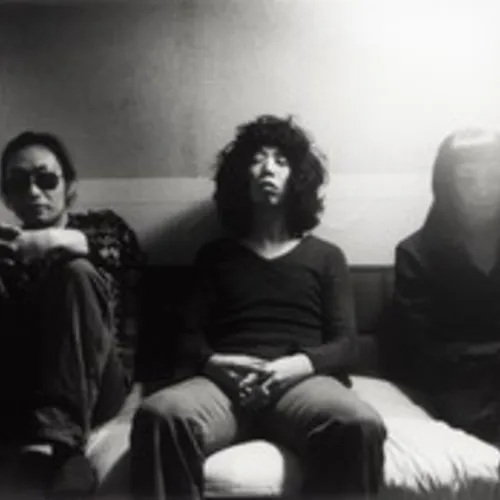
Künstler
ゆらゆら帝国
9680 Follower
Keine demnächst stattfindenden Shows
Schicke eine Anfrage an ゆらゆら帝国, in deiner Stadt aufzutreten
Um eine Show bitten
Ähnliche Künstler auf Tour
Verpassen Sie nie wieder ein ゆらゆら帝国 Konzert.
Erhalten Sie Benachrichtigungen über Tournee-Ankündigungen, Konzert-Tickets und Shows in Ihrer Nähe mit einem kostenlosen Bandsintown-Konto.
Über ゆらゆら帝国
ゆらゆら帝国
A uniquely Japanese hybrid of Jimi Hendrix, Les Rallizes DesNudes, the Velvet Underground, 60's Japanese pop and the 13th Floor Elevators.
Yura Yura Teikoku started as a four piece in 1989. They were fixtures in Tokyo's underground psychedelic scene - they played at the legendary hole-in-the-wall UFO CLUB in Koenji and appeared on premier Japanese psych label PSF's "Tokyo Flashback" compilations. They released a demo cassette and two CDs on their own Jigoku (Hell) label and eventually signed to Captain Trip records, for which they recorded a proper album and a live CD. Their early material was proggy, heavy-psych with lots of dueling guitar solos and bombastic drumwork. Friends who attended shows of this era recall being frightened by singer Sakamoto Shintaro, who at the time shaved off his eyebrows and wore his waist-long hair parted down the middle, traditional Japanese ghost-style. Their fan's devotion was a sign of things to come -- many audience members mimicked Sakamoto and shaved off their own eyebrows. Yura Yura Teikoku were good - Kamekawa Chiyo's hypnotic basslines and Sakamoto's piercing voice distinguished the band from their peers - but material from the early years pales in comparison to their later masterpieces.
In 1992 their second guitar player left and the band went through a succession of drummers. In 1997 current drummer Shibata Ichiro joined the group and the ecstatic psych-pop sound for which Yura Yura Teikoku would become famous was born. In 1998 Tokyo's MIDI Records released the three-piece's first major album, 333. Every music magazine in the country lavished the record with praise and their fan base exploded overnight. Yura Yura Teikoku songs popped up in karaoke booths and their shows were swamped with worshipping fans. Since 1999, getting tickets to one of their performances has been near impossible - shows sell out in a matter of minutes. What happened?
Yura Yura Teikoku are the first and only Japanese underground psychedelic rock group to have achieved "overground" success. Yura Yura Teikoku look and sound like no other band in Japan, and their widespread popularity strikes most followers of underground psychedelic music as just plain...weird. For me, what's really weird is that they've followed their masterpiece 333 with four albums of equal brilliance, inspiration and growth. They've become more experimental with each album yet continue to attract more fans.
- -
taken from : www.mesh-key.com/yura.html
Yura Yura Teikoku:
I have several pet peeves, not least of which is people who walk around smiling all the time. I always wonder what could possibly be so good about their life, what they could possibly know to make everything seem so grand. Listening to Yura Yura Teikoku's psychedelic guitar pop is like watching one of these people walk around all the while knowing exactly why they're smiling. They are completely, 100%, bat-shit crazy. On first listen (especially if it's one of their singles), Yura Yura Teikoku may seem like a typical, if unusually talented, guitar pop 3 piece. But as one listens more it becomes obvious that they are anything but average.
In 1989, Shintarou Sakamoto formed Yura Yura Teikoku with the idea of creating original rock written in Japanese. From the beginning, Sakamoto was the leader of the band and clearly the creative driving force. He shows great proficiency with a number of styles, excelling whether he's writing pop chord progressions, cool psychedelic grooves or meandering guitar solos. Sakamoto's other great strength are his vocals, which fit well into every style that the Teikoku plays. The lyrics are ironic, biting, and nihilistic.
In 1990, Bassist Chiyo Kamekawa joined the band, which at the time was a quartet. In 1992, Yura Yura Teikoku underwent a member change and became a 3 piece with a more straightforward, poppy sound. It was also in '92 that Yura Yura Teikoku released their first self-titled album independently. Due to undeniable musical talent and charisma the band carved out a niche for itself in the Tokyo indie live scene. In 1994, the band released their second self-titled album, followed by their first live album in 1995 titled simply Live. The last album of their indie era, Are You Ra?, was released in March of 1996. Are You Ra? is actually the most straightforward of all the Yura Yura Teikoku albums that I have heard, which is an interesting counter to the more usual example of bands getting signed to a major label and being forced to churn out pop singles, losing their uniqueness.
After countless drummer changes in 1997 the current drummer Ichirou Shibata joined, thrusting the band into its current form. In April of 98, their first major label album 3x3x3 was released, receiving nearly universal rave reviews from music magazines as well as fellow musicians, a fitting reception for a band that paid its dues in the indie scene for 8 years. 3x3x3 is regarded by many fans as the band's crowning achievement, carrying over much of the style of their earlier indie releases but executing it with greater cohesion.
Since 3x3x3, they have released 4 studio albums: Me No Car, III, Yura Yura Teikoku No Memai, and Yura Yura Teikoku No Shibire. Each consecutive release has ventured farther from the guitar pop territory into the realm of psychedelic rock. They have also released a live version of their Shibire and Memai records called NA.MA.SHI.BI.RE.NA.MA.ME.MA.I and a best of album 1998-2004. Yura Yura Teikoku continues to play shows throughout Japan and has further plans to release studio albums. They recently pleased fans with an announcement that they would play two free shows in Tokyo and Osaka, April 2005.
- Graham (published 2005.02.27, updated 2006.03.27)
Taken from www.keikaku.net
Yura Yura Teikoku started as a four piece in 1989. They were fixtures in Tokyo's underground psychedelic scene - they played at the legendary hole-in-the-wall UFO CLUB in Koenji and appeared on premier Japanese psych label PSF's "Tokyo Flashback" compilations. They released a demo cassette and two CDs on their own Jigoku (Hell) label and eventually signed to Captain Trip records, for which they recorded a proper album and a live CD. Their early material was proggy, heavy-psych with lots of dueling guitar solos and bombastic drumwork. Friends who attended shows of this era recall being frightened by singer Sakamoto Shintaro, who at the time shaved off his eyebrows and wore his waist-long hair parted down the middle, traditional Japanese ghost-style. Their fan's devotion was a sign of things to come -- many audience members mimicked Sakamoto and shaved off their own eyebrows. Yura Yura Teikoku were good - Kamekawa Chiyo's hypnotic basslines and Sakamoto's piercing voice distinguished the band from their peers - but material from the early years pales in comparison to their later masterpieces.
In 1992 their second guitar player left and the band went through a succession of drummers. In 1997 current drummer Shibata Ichiro joined the group and the ecstatic psych-pop sound for which Yura Yura Teikoku would become famous was born. In 1998 Tokyo's MIDI Records released the three-piece's first major album, 333. Every music magazine in the country lavished the record with praise and their fan base exploded overnight. Yura Yura Teikoku songs popped up in karaoke booths and their shows were swamped with worshipping fans. Since 1999, getting tickets to one of their performances has been near impossible - shows sell out in a matter of minutes. What happened?
Yura Yura Teikoku are the first and only Japanese underground psychedelic rock group to have achieved "overground" success. Yura Yura Teikoku look and sound like no other band in Japan, and their widespread popularity strikes most followers of underground psychedelic music as just plain...weird. For me, what's really weird is that they've followed their masterpiece 333 with four albums of equal brilliance, inspiration and growth. They've become more experimental with each album yet continue to attract more fans.
- -
taken from : www.mesh-key.com/yura.html
Yura Yura Teikoku:
I have several pet peeves, not least of which is people who walk around smiling all the time. I always wonder what could possibly be so good about their life, what they could possibly know to make everything seem so grand. Listening to Yura Yura Teikoku's psychedelic guitar pop is like watching one of these people walk around all the while knowing exactly why they're smiling. They are completely, 100%, bat-shit crazy. On first listen (especially if it's one of their singles), Yura Yura Teikoku may seem like a typical, if unusually talented, guitar pop 3 piece. But as one listens more it becomes obvious that they are anything but average.
In 1989, Shintarou Sakamoto formed Yura Yura Teikoku with the idea of creating original rock written in Japanese. From the beginning, Sakamoto was the leader of the band and clearly the creative driving force. He shows great proficiency with a number of styles, excelling whether he's writing pop chord progressions, cool psychedelic grooves or meandering guitar solos. Sakamoto's other great strength are his vocals, which fit well into every style that the Teikoku plays. The lyrics are ironic, biting, and nihilistic.
In 1990, Bassist Chiyo Kamekawa joined the band, which at the time was a quartet. In 1992, Yura Yura Teikoku underwent a member change and became a 3 piece with a more straightforward, poppy sound. It was also in '92 that Yura Yura Teikoku released their first self-titled album independently. Due to undeniable musical talent and charisma the band carved out a niche for itself in the Tokyo indie live scene. In 1994, the band released their second self-titled album, followed by their first live album in 1995 titled simply Live. The last album of their indie era, Are You Ra?, was released in March of 1996. Are You Ra? is actually the most straightforward of all the Yura Yura Teikoku albums that I have heard, which is an interesting counter to the more usual example of bands getting signed to a major label and being forced to churn out pop singles, losing their uniqueness.
After countless drummer changes in 1997 the current drummer Ichirou Shibata joined, thrusting the band into its current form. In April of 98, their first major label album 3x3x3 was released, receiving nearly universal rave reviews from music magazines as well as fellow musicians, a fitting reception for a band that paid its dues in the indie scene for 8 years. 3x3x3 is regarded by many fans as the band's crowning achievement, carrying over much of the style of their earlier indie releases but executing it with greater cohesion.
Since 3x3x3, they have released 4 studio albums: Me No Car, III, Yura Yura Teikoku No Memai, and Yura Yura Teikoku No Shibire. Each consecutive release has ventured farther from the guitar pop territory into the realm of psychedelic rock. They have also released a live version of their Shibire and Memai records called NA.MA.SHI.BI.RE.NA.MA.ME.MA.I and a best of album 1998-2004. Yura Yura Teikoku continues to play shows throughout Japan and has further plans to release studio albums. They recently pleased fans with an announcement that they would play two free shows in Tokyo and Osaka, April 2005.
- Graham (published 2005.02.27, updated 2006.03.27)
Taken from www.keikaku.net
Mehr anzeigen
Keine demnächst stattfindenden Shows
Schicke eine Anfrage an ゆらゆら帝国, in deiner Stadt aufzutreten
Um eine Show bitten
Ähnliche Künstler auf Tour
Über ゆらゆら帝国
ゆらゆら帝国
A uniquely Japanese hybrid of Jimi Hendrix, Les Rallizes DesNudes, the Velvet Underground, 60's Japanese pop and the 13th Floor Elevators.
Yura Yura Teikoku started as a four piece in 1989. They were fixtures in Tokyo's underground psychedelic scene - they played at the legendary hole-in-the-wall UFO CLUB in Koenji and appeared on premier Japanese psych label PSF's "Tokyo Flashback" compilations. They released a demo cassette and two CDs on their own Jigoku (Hell) label and eventually signed to Captain Trip records, for which they recorded a proper album and a live CD. Their early material was proggy, heavy-psych with lots of dueling guitar solos and bombastic drumwork. Friends who attended shows of this era recall being frightened by singer Sakamoto Shintaro, who at the time shaved off his eyebrows and wore his waist-long hair parted down the middle, traditional Japanese ghost-style. Their fan's devotion was a sign of things to come -- many audience members mimicked Sakamoto and shaved off their own eyebrows. Yura Yura Teikoku were good - Kamekawa Chiyo's hypnotic basslines and Sakamoto's piercing voice distinguished the band from their peers - but material from the early years pales in comparison to their later masterpieces.
In 1992 their second guitar player left and the band went through a succession of drummers. In 1997 current drummer Shibata Ichiro joined the group and the ecstatic psych-pop sound for which Yura Yura Teikoku would become famous was born. In 1998 Tokyo's MIDI Records released the three-piece's first major album, 333. Every music magazine in the country lavished the record with praise and their fan base exploded overnight. Yura Yura Teikoku songs popped up in karaoke booths and their shows were swamped with worshipping fans. Since 1999, getting tickets to one of their performances has been near impossible - shows sell out in a matter of minutes. What happened?
Yura Yura Teikoku are the first and only Japanese underground psychedelic rock group to have achieved "overground" success. Yura Yura Teikoku look and sound like no other band in Japan, and their widespread popularity strikes most followers of underground psychedelic music as just plain...weird. For me, what's really weird is that they've followed their masterpiece 333 with four albums of equal brilliance, inspiration and growth. They've become more experimental with each album yet continue to attract more fans.
- -
taken from : www.mesh-key.com/yura.html
Yura Yura Teikoku:
I have several pet peeves, not least of which is people who walk around smiling all the time. I always wonder what could possibly be so good about their life, what they could possibly know to make everything seem so grand. Listening to Yura Yura Teikoku's psychedelic guitar pop is like watching one of these people walk around all the while knowing exactly why they're smiling. They are completely, 100%, bat-shit crazy. On first listen (especially if it's one of their singles), Yura Yura Teikoku may seem like a typical, if unusually talented, guitar pop 3 piece. But as one listens more it becomes obvious that they are anything but average.
In 1989, Shintarou Sakamoto formed Yura Yura Teikoku with the idea of creating original rock written in Japanese. From the beginning, Sakamoto was the leader of the band and clearly the creative driving force. He shows great proficiency with a number of styles, excelling whether he's writing pop chord progressions, cool psychedelic grooves or meandering guitar solos. Sakamoto's other great strength are his vocals, which fit well into every style that the Teikoku plays. The lyrics are ironic, biting, and nihilistic.
In 1990, Bassist Chiyo Kamekawa joined the band, which at the time was a quartet. In 1992, Yura Yura Teikoku underwent a member change and became a 3 piece with a more straightforward, poppy sound. It was also in '92 that Yura Yura Teikoku released their first self-titled album independently. Due to undeniable musical talent and charisma the band carved out a niche for itself in the Tokyo indie live scene. In 1994, the band released their second self-titled album, followed by their first live album in 1995 titled simply Live. The last album of their indie era, Are You Ra?, was released in March of 1996. Are You Ra? is actually the most straightforward of all the Yura Yura Teikoku albums that I have heard, which is an interesting counter to the more usual example of bands getting signed to a major label and being forced to churn out pop singles, losing their uniqueness.
After countless drummer changes in 1997 the current drummer Ichirou Shibata joined, thrusting the band into its current form. In April of 98, their first major label album 3x3x3 was released, receiving nearly universal rave reviews from music magazines as well as fellow musicians, a fitting reception for a band that paid its dues in the indie scene for 8 years. 3x3x3 is regarded by many fans as the band's crowning achievement, carrying over much of the style of their earlier indie releases but executing it with greater cohesion.
Since 3x3x3, they have released 4 studio albums: Me No Car, III, Yura Yura Teikoku No Memai, and Yura Yura Teikoku No Shibire. Each consecutive release has ventured farther from the guitar pop territory into the realm of psychedelic rock. They have also released a live version of their Shibire and Memai records called NA.MA.SHI.BI.RE.NA.MA.ME.MA.I and a best of album 1998-2004. Yura Yura Teikoku continues to play shows throughout Japan and has further plans to release studio albums. They recently pleased fans with an announcement that they would play two free shows in Tokyo and Osaka, April 2005.
- Graham (published 2005.02.27, updated 2006.03.27)
Taken from www.keikaku.net
Yura Yura Teikoku started as a four piece in 1989. They were fixtures in Tokyo's underground psychedelic scene - they played at the legendary hole-in-the-wall UFO CLUB in Koenji and appeared on premier Japanese psych label PSF's "Tokyo Flashback" compilations. They released a demo cassette and two CDs on their own Jigoku (Hell) label and eventually signed to Captain Trip records, for which they recorded a proper album and a live CD. Their early material was proggy, heavy-psych with lots of dueling guitar solos and bombastic drumwork. Friends who attended shows of this era recall being frightened by singer Sakamoto Shintaro, who at the time shaved off his eyebrows and wore his waist-long hair parted down the middle, traditional Japanese ghost-style. Their fan's devotion was a sign of things to come -- many audience members mimicked Sakamoto and shaved off their own eyebrows. Yura Yura Teikoku were good - Kamekawa Chiyo's hypnotic basslines and Sakamoto's piercing voice distinguished the band from their peers - but material from the early years pales in comparison to their later masterpieces.
In 1992 their second guitar player left and the band went through a succession of drummers. In 1997 current drummer Shibata Ichiro joined the group and the ecstatic psych-pop sound for which Yura Yura Teikoku would become famous was born. In 1998 Tokyo's MIDI Records released the three-piece's first major album, 333. Every music magazine in the country lavished the record with praise and their fan base exploded overnight. Yura Yura Teikoku songs popped up in karaoke booths and their shows were swamped with worshipping fans. Since 1999, getting tickets to one of their performances has been near impossible - shows sell out in a matter of minutes. What happened?
Yura Yura Teikoku are the first and only Japanese underground psychedelic rock group to have achieved "overground" success. Yura Yura Teikoku look and sound like no other band in Japan, and their widespread popularity strikes most followers of underground psychedelic music as just plain...weird. For me, what's really weird is that they've followed their masterpiece 333 with four albums of equal brilliance, inspiration and growth. They've become more experimental with each album yet continue to attract more fans.
- -
taken from : www.mesh-key.com/yura.html
Yura Yura Teikoku:
I have several pet peeves, not least of which is people who walk around smiling all the time. I always wonder what could possibly be so good about their life, what they could possibly know to make everything seem so grand. Listening to Yura Yura Teikoku's psychedelic guitar pop is like watching one of these people walk around all the while knowing exactly why they're smiling. They are completely, 100%, bat-shit crazy. On first listen (especially if it's one of their singles), Yura Yura Teikoku may seem like a typical, if unusually talented, guitar pop 3 piece. But as one listens more it becomes obvious that they are anything but average.
In 1989, Shintarou Sakamoto formed Yura Yura Teikoku with the idea of creating original rock written in Japanese. From the beginning, Sakamoto was the leader of the band and clearly the creative driving force. He shows great proficiency with a number of styles, excelling whether he's writing pop chord progressions, cool psychedelic grooves or meandering guitar solos. Sakamoto's other great strength are his vocals, which fit well into every style that the Teikoku plays. The lyrics are ironic, biting, and nihilistic.
In 1990, Bassist Chiyo Kamekawa joined the band, which at the time was a quartet. In 1992, Yura Yura Teikoku underwent a member change and became a 3 piece with a more straightforward, poppy sound. It was also in '92 that Yura Yura Teikoku released their first self-titled album independently. Due to undeniable musical talent and charisma the band carved out a niche for itself in the Tokyo indie live scene. In 1994, the band released their second self-titled album, followed by their first live album in 1995 titled simply Live. The last album of their indie era, Are You Ra?, was released in March of 1996. Are You Ra? is actually the most straightforward of all the Yura Yura Teikoku albums that I have heard, which is an interesting counter to the more usual example of bands getting signed to a major label and being forced to churn out pop singles, losing their uniqueness.
After countless drummer changes in 1997 the current drummer Ichirou Shibata joined, thrusting the band into its current form. In April of 98, their first major label album 3x3x3 was released, receiving nearly universal rave reviews from music magazines as well as fellow musicians, a fitting reception for a band that paid its dues in the indie scene for 8 years. 3x3x3 is regarded by many fans as the band's crowning achievement, carrying over much of the style of their earlier indie releases but executing it with greater cohesion.
Since 3x3x3, they have released 4 studio albums: Me No Car, III, Yura Yura Teikoku No Memai, and Yura Yura Teikoku No Shibire. Each consecutive release has ventured farther from the guitar pop territory into the realm of psychedelic rock. They have also released a live version of their Shibire and Memai records called NA.MA.SHI.BI.RE.NA.MA.ME.MA.I and a best of album 1998-2004. Yura Yura Teikoku continues to play shows throughout Japan and has further plans to release studio albums. They recently pleased fans with an announcement that they would play two free shows in Tokyo and Osaka, April 2005.
- Graham (published 2005.02.27, updated 2006.03.27)
Taken from www.keikaku.net
Mehr anzeigen
Verpassen Sie nie wieder ein ゆらゆら帝国 Konzert.
Erhalten Sie Benachrichtigungen über Tournee-Ankündigungen, Konzert-Tickets und Shows in Ihrer Nähe mit einem kostenlosen Bandsintown-Konto.
Genieße mit der App Bandsintown das ganze Erlebnis.
