Du hast einen tollen Geschmack!
Melde dich an, um deinen Lieblingskünstlern zu folgen, Veranstaltungen zu speichern und vieles mehr.
Finde Tourdaten und Livemusik-Veranstaltungen für deine Lieblingsbands und -künstler in deiner Stadt. Hol dir mit Bandsintown Konzertkarten, erfahre Neuigkeiten und gib RSVPs zu Konzerten ab.

'%3e %3cpath d='M17.2 8.65233C17.2 3.87262 13.3508 0 8.6 0C3.84919 0 0 3.87262 0 8.65233C0 12.9785 3.12097 16.572 7.24758 17.2V11.1643H5.0629V8.65233H7.24758V6.76836C7.24758 4.60527 8.53065 3.38418 10.4726 3.38418C11.4435 3.38418 12.4145 3.55862 12.4145 3.55862V5.68682H11.3395C10.2645 5.68682 9.91774 6.3497 9.91774 7.04746V8.65233H12.3105L11.929 11.1643H9.91774V17.2C14.0444 16.572 17.2 12.9785 17.2 8.65233Z' fill='%236D6D6D'/%3e %3c/g%3e %3cdefs%3e %3cclipPath id='clip0_11991_110375'%3e %3crect width='17.2' height='17.2' fill='white'/%3e %3c/clipPath%3e %3c/defs%3e %3c/svg%3e)
'%3e %3cpath d='M13.546 0.716797H16.1835L10.4214 7.3954L17.2 16.4835H11.8924L7.73534 10.9716L2.97869 16.4835H0.339647L6.50272 9.33995L0 0.716797H5.44232L9.19996 5.75485L13.546 0.716797ZM12.6204 14.8825H14.0818L4.64822 2.23363H3.07994L12.6204 14.8825Z' fill='%236D6D6D'/%3e %3c/g%3e %3cdefs%3e %3cclipPath id='clip0_11991_110380'%3e %3crect width='17.2' height='17.2' fill='white'/%3e %3c/clipPath%3e %3c/defs%3e %3c/svg%3e)
'%3e %3cpath d='M8.6192 4.16563C6.16205 4.16563 4.20402 6.16205 4.20402 8.5808C4.20402 11.0379 6.16205 12.996 8.6192 12.996C11.0379 12.996 13.0344 11.0379 13.0344 8.5808C13.0344 6.16205 11.0379 4.16563 8.6192 4.16563ZM8.6192 11.4603C7.04509 11.4603 5.73973 10.1933 5.73973 8.5808C5.73973 7.0067 7.0067 5.73973 8.6192 5.73973C10.1933 5.73973 11.4603 7.0067 11.4603 8.5808C11.4603 10.1933 10.1933 11.4603 8.6192 11.4603ZM14.2246 4.01205C14.2246 4.58795 13.7638 5.04866 13.1879 5.04866C12.6121 5.04866 12.1513 4.58795 12.1513 4.01205C12.1513 3.43616 12.6121 2.97545 13.1879 2.97545C13.7638 2.97545 14.2246 3.43616 14.2246 4.01205ZM17.1424 5.04866C17.0656 3.66652 16.7585 2.43795 15.7603 1.43973C14.7621 0.441518 13.5335 0.134375 12.1513 0.0575893C10.7308 -0.0191964 6.4692 -0.0191964 5.04866 0.0575893C3.66652 0.134375 2.47634 0.441518 1.43973 1.43973C0.441518 2.43795 0.134375 3.66652 0.0575893 5.04866C-0.0191964 6.4692 -0.0191964 10.7308 0.0575893 12.1513C0.134375 13.5335 0.441518 14.7237 1.43973 15.7603C2.47634 16.7585 3.66652 17.0656 5.04866 17.1424C6.4692 17.2192 10.7308 17.2192 12.1513 17.1424C13.5335 17.0656 14.7621 16.7585 15.7603 15.7603C16.7585 14.7237 17.0656 13.5335 17.1424 12.1513C17.2192 10.7308 17.2192 6.4692 17.1424 5.04866ZM15.2996 13.6487C15.0308 14.4165 14.4165 14.9924 13.6871 15.2996C12.5353 15.7603 9.84777 15.6451 8.6192 15.6451C7.35223 15.6451 4.66473 15.7603 3.55134 15.2996C2.78348 14.9924 2.20759 14.4165 1.90045 13.6487C1.43973 12.5353 1.55491 9.84777 1.55491 8.5808C1.55491 7.35223 1.43973 4.66473 1.90045 3.51295C2.20759 2.78348 2.78348 2.20759 3.55134 1.90045C4.66473 1.43973 7.35223 1.55491 8.6192 1.55491C9.84777 1.55491 12.5353 1.43973 13.6871 1.90045C14.4165 2.1692 14.9924 2.78348 15.2996 3.51295C15.7603 4.66473 15.6451 7.35223 15.6451 8.5808C15.6451 9.84777 15.7603 12.5353 15.2996 13.6487Z' fill='%236D6D6D'/%3e %3c/g%3e %3cdefs%3e %3cclipPath id='clip0_11991_110387'%3e %3crect width='17.2' height='17.2' fill='white'/%3e %3c/clipPath%3e %3c/defs%3e %3c/svg%3e)


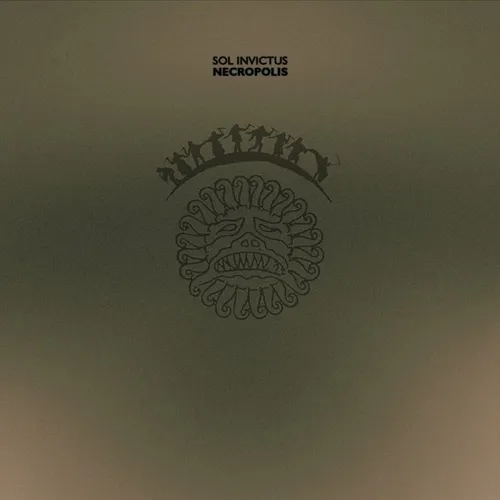
Künstler
Sol Invictus
Verifiziert
8800 Follower
Keine demnächst stattfindenden Shows
Schicke eine Anfrage an Sol Invictus, in deiner Stadt aufzutreten
Um eine Show bitten
Ähnliche Künstler auf Tour
Verpassen Sie nie wieder ein Sol Invictus Konzert.
Erhalten Sie Benachrichtigungen über Tournee-Ankündigungen, Konzert-Tickets und Shows in Ihrer Nähe mit einem kostenlosen Bandsintown-Konto.
Über Sol Invictus
Sol Invictus
Sol Invictus is an English neofolk and neoclassical group fronted by Tony Wakeford.
Wakeford founded Sol Invictus in order to pursue his own musical ideas. He was an original member of Death in June with Douglas P.. He left in 1984 and recorded one album of his own material as Above the Ruins before taking time off to pursue his magical studies. He returned to music and formed Sol Invictus in 1987, working with Ian Read and Karl Blake. He has been the sole constant of the group, as it continues to bring forth new forms and conceptions.
Wakeford has described Sol Invictus as a "cabaret band from Hell for the fin-de-siècle" and has referred to his work as folk noir. He has said the name "comes from a pre-Christian Rome-based cult. Many of its trappings were taken over by the church. The name means 'the unconquered (or victorious) sun', and it was brought back by the legionnaires returning from Persia. The sun has always been an important symbol and as the cult of Sol Invictus nearly defeated Christianity at one point it seemed a good name to use. I also love the sound of Latin. "
Sol Invictus imagery and lyrical content, especially initially, was strongly influenced by radical traditionalism and antipathy for the modern world and materialism; a particular influence was Italian philosopher Julius Evola (the title of the band's first LP, Against the Modern World, is an allusion to Evola's work Revolt Against the Modern World, and the song "Amongst the Ruins" takes its name from Evola's Men Among the Ruins). The band also has considerable interest in Heathen and Mithraist themes, often reflecting an explicit antipathy to Christianity - the 1997 album, The Blade incorporates an Odinic chant, Gealdor, into its varied laments. Wakeford has written from a melancholic position of doomed Romanticism, which laments the loss of beauty, love, and Culture. He sees Americanism as a scourge upon Europe, as expressed with pitch-black humour in his song, "Death of the West" from the album of the same name.
Wakeford founded Sol Invictus in order to pursue his own musical ideas. He was an original member of Death in June with Douglas P.. He left in 1984 and recorded one album of his own material as Above the Ruins before taking time off to pursue his magical studies. He returned to music and formed Sol Invictus in 1987, working with Ian Read and Karl Blake. He has been the sole constant of the group, as it continues to bring forth new forms and conceptions.
Wakeford has described Sol Invictus as a "cabaret band from Hell for the fin-de-siècle" and has referred to his work as folk noir. He has said the name "comes from a pre-Christian Rome-based cult. Many of its trappings were taken over by the church. The name means 'the unconquered (or victorious) sun', and it was brought back by the legionnaires returning from Persia. The sun has always been an important symbol and as the cult of Sol Invictus nearly defeated Christianity at one point it seemed a good name to use. I also love the sound of Latin. "
Sol Invictus imagery and lyrical content, especially initially, was strongly influenced by radical traditionalism and antipathy for the modern world and materialism; a particular influence was Italian philosopher Julius Evola (the title of the band's first LP, Against the Modern World, is an allusion to Evola's work Revolt Against the Modern World, and the song "Amongst the Ruins" takes its name from Evola's Men Among the Ruins). The band also has considerable interest in Heathen and Mithraist themes, often reflecting an explicit antipathy to Christianity - the 1997 album, The Blade incorporates an Odinic chant, Gealdor, into its varied laments. Wakeford has written from a melancholic position of doomed Romanticism, which laments the loss of beauty, love, and Culture. He sees Americanism as a scourge upon Europe, as expressed with pitch-black humour in his song, "Death of the West" from the album of the same name.
Mehr anzeigen
Bandmitglieder:
Rebecca Oppenheimer, Sol Invictus Necropolis, Igor Olejar, Choral composition arrangement by Robyn Sellman of Autorotation, Green Army Choir recording production by Igor Olejar of Autorotation, Robyn Sellman, Tom Fernley, Don Anderson electric guitar, London with Jon Clayton Mixed by Jon Clayton, Tony Wakeford vocals, Liza Graham vocals on The Garden of Love, Galina Deriabina, bowed psaltry, Recorded at Feather Recording London with Tony Wakeford and Freddy Teal, Robyn Selman vocals on See Them, bass guitar, Igor Olejar drums, Susan Matherw Announcer, Donatella Landi, One Cat Studio, Art Layout Axel Torvenius, Photos Lesley Malone, Renee Rosen violin, Eilish McCracken piano, Laura Lee Tanner, Portrait Photos Steve Kenny, octave violin, Roger Cawkwell, Denise Grant, Simon Satori Announcer, Francesca Moralis, Tauras Jucys, Tim Rowe, Green Army Choir Necropolis The Last Man, Caroline Jago bass guitar, mandolin, Juliana Protasova
Heimatort:
London, United Kingdom
Keine demnächst stattfindenden Shows
Schicke eine Anfrage an Sol Invictus, in deiner Stadt aufzutreten
Um eine Show bitten
Ähnliche Künstler auf Tour
Über Sol Invictus
Sol Invictus
Sol Invictus is an English neofolk and neoclassical group fronted by Tony Wakeford.
Wakeford founded Sol Invictus in order to pursue his own musical ideas. He was an original member of Death in June with Douglas P.. He left in 1984 and recorded one album of his own material as Above the Ruins before taking time off to pursue his magical studies. He returned to music and formed Sol Invictus in 1987, working with Ian Read and Karl Blake. He has been the sole constant of the group, as it continues to bring forth new forms and conceptions.
Wakeford has described Sol Invictus as a "cabaret band from Hell for the fin-de-siècle" and has referred to his work as folk noir. He has said the name "comes from a pre-Christian Rome-based cult. Many of its trappings were taken over by the church. The name means 'the unconquered (or victorious) sun', and it was brought back by the legionnaires returning from Persia. The sun has always been an important symbol and as the cult of Sol Invictus nearly defeated Christianity at one point it seemed a good name to use. I also love the sound of Latin. "
Sol Invictus imagery and lyrical content, especially initially, was strongly influenced by radical traditionalism and antipathy for the modern world and materialism; a particular influence was Italian philosopher Julius Evola (the title of the band's first LP, Against the Modern World, is an allusion to Evola's work Revolt Against the Modern World, and the song "Amongst the Ruins" takes its name from Evola's Men Among the Ruins). The band also has considerable interest in Heathen and Mithraist themes, often reflecting an explicit antipathy to Christianity - the 1997 album, The Blade incorporates an Odinic chant, Gealdor, into its varied laments. Wakeford has written from a melancholic position of doomed Romanticism, which laments the loss of beauty, love, and Culture. He sees Americanism as a scourge upon Europe, as expressed with pitch-black humour in his song, "Death of the West" from the album of the same name.
Wakeford founded Sol Invictus in order to pursue his own musical ideas. He was an original member of Death in June with Douglas P.. He left in 1984 and recorded one album of his own material as Above the Ruins before taking time off to pursue his magical studies. He returned to music and formed Sol Invictus in 1987, working with Ian Read and Karl Blake. He has been the sole constant of the group, as it continues to bring forth new forms and conceptions.
Wakeford has described Sol Invictus as a "cabaret band from Hell for the fin-de-siècle" and has referred to his work as folk noir. He has said the name "comes from a pre-Christian Rome-based cult. Many of its trappings were taken over by the church. The name means 'the unconquered (or victorious) sun', and it was brought back by the legionnaires returning from Persia. The sun has always been an important symbol and as the cult of Sol Invictus nearly defeated Christianity at one point it seemed a good name to use. I also love the sound of Latin. "
Sol Invictus imagery and lyrical content, especially initially, was strongly influenced by radical traditionalism and antipathy for the modern world and materialism; a particular influence was Italian philosopher Julius Evola (the title of the band's first LP, Against the Modern World, is an allusion to Evola's work Revolt Against the Modern World, and the song "Amongst the Ruins" takes its name from Evola's Men Among the Ruins). The band also has considerable interest in Heathen and Mithraist themes, often reflecting an explicit antipathy to Christianity - the 1997 album, The Blade incorporates an Odinic chant, Gealdor, into its varied laments. Wakeford has written from a melancholic position of doomed Romanticism, which laments the loss of beauty, love, and Culture. He sees Americanism as a scourge upon Europe, as expressed with pitch-black humour in his song, "Death of the West" from the album of the same name.
Mehr anzeigen
Bandmitglieder:
Rebecca Oppenheimer, Sol Invictus Necropolis, Igor Olejar, Choral composition arrangement by Robyn Sellman of Autorotation, Green Army Choir recording production by Igor Olejar of Autorotation, Robyn Sellman, Tom Fernley, Don Anderson electric guitar, London with Jon Clayton Mixed by Jon Clayton, Tony Wakeford vocals, Liza Graham vocals on The Garden of Love, Galina Deriabina, bowed psaltry, Recorded at Feather Recording London with Tony Wakeford and Freddy Teal, Robyn Selman vocals on See Them, bass guitar, Igor Olejar drums, Susan Matherw Announcer, Donatella Landi, One Cat Studio, Art Layout Axel Torvenius, Photos Lesley Malone, Renee Rosen violin, Eilish McCracken piano, Laura Lee Tanner, Portrait Photos Steve Kenny, octave violin, Roger Cawkwell, Denise Grant, Simon Satori Announcer, Francesca Moralis, Tauras Jucys, Tim Rowe, Green Army Choir Necropolis The Last Man, Caroline Jago bass guitar, mandolin, Juliana Protasova
Heimatort:
London, United Kingdom
Verpassen Sie nie wieder ein Sol Invictus Konzert.
Erhalten Sie Benachrichtigungen über Tournee-Ankündigungen, Konzert-Tickets und Shows in Ihrer Nähe mit einem kostenlosen Bandsintown-Konto.
Genieße mit der App Bandsintown das ganze Erlebnis.
