You’ve got great taste!
Log in to follow your favorite artists, save events, & more.

'%3e %3cpath d='M17.2 8.65233C17.2 3.87262 13.3508 0 8.6 0C3.84919 0 0 3.87262 0 8.65233C0 12.9785 3.12097 16.572 7.24758 17.2V11.1643H5.0629V8.65233H7.24758V6.76836C7.24758 4.60527 8.53065 3.38418 10.4726 3.38418C11.4435 3.38418 12.4145 3.55862 12.4145 3.55862V5.68682H11.3395C10.2645 5.68682 9.91774 6.3497 9.91774 7.04746V8.65233H12.3105L11.929 11.1643H9.91774V17.2C14.0444 16.572 17.2 12.9785 17.2 8.65233Z' fill='%236D6D6D'/%3e %3c/g%3e %3cdefs%3e %3cclipPath id='clip0_11991_110375'%3e %3crect width='17.2' height='17.2' fill='white'/%3e %3c/clipPath%3e %3c/defs%3e %3c/svg%3e)
'%3e %3cpath d='M13.546 0.716797H16.1835L10.4214 7.3954L17.2 16.4835H11.8924L7.73534 10.9716L2.97869 16.4835H0.339647L6.50272 9.33995L0 0.716797H5.44232L9.19996 5.75485L13.546 0.716797ZM12.6204 14.8825H14.0818L4.64822 2.23363H3.07994L12.6204 14.8825Z' fill='%236D6D6D'/%3e %3c/g%3e %3cdefs%3e %3cclipPath id='clip0_11991_110380'%3e %3crect width='17.2' height='17.2' fill='white'/%3e %3c/clipPath%3e %3c/defs%3e %3c/svg%3e)
'%3e %3cpath d='M8.6192 4.16563C6.16205 4.16563 4.20402 6.16205 4.20402 8.5808C4.20402 11.0379 6.16205 12.996 8.6192 12.996C11.0379 12.996 13.0344 11.0379 13.0344 8.5808C13.0344 6.16205 11.0379 4.16563 8.6192 4.16563ZM8.6192 11.4603C7.04509 11.4603 5.73973 10.1933 5.73973 8.5808C5.73973 7.0067 7.0067 5.73973 8.6192 5.73973C10.1933 5.73973 11.4603 7.0067 11.4603 8.5808C11.4603 10.1933 10.1933 11.4603 8.6192 11.4603ZM14.2246 4.01205C14.2246 4.58795 13.7638 5.04866 13.1879 5.04866C12.6121 5.04866 12.1513 4.58795 12.1513 4.01205C12.1513 3.43616 12.6121 2.97545 13.1879 2.97545C13.7638 2.97545 14.2246 3.43616 14.2246 4.01205ZM17.1424 5.04866C17.0656 3.66652 16.7585 2.43795 15.7603 1.43973C14.7621 0.441518 13.5335 0.134375 12.1513 0.0575893C10.7308 -0.0191964 6.4692 -0.0191964 5.04866 0.0575893C3.66652 0.134375 2.47634 0.441518 1.43973 1.43973C0.441518 2.43795 0.134375 3.66652 0.0575893 5.04866C-0.0191964 6.4692 -0.0191964 10.7308 0.0575893 12.1513C0.134375 13.5335 0.441518 14.7237 1.43973 15.7603C2.47634 16.7585 3.66652 17.0656 5.04866 17.1424C6.4692 17.2192 10.7308 17.2192 12.1513 17.1424C13.5335 17.0656 14.7621 16.7585 15.7603 15.7603C16.7585 14.7237 17.0656 13.5335 17.1424 12.1513C17.2192 10.7308 17.2192 6.4692 17.1424 5.04866ZM15.2996 13.6487C15.0308 14.4165 14.4165 14.9924 13.6871 15.2996C12.5353 15.7603 9.84777 15.6451 8.6192 15.6451C7.35223 15.6451 4.66473 15.7603 3.55134 15.2996C2.78348 14.9924 2.20759 14.4165 1.90045 13.6487C1.43973 12.5353 1.55491 9.84777 1.55491 8.5808C1.55491 7.35223 1.43973 4.66473 1.90045 3.51295C2.20759 2.78348 2.78348 2.20759 3.55134 1.90045C4.66473 1.43973 7.35223 1.55491 8.6192 1.55491C9.84777 1.55491 12.5353 1.43973 13.6871 1.90045C14.4165 2.1692 14.9924 2.78348 15.2996 3.51295C15.7603 4.66473 15.6451 7.35223 15.6451 8.5808C15.6451 9.84777 15.7603 12.5353 15.2996 13.6487Z' fill='%236D6D6D'/%3e %3c/g%3e %3cdefs%3e %3cclipPath id='clip0_11991_110387'%3e %3crect width='17.2' height='17.2' fill='white'/%3e %3c/clipPath%3e %3c/defs%3e %3c/svg%3e)


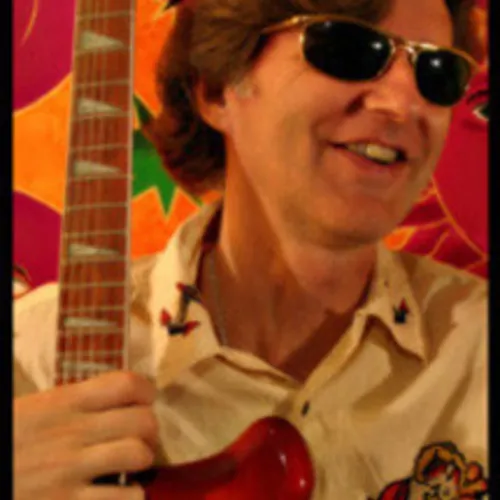
artist
Roine Stolt
2.48K Followers
No upcoming shows
Send a request to Roine Stolt to play in your city
Request a show
Similar Artists On Tour
Never miss another Roine Stolt concert.
Get alerts about tour announcements, concert tickets, and shows near you with a free Bandsintown account.
About Roine Stolt
Roine Stolt
A major figure in Sweden's rock history, guitarist/singer/composer Roine Stolt led two of his country's most successful progressive rock bands: Kaipa in the 1970s and The Flower Kings in the 1990s onward. His distinctive guitar style combined David Gilmour's debonair mid-tempo, Steve Howe's sharp edges, and Frank Zappa's virtuosity. His vision of a positive world governed by beauty (akin to Yes's singer Jon Anderson) gave his music an aura that appealed to many progressive rock fans.
Born in Uppsala, Sweden, on September 5, 1956, Roine Stolt started playing bass in the late '60s in local rock cover bands. He quickly discovered the burgeoning British progressive rock scene and had switched to electric guitar by the summer of 1974 when, at age 17, he became the lead guitarist of the professional prog rock band Kaipa. This band recorded three albums for the Decca label (reissued on CD by Musea) and is still considered to be the most important Scandinavian prog act of the '70s.
Stolt left Kaipa in 1979 to form his own group, Fantasia, who recorded two albums and disbanded in 1983 after a second, more commercially oriented LP for Warner. Stolt then started to work as a session musician and record producer, drifting away from symphonic rock esthetics, something very obvious on his Hall and Oates-like 1985 solo album, "Behind the Walls" (his first performance as a lead singer) and The Lonely Heartbeat, released in 1989 under the name Stolt.
Witnessing the progressive rock revival of the 1990s, a movement that partly originated from Sweden with bands like Anekdoten and Änglagård, Roine Stolt was quick to come back to his ancient love. Recruiting ex-Jonas Hellborg drummer Jaime Salazar and ex-Samla Mammas Manna percussionist Hasse Bruniusson, he released The Flower King in August 1994. Stimulated by the warm response, he enlisted brother Michael Stolt (bass, vocals) and longtime friend Tomas Bodin (keyboards) and formed The Flower Kings, which would remain his principal musical project for years to come.
At the helm of the Flower Kings, Stolt experienced international fame as the band became, with U.S.A.'s Spock's Beard, the best-selling 1990s prog rock act. Albums were released at an incredible rate: six studio albums (including two two-CD sets) in the band's first six years of existence. Meanwhile, Stolt found time to record another solo album, Hydrophonia (this time an instrumental symphonic prog CD), another one 2CD album Wall Street Voodoo and was part of the prog rock supergroup project Transatlantic, who released SMPTe and Bridge Across Forever and two 2-CD lives.
Born in Uppsala, Sweden, on September 5, 1956, Roine Stolt started playing bass in the late '60s in local rock cover bands. He quickly discovered the burgeoning British progressive rock scene and had switched to electric guitar by the summer of 1974 when, at age 17, he became the lead guitarist of the professional prog rock band Kaipa. This band recorded three albums for the Decca label (reissued on CD by Musea) and is still considered to be the most important Scandinavian prog act of the '70s.
Stolt left Kaipa in 1979 to form his own group, Fantasia, who recorded two albums and disbanded in 1983 after a second, more commercially oriented LP for Warner. Stolt then started to work as a session musician and record producer, drifting away from symphonic rock esthetics, something very obvious on his Hall and Oates-like 1985 solo album, "Behind the Walls" (his first performance as a lead singer) and The Lonely Heartbeat, released in 1989 under the name Stolt.
Witnessing the progressive rock revival of the 1990s, a movement that partly originated from Sweden with bands like Anekdoten and Änglagård, Roine Stolt was quick to come back to his ancient love. Recruiting ex-Jonas Hellborg drummer Jaime Salazar and ex-Samla Mammas Manna percussionist Hasse Bruniusson, he released The Flower King in August 1994. Stimulated by the warm response, he enlisted brother Michael Stolt (bass, vocals) and longtime friend Tomas Bodin (keyboards) and formed The Flower Kings, which would remain his principal musical project for years to come.
At the helm of the Flower Kings, Stolt experienced international fame as the band became, with U.S.A.'s Spock's Beard, the best-selling 1990s prog rock act. Albums were released at an incredible rate: six studio albums (including two two-CD sets) in the band's first six years of existence. Meanwhile, Stolt found time to record another solo album, Hydrophonia (this time an instrumental symphonic prog CD), another one 2CD album Wall Street Voodoo and was part of the prog rock supergroup project Transatlantic, who released SMPTe and Bridge Across Forever and two 2-CD lives.
Show More
No upcoming shows
Send a request to Roine Stolt to play in your city
Request a show
Similar Artists On Tour
About Roine Stolt
Roine Stolt
A major figure in Sweden's rock history, guitarist/singer/composer Roine Stolt led two of his country's most successful progressive rock bands: Kaipa in the 1970s and The Flower Kings in the 1990s onward. His distinctive guitar style combined David Gilmour's debonair mid-tempo, Steve Howe's sharp edges, and Frank Zappa's virtuosity. His vision of a positive world governed by beauty (akin to Yes's singer Jon Anderson) gave his music an aura that appealed to many progressive rock fans.
Born in Uppsala, Sweden, on September 5, 1956, Roine Stolt started playing bass in the late '60s in local rock cover bands. He quickly discovered the burgeoning British progressive rock scene and had switched to electric guitar by the summer of 1974 when, at age 17, he became the lead guitarist of the professional prog rock band Kaipa. This band recorded three albums for the Decca label (reissued on CD by Musea) and is still considered to be the most important Scandinavian prog act of the '70s.
Stolt left Kaipa in 1979 to form his own group, Fantasia, who recorded two albums and disbanded in 1983 after a second, more commercially oriented LP for Warner. Stolt then started to work as a session musician and record producer, drifting away from symphonic rock esthetics, something very obvious on his Hall and Oates-like 1985 solo album, "Behind the Walls" (his first performance as a lead singer) and The Lonely Heartbeat, released in 1989 under the name Stolt.
Witnessing the progressive rock revival of the 1990s, a movement that partly originated from Sweden with bands like Anekdoten and Änglagård, Roine Stolt was quick to come back to his ancient love. Recruiting ex-Jonas Hellborg drummer Jaime Salazar and ex-Samla Mammas Manna percussionist Hasse Bruniusson, he released The Flower King in August 1994. Stimulated by the warm response, he enlisted brother Michael Stolt (bass, vocals) and longtime friend Tomas Bodin (keyboards) and formed The Flower Kings, which would remain his principal musical project for years to come.
At the helm of the Flower Kings, Stolt experienced international fame as the band became, with U.S.A.'s Spock's Beard, the best-selling 1990s prog rock act. Albums were released at an incredible rate: six studio albums (including two two-CD sets) in the band's first six years of existence. Meanwhile, Stolt found time to record another solo album, Hydrophonia (this time an instrumental symphonic prog CD), another one 2CD album Wall Street Voodoo and was part of the prog rock supergroup project Transatlantic, who released SMPTe and Bridge Across Forever and two 2-CD lives.
Born in Uppsala, Sweden, on September 5, 1956, Roine Stolt started playing bass in the late '60s in local rock cover bands. He quickly discovered the burgeoning British progressive rock scene and had switched to electric guitar by the summer of 1974 when, at age 17, he became the lead guitarist of the professional prog rock band Kaipa. This band recorded three albums for the Decca label (reissued on CD by Musea) and is still considered to be the most important Scandinavian prog act of the '70s.
Stolt left Kaipa in 1979 to form his own group, Fantasia, who recorded two albums and disbanded in 1983 after a second, more commercially oriented LP for Warner. Stolt then started to work as a session musician and record producer, drifting away from symphonic rock esthetics, something very obvious on his Hall and Oates-like 1985 solo album, "Behind the Walls" (his first performance as a lead singer) and The Lonely Heartbeat, released in 1989 under the name Stolt.
Witnessing the progressive rock revival of the 1990s, a movement that partly originated from Sweden with bands like Anekdoten and Änglagård, Roine Stolt was quick to come back to his ancient love. Recruiting ex-Jonas Hellborg drummer Jaime Salazar and ex-Samla Mammas Manna percussionist Hasse Bruniusson, he released The Flower King in August 1994. Stimulated by the warm response, he enlisted brother Michael Stolt (bass, vocals) and longtime friend Tomas Bodin (keyboards) and formed The Flower Kings, which would remain his principal musical project for years to come.
At the helm of the Flower Kings, Stolt experienced international fame as the band became, with U.S.A.'s Spock's Beard, the best-selling 1990s prog rock act. Albums were released at an incredible rate: six studio albums (including two two-CD sets) in the band's first six years of existence. Meanwhile, Stolt found time to record another solo album, Hydrophonia (this time an instrumental symphonic prog CD), another one 2CD album Wall Street Voodoo and was part of the prog rock supergroup project Transatlantic, who released SMPTe and Bridge Across Forever and two 2-CD lives.
Show More
Never miss another Roine Stolt concert.
Get alerts about tour announcements, concert tickets, and shows near you with a free Bandsintown account.