You’ve got great taste!
Log in to follow your favorite artists, save events, & more.

'%3e %3cpath d='M17.2 8.65233C17.2 3.87262 13.3508 0 8.6 0C3.84919 0 0 3.87262 0 8.65233C0 12.9785 3.12097 16.572 7.24758 17.2V11.1643H5.0629V8.65233H7.24758V6.76836C7.24758 4.60527 8.53065 3.38418 10.4726 3.38418C11.4435 3.38418 12.4145 3.55862 12.4145 3.55862V5.68682H11.3395C10.2645 5.68682 9.91774 6.3497 9.91774 7.04746V8.65233H12.3105L11.929 11.1643H9.91774V17.2C14.0444 16.572 17.2 12.9785 17.2 8.65233Z' fill='%236D6D6D'/%3e %3c/g%3e %3cdefs%3e %3cclipPath id='clip0_11991_110375'%3e %3crect width='17.2' height='17.2' fill='white'/%3e %3c/clipPath%3e %3c/defs%3e %3c/svg%3e)
'%3e %3cpath d='M13.546 0.716797H16.1835L10.4214 7.3954L17.2 16.4835H11.8924L7.73534 10.9716L2.97869 16.4835H0.339647L6.50272 9.33995L0 0.716797H5.44232L9.19996 5.75485L13.546 0.716797ZM12.6204 14.8825H14.0818L4.64822 2.23363H3.07994L12.6204 14.8825Z' fill='%236D6D6D'/%3e %3c/g%3e %3cdefs%3e %3cclipPath id='clip0_11991_110380'%3e %3crect width='17.2' height='17.2' fill='white'/%3e %3c/clipPath%3e %3c/defs%3e %3c/svg%3e)
'%3e %3cpath d='M8.6192 4.16563C6.16205 4.16563 4.20402 6.16205 4.20402 8.5808C4.20402 11.0379 6.16205 12.996 8.6192 12.996C11.0379 12.996 13.0344 11.0379 13.0344 8.5808C13.0344 6.16205 11.0379 4.16563 8.6192 4.16563ZM8.6192 11.4603C7.04509 11.4603 5.73973 10.1933 5.73973 8.5808C5.73973 7.0067 7.0067 5.73973 8.6192 5.73973C10.1933 5.73973 11.4603 7.0067 11.4603 8.5808C11.4603 10.1933 10.1933 11.4603 8.6192 11.4603ZM14.2246 4.01205C14.2246 4.58795 13.7638 5.04866 13.1879 5.04866C12.6121 5.04866 12.1513 4.58795 12.1513 4.01205C12.1513 3.43616 12.6121 2.97545 13.1879 2.97545C13.7638 2.97545 14.2246 3.43616 14.2246 4.01205ZM17.1424 5.04866C17.0656 3.66652 16.7585 2.43795 15.7603 1.43973C14.7621 0.441518 13.5335 0.134375 12.1513 0.0575893C10.7308 -0.0191964 6.4692 -0.0191964 5.04866 0.0575893C3.66652 0.134375 2.47634 0.441518 1.43973 1.43973C0.441518 2.43795 0.134375 3.66652 0.0575893 5.04866C-0.0191964 6.4692 -0.0191964 10.7308 0.0575893 12.1513C0.134375 13.5335 0.441518 14.7237 1.43973 15.7603C2.47634 16.7585 3.66652 17.0656 5.04866 17.1424C6.4692 17.2192 10.7308 17.2192 12.1513 17.1424C13.5335 17.0656 14.7621 16.7585 15.7603 15.7603C16.7585 14.7237 17.0656 13.5335 17.1424 12.1513C17.2192 10.7308 17.2192 6.4692 17.1424 5.04866ZM15.2996 13.6487C15.0308 14.4165 14.4165 14.9924 13.6871 15.2996C12.5353 15.7603 9.84777 15.6451 8.6192 15.6451C7.35223 15.6451 4.66473 15.7603 3.55134 15.2996C2.78348 14.9924 2.20759 14.4165 1.90045 13.6487C1.43973 12.5353 1.55491 9.84777 1.55491 8.5808C1.55491 7.35223 1.43973 4.66473 1.90045 3.51295C2.20759 2.78348 2.78348 2.20759 3.55134 1.90045C4.66473 1.43973 7.35223 1.55491 8.6192 1.55491C9.84777 1.55491 12.5353 1.43973 13.6871 1.90045C14.4165 2.1692 14.9924 2.78348 15.2996 3.51295C15.7603 4.66473 15.6451 7.35223 15.6451 8.5808C15.6451 9.84777 15.7603 12.5353 15.2996 13.6487Z' fill='%236D6D6D'/%3e %3c/g%3e %3cdefs%3e %3cclipPath id='clip0_11991_110387'%3e %3crect width='17.2' height='17.2' fill='white'/%3e %3c/clipPath%3e %3c/defs%3e %3c/svg%3e)


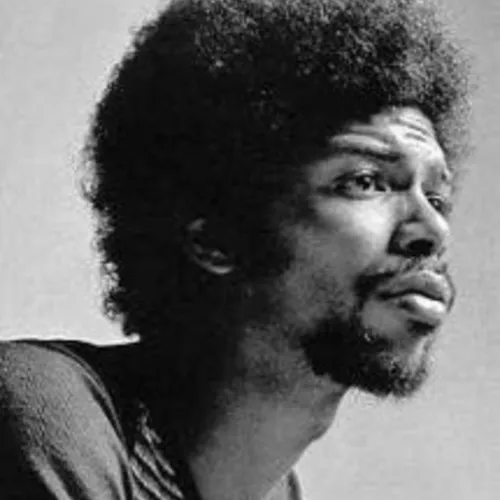
artist
Gil Scott-Heron
127K Followers
Similar Artists On Tour
Gil Scott-Heron merch
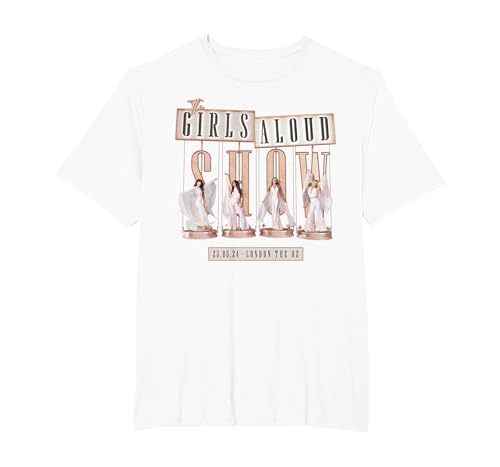
Girls Aloud Arena Tour 2024 London Day 3 T-Shirt
$35.00

Revolution Will Not Be Televised
$15.99

Pieces of a Man
$29.21

Pieces of a Man
$14.98

I'm New Here
$29.99
 View all
Never miss another concert.
Find similar artists and get alerts about tour announcements, concert tickets, and shows near you with a free Bandsintown account.
About Gil Scott-Heron
Gil Scott-Heron
Gil Scott-Heron (born April 1, 1949 in Chicago) is an American poet and musician, known primarily for his late 1960s and early 1970s work as a spoken word performer, associated with African American militant activists. Heron is perhaps most well known for his poems/songs "The Revolution Will Not Be Televised" and "What's the Word - Johannesburg" a movement hit during the 1980's South Africa college and national divestment movement.
He began recording in 1970 with the LP Small Talk at 125th and Lenox with the assistance of Bob Thiele Flying Dutchman Records, co-writer Brian Jackson, Hubert Laws, Bernard Purdie (who later recorded "Delights of the Garden" with The Last Poets), Charlie Saunders, Eddie Knowles, Ron Carter and Bert Jones, all jazz musicians (see 1970 in music). The album included the aggressive diatribe against white-owned corporate media and middle-class America's ignorance of the problems of inner cities in songs such as Whitey On The Moon.
The 1971 Pieces of a Man used more conventional song structures than the loose, spoken word feel of his first, though he didn't reach the charts until 1975 with "Johannesburg". His biggest hit was 1978's "The Bottle", produced by Heron and longtime partner Brian Jackson, which peaked at #15 on the R&B charts (see 1978 in music).
He began recording in 1970 with the LP Small Talk at 125th and Lenox with the assistance of Bob Thiele Flying Dutchman Records, co-writer Brian Jackson, Hubert Laws, Bernard Purdie (who later recorded "Delights of the Garden" with The Last Poets), Charlie Saunders, Eddie Knowles, Ron Carter and Bert Jones, all jazz musicians (see 1970 in music). The album included the aggressive diatribe against white-owned corporate media and middle-class America's ignorance of the problems of inner cities in songs such as Whitey On The Moon.
The 1971 Pieces of a Man used more conventional song structures than the loose, spoken word feel of his first, though he didn't reach the charts until 1975 with "Johannesburg". His biggest hit was 1978's "The Bottle", produced by Heron and longtime partner Brian Jackson, which peaked at #15 on the R&B charts (see 1978 in music).
Show More
Similar Artists On Tour
Gil Scott-Heron merch
Girls Aloud Arena Tour 2024 London Day 3 T-Shirt
$35.00
Revolution Will Not Be Televised
$15.99
Pieces of a Man
$29.21
Pieces of a Man
$14.98
I'm New Here
$29.99
View allAbout Gil Scott-Heron
Gil Scott-Heron
Gil Scott-Heron (born April 1, 1949 in Chicago) is an American poet and musician, known primarily for his late 1960s and early 1970s work as a spoken word performer, associated with African American militant activists. Heron is perhaps most well known for his poems/songs "The Revolution Will Not Be Televised" and "What's the Word - Johannesburg" a movement hit during the 1980's South Africa college and national divestment movement.
He began recording in 1970 with the LP Small Talk at 125th and Lenox with the assistance of Bob Thiele Flying Dutchman Records, co-writer Brian Jackson, Hubert Laws, Bernard Purdie (who later recorded "Delights of the Garden" with The Last Poets), Charlie Saunders, Eddie Knowles, Ron Carter and Bert Jones, all jazz musicians (see 1970 in music). The album included the aggressive diatribe against white-owned corporate media and middle-class America's ignorance of the problems of inner cities in songs such as Whitey On The Moon.
The 1971 Pieces of a Man used more conventional song structures than the loose, spoken word feel of his first, though he didn't reach the charts until 1975 with "Johannesburg". His biggest hit was 1978's "The Bottle", produced by Heron and longtime partner Brian Jackson, which peaked at #15 on the R&B charts (see 1978 in music).
He began recording in 1970 with the LP Small Talk at 125th and Lenox with the assistance of Bob Thiele Flying Dutchman Records, co-writer Brian Jackson, Hubert Laws, Bernard Purdie (who later recorded "Delights of the Garden" with The Last Poets), Charlie Saunders, Eddie Knowles, Ron Carter and Bert Jones, all jazz musicians (see 1970 in music). The album included the aggressive diatribe against white-owned corporate media and middle-class America's ignorance of the problems of inner cities in songs such as Whitey On The Moon.
The 1971 Pieces of a Man used more conventional song structures than the loose, spoken word feel of his first, though he didn't reach the charts until 1975 with "Johannesburg". His biggest hit was 1978's "The Bottle", produced by Heron and longtime partner Brian Jackson, which peaked at #15 on the R&B charts (see 1978 in music).
Show More
Never miss another concert.
Find similar artists and get alerts about tour announcements, concert tickets, and shows near you with a free Bandsintown account.
Get the full experience with the Bandsintown app.
