You’ve got great taste!
Log in to follow your favorite artists, save events, & more.

'%3e %3cpath d='M17.2 8.65233C17.2 3.87262 13.3508 0 8.6 0C3.84919 0 0 3.87262 0 8.65233C0 12.9785 3.12097 16.572 7.24758 17.2V11.1643H5.0629V8.65233H7.24758V6.76836C7.24758 4.60527 8.53065 3.38418 10.4726 3.38418C11.4435 3.38418 12.4145 3.55862 12.4145 3.55862V5.68682H11.3395C10.2645 5.68682 9.91774 6.3497 9.91774 7.04746V8.65233H12.3105L11.929 11.1643H9.91774V17.2C14.0444 16.572 17.2 12.9785 17.2 8.65233Z' fill='%236D6D6D'/%3e %3c/g%3e %3cdefs%3e %3cclipPath id='clip0_11991_110375'%3e %3crect width='17.2' height='17.2' fill='white'/%3e %3c/clipPath%3e %3c/defs%3e %3c/svg%3e)
'%3e %3cpath d='M13.546 0.716797H16.1835L10.4214 7.3954L17.2 16.4835H11.8924L7.73534 10.9716L2.97869 16.4835H0.339647L6.50272 9.33995L0 0.716797H5.44232L9.19996 5.75485L13.546 0.716797ZM12.6204 14.8825H14.0818L4.64822 2.23363H3.07994L12.6204 14.8825Z' fill='%236D6D6D'/%3e %3c/g%3e %3cdefs%3e %3cclipPath id='clip0_11991_110380'%3e %3crect width='17.2' height='17.2' fill='white'/%3e %3c/clipPath%3e %3c/defs%3e %3c/svg%3e)
'%3e %3cpath d='M8.6192 4.16563C6.16205 4.16563 4.20402 6.16205 4.20402 8.5808C4.20402 11.0379 6.16205 12.996 8.6192 12.996C11.0379 12.996 13.0344 11.0379 13.0344 8.5808C13.0344 6.16205 11.0379 4.16563 8.6192 4.16563ZM8.6192 11.4603C7.04509 11.4603 5.73973 10.1933 5.73973 8.5808C5.73973 7.0067 7.0067 5.73973 8.6192 5.73973C10.1933 5.73973 11.4603 7.0067 11.4603 8.5808C11.4603 10.1933 10.1933 11.4603 8.6192 11.4603ZM14.2246 4.01205C14.2246 4.58795 13.7638 5.04866 13.1879 5.04866C12.6121 5.04866 12.1513 4.58795 12.1513 4.01205C12.1513 3.43616 12.6121 2.97545 13.1879 2.97545C13.7638 2.97545 14.2246 3.43616 14.2246 4.01205ZM17.1424 5.04866C17.0656 3.66652 16.7585 2.43795 15.7603 1.43973C14.7621 0.441518 13.5335 0.134375 12.1513 0.0575893C10.7308 -0.0191964 6.4692 -0.0191964 5.04866 0.0575893C3.66652 0.134375 2.47634 0.441518 1.43973 1.43973C0.441518 2.43795 0.134375 3.66652 0.0575893 5.04866C-0.0191964 6.4692 -0.0191964 10.7308 0.0575893 12.1513C0.134375 13.5335 0.441518 14.7237 1.43973 15.7603C2.47634 16.7585 3.66652 17.0656 5.04866 17.1424C6.4692 17.2192 10.7308 17.2192 12.1513 17.1424C13.5335 17.0656 14.7621 16.7585 15.7603 15.7603C16.7585 14.7237 17.0656 13.5335 17.1424 12.1513C17.2192 10.7308 17.2192 6.4692 17.1424 5.04866ZM15.2996 13.6487C15.0308 14.4165 14.4165 14.9924 13.6871 15.2996C12.5353 15.7603 9.84777 15.6451 8.6192 15.6451C7.35223 15.6451 4.66473 15.7603 3.55134 15.2996C2.78348 14.9924 2.20759 14.4165 1.90045 13.6487C1.43973 12.5353 1.55491 9.84777 1.55491 8.5808C1.55491 7.35223 1.43973 4.66473 1.90045 3.51295C2.20759 2.78348 2.78348 2.20759 3.55134 1.90045C4.66473 1.43973 7.35223 1.55491 8.6192 1.55491C9.84777 1.55491 12.5353 1.43973 13.6871 1.90045C14.4165 2.1692 14.9924 2.78348 15.2996 3.51295C15.7603 4.66473 15.6451 7.35223 15.6451 8.5808C15.6451 9.84777 15.7603 12.5353 15.2996 13.6487Z' fill='%236D6D6D'/%3e %3c/g%3e %3cdefs%3e %3cclipPath id='clip0_11991_110387'%3e %3crect width='17.2' height='17.2' fill='white'/%3e %3c/clipPath%3e %3c/defs%3e %3c/svg%3e)


artist
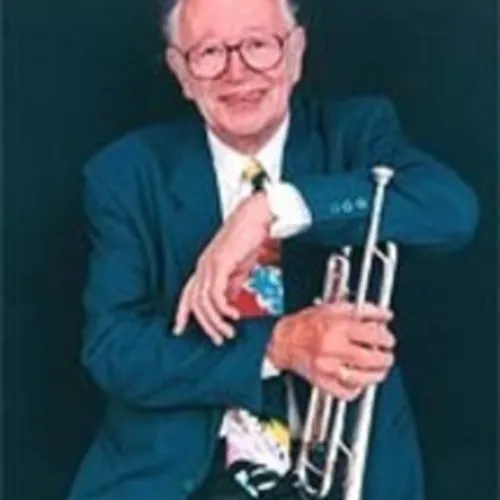
Humphrey Lyttelton
805 Followers
No upcoming shows
Send a request to Humphrey Lyttelton to play in your city
Request a show
Never miss another Humphrey Lyttelton concert.
Get alerts about tour announcements, concert tickets, and shows near you with a free Bandsintown account.
About Humphrey Lyttelton
Humphrey Lyttelton
Humphrey Richard Adeane Lyttelton (23 May 1921--25 April 2008), also known as 'Humph', was a well-known British jazz musician and broadcaster, and chairman of the BBC radio programme I'm Sorry I Haven't a Clue.
In the late 1940s and early 1950s Lyttelton was prominent in the British revival of traditional jazz forms from New Orleans, recording with Sidney Bechet in 1949. To do so he had to break with the Musicians' Union restrictive practices which forbade working with jazz musicians from the USA. In 1956, he had his only hit, with the Joe Meek-produced recording of "Bad Penny Blues", which was in the UK Singles Chart for six weeks. As the trad movement (not quite the same thing as revivalism) developed, Lyttelton moved to a mainstream approach favoured by American musicians such as trumpeter Buck Clayton; they recorded together in the early 1960s and Clayton considered himself and Lyttelton to be brothers.
By now his repertoire had expanded, not only including lesser known Ellington pieces, but even The Champ from Dizzy Gillespie's band book. The Lyttelton band – he saw himself primarily as a leader – helped develop the careers of many now prominent British musicians, including Tony Coe and Alan Barnes.
In 2001, Lyttelton and his band added trad jazz elements to the experimental Radiohead song "Life in a Glasshouse" on the Amnesiac album.
In the late 1940s and early 1950s Lyttelton was prominent in the British revival of traditional jazz forms from New Orleans, recording with Sidney Bechet in 1949. To do so he had to break with the Musicians' Union restrictive practices which forbade working with jazz musicians from the USA. In 1956, he had his only hit, with the Joe Meek-produced recording of "Bad Penny Blues", which was in the UK Singles Chart for six weeks. As the trad movement (not quite the same thing as revivalism) developed, Lyttelton moved to a mainstream approach favoured by American musicians such as trumpeter Buck Clayton; they recorded together in the early 1960s and Clayton considered himself and Lyttelton to be brothers.
By now his repertoire had expanded, not only including lesser known Ellington pieces, but even The Champ from Dizzy Gillespie's band book. The Lyttelton band – he saw himself primarily as a leader – helped develop the careers of many now prominent British musicians, including Tony Coe and Alan Barnes.
In 2001, Lyttelton and his band added trad jazz elements to the experimental Radiohead song "Life in a Glasshouse" on the Amnesiac album.
Show More
No upcoming shows
Send a request to Humphrey Lyttelton to play in your city
Request a show
About Humphrey Lyttelton
Humphrey Lyttelton
Humphrey Richard Adeane Lyttelton (23 May 1921--25 April 2008), also known as 'Humph', was a well-known British jazz musician and broadcaster, and chairman of the BBC radio programme I'm Sorry I Haven't a Clue.
In the late 1940s and early 1950s Lyttelton was prominent in the British revival of traditional jazz forms from New Orleans, recording with Sidney Bechet in 1949. To do so he had to break with the Musicians' Union restrictive practices which forbade working with jazz musicians from the USA. In 1956, he had his only hit, with the Joe Meek-produced recording of "Bad Penny Blues", which was in the UK Singles Chart for six weeks. As the trad movement (not quite the same thing as revivalism) developed, Lyttelton moved to a mainstream approach favoured by American musicians such as trumpeter Buck Clayton; they recorded together in the early 1960s and Clayton considered himself and Lyttelton to be brothers.
By now his repertoire had expanded, not only including lesser known Ellington pieces, but even The Champ from Dizzy Gillespie's band book. The Lyttelton band – he saw himself primarily as a leader – helped develop the careers of many now prominent British musicians, including Tony Coe and Alan Barnes.
In 2001, Lyttelton and his band added trad jazz elements to the experimental Radiohead song "Life in a Glasshouse" on the Amnesiac album.
In the late 1940s and early 1950s Lyttelton was prominent in the British revival of traditional jazz forms from New Orleans, recording with Sidney Bechet in 1949. To do so he had to break with the Musicians' Union restrictive practices which forbade working with jazz musicians from the USA. In 1956, he had his only hit, with the Joe Meek-produced recording of "Bad Penny Blues", which was in the UK Singles Chart for six weeks. As the trad movement (not quite the same thing as revivalism) developed, Lyttelton moved to a mainstream approach favoured by American musicians such as trumpeter Buck Clayton; they recorded together in the early 1960s and Clayton considered himself and Lyttelton to be brothers.
By now his repertoire had expanded, not only including lesser known Ellington pieces, but even The Champ from Dizzy Gillespie's band book. The Lyttelton band – he saw himself primarily as a leader – helped develop the careers of many now prominent British musicians, including Tony Coe and Alan Barnes.
In 2001, Lyttelton and his band added trad jazz elements to the experimental Radiohead song "Life in a Glasshouse" on the Amnesiac album.
Show More
Never miss another Humphrey Lyttelton concert.
Get alerts about tour announcements, concert tickets, and shows near you with a free Bandsintown account.
Get the full experience with the Bandsintown app.
